
Taste GH
Waakye: Ghana’s Hearty Breakfast That Lets You Build Your Perfect Plate

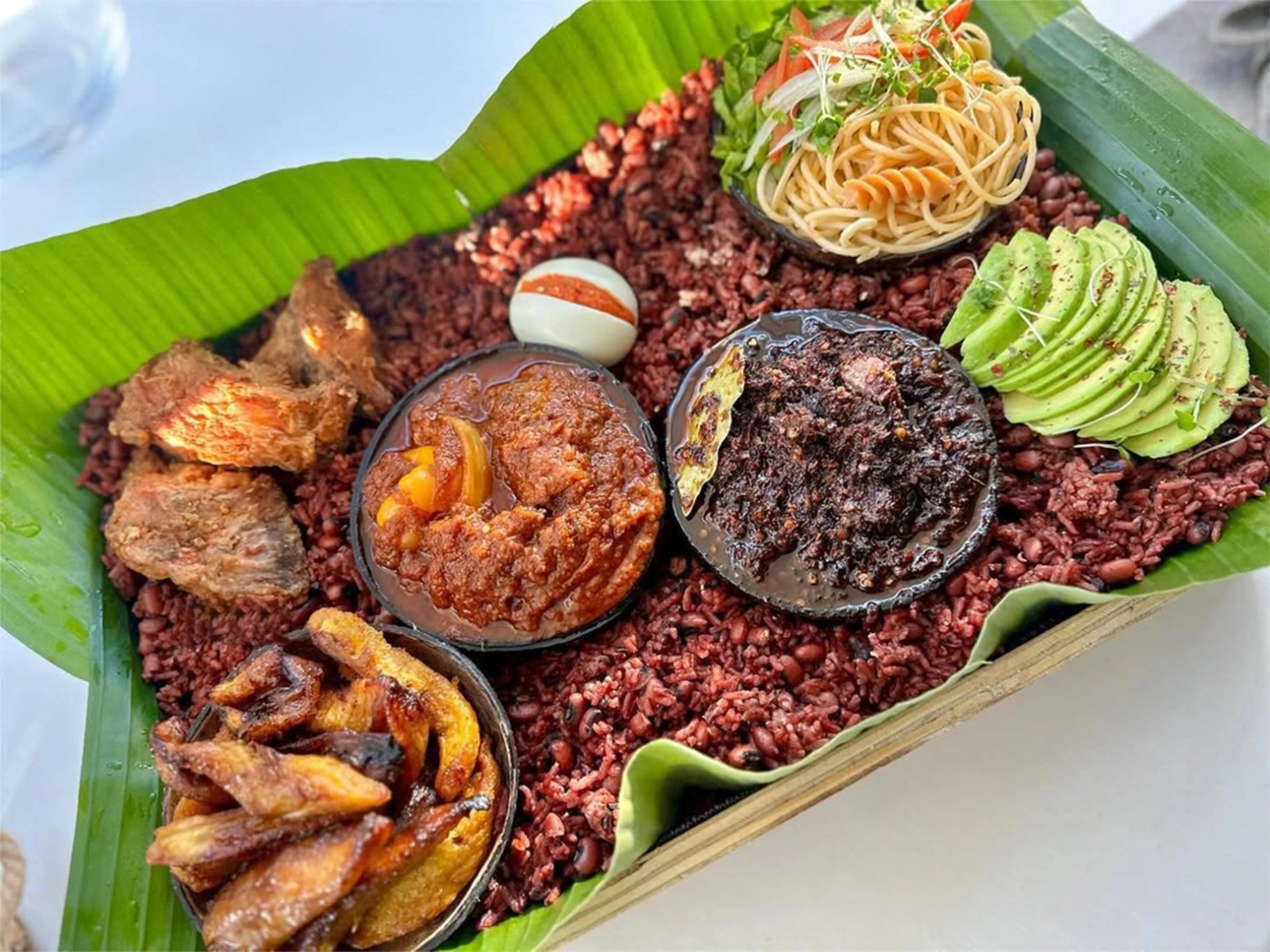
Few Ghanaian dishes arrive with quite the sense of possibility that comes with waakye. A steaming mound of rice and beans is only the beginning; what goes around it can turn a simple breakfast into a generous, colourful feast.
Waakye is traditionally made with rice and black-eyed beans, cooked together until the grains are tender and infused with the earthy flavour of the beans.
The dish is often served with a lively collection of accompaniments: crisp salad, boiled egg, fried plantain, spaghetti, fish, meat and shito, Ghana’s intensely flavoured hot pepper sauce.
That combination of textures is part of the attraction. Soft rice and beans meet sweet, caramelised plantain, cool salad, savoury protein and the smoky, spicy punch of shito.
Every mouthful can taste slightly different depending on what lands on the fork.
For vegetarians, waakye is especially adaptable. Leaving out the fish and meat still leaves a satisfying plate built around legumes, grains, vegetables and plantain. The beans also contribute plant-based protein and fibre, while the variety of accompaniments can provide a broader mix of nutrients.
There is also something distinctly Ghanaian about how waakye is presented. Traditionally, it is wrapped in katemfe leaves, also known as sweet prayer plant leaves.
The biodegradable leaves help retain moisture and lend the food a subtle aroma, while connecting the meal to a long-standing tradition of using locally available natural materials.
From roadside vendors to bustling food spots, waakye has earned its place in Ghanaian food culture because it is filling, flavourful and wonderfully flexible. It is breakfast, but it rarely feels like just breakfast.




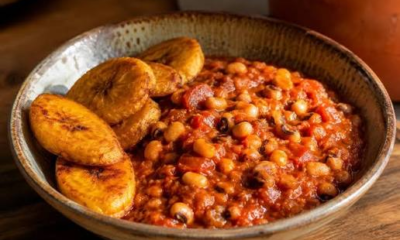





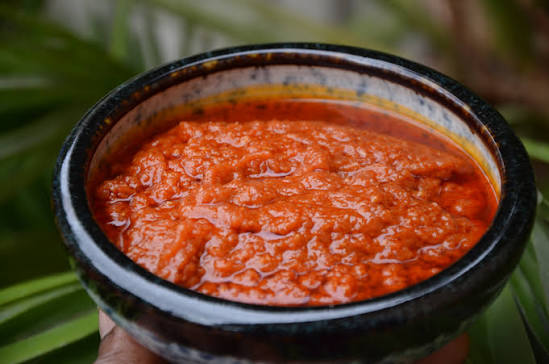
Few dishes capture the warmth of a Ghanaian kitchen quite like tomato stew — a deeply savoury, gently sweet sauce where ripe tomatoes, caramelised onions, spices and oil come together in a pot full of comfort.
For many Ghanaians, tomato stew is more than a sauce. It is the foundation for countless familiar meals, spooned generously over rice, boiled yam, fried plantain, potatoes and other everyday favourites. Its bold red colour and rich aroma can turn a simple plate into something memorable.
The secret starts with the oil. A neutral oil that can withstand heat helps draw out the flavours of ground spices while giving the onions room to caramelise properly.
Then comes the onion — one of the quiet stars of the dish. As it cooks, its complex carbohydrates break down into simpler sugars, bringing natural sweetness. The heat also encourages the Maillard reaction, creating flavour compounds that give the stew its characteristic depth.
Tomatoes provide the bright, slightly acidic heart of the sauce. Roma or Italian tomatoes are a good choice because they tend to be less acidic and naturally sweet.
When fresh tomatoes are out of season, canned tomatoes can work beautifully too. If the tomatoes are particularly sour, a tiny pinch of baking soda can help soften the acidity.
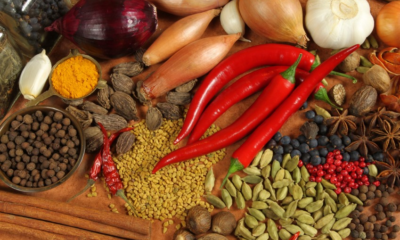
And then there are the spices: cloves, anise seeds, calabash nutmeg and other warm aromatics that give Ghanaian cooking its unmistakable fragrance.
It is this balance of sweetness, savouriness, spice and acidity that makes Ghanaian tomato stew so beloved — and well worth discovering.
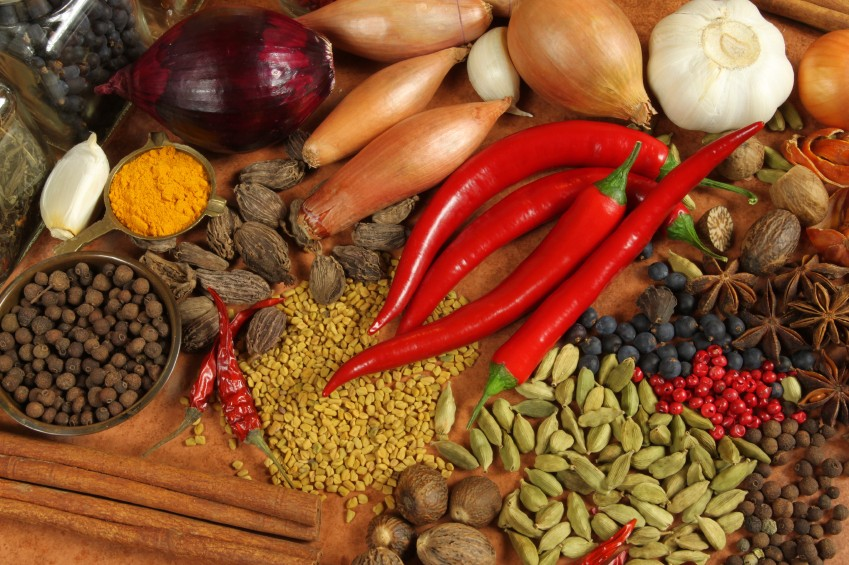
Walk into a Ghanaian kitchen when a pot of soup is simmering, and the first thing to arrive is often the aroma: warm, earthy, peppery and unmistakably inviting.
Ghanaian cooking draws on a remarkable range of spices, many of them indigenous ingredients with flavours that can surprise anyone encountering them for the first time.
Prekese, known for its distinctive four-sided pods, brings a floral, earthy fragrance to soups and drinks. It has also become popular in wellness circles, adding to its appeal beyond the kitchen.
Then there is kalabash nutmeg, whose name can be misleading to newcomers. Its flavour is less like conventional nutmeg and more herbal and woody, giving traditional dishes a character of its own.
Grains of Selim, another Ghanaian favourite, contributes deep, earthy and woody notes. It has also long featured in home remedies, including the traditional practice of using it for sore throats.
For a sharper kick, grains of paradise delivers a pungent, gingery heat, while Guinea cubeb brings peppery warmth with pronounced citrus notes.
Perhaps no discussion of Ghanaian seasoning is complete without fermented locust beans, valued for their intense savoury flavour and sometimes described as nature’s original seasoning cube.
Ghanaian kitchens have also embraced spices from beyond West Africa. Cloves and anise seeds appear in drinks, soups and spice blends, while cayenne, African bird’s-eye chilli, rosemary and bay leaves bring heat and fragrance to everyday cooking, including jollof rice.
Together, these ingredients reveal something important about Ghanaian food: flavour is rarely an afterthought. It is memory, tradition and identity simmering in the same pot.

One bite of Dzowoe is enough to understand why this humble peanut snack has earned a loyal following across Ghana.
Also known as Zowey or Adarkwa, Dzowoe transforms everyday ingredients into something memorable.
Thick groundnut paste is mixed with sugar, a pinch of salt, fresh ginger, chilli powder, and maize meal before being shaped into compact balls that are easy to carry and even easier to finish.
The first taste is sweet and nutty, but it does not stay there for long. Ginger brings a warm, peppery lift, while chilli leaves a gentle heat that lingers after each bite.
The roasted aroma of peanuts ties everything together, making Dzowoe both comforting and exciting.
Its appeal stretches beyond flavour. Groundnuts are a good source of plant-based protein, healthy fats, and vitamin E, making the snack a satisfying option that can help keep hunger at bay. The maize meal adds body, giving each ball its firm, hearty texture.
Dzowoe has long been part of Ghana’s everyday food culture. It is sold by street vendors, carried on journeys, packed into school bags, and shared among friends during casual conversations.
Its small size makes it convenient, but its bold taste makes it unforgettable.
For visitors discovering Ghanaian cuisine, Dzowoe offers more than a quick snack.
It captures the country’s love for balancing sweetness with spice, turning simple pantry staples into a treat that is both deeply familiar to locals and delightfully surprising to first-time tasters.


Ghana Property & Lifestyle Expo Returns to Accra for a Decade of Opportunities

Ghanaian Tomato Stew: The Rich, Fragrant Sauce Everyone Should Try

Building in Stages? Why Your Concrete Slab Needs Protection Before the Next Floor
-

 Arts and GH Heritage2 days ago
Congo: Capturing Life Beyond War
-

 Sights and Sounds13 hours ago
Looking for a Different Day Out in Accra? Bambo’s Has You Covered
-

 Health & Wellness1 day ago
Your Body Is Still Working While You Sleep — And Your Sleep May Matter More Than You Think
-
 Homes & Real Estate13 hours ago
Building in Stages? Why Your Concrete Slab Needs Protection Before the Next Floor
-
 Taste GH8 hours ago
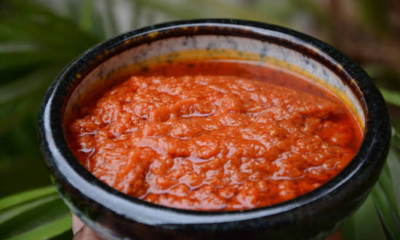
Ghanaian Tomato Stew: The Rich, Fragrant Sauce Everyone Should Try
-
 Festivals & Events7 hours ago
Ghana Property & Lifestyle Expo Returns to Accra for a Decade of Opportunities