
Reels & Social Media Highlights
Politics or Tribe? OB Amponsah’s Deleted Post Tears Social Media Apart


If there is one thing Ghanaians on social media love more than jollof, it is receipts. And this Saturday, the receipts came with a side of chaos, laughter, and a whole lot of side-eyeing. From the football pitch to the red carpet and the pulpit, the digital streets were a battlefield.
The undisputed king of the timeline was Prophet Fire Ogya. After the Black Stars secured their ticket to the 2026 World Cup on Sunday, the cleric became the internet’s favorite punching bag on Saturday as clips of his failed prophecy resurfaced.
Social commentator Bongo Ideas led the charge, mockingly asking if the prophet’s “white horse” revelation was a divine vision or a trip to the zoo . The memes were relentless, tapping into a deep Ghanaian skepticism of “one-man churches” who gamble on sports predictions.
Simultaneously, a more sartorial spat was unfolding. Fashionista Osebo the ZaraMan went scorched earth on the just-ended TGMA red carpet, calling Ghana’s fashion culture “very poor” and suggesting the awards leave the country.
He argued it’s embarrassing to see €1,000 shoes beside ‘chale wote’ (local slippers). The quote went viral, splitting the room between those who agreed our standards are slipping and those who accused Osebo of gatekeeping.
Meanwhile, a political firestorm burned through Facebook. Comedian OB Amponsah briefly posted—then swiftly deleted—a comment labelling the Tourism Minister as “TouEweism.” The post ignited a fierce debate about ethnicity vs. politics.
Blogger Rashad weighed in heavily, arguing that the anger between Ashantis and Ewes is manufactured by the NPP and NDC for political gain, insisting: “Our problem in this country is politics”.
From false prophets to fashion wars, Ghana’s digital mood is loud, proud, and refuses to take itself too seriously.





Reels & Social Media Highlights
Heritage Notes and Heartbreak: Ghana’s Social Media Mood on November 12
Ghana’s social media timelines on Thursday, November 12, 2026, felt like a national conversation with the volume turned all the way up. The day opened with football frustration as Black Stars captain Jordan Ayew missed a 14th-minute penalty against Somalia in a World Cup qualifier, triggering a flood of exasperated posts on X.
Fans questioned his form, his selection, and whether the captain’s armband had become a curse rather than an honour.
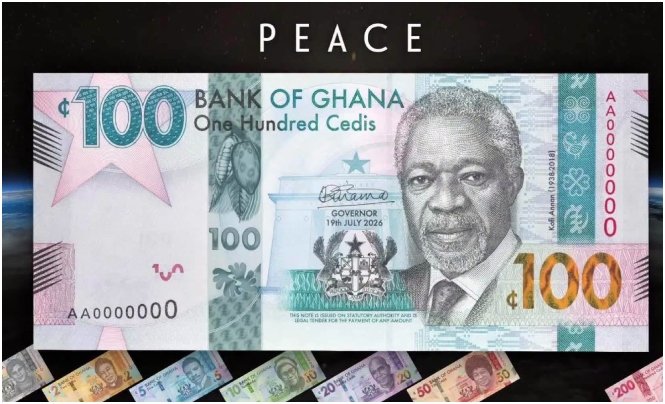
But the mood swung quickly. By afternoon, the Bank of Ghana unveiled its new “Heritage Notes,” and Facebook erupted—not just over the designs, but over a fake GH₵38 note bearing former Vice President Mahamudu Bawumia’s face that spread faster than the real currency news.
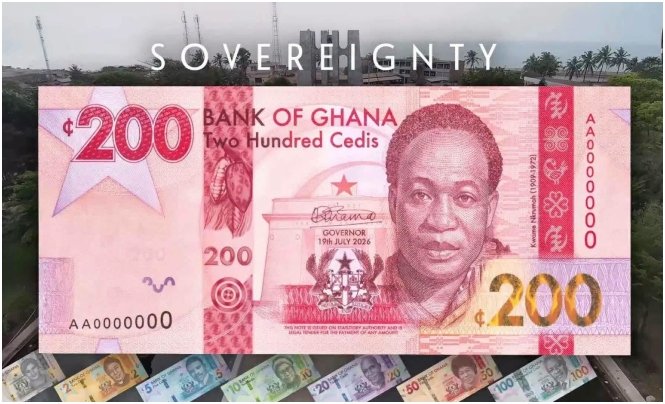
The meme became a canvas for political roasting, with commenters joking about the National Cathedral and linking the number 38 to NPP banter. Meanwhile, an old video of President Mahama criticising the 2019 introduction of GH₵100 and GH₵200 notes resurfaced, adding a layer of political irony to the currency chatter.
https://ghananewsglobal.com/the-day-ghana-argued-with-itself-and-laughed-while-doing-it/
The day’s darker thread came from Assin South MP John Ntim Fordjour, who took to X demanding answers on cocaine trafficking investigations, citing international seizures linked to Ghana . His post sparked debate about national image and accountability, cutting through the humour with a sharper edge.
What united these conversations was a distinctly Ghanaian blend of humour, frustration, and civic engagement. The Ayew penalty became a collective groan; the fake Bawumia note became a shared joke; the cocaine question became a call to conscience. On a single Thursday, Ghanaians laughed, argued, and demanded better—all within the same scroll.
Tuesday, November 10, 2026, hit Ghana’s timelines like a harmattan gust—sharp, dusty, and impossible to ignore.
By midday, Facebook and X had split into familiar camps: those defending the ordinary Ghanaian, those defending the system, and those just here for the football banter.
The loudest rumble came from Kwame Nkrumah Circle, where Accra Mayor Michael Kpakpo Allotey’s task force tore down wooden stalls, triggering a raw confrontation captured in viral clips.
“We are tired of Mahama,” one trader reportedly shouted, a soundbite that ricocheted across partisan lines. The debate split neatly: NDC loyalists insisted the pavements must stay clear; NPP voices called the demolition “wicked” without alternative markets.
What united both sides was a grim acknowledgement—Christmas is coming, and livelihoods hang in the balance.
Football, as always, provided the emotional chaser. The Black Stars’ 26-man squad for the Somalia double-header dropped, and X erupted over Jordan Ayew’s inclusion and Kwasi Sibo’s exclusion.
The memes wrote themselves: “Jordan’s name is printed before the coach selects”. It was less analysis, more catharsis—Ghanaians processing years of AFCON heartbreak through sarcasm.
But the day’s most unexpectedly resonant voice belonged to a Funsi SHS student. His Facebook video confronting his headmaster over a three-year dormitory blackout ended with a line that Ghana will quote for weeks: “Even poultry farms get electricity”.
The applause in that room echoed online, a reminder that sometimes the sharpest political commentary comes from a teenager holding a phone.
Reels & Social Media Highlights
Ghana’s Social Media Split Screen: Culture, Crisis and a Minister’s Apology
Ghana’s timelines on Thursday, November 5, 2026, felt like a nation scrolling with one thumb on humour and the other on heartbreak.
The mood swung between righteous laughter over a sacred cloth and sober anger over the safety of schoolchildren, a split-screen energy that defines the country’s digital public square.
The loudest viral moment came from a livestream clash between Nigerian creator Carter Efe and Ghanaian streamer Made in Ghana. A clip of Carter Efe attempting to lay a Kente cloth on the ground for his girlfriend was swiftly shut down with the now-iconic line: “No bro, you can’t put this one down oo. No, it’s for kings”.
The exchange ignited a fierce debate about cultural respect, with Ghanaians praising Made in Ghana for defending heritage while questioning the boundaries of cross-border content collaboration.
Meanwhile, a far more sombre conversation dominated political Twitter. Minister for Communication Sam George faced backlash and then clarification after a viral video showed him confronting a military officer in Ningo-Prampram.
In a Facebook post on November 5, he insisted his remarks were “never intended as an attack on the Ghana Armed Forces,” following a meeting with military high command over the assault of residents and a shooting incident.
The episode fuelled ongoing tensions about accountability and the treatment of civilians by security forces.
Amid these debates, a persistent campaign for #JusticeForRansford continued to circulate, demanding answers after a 16-year-old footballer died following alleged sexual abuse by his coach . The hashtag’s staying power reflects a growing public refusal to let institutional failures fade from the feed.
What ties these threads together is a distinctly Ghanaian digital instinct: outrage is rarely performed without context, and humour is often the spoon that makes hard truths swallowable.
Whether it’s protecting Kente from a foreign guest’s misstep or demanding justice for a young athlete, the timeline is less a place for passive scrolling and more a live negotiation of national values.


Managing Diabetes Starts with Self-Compassion, Not Self-Criticism

Sunshine and Vitamin D: Why Your Body Needs More Than Just a Little Daylight

Europe Faces Wave of Hoax Bomb Threats Amid Growing Fears of Hybrid Warfare
-

 Health & Wellness2 days ago
Building Stronger Glutes After 35: Why Strength Training Matters More Than Cardio
-

 Global Update1 day ago
A New COVID-19 Variant is Raising Interest as Cases Increase in Parts of the World
-
 Ghana News1 day ago
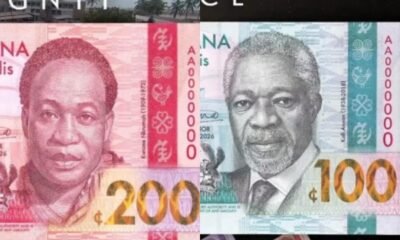
Ghana Unveils New Cedi Notes Featuring Nkrumah, Kofi Annan and Trailblazing Women
-
 Fashion & Style2 days ago
Beyond Fashion: How African Skincare Brands Are Redefining Beauty for Melanin-Rich Skin
-

 Ghana News1 day ago
Ghanaian Regulators Test Local Innovator’s Plastic-Derived Fuel, Finds Petrol and Diesel Fall Short of Required Standards
-
 Health & Wellness1 day ago
Flu Prevention Starts at Home: Five Everyday Habits That Protect Your Family
-

 Ghana News10 hours ago
Ghana Targets Industrialization in 2027 as $10 Billion Economic Transformation Plan Unveiled in 2027 Budget
-
 Ghana News1 day ago
Ghana Coconut Shipment Used to Conceal 2.6 Tons of Cocaine Bound for Europe