
Reels & Social Media Highlights
TrendingGH: Athletics Chaos, Diplomatic Fallout, and a Dancing ‘Obroni’

If your timeline felt like a high-speed rollercoaster on Thursday, you weren’t alone. Ghana’s X (formerly Twitter) and Facebook spaces erupted into a perfect storm of sports rage, diplomatic anxiety, and spiritual intrigue. The energy was chaotic, hilarious, and deeply reflective all at once.
The absolute dominator of the feed was the 2026 African Athletics Championships at the University of Ghana Stadium. Unfortunately, it wasn’t the medals that went viral—it was the shambles.
Chale this is really shameful 🤭🤭😂😂
— Kwame Nyarko Osafo ❼ (@kwamenyarkoosaf) May 13, 2026
We all saw how successful the All African Games was and just only Athletics competitions too see this
Food aa theyre complaining n now this…eeiiiii
Herh Ghana…Aban papa aba ampa pic.twitter.com/sj6A8UlpUO
From a pole vault athlete’s pole snapping mid-air to the absence of electronic timers forcing officials to check phones for race results, the embarrassment was global.
In a wild twist of irony, netizens began issuing public apologies to former sports minister Mustapha Ussif—a man recently under probe for financial issues—because his much-criticized African Games organization suddenly looked world-class. As one user put it, “Come for your flowers, Sir.” The memes comparing the organization to a district-level funfair were relentless.
Simultaneously, a heavier cloud loomed over the timeline regarding South Africa. Following fresh anti-immigrant protests, the government announced the evacuation of 300 Ghanaians, sparking a fiery debate about African unity versus economic survival.
@empiremula6 ♬ original sound – Empire Mula 🥰
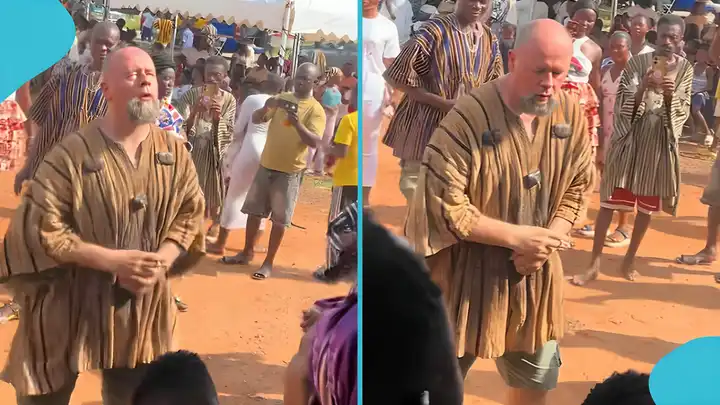
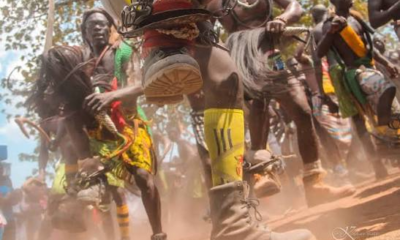
But to understand the lighter side of Ghanaian digital culture, look no further than the “Obroni” (White man) Akɔm video.
Footage of a European man flawlessly performing a traditional priestly dance went viral. It sparked a complex conversation: Is it cultural appropriation, or a wake-up call for locals to embrace their heritage?
Why it matters
Thursday proved that the Ghanaian online community is the ultimate equalizer—roasting authorities for incompetence while celebrating global recognition of local traditions.







Reels & Social Media Highlights
Ghana’s Digital Heartbeat: Outrage, Satire, and the Fight for Accountability
Ghana’s social media space on Wednesday, October 21, 2026, felt less like a scrolling feed and more like a pressure cooker.
Between the crimson solidarity of #RedWednesday, the dust of a collapsing high-rise, and the astonishing unravelling of a political spokesperson, Ghanaians were simultaneously furious, entertained, and deeply skeptical.
The day’s emotional center was the Obuasi SHTS sexual abuse scandal. Activists declared “Red Wednesday,” urging citizens to wear red in solidarity with the alleged victims.
The mood turned from grief to rage when a leaked clip showed NDC communicator Daniel Nortey dismissing the allegations with the callous remark, “He’s a rapist, so what?”
The backlash was immediate and fierce, with figures like Nana Aba Anamoah condemning the comment, forcing Nortey into a swift, televised apology . Meanwhile, a very different kind of accountability played out in satire.
A viral video, amplified by Ashanti Regional Minister Frank Amoakohene, juxtaposed Dr. Mahamudu Bawumia’s past claims of completing the Pwalugu Dam against his recent promise to build it, using the “A few moments later” meme to devastating effect .
Amidst the politics, raw reality intruded. A video of concrete blocks raining down from the Villagio construction site in Accra sparked safety fears, but it was the cameraman’s subsequent claim that the company threatened him with “police and lawyers” that truly ignited the timeline.
Even the beach wasn’t safe from scrutiny: creator Ivy Prosper’s on-the-ground photos of a still-littered Labadi Beach exposed the polished, viral images of a “Miami-style” shoreline as misleading, triggering a wave of cynical “smoke and mirrors” commentary.
What united these disparate moments was a collective demand for transparency. Whether mocking a politician’s memory, calling out a spokesperson’s inhumanity, or fact-checking a pretty picture, Ghanaian netizens were not merely consuming content—they were actively auditing the world around them, one screenshot at a time.
Reels & Social Media Highlights
Ghana’s Social Media Erupts Over Mining Violence and Celebrity Controversy
Ghana’s timeline in its familiar state: equal parts outrage, meme-making, and moral negotiation.
By midday, one video had already set the tone. Footage from Wassa Esaman showed the NAIMOS task force physically restraining suspected illegal miners, and the reactions split immediately—some praising the crackdown as long overdue, others questioning the rough tactics and predicting the suspects would be back on the streets within days.
The galamsey debate never really leaves Ghanaian social media; it just changes faces.
Then came Shatta Wale. Fresh off his ShattaFest performance at the Accra Sports Stadium, clips of the dancehall star declaring he has “plenty fraud boys” as friends—and that he won’t snitch because “the country no good”—detonated across Facebook and X.
The remarks landed awkwardly in a nation where economic hardship and fraud are tangled in uncomfortable ways, and where public figures are increasingly expected to pick a side.
Meanwhile, Sarkodie found himself clarifying that a casual post about returning to “gari soakings” had nothing to do with President Mahama’s government—a reminder that in Ghana’s current mood, even a bowl of gari can become a political statement.
What tied these conversations together was a shared suspicion: that institutions protect the powerful while ordinary people bear the cost.
Whether the topic was mining, fraud, or the price of a meal, Ghanaians on Monday weren’t just reacting—they were keeping score.
Reels & Social Media Highlights
Ghana’s Timeline Erupts: Showboy’s Crude Plea, Asantewaa’s Silence, and a Nation Divided
On Wednesday, 14th October 2026, Ghana’s social media didn’t just trend — it combusted. At the center of the firestorm: Showboy, a deported ex-convict and self-styled provocateur, posting a video begging TikTok star Asantewaa to sleep with him because “everyone has chopped her except me.”
The phrase — crude street slang for sex — detonated across Facebook, X, and TikTok, splitting users between outrage, disgust, and reluctant laughter.

The Asantewaa saga had been simmering for weeks. First, rapper AMG Armani claimed a one-night stand and a pregnancy.
@notorioustrend1 Showboy Goes Hard On Asantewaa For Exp0sing Some Secret In Her Marriage On TikTok Live #ghanabloggers #ghanatiktok🇬🇭 #asantewaaaaa #showboy #notorioustrend ♬ original sound – Notorious🥷 Trend📸
Then Asantewaa herself explained she left her husband over sickle cell genotype compatibility, insisting she wasn’t with Armani until after the split. Showboy’s video poured petrol on the embers.
But the timeline wasn’t only burning with celebrity gossip. In Obuasi, the GES interdicted a headmaster accused of sexual misconduct after students rioted and vandalized school property.
The story — girls alleging assault inside the headmaster’s bungalow, a menstruation claim used as pretext, a school in ruins — resonated because it echoed a painful national truth: institutions meant to protect children often fail them.
Meanwhile, in Agona Nkwanta, a viral video of a man assaulting his wife led to a three-month jail sentence on the very same day, a rare moment of accountability that many users celebrated, even as they questioned why it took a viral clip for justice to move.
What made October 14th distinctly Ghanaian was the collision of these stories.
A culture wrestling publicly with how women are treated — by men like Showboy who see clout in disrespect, by authority figures who abuse trust — while simultaneously turning tragedy into meme fodder, joke captions, duet videos.


Funding Fears Loom For Ghana’s Life-Saving Malaria Vaccine Five Years After Roll Out

‘There was a Coordinated Disclosure Plan’: AI-Discovered Flaw in PHP Triggers Global Internet Chaos as Cybercriminals Race to Exploit It

Yandex Strikes: Can Moscow Host Africa Under Drone Threat?
-
 Ghana News13 hours ago
Major Sexual Abuse Scandal Rocks Ghana High School: Obuasi School Headmaster Sues Journalist for GH¢2 Million as Investigation Into Alleged Misconduct Widens
-

 Reels & Social Media Highlights1 day ago
Ghana’s Digital Heartbeat: Outrage, Satire, and the Fight for Accountability
-

 Festivals & Events17 hours ago
Compozers Fest Ghana Edition: Welcoming 2027 with Music in Accra
-
 Taste GH17 hours ago
Airport Residential Area: Where Accra’s Dining Scene Meets Global Flavours
-
 Fashion & Style2 days ago
Wyclef Jean Gives Ghanaian Kaftan a Global Spotlight After ‘Chineke’ Fashion Inspiration
-

 Health & Wellness2 days ago
Beyond Bigger Muscles: Why Strength Training Matters for Healthy Ageing
-

 Health & Wellness1 day ago
Four Everyday Lifestyle Habits That Can Make Weight Loss Easier
-
 Health & Wellness17 hours ago
Why Keeping Weight Off Can Be Harder Than Losing It