
Taste GH
Okro Stew: How to Prepare the Ghanaian Stew That Stretches, Survives, and Still Feels Like Home
In every Ghanaian kitchen, there is one pot that teaches patience, faith, and the art of trusting the process: okro stew.

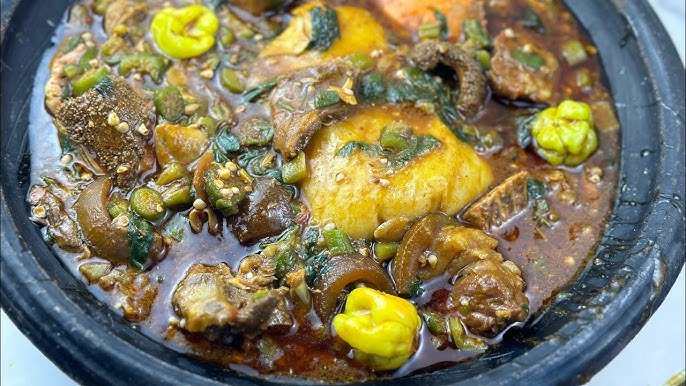
In every Ghanaian kitchen, there is one pot that teaches patience, faith, and the art of trusting the process: okro stew. It is the only stew that can stretch like your life plans, wobble halfway through, threaten embarrassment, and still come together beautifully in the end.
The making of okro stew begins with a calm hand and a knowing smile. Palm oil warms slowly in the pot, turning a deep sunset red before sliced onions hit the surface and release that unmistakable home smell. Then comes momone and kako; the bold, unapologetic ingredients that announce themselves before you even lift the lid. They are not shy, and okro stew would be incomplete without their attitude.
The pepper mix goes into the pot. And when that simmers for a while, the fresh okro is chopped with intention, not haste. Some prefer it fine, others chunky, but everyone agrees it must be ready to draw. Seasoning follows – not too much, just enough to remind you that balance is a skill.
Read Also: The 6-hour Shake: Why Ghana’s Bumpy Roads Are the Ultimate Travel Test
As the pot simmers, the stew thickens, stretches, and transforms. This is where the magic happens. One stir turns into many. You watch closely. You wait. You hope.
Okro stew doesn’t stand alone. It invites companions. Banku, eba, even plain rice rise to the occasion, happily carrying the stew’s silky weight. You see, okro stew is more than food. It’s a reminder that some things, like home, may stretch, but they never break.
Watch the video below for a pictorial version of the preparation:

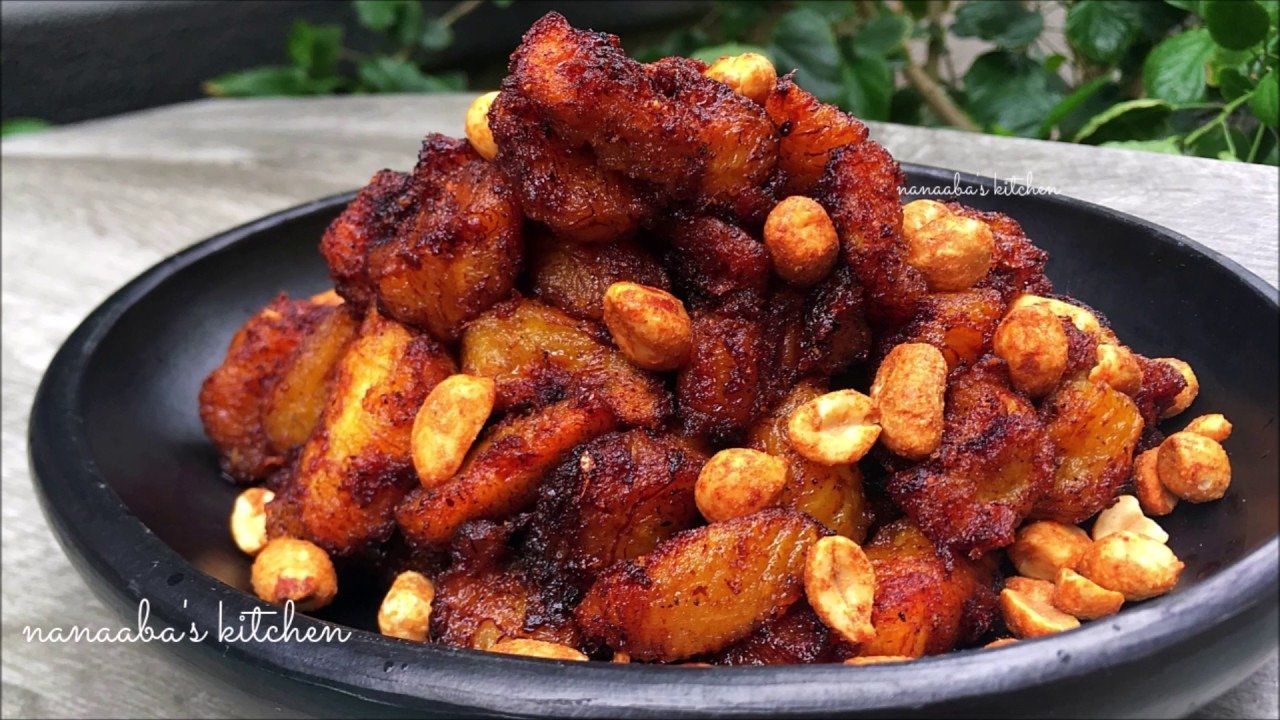
The scent arrives before the snack itself—warm ginger, pepper, and caramelized plantain drifting through the evening air in Accra. Follow that irresistible aroma and you’ll likely find a small street stall serving one of Ghana’s most beloved bites: kelewele with fried groundnuts.
Kelewele begins with ripe plantains cut into small cubes and tossed in a lively blend of spices—usually ginger, garlic, pepper, and a hint of salt.
Once lowered into hot oil, the plantain turns golden and crisp at the edges while remaining soft and sweet inside. The result is a snack that balances heat, sweetness, and smoky richness in a single mouthful.
But kelewele rarely travels alone. A handful of crunchy fried groundnuts—peanuts roasted until fragrant—often accompanies the dish.
Their nutty bite complements the spiced plantain perfectly, adding texture and depth to every serving. Locals know the rhythm well: a toothpick in hand, a paper wrap of kelewele in the other, and laughter shared with friends on a warm night.
Across Ghana, kelewele vendors appear as evening falls. Outside busy markets, near roadside corners, or beside lively bus stops, small frying pans sizzle under the glow of streetlights.
Office workers stop by on their way home, students gather after lectures, and late-night travelers grab a portion before continuing their journey.
For visitors, tasting kelewele is an introduction to Ghana’s vibrant street food culture—simple ingredients transformed into something memorable. For Ghanaians, it’s comfort food wrapped in nostalgia, a snack that carries the flavors of home.
@chefabbys KELEWELE might just be Ghana's best Street Food🇬🇭✨! We need to position it and give it even more credit ! It's easy , fast, extremely delicious to make. I made this in bulk hence the quantity of the spices All you need is Pepper Ginger Onion Red chillies Hwentia Cloves Calabash nutmeg EFOM WISA (alligator pepper ) Oil #FoodTiktok #fyp #foryou #virall ♬ With You (feat. Omah Lay) – Davido
Whether enjoyed after sunset or as a quick bite during a city stroll, kelewele and fried groundnuts remain a delicious symbol of Ghana’s everyday culinary magic.
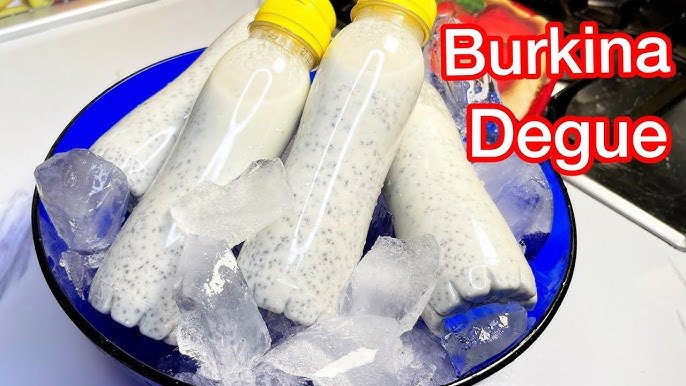
On a hot afternoon in Accra, few things are as satisfying as a chilled cup of burkina. Sold from street-side coolers and small neighborhood kiosks, this creamy millet drink has quietly become one of Ghana’s most beloved refreshments.
Burkina is simple in concept but rich in character. Made primarily from fermented millet and fresh milk, the drink has a thick, smooth texture that sits somewhere between a beverage and a light meal. A touch of sugar and sometimes vanilla gives it a gentle sweetness, while the fermented millet brings a mild tang that keeps every sip interesting.
For many Ghanaians, burkina is more than a drink—it’s part of daily life. You’ll find it everywhere from busy roadside stalls to university campuses and bustling markets. It’s often enjoyed as a quick breakfast, a mid-day energy boost, or a cooling treat during Ghana’s warm afternoons.
Its popularity also comes from its comforting flavor. The aroma of fermented grain mixed with fresh milk creates a familiar scent that many locals instantly recognize. Each vendor has their own twist: some make it thicker, others lighter, but the creamy millet base remains the heart of the drink.
Visitors to Ghana often stumble upon brukina by chance, curious about the rows of plastic bottles filled with pale, creamy liquid in roadside coolers. One sip usually explains its loyal following. It’s refreshing, filling, and quietly nourishing.
In a country celebrated for bold flavors and vibrant street food, brukina stands out for its gentle sweetness and satisfying simplicity—a humble drink that continues to win hearts across generations.
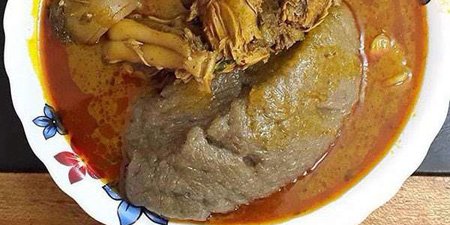
The first spoonful of konkonte with groundnut soup rarely leaves a person unchanged. Steam rises from the bowl carrying the rich, roasted scent of peanuts, while the deep brown mound of konkonte sits quietly beside it, ready to soak up every drop of the flavorful soup.
Konkonte—sometimes playfully called “face the wall”—is made from dried cassava flour stirred into hot water until it forms a smooth, elastic dough. Its earthy colour may appear modest, but that simplicity is part of its charm.
When paired with groundnut soup, one of Ghana’s most beloved dishes, the result is a meal that feels both humble and deeply satisfying.
The soup itself is where the magic begins. Ground peanuts simmer with tomatoes, onions, ginger, and pepper, creating a thick, creamy broth with layers of warmth and spice. Pieces of goat meat, beef, or fish often swim in the pot, adding richness that turns the dish into a full meal.
Across Ghana, this combination shows up everywhere—from roadside chop bars to family kitchens where pots bubble gently on charcoal stoves. Many people enjoy it in the afternoon or evening, especially when they want something filling but comforting. The dough’s mild flavor allows the soup to shine, each bite absorbing the nutty, peppery sauce.
@foodheartedly I made this delicious Konkonte and Groundnut Soup with this package I received from @la ferme Victoire. It cost just 130 cedis and it’s so convenient ☺️ Contact @la__fermevictoire on WhatsApp via 0598884460 INGREDIENTS IN THE PACKAGE: Konkonte flour Groundnut paste Garlic Onga seasoning Fresh tomatoes Fresh peppers Ena Pa seasoning Fresh chicken Onions Garden eggs Okro Tomato paste . . . . . #foodheartedly #groundnutsoup #konkonte #lafermevictoire ♬ original sound – ghclassicsongs
For visitors exploring Ghanaian cuisine, konkonte with groundnut soup offers something memorable: a dish that speaks to resilience, tradition, and the country’s love of bold, satisfying flavors.
It’s not flashy, but it’s unforgettable.


Renowned Global Bodies Warn Middle East War Will Scuttle Africa’s 2026 Growth

Ex-President Akufo-Addo and President Mahama Exchange Pleasantries on Easter

Mahama Calls Christ’s Birthplace an ‘Epicentre of War’, New Airport Concourse Planned and Other Big Stories in Ghana Today
-

 Ghana News1 day ago
Ghana President Convenes Emergency Cabinet Meeting to Cushion Ghanaians from Soaring Fuel Prices
-
 Ghana News1 day ago
Mahama Calls Christ’s Birthplace an ‘Epicentre of War’, New Airport Concourse Planned and Other Big Stories in Ghana Today
-
 Ghana News1 day ago
Ex-President Akufo-Addo and President Mahama Exchange Pleasantries on Easter
-
 Business1 day ago
Renowned Global Bodies Warn Middle East War Will Scuttle Africa’s 2026 Growth