
Lifestyle
NASA seeks to build a quieter supersonic plane for passenger flight
Lorem ipsum dolor sit amet, consectetur adipisicing elit, sed do eiusmod tempor incididunt ut labore et dolore.


Temporibus autem quibusdam et aut officiis debitis aut rerum necessitatibus saepe eveniet ut et voluptates repudiandae sint et molestiae non recusandae. Itaque earum rerum hic tenetur a sapiente delectus, ut aut reiciendis voluptatibus maiores alias consequatur aut perferendis doloribus asperiores repellat.
Lorem ipsum dolor sit amet, consectetur adipisicing elit, sed do eiusmod tempor incididunt ut labore et dolore magna aliqua. Ut enim ad minim veniam, quis nostrud exercitation ullamco laboris nisi ut aliquip ex ea commodo consequat.
Nemo enim ipsam voluptatem quia voluptas sit aspernatur aut odit aut fugit, sed quia consequuntur magni dolores eos qui ratione voluptatem sequi nesciunt.
Et harum quidem rerum facilis est et expedita distinctio. Nam libero tempore, cum soluta nobis est eligendi optio cumque nihil impedit quo minus id quod maxime placeat facere possimus, omnis voluptas assumenda est, omnis dolor repellendus.
Nulla pariatur. Excepteur sint occaecat cupidatat non proident, sunt in culpa qui officia deserunt mollit anim id est laborum.
Sed ut perspiciatis unde omnis iste natus error sit voluptatem accusantium doloremque laudantium, totam rem aperiam, eaque ipsa quae ab illo inventore veritatis et quasi architecto beatae vitae dicta sunt explicabo.
“Duis aute irure dolor in reprehenderit in voluptate velit esse cillum dolore eu fugiat”
Neque porro quisquam est, qui dolorem ipsum quia dolor sit amet, consectetur, adipisci velit, sed quia non numquam eius modi tempora incidunt ut labore et dolore magnam aliquam quaerat voluptatem. Ut enim ad minima veniam, quis nostrum exercitationem ullam corporis suscipit laboriosam, nisi ut aliquid ex ea commodi consequatur.
At vero eos et accusamus et iusto odio dignissimos ducimus qui blanditiis praesentium voluptatum deleniti atque corrupti quos dolores et quas molestias excepturi sint occaecati cupiditate non provident, similique sunt in culpa qui officia deserunt mollitia animi, id est laborum et dolorum fuga.
Quis autem vel eum iure reprehenderit qui in ea voluptate velit esse quam nihil molestiae consequatur, vel illum qui dolorem eum fugiat quo voluptas nulla pariatur.



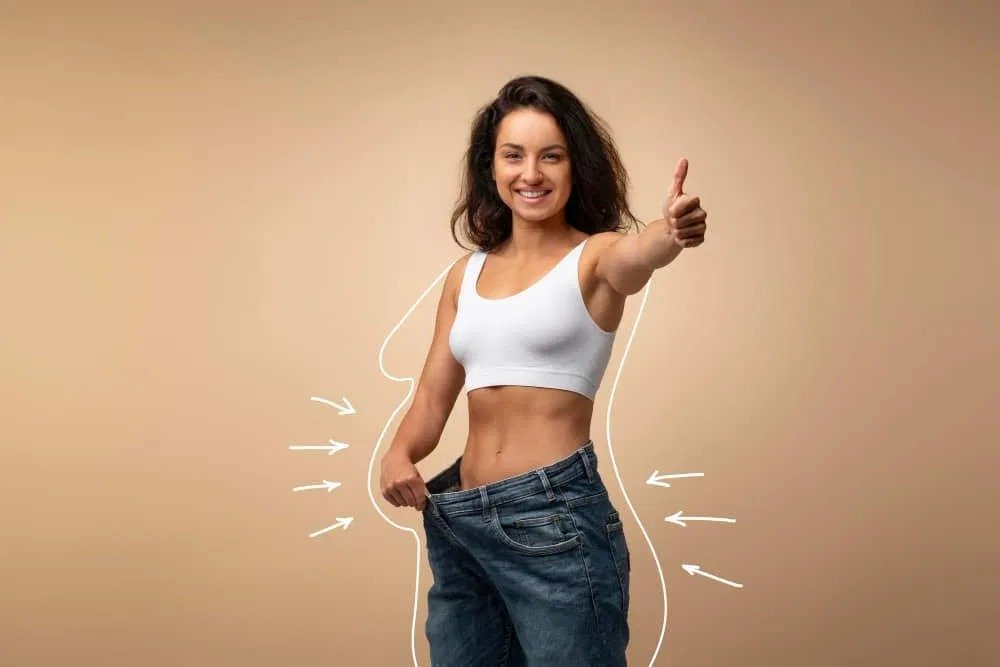
You have cut your portions, turned down extra helpings of jollof rice and tried to stay away from sugary drinks, yet the number on the scale barely moves.
It is frustrating, especially when you feel you are doing everything right. But a weight-loss plateau does not automatically mean you need to eat even less.
Look Beyond Your Plate
Weight management involves more than food alone. Daily movement, exercise, sleep, medications and individual differences in energy needs can all influence progress.
Start by examining how active you are outside the gym. Three strength-training sessions each week are valuable, but spending most of the remaining hours sitting can limit your overall activity. Walking more, taking the stairs and breaking up long periods of sitting can help.
Gradually working towards 8,000–10,000 daily steps may suit some people, although the right target depends on fitness and health.
Could Your Portions Be Misleading You?
People often underestimate how much they eat. Cooking oil, salad dressings, sweetened drinks, snacks and generous weekend portions can add energy that is easy to overlook. For a few days, record meals and drinks honestly, including the small bites taken while cooking. The goal is awareness, not guilt or obsessive calorie counting.
However, eating very little is not a reliable shortcut. Prolonged restrictive dieting can increase hunger, reduce spontaneous movement and cause the body to expend less energy as weight falls. Your metabolism does not simply break, but your energy requirements may change.
Choose Progress Over Punishment
If your weight has stalled, review your activity, portions and consistency before cutting food further. Compare weight trends over several weeks rather than reacting to daily fluctuations, which can reflect water retention and hormonal changes.
If you are persistently struggling despite consistent habits, or experiencing unusual fatigue or other symptoms, consult a qualified health professional.
The answer to a plateau is not always eating less. Sometimes, it is understanding your habits, protecting your health and choosing a plan you can sustain.
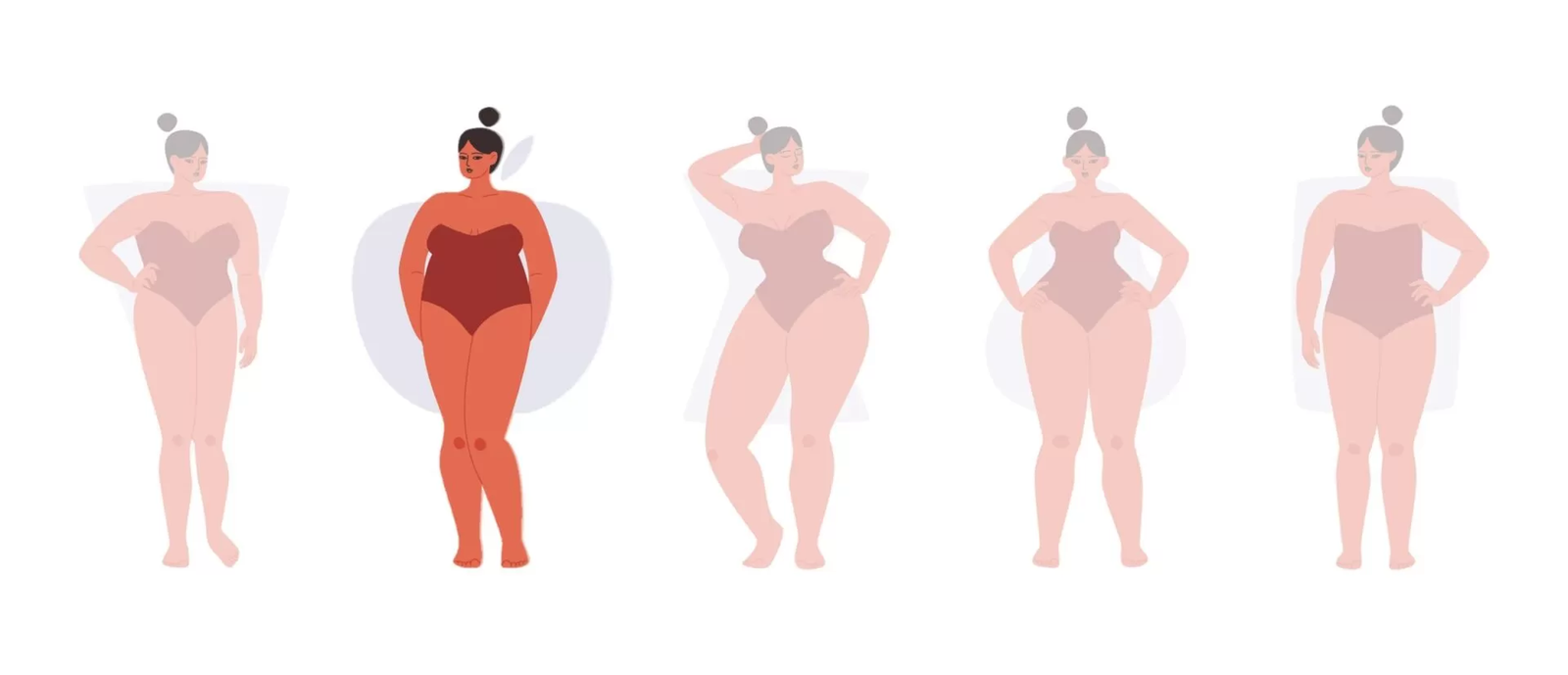
Great style is not always about chasing trends or buying the latest designer outfit. Sometimes, it comes down to understanding how different cuts, colours and patterns work together to create a silhouette that feels comfortable and confident.
For people with an apple-shaped body, a few thoughtful wardrobe choices can open up fresh possibilities for personal style.
The Power of Shape and Structure
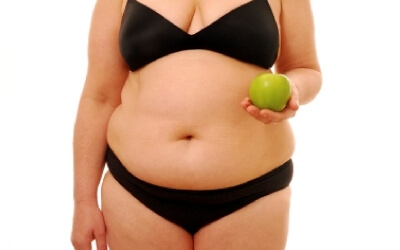
An apple-shaped figure typically carries more fullness around the midsection, with the shoulders and upper body often appearing broader than the hips.
Rather than hiding the body, strategic styling can create balance while allowing personal taste to lead.
A peplum top paired with white-leg jeans, for example, can introduce definition around the waist while adding structure to an everyday outfit. Wrap dresses offer another option, using adjustable fabric and diagonal lines to draw attention towards the waist.
Structured V-neck tops paired with bootcut jeans can also create visual balance between the upper and lower body.
For occasions that call for something more polished, ruched dresses in solid colours provide texture and shape, while dresses with darker side panels can create a subtle contouring effect.
Patterns deserve consideration, too. Strong horizontal lines may emphasise width in certain areas, whereas diagonal details can guide the eye across the body and create a different visual effect.
These are styling suggestions, not rigid rules: fabric, fit and individual proportions all influence how an outfit looks.
Confidence Beyond the Clothing
For Ghanaian fashion lovers, where tailored outfits, colourful prints, occasion dresses and contemporary streetwear all have a place in personal expression, these principles offer another way to approach the wardrobe.
A peplum blouse can work for a professional setting, while a wrap dress can transition easily from a social gathering to an evening event.
Ultimately, dressing well is less about fitting a body into fashion rules than finding clothes that make the wearer feel at ease.
The best outfit is one that works with your proportions, reflects your personality and lets confidence take centre stage.
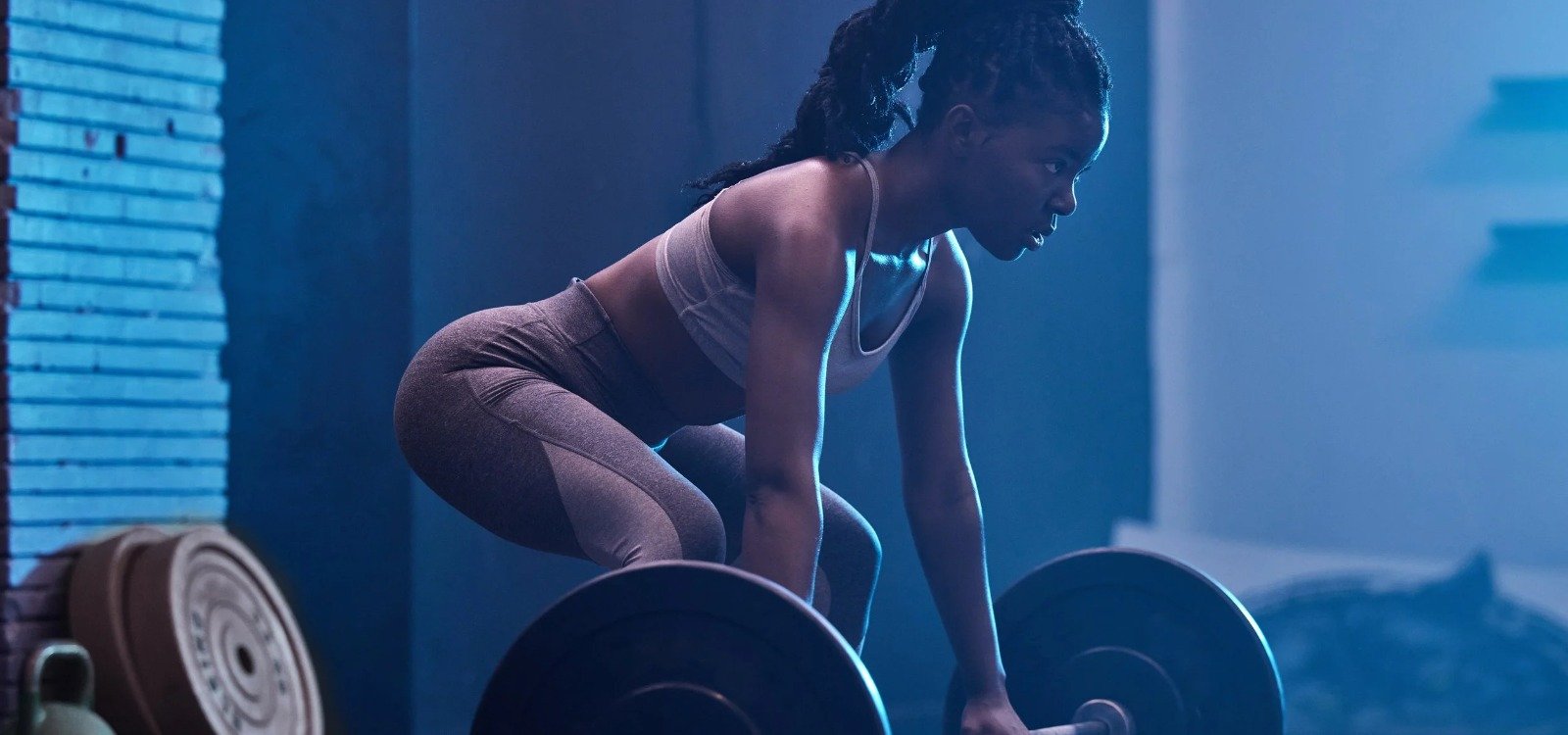
The person who loses the most weight is not always the person who loses the most fat. That surprising distinction could change how you approach your next weight-loss journey.
When the number on the bathroom scale refuses to drop quickly, your workouts may be working better than you think.
Why Strength Training Changes the Picture
A study described in the research behind this debate compared people following a calorie-restricted diet while doing resistance training, cardio or dieting alone. Its reported findings suggest that people who lifted weights lost more fat while preserving, and sometimes gaining, lean mass.
The reason is important. Your body weight includes fat, muscle, water and other tissues. When you lose weight through dieting alone, some of that loss can come from muscle.
Cardio can support fat loss and improve heart health, but without resistance exercise, preserving muscle may be more difficult during a calorie deficit.
Strength training gives your body a reason to retain muscle while using stored fat for energy. Because muscle contributes to your shape, strength and everyday function, the results may show up in your waist measurement, clothing fit and physical ability before the scale tells the full story.
Making It Work in Everyday Life
You do not need an expensive gym membership to begin. Squats, wall push-ups, resistance bands and lifting household weights can provide a starting point.
Gradually increase the challenge as your strength improves, and include protein-rich foods such as eggs, beans, fish and yoghurt to support muscle maintenance.
Walking, cycling and other cardio activities remain valuable, too. Combining them with strength training and a sustainable eating pattern can support both fat loss and overall health.
The lesson is not to abandon your bathroom scale, but to stop treating it as the only judge of progress.
Measure your waist, notice how your clothes fit and celebrate getting stronger. Lasting progress is about improving your body composition, not simply becoming lighter.

-

 Festivals & Events2 days ago
MaddFest 2027: Welcome the New Year with a Night of Celebration in Accra
-

 Reels & Social Media Highlights2 days ago
Ghana’s Timeline Erupts: Showboy’s Crude Plea, Asantewaa’s Silence, and a Nation Divided
-

 Health & Wellness2 days ago
The Scale Can Lie: Why Lifting Weights May Help You Lose More Fat
-

 Festivals & Events1 day ago
Velukusi Festival: Re-enacting the Ewe Escape to Freedom in Ve-Deme
-
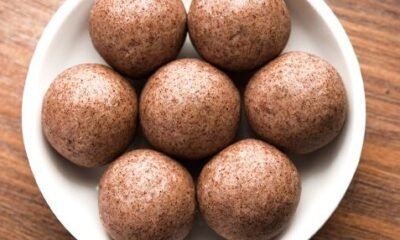
 Taste GH1 day ago
Simple, Nourishing and Rooted in Tradition: Discover Ghana’s Kapala
-
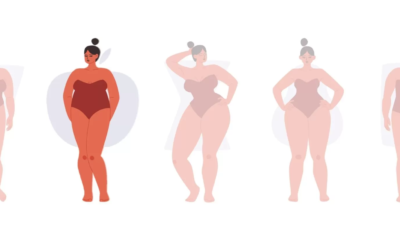
 Fashion & Style2 days ago
Dressing for Your Shape: How Strategic Styling Can Transform Everyday Fashion
-
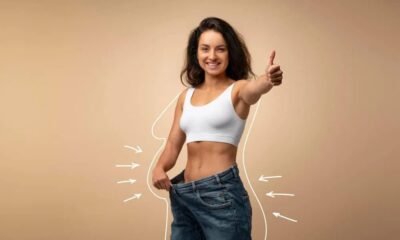
 Health & Wellness1 day ago
The Weight-Loss Plateau: How Daily Movement and Hidden Calories Can Matter