
Arts and GH Heritage
Ghana Ranked 9th Globally in Cultural and Creative Services — New Global Innovation Index Shows


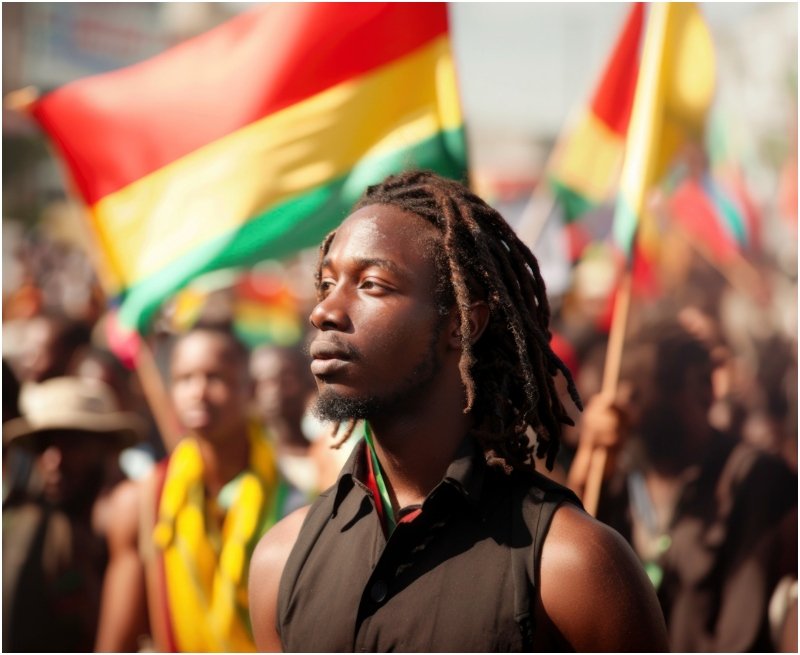
Ghana’s cultural and creative industries have earned global recognition, with the country placing 9th in the world for Cultural and Creative Services Exports in the newly released Global Innovation Index 2025.
The recognition is a remarkable achievement that highlights the expanding influence of Ghanaian culture, music, fashion, film, and art on the international stage.
While Ghana’s overall Global Innovation Index (GII) ranking stands at 101 out of 139 economies, the standout performance in the creative sector shows a growing strength in innovation outputs where culture meets commerce.
Ghana’s Global Creative Impact
The Cultural and Creative Services Exports metric tracks how countries sell creative outputs — such as music, film, design, and digital content — across borders. Ghana’s top-10 placement reflects not just the popularity of its cultural exports but also the economic potential of its creative ecosystem.
This rise comes amid broader growth in the global creative economy, which is estimated to generate more than $2 trillion annually, accounting for approximately 3.1 percent of global GDP. Africa alone is estimated to employ millions in cultural and creative roles, driving job creation and economic diversification.
Ghana’s creative rise includes achievements in several key areas:
- Music and Entertainment: Ghanaian artists such as Sarkodie, Stonebwoy, Black Sherif and Amaarae continue to build global audiences through streaming platforms, collaborations, and international tours — amplifying the country’s cultural footprint.
- Fashion and Design: Ghanaian fashion designers are gaining global visibility, merging Afrocentric aesthetics with contemporary design, attracting attention from international markets and fashion weeks.
- Film and Visual Arts: Ghanaian cinema and visual artists are increasingly featured on global platforms, contributing to cultural storytelling that resonates with diaspora and international audiences alike.
- Digital and Creative Media: Content creators leveraging platforms such as YouTube, TikTok and Instagram are building global followings, expanding both cultural influence and export value.
Why This Matters for Ghana
Experts and industry stakeholders see Ghana’s top-10 ranking in creative exports as a sign of structural transition — from cultural production being primarily local consumption to becoming a major economic driver with global reach.
“Ghana’s creative industry is fast becoming a vibrant engine of culture and commerce,” noted a recent Business & Financial Times analysis that highlighted the need for deeper investment to fully scale the sector’s potential.
Initiatives like the Fidelity Cultural and Creative Fund are being introduced to help bridge financing gaps and support long-term growth in creative sectors.
This recognition also complements broader innovation and digital transformation efforts in the country — including strategic investment in tech and creative clusters — designed to position Ghana as an innovation hub across Africa.
Challenges and Forward Momentum
Despite the spotlight on creative exports, Ghana’s overall innovation performance suggests room for improvement in areas such as research and development, technological innovation, and infrastructure investment — key drivers that can further strengthen the ecosystem supporting cultural exports.
Yet, experts argue that the cultural sector’s momentum offers a blueprint for sustainable, export-oriented growth that combines creative expression with economic impact.
A Global Audience, A Growing Market
As Ghana celebrates its top-10 ranking in cultural and creative exports, the message is clear: the country is not just a consumer of global trends, but a generator of cultural value with global resonance.
With sustained investment, supportive policy frameworks, and continued grassroots innovation, Ghana’s creative economy is poised to play an even greater role in the global economic and cultural landscape.






Arts and GH Heritage
When Second-Hand Clothes Become a Playground for Community
Using Broni Wawu garments purchased at a local market, Bamfo creates enclosed and open environments designed for participation rather than distant observation.

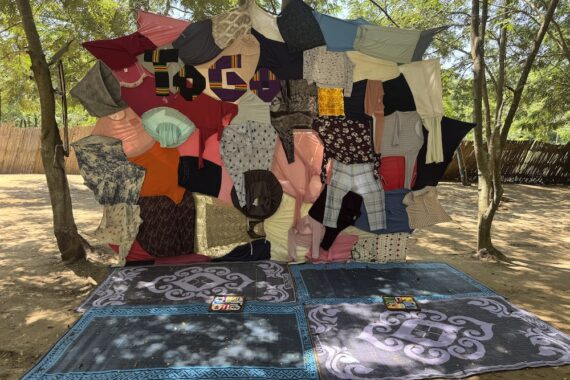
In Atakpamé, Ghanaian artist Dr. Frederick Bamfo transforms discarded garments into interactive spaces where children, cultural memory and collective play meet.
A discarded shirt can carry more than the memory of a former owner. In the hands of Ghanaian artist and academic Dr. Frederick Bamfo, it can become part of a place where children gather, games begin and strangers find reasons to connect.
His installation, The Games Feast, developed during the Karp Artists’ and Researchers’ Residency in Atakpamé, Togo, gives second-hand clothing a new social life.
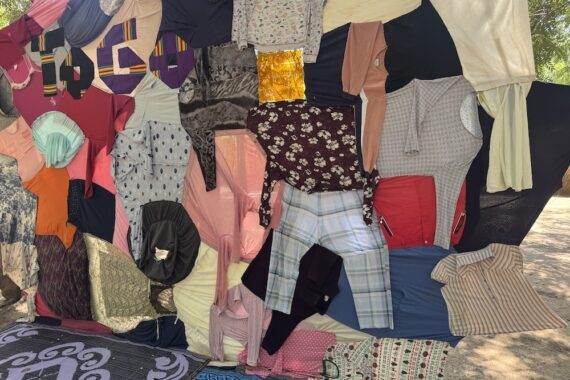
Using Broni Wawu garments purchased at a local market, Bamfo creates enclosed and open environments designed for participation rather than distant observation.
The choice of material speaks to a familiar West African reality. Second-hand clothing circulates through markets, connecting consumers to international trade networks while raising questions about consumption, waste and the afterlife of textiles.
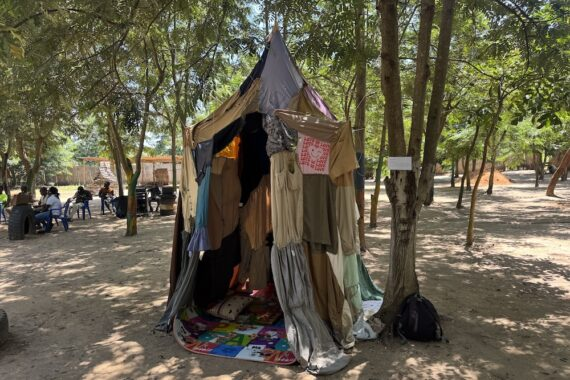
Often valued primarily for their usefulness or affordability, these garments become something different in Bamfo’s work: vessels of memory and possibilities for human connection.
The installation’s defining feature, however, is not simply its reuse of clothing. It is what happens inside these improvised spaces.
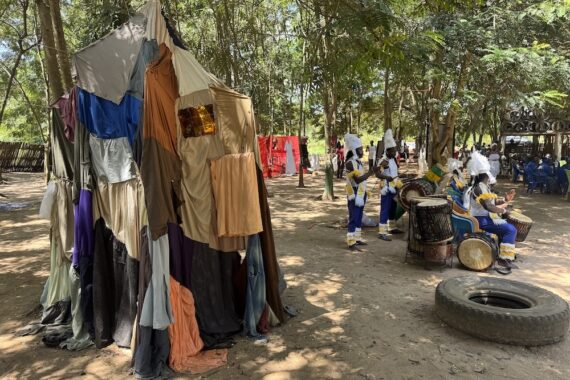
Children help shape the project’s collaborative spirit, while games such as ludo and oware, alongside dancing and skipping, turn the artwork into a setting for shared experience.
These activities draw on familiar forms of play that have long helped communities build relationships and pass cultural knowledge between generations.
Here, they also challenge conventional ideas of an art installation as something to admire without touching or entering.
For Bamfo, the transformation is both material and social. Clothing once associated with individual bodies becomes a collective environment, while everyday games become tools for participation.
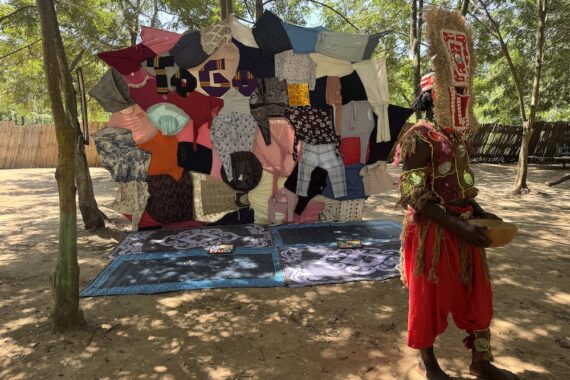
In Atakpamé, The Games Feast suggests that the most meaningful second life of a discarded garment may not be another wardrobe, but a space where people come together.
Arts and GH Heritage
Who Owns the Right to Be Called an Artist? A Debate in Togo Challenges the Rules of Art
From Ghana’s traditional craftsmen to self-taught street artists, creative excellence rarely follows a single road.
An artist may spend years in a university studio learning perspective, composition and art history.
Another may acquire the same confidence with materials through years of observation, experimentation and work passed down through generations. Which deserves greater recognition?
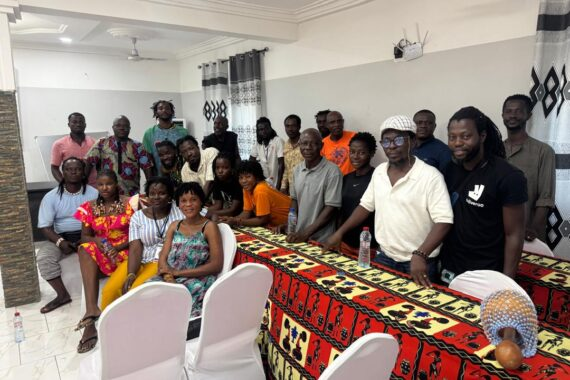
At Hotel Hong Kong in Atakpamé, Togo, this question became a starting point for a wider conversation about who gets to define artistic excellence.
Beyond the walls of the academy
The panel discussion, organised as part of the ongoing Karp Kamina Artists and Researchers Residency, brought together Ghanaian artists Frederick Bamfo, Livingstone Amoako and Ray Agbo.
Moderated by Kojo Biney, with Samuel Olou, the residency’s director, translating into French, the conversation examined the opportunities and limitations of formal and self-directed artistic education.
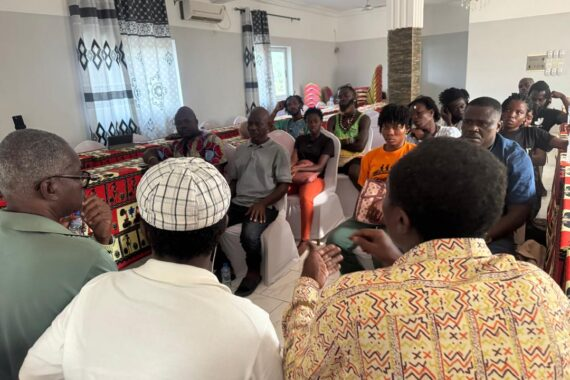
Art academies offer structured training, experienced mentors, studio facilities and access to professional networks.
Yet these advantages do not automatically produce originality. Outside institutional settings, artists often develop distinctive approaches through everyday encounters, community knowledge, apprenticeships and experimentation.
Ghana’s traditions offer another lesson
Ghana’s fantasy coffin makers illustrate why artistic knowledge cannot be measured by academic qualifications alone.
These craftspeople transform wood into elaborate forms representing professions, personal identities and family histories.
Their expertise is built through practical experience, inherited techniques and close relationships between makers and their communities.
Such traditions challenge institutions to reconsider what counts as legitimate artistic training and whose work deserves exhibition space, critical attention and commercial support.
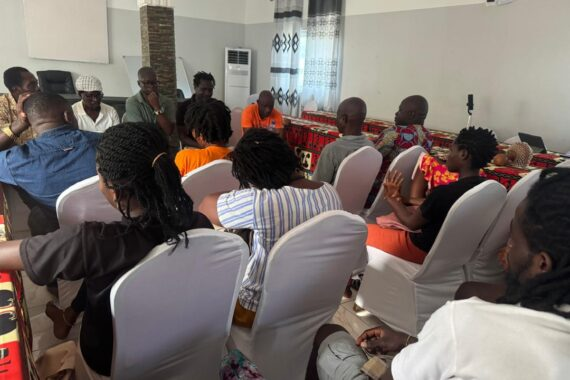
Making room for different creative journeys
The discussion at Hotel Hong Kong did not present formal education and independent practice as opposing forces.
Instead, it highlighted the need for an art world that values technical knowledge without dismissing unconventional paths.
For African artists navigating galleries, museums and international exhibitions, that distinction matters.
Creativity may begin in a classroom, a workshop or on the street. The greater challenge is ensuring that opportunity does not depend solely on where an artist learned to create.
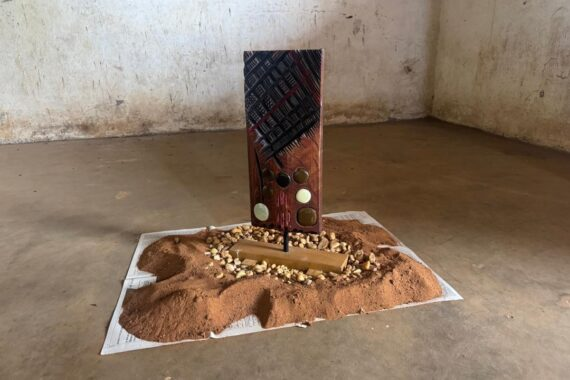
An old building can hold more than dust and silence. In Atakpamé, Togo, an abandoned German colonial structure is finding a new purpose as a space where African cultural expression challenges the weight of history.
Through Conversations: Symbolism and Lifestyle, Ghanaian artists Kojo Biney and Ray Agbo invite audiences to look afresh at the ordinary encounters that bind communities together.
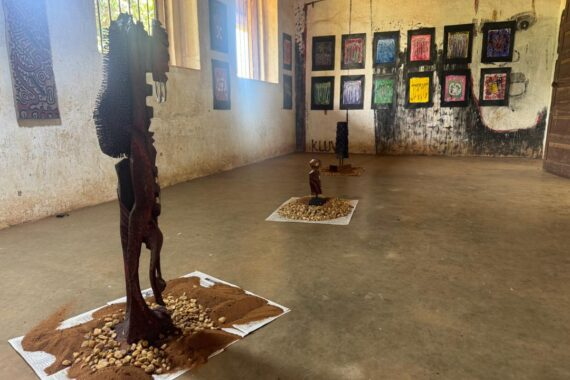
Their paintings and sculptures explore a language that often needs no words: the exchange of kola nuts, bargaining between market traders and customers, and the sharing of palm wine.
These gestures may appear familiar, yet each carries social meaning. They can express welcome, negotiate relationships, establish trust and pass knowledge between generations.
By bringing such moments into the gallery, the artists suggest that culture is not preserved only in museums or ceremonial performances. It lives in everyday interactions.
A building becomes part of the conversation
Presented during the Karp Kamina Artists and Researchers Residency 2026, the exhibition draws on Atakpamé’s cultural landscape, where Ana and Ewe-speaking communities meet. Known as the “city of seven hills”, the town provides a fitting setting for an exploration of identity and shared heritage.
The installation also places paintings alongside newspaper pages, linking artistic interpretation with the ways public events and personal memories become part of the historical record.
Yet the building itself may be the exhibition’s most powerful statement. Once associated with German colonial rule, the structure now houses contemporary African perspectives. Its past is not erased; instead, it becomes part of the encounter.
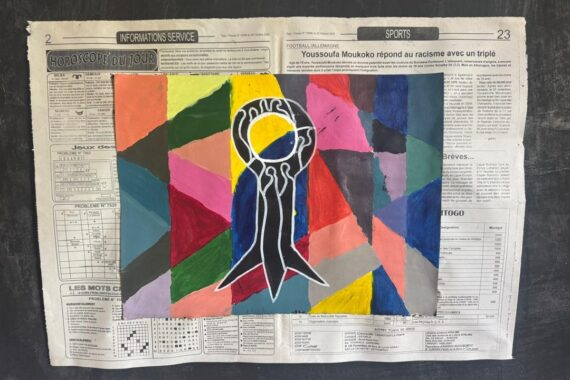
For older visitors, the space may recall another era. For younger audiences, it offers an opportunity to question how history shapes the present.
As the exhibition closes on Friday, October 16, 2026, its lasting invitation is to recognise that heritage is not frozen in time. Like conversation itself, it remains alive through the meanings people continue to create and share.


Funding Fears Loom For Ghana’s Life-Saving Malaria Vaccine Five Years After Roll Out

‘There was a Coordinated Disclosure Plan’: AI-Discovered Flaw in PHP Triggers Global Internet Chaos as Cybercriminals Race to Exploit It

Yandex Strikes: Can Moscow Host Africa Under Drone Threat?
-
 Sights and Sounds2 days ago
Mind Craft Camps Accra Turns School Holidays into Adventures in Creativity and Discovery
-
 Ghana News4 hours ago
Major Sexual Abuse Scandal Rocks Ghana High School: Obuasi School Headmaster Sues Journalist for GH¢2 Million as Investigation Into Alleged Misconduct Widens
-

 Reels & Social Media Highlights20 hours ago
Ghana’s Digital Heartbeat: Outrage, Satire, and the Fight for Accountability
-

 Festivals & Events8 hours ago
Compozers Fest Ghana Edition: Welcoming 2027 with Music in Accra
-
 Taste GH8 hours ago
Airport Residential Area: Where Accra’s Dining Scene Meets Global Flavours
-

 Fashion & Style1 day ago
Wyclef Jean Gives Ghanaian Kaftan a Global Spotlight After ‘Chineke’ Fashion Inspiration
-

 Health & Wellness1 day ago
Beyond Bigger Muscles: Why Strength Training Matters for Healthy Ageing
-

 Health & Wellness20 hours ago
Four Everyday Lifestyle Habits That Can Make Weight Loss Easier