
Culture
Ghana-Inspired Hip-hop Song ‘Went to Ghana’ Trends After IShowSpeed’s Visit


Toronto-born, Jamaican-descended hip-hop artist Zakisha Brown is once again in the spotlight as fans rediscover her Ghana-inspired track, “Went to Ghana.”
This follows YouTube star IShowSpeed’s highly publicised visit to the country. The renewed attention has sparked fresh conversations about Brown’s long-standing connection to Ghana and her role in celebrating African culture through global music.
Zakisha Brown, who has built an international following by blending hip-hop, Caribbean influences, and African-inspired storytelling, has never hidden her admiration for the continent. Her time in Ghana left a deep impression—one that later became the foundation for “Went to Ghana,” a song that praises the country’s people, history, and cultural pride.
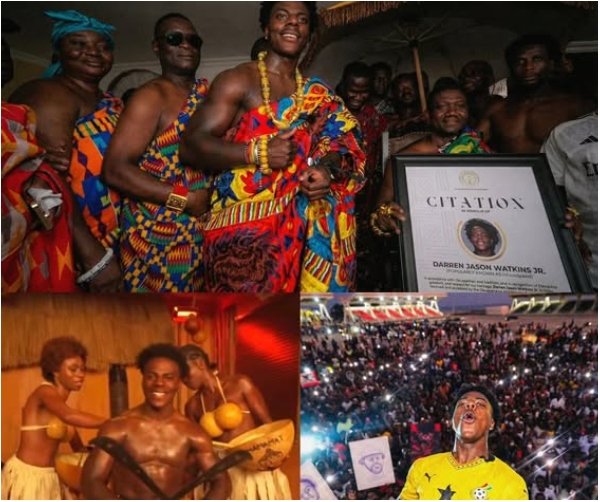
In the track, Brown delivers vivid reflections on Ghanaian identity and excellence, describing a nation defined by confidence, beauty, and heritage. Lyrics from the song highlight themes of Pan-Africanism, Black excellence, and independence, with references to Ghana’s historical role as the first sub-Saharan African nation to gain independence under Kwame Nkrumah. An excerpt of her lyrics went like this:
The women intelligent, beautiful, fit and / The men real gentlemen, so fine, so eloquent / Melanin dipped in elegance / Ghana is so heaven-sent, heaven-sent / Home of real medicine, home of black excellence / Gained independence by Ghana’s first president
Beyond music, Zakisha Brown has used her platform to promote deeper engagement with Africa. Through storytelling and educational initiatives referenced in her work, she has encouraged members of the diaspora to travel, invest, and reconnect with the continent, positioning Africa not just as a destination, but as a shared home.
The resurgence of “Went to Ghana” underscores the song’s staying power and relevance. While IShowSpeed’s visit introduced Ghana to new global audiences, fans have been quick to note that Brown has been celebrating the country for years—long before it became a trending topic online.
As Ghana continues to attract international creatives, influencers, and members of the diaspora, Zakisha Brown’s work stands as an early and authentic example of cultural exchange through music.
Her ability to connect Canada, Jamaica, and Africa in one artistic voice reinforces her reputation as a truly global artist—one whose love for the motherland continues to resonate across continents.










Arts and GH Heritage
Between The Oceans: How Two Hip-Hop Dancers Carry Ancestral Histories In Their Bodies

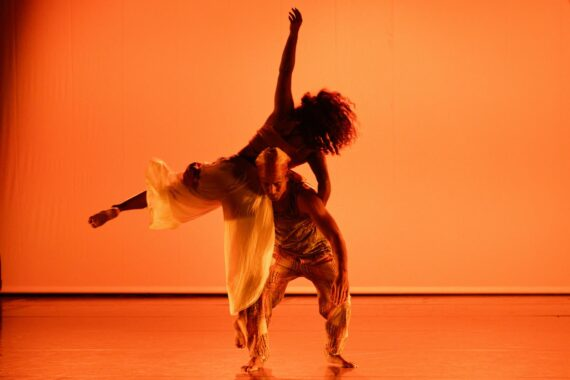
A Berlin dance-theatre collaboration explores African heritage, identity and the cultural memories that travel across generations.
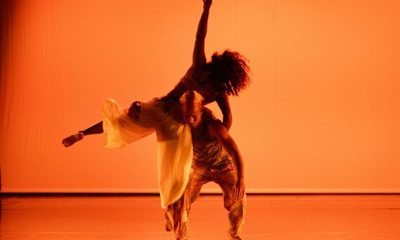
A body can remember what geography separates. In Between the Oceans, a powerful hip-hop dance-theatre duet, two Germany-raised performers turn movement into a conversation about ancestry, belonging and the cultural histories that remain alive long after people leave their ancestral homelands.
Presented at Uferstudios during KUYUM Tanzplattform 2026, the production brings together Tiffani Achilleas and Raphael Moussa Hillebrand, the first urban dancer to win the German Dance Prize.
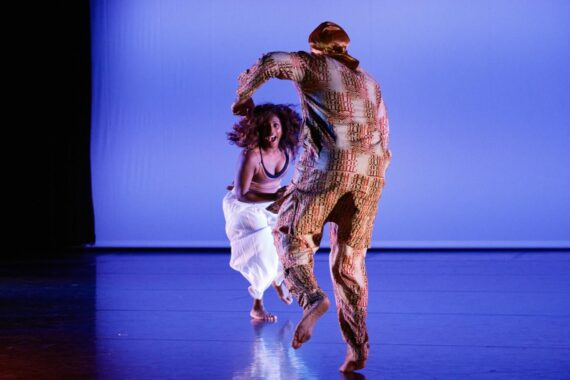
Drawing on journeys to places connected to their family histories, including Benin, Mali, Salvador da Bahia in Brazil and Sri Lanka, the pair explore how inherited identities shape the way people understand themselves.
The performance moves between explosive popping, locking, intricate footwork and intimate storytelling. A slideshow of travel photographs provides a visual record of their journeys, while their spoken accounts reveal the complexities of navigating identity in different societies.
Abroad, they are sometimes perceived as European or white; in Germany, their brown skin can make them targets of racial profiling.
One of the production’s most memorable observations comes from Achilleas: “Culture is only experienced because it’s carried in your body.”
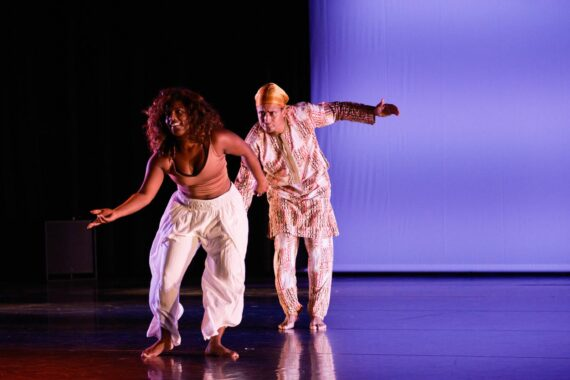
The statement resonates deeply with African heritage, where dance, music, storytelling and ritual have long served as vessels of collective memory.
In Ghana, traditional forms such as Adowa, Kpanlogo and Agbadza carry histories and social meanings through movement, connecting generations beyond spoken words.
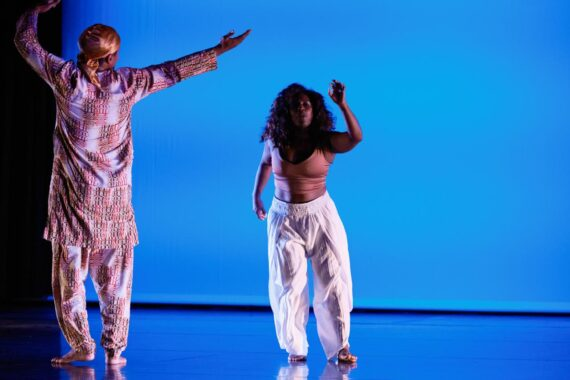
Between the Oceans offers a compelling reminder that heritage is not simply a place people visit or a history they study. It is something they embody, reinterpret and carry forward.
Through their collaboration, Achilleas and Hillebrand show that ancestry can travel across oceans without losing its power to shape the present.
Arts and GH Heritage
1935 Photograph Of Mozambican Boy Reignites Debate Over African Origins Of Fades And Gold Teeth

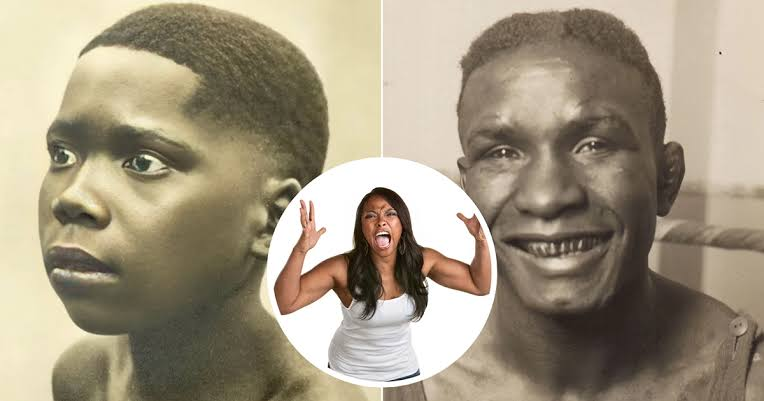
A historical photograph of a young Tsonga boy in Mozambique, dating back to 1935, has reignited an online debate about the African roots of hairstyles and fashion trends commonly associated with Black American culture, including fade haircuts and gold teeth.
The photograph, taken in the area around Xai-Xai in present-day Mozambique, shows a boy wearing a closely shaved hairstyle with a carefully shaped section of hair that bears a striking resemblance to modern fade haircuts.
Its circulation on social media has prompted questions about its authenticity, with some users even suggesting it could be AI-generated. However, historical archive records identify the image as an authentic 1935 photograph of a Tsonga boy.
The discovery has drawn attention amid longstanding tensions surrounding the Foundational Black American (FBA) movement, promoted by American commentator Tariq Nasheed.
Established around the idea of recognising the distinct lineage and historical experiences of Black Americans descended from enslaved people in the United States, the movement has frequently featured debates about cultural identity, historical ownership and reparations. Some prominent voices associated with the movement have also faced criticism over claims that Africans had little or no influence on cultural practices and styles embraced by Black Americans.
The Mozambican photograph has provided fresh material for those challenging such arguments, particularly regarding the history of African hairstyling.
Across the continent, hairstyles have long served as expressions of identity, social standing, age, community affiliation and artistic creativity. African societies developed intricate braiding techniques, cornrows, shaved patterns and sculpted hairstyles centuries before many contemporary styles became popular internationally.
The debate has also extended to gold teeth and decorative dental jewellery. Gold has a particularly long and distinguished history in West Africa, especially among Akan communities in present-day Ghana and Côte d’Ivoire.
For centuries, Akan goldsmiths developed sophisticated techniques for transforming the precious metal into royal regalia, jewellery and personal ornaments. Gold carried associations with authority, wealth, prestige and spiritual significance, with historical examples preserved in museum collections around the world.
However, the historical use of gold in African adornment does not establish a direct connection between traditional Akan jewellery and modern American gold grills. The latter developed within a distinct cultural setting, particularly through hip-hop and wider Black American popular culture.
The renewed discussion highlights the importance of distinguishing between cultural influence, parallel traditions and independent innovation. African and African-American communities have developed distinctive cultural expressions, while also sharing historical connections that cannot always be separated neatly.
Black Americans have made significant contributions to global music, fashion, language and popular culture. Equally, Africa’s cultural history extends far beyond the narratives often presented in contemporary debates about Black identity.
Rather than turning the 1935 photograph into another confrontation over cultural ownership, historians and cultural enthusiasts have an opportunity to examine the rich traditions of African hairstyling and personal adornment.
The image offers a reminder that styles recognised around the world today often have histories far older and more geographically diverse than modern cultural debates suggest.
Arts and GH Heritage
The Stories Family Photographs Leave Behind: Ezra Appiah Reimagines Memory and Belonging
A family photograph may capture a wedding, a birthday or several generations gathered beneath one roof, but what happens to the moments that never make it into the frame?
The disagreements, private struggles, absences and complicated relationships are just as much a part of family history, yet they rarely find a place in the carefully preserved album.
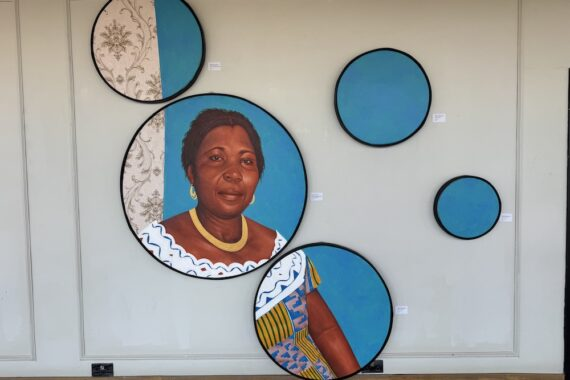
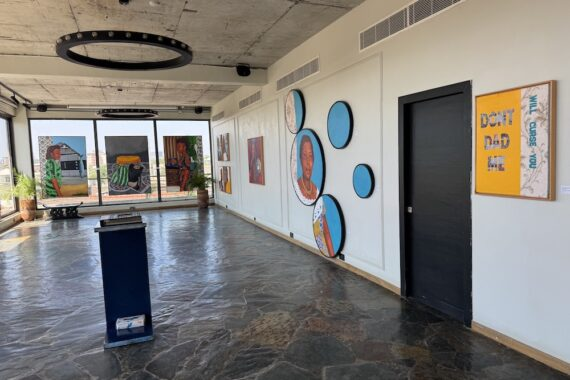
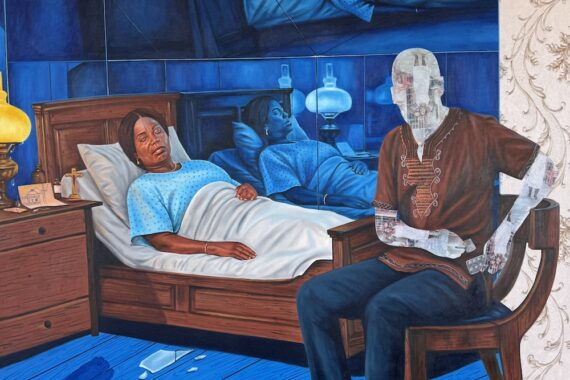
It is this gap between appearance and reality that Ghanaian artist Ezra Appiah explores in Family Album: A New and a Reborn Version, a solo exhibition at Mix Art Gallery in Accra.
Beyond the Picture-Perfect Family
For many Ghanaian households, family photographs carry considerable emotional and cultural significance. They document naming ceremonies, marriages, funerals and reunions, becoming treasured records passed between generations.
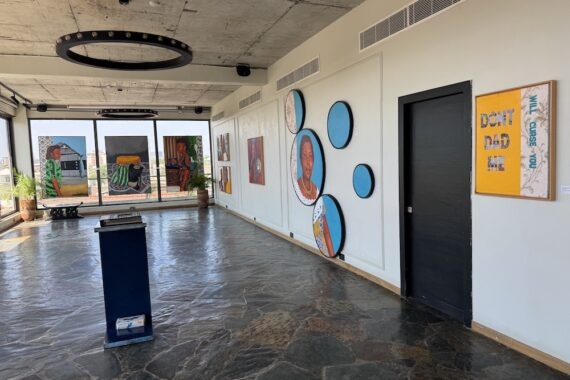
They also help families maintain connections with relatives who have migrated abroad or live far from home.
Yet photographs are selective. They preserve particular versions of events while leaving other experiences outside the frame.
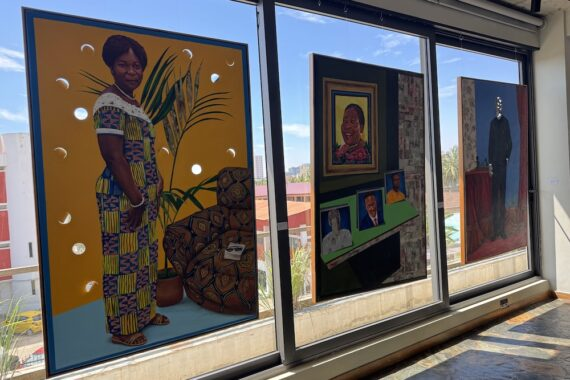
Drawing on childhood recollections and archival family photographs, Appiah uses montage to bring different moments together, reconstructing narratives that challenge conventional ideas of domestic happiness and belonging.
Giving Silence a Place in Family History
A 2024 Absa L’Atelier Art Ambassador, Appiah approaches photography as a tool for questioning memory rather than simply documenting it.
His work draws attention to overlooked experiences, suggesting that family identity is shaped as much by absence and silence as by shared celebrations.
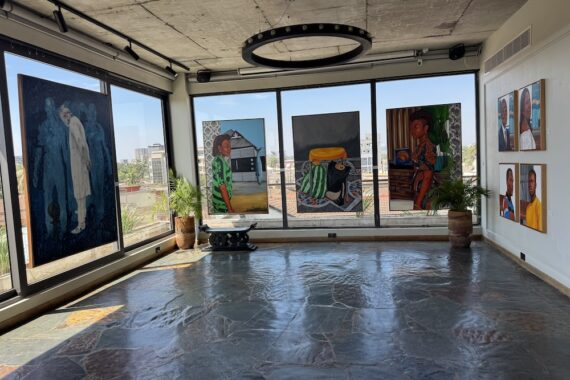
For audiences in Ghana and beyond, the exhibition offers an opportunity to reconsider the photographs inherited from parents and grandparents. What do these images reveal, and what have generations chosen not to discuss?
Family Album: A New and a Reborn Version invites visitors to confront those questions before its closing on November 27, 2026.


Accra Fashion Week Plans Buyer-Distribution System To Turn African Designers Into Commercial Success Stories

Between The Oceans: How Two Hip-Hop Dancers Carry Ancestral Histories In Their Bodies

‘We Need Justice’: Families Demand Accountability After Best Friends from Ghana Die in Wrong-Way Crash in Canada
-
 Arts and GH Heritage5 hours ago
Between The Oceans: How Two Hip-Hop Dancers Carry Ancestral Histories In Their Bodies
-

 Arts and GH Heritage2 days ago
1935 Photograph Of Mozambican Boy Reignites Debate Over African Origins Of Fades And Gold Teeth
-

 Global Update2 days ago
Content Creation Is Now a College Degree: Universities Turn Influencing Into a Professional Career Path
-
 Ghana News17 hours ago
‘We Need Justice’: Families Demand Accountability After Best Friends from Ghana Die in Wrong-Way Crash in Canada
-
 Fashion & Style5 hours ago
Accra Fashion Week Plans Buyer-Distribution System To Turn African Designers Into Commercial Success Stories