
Uncategorized
UCC Medical Star Henry Arnold Gyamfi Sweeps 10 Awards at 2025 Graduation


Henry Arnold Gyamfi, a brilliant graduate from the University of Cape Coast (UCC) School of Medical Sciences, made history at the 2025 congregation.
The new graduate secured 10 out of 25 available awards, showcasing exceptional academic and clinical excellence.
The former student of T.I. Ahmadiyya Senior High School and trained Physician Assistant swept prizes, including:
- Best Graduating Student in Community Medicine;
- Best Graduating Student in Obstetrics & Gynaecology;
- Best Graduating Student in Paediatrics;
- Best Graduating Student in Internal Medicine;
- Best Graduating Student in Radiology;
- Best Graduating Student in Neuroscience;
- Best in Clinical Examination;
- Best Graduating Male Student;
- Best Male Medical Student; and the coveted
- Overall Best Performance award.
Sponsored throughout his medical studies by Asantehene Otumfuo Osei Tutu II, Gyamfi expressed gratitude for the support that enabled his achievements.
He plans to complete housemanship before specializing in internal medicine with a subspecialty in cardiology, aiming to contribute to Ghana’s healthcare system.
UCC Vice-Chancellor Prof. Rosemond Boohene praised Gyamfi as an inspiration for aspiring medical professionals, stressing dedication and perseverance.
His remarkable feat underscores the high standards of medical training in Ghana and the impact of royal patronage on education.



Ghana News
Ghana’s New Road Traffic Regulations 2026: The Full List of Offences, Fines, and Penalties
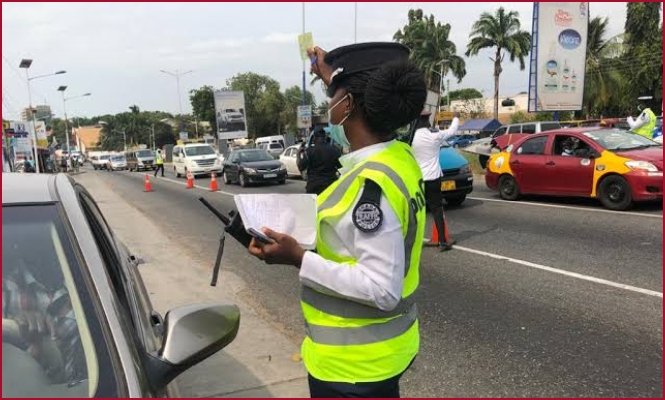
Ghana’s new Road Traffic Regulations, 2026 (L.I. 2519), prescribe fines and, in some cases, imprisonment for a range of road traffic offences, including illegal racing, jumping red lights, improper parking, disobeying traffic officers, and using television monitors while driving.
The regulations also introduce provisions on automated enforcement, allowing offences detected by traffic enforcement devices to attract graduated fines and, after repeated violations, possible suspension or revocation of a driver’s license.
A 14-page offences schedule prepared by D/Sgt. Nana Kwadwo Otibu-Gyan of the Legal and Prosecution Unit, RHQ/Ho, outlines several of the offences and penalties under the regulations. Below are some of the key provisions.
Stop signs, red lights and racing
1. Street racing, drag racing and speed competitions – Section 221
- Driving, or permitting another person to drive, in a race, speed competition, or endurance test on a road attracts a fine of 10 to 25 penalty units, imprisonment for up to 30 days, or both.
- Participating in an unauthorized race under Section 221(2) attracts the same penalty.
2. Failure to stop at STOP or YIELD signs – Section 222
- Under Sections 222(1) to 222(6), failing to stop or yield the right of way at an intersection marked by a STOP or YIELD sign, or failing to stop before a pedestrian crossing, attracts a fine of 10 to 30 penalty units, imprisonment for up to 30 days, or both.
- Approaching a YIELD sign without slowing down under Section 222(2) attracts the same penalty.
3. Jumping a red light – Section 222(7)–(8)
- Jumping a red light at a signalized intersection attracts a fine of 10 to 30 penalty units, imprisonment for up to 30 days, or both.
4. Railway crossings – Section 223
- Failing to stop within the prescribed distance of a railway line at a level crossing, or proceeding before it is safe to do so, attracts a fine of 5 to 25 penalty units or imprisonment for up to 30 days.
- Walking, driving or riding through, around or under a closed railway gate under Section 223(3) attracts the same penalty.
Overtaking, traffic officers and restricted parking
1. Overtaking at pedestrian crossings – Section 224
- Overtaking a vehicle that has stopped at a pedestrian crossing to allow a pedestrian to cross attracts a fine of 10 to 25 penalty units or imprisonment for up to 30 days.
- Failing to slow down when approaching a marked pedestrian crossing under Section 224(2) attracts the same penalty.
2. Disobeying traffic control officers or devices – Section 226(3)
- Disobeying a traffic control officer or traffic control device attracts a fine of 10 to 25 penalty units or imprisonment for up to 30 days.
3. Unauthorized use of bus stops or taxi stands – Section 227(3)
- Using a bus stop or taxi stand without authorisation attracts a fine of 10 to 25 penalty units or imprisonment for up to 30 days.
4. Parking in spaces reserved for persons with disabilities – Section 228(3)
- Parking in a space reserved for persons with disabilities without entitlement attracts a fine of up to 25 penalty units, imprisonment for up to eight months, or both.
Processions, funerals and public transport
1. Driving in a procession without obeying the rules – Section 229(2)
- Driving in a procession without complying with the applicable rules attracts a fine of 10 to 25 penalty units or imprisonment for up to 30 days.
2. Driving through a funeral or authorized procession – Section 230(3)
- Driving through a funeral or other authorized procession attracts a fine of 10 to 25 penalty units or imprisonment for up to 30 days.
3. Stopping or parking buses and taxis outside designated areas – Section 231(4)
- Stopping or parking a bus or taxi outside a designated stop or stand attracts a fine of 10 to 25 penalty units or imprisonment for up to 30 days.
4. Failure to provide facilities for persons with disabilities on public transport – Section 232(2)
- Failure to provide the required facilities for persons with disabilities on public transport attracts a fine of 10 to 25 penalty units or imprisonment for up to 30 days.
Parking offences – Section 235
Section 235 sets out several offences relating to improper parking:
- Parking contrary to traffic signs or near junctions – Section 235(1): Parking contrary to a traffic sign or within a prohibited distance of a junction attracts a fine of 10 to 25 penalty units or imprisonment for up to 30 days.
- Parking in front of building entrances or exits – Section 235(1)(d)–(e): Parking in front of a building entrance or exit attracts the same penalty.
- Parking contrary to instructions in designated parking areas – Section 235(2): Parking in a designated parking area contrary to the applicable instructions attracts a fine of 10 to 25 penalty units or imprisonment for up to 30 days.
- Parking in prohibited areas – Section 235(3): Parking in a loading area, a reserved permit-holder bay, on slip roads, a hard shoulder or central reserve, or near a junction, bend or crossing in a manner that obscures a traffic sign attracts a fine of 10 to 25 penalty units or imprisonment for up to 30 days.
- Double parking – Section 235(4): Parking abreast of another vehicle, commonly referred to as double parking, attracts the same penalty.
- Parking in an area designated for another category of vehicle – Section 235(5): Parking in an area designated for a different category of vehicle attracts a fine of 10 to 25 penalty units or imprisonment for up to 30 days.
Billboards, television monitors and automated fines
1. Outdoor advertising signs obstructing traffic controls – Section 236(3)
- An outdoor advertising sign that interferes with traffic or obscures a traffic sign or device attracts a fine of 25 to 50 penalty units or imprisonment for up to three months.
2. Operating a television monitor while driving – Section 237(2)
- Using or operating a television monitor on the dashboard of a vehicle while it is in motion attracts a fine of up to 25 penalty units, imprisonment for up to 30 days, or both.
3. Automated road traffic offences – Section 242(12)
- The regulations provide for offences detected by Traffic Enforcement Devices, including cameras, to attract graduated automated fines. The schedule provides for:
- First to third offence: 10 penalty units (GH¢120)
- Fourth offence: 15 penalty units (GH¢180)
- Fifth offence: 20 penalty units (GH¢240)
- Sixth offence within 24 months: Possible court-ordered licence revocation or suspension for a minimum of 12 months, together with retraining and retesting.
General penalty – Regulation 243
Regulation 243 provides a general penalty where the regulations do not prescribe a specific punishment for a particular contravention. According to the schedule, such an offence attracts a fine of 10 to 50 penalty units, imprisonment for up to eight months, or both.
Penalty point system
Regulation 244 also allows a court to order retraining for offences involving carelessness, recklessness, or willful disregard of the regulations, in addition to any fine or imprisonment imposed.
Other offences
- Washing or repairing vehicles on the road – Section 139(3)(b): Washing or repairing a vehicle on a road attracts a fine of 25 penalty units or imprisonment for up to 30 days.
- Preaching or hawking on a moving public or commercial vehicle – Section 141: Preaching or hawking on a moving public or commercial vehicle attracts a fine of 10 to 50 penalty units or imprisonment for up to eight months.
- Selling goods on or alongside roads – Section 142(1): Selling goods on or alongside a road, on a pedestrian walkway, or near a railway crossing attracts a fine of up to 50 penalty units or imprisonment for up to three months.
The schedule also lists other offences covering areas including tyres, brakes, learner drivers, and vehicle and driver requirements.
The Road Traffic Regulations, 2026 (L.I. 2519), are now in force, and the offences schedule is being used as a reference for enforcement and prosecution. The provisions mean that motorists and other road users could face not only fines but, depending on the offence, imprisonment or additional measures such as retraining, retesting, and license suspension.
Authored by D/Sgt. Nana Kwadwo Otibu-Gyan, Legal & Prosecution Unit, RHQ/Ho.
25 Key Offences Under Ghana’s New Road Traffic Regulations, 2026 (L.I. 2519)
Penalty units are as prescribed under L.I. 2519. Most offences carry a fine, a jail term, or both, at the court’s discretion.
| # | Offence | Regulation | Penalty (fine / imprisonment) |
|---|---|---|---|
| 1 | Using a mobile phone while driving | Reg. 132 | Up to 50 units, up to 3 months, or both |
| 2 | Driving under the influence of alcohol or drugs | Reg. 131 | 50 to 200 units, up to 40 months, or both |
| 3 | Jumping a red light | Reg. 222(7)-(8) | 10 to 30 units, up to 30 days, or both |
| 4 | Failing to stop or yield at STOP and YIELD signs | Reg. 222 | 10 to 30 units, up to 30 days, or both |
| 5 | Street racing, drag racing and speed competitions | Reg. 221 | 10 to 25 units, up to 30 days, or both |
| 6 | Speeding, exceeding the prescribed limit | Reg. 212 | 10 to 25 units, up to 30 days, or both |
| 7 | Failing to slow down in dangerous conditions | Reg. 213 | 50 to 100 units, 3 to 6 months, or both |
| 8 | Breaking railway crossing rules | Reg. 223 | 5 to 25 units, up to 30 days, or both |
| 9 | Overtaking at a pedestrian crossing | Reg. 224 | 10 to 25 units, up to 30 days, or both |
| 10 | Disobeying traffic control officers or devices | Reg. 226 | 10 to 25 units, up to 30 days, or both |
| 11 | Failing to wear a seat belt | Reg. 144 | 10 to 50 units, up to 8 months, or both |
| 12 | Riding without a helmet or reflective clothing | Reg. 109 | 25 to 50 units, 1 to 3 months, or both |
| 13 | Driving without warning triangles or approved devices | Reg. 108 | 25 to 50 units, 30 days to 3 months, or both |
| 14 | Driving with a tinted front windscreen | Reg. 92 | 25 to 50 units, 1 to 3 months, or both |
| 15 | Using unsafe or worn-out tyres | Reg. 87 | 25 to 50 units, 30 days to 3 months, or both |
| 16 | Driving without a fire extinguisher and first-aid kit | Reg. 94 | 10 to 25 units, up to 30 days, or both |
| 17 | Overloading a vehicle | Reg. 118 | 25 to 50 units, up to 3 months, or both |
| 18 | Operating commercial motorcycles or tricycles without authorization | L.I. 2519 | Operator: 50 to 100 units, 8 to 24 months, or both. Rider: 25 to 50 units, up to 8 months, or both |
| 19 | Overcharging passengers | Reg. 180 | 10 to 25 units, up to 30 days, or both |
| 20 | Stopping or parking buses and taxis outside designated areas | Reg. 231 | 10 to 25 units, up to 30 days, or both |
| 21 | Boarding or alighting at unauthorized places | Reg. 204 | Up to 5 units, up to 7 days, or both |
| 22 | Jaywalking or failing to use a footbridge | Reg. 203 | Up to 5 units, up to 7 days, or both |
| 23 | Improper parking | Reg. 228, 235 | 10 to 25 units, up to 30 days, or both. Disability bays: up to 25 units, up to 8 months, or both |
| 24 | Preaching or hawking in a moving public or commercial vehicle | Reg. 141 | 10 to 50 units, up to 8 months, or both |
| 25 | Selling goods on roads and walkways, or washing or repairing a vehicle on the road | Reg. 142, 139 | Selling: up to 50 units, up to 3 months, or both. Washing or repairing: up to 25 units, up to 30 days, or both |
Automated enforcement: Under Regulation 242, offences detected by Traffic Enforcement Devices carry graduated fines: 10 penalty units for the first, second and third offences, 15 units for a fourth and 20 units for a fifth. A sixth offence within 24 months can result in court proceedings, license suspension or revocation for at least 12 months, plus retraining and retesting.
Source: Road Traffic Regulations, 2026 (L.I. 2519).

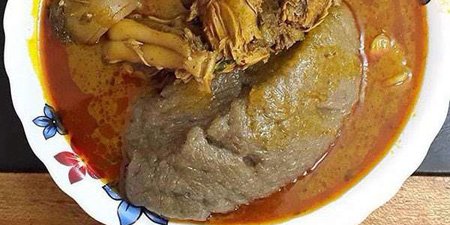
One spoonful is enough to understand why this northern Ghanaian favourite has stood the test of time.
Konkonte, a soft swallow made from dried cassava flour, has long been a comforting staple across Ghana. In the Upper West, Upper East and Northern regions, however, it reaches another level when paired with dawadawa soup, a deeply savoury dish built around fermented African locust beans.
The first thing that announces the meal is its aroma. Dawadawa carries a bold, earthy scent that fills the air long before the soup reaches the table.
Its fermented richness creates an intense umami flavour that many Ghanaians compare to the role soy sauce plays in Asian cooking, adding depth, warmth and character to every spoonful.
The smooth, slightly elastic texture of konkonte makes it the perfect partner. As it is dipped into the soup, it absorbs the rich broth, creating a hearty bite that is both filling and satisfying.
The combination has nourished farming communities for generations, offering an affordable meal packed with flavour and tradition.
Beyond its comforting taste, the dish also carries nutritional appeal. Cassava provides energy, while fermented locust beans contribute plant-based protein and beneficial compounds that have made dawadawa a valued ingredient in West African kitchens for centuries.
For visitors eager to discover Ghana beyond familiar favourites like jollof rice or waakye, konkonte with dawadawa soup offers something unforgettable. It is a meal that speaks of northern heritage, resourcefulness and the enduring power of ingredients perfected through tradition.


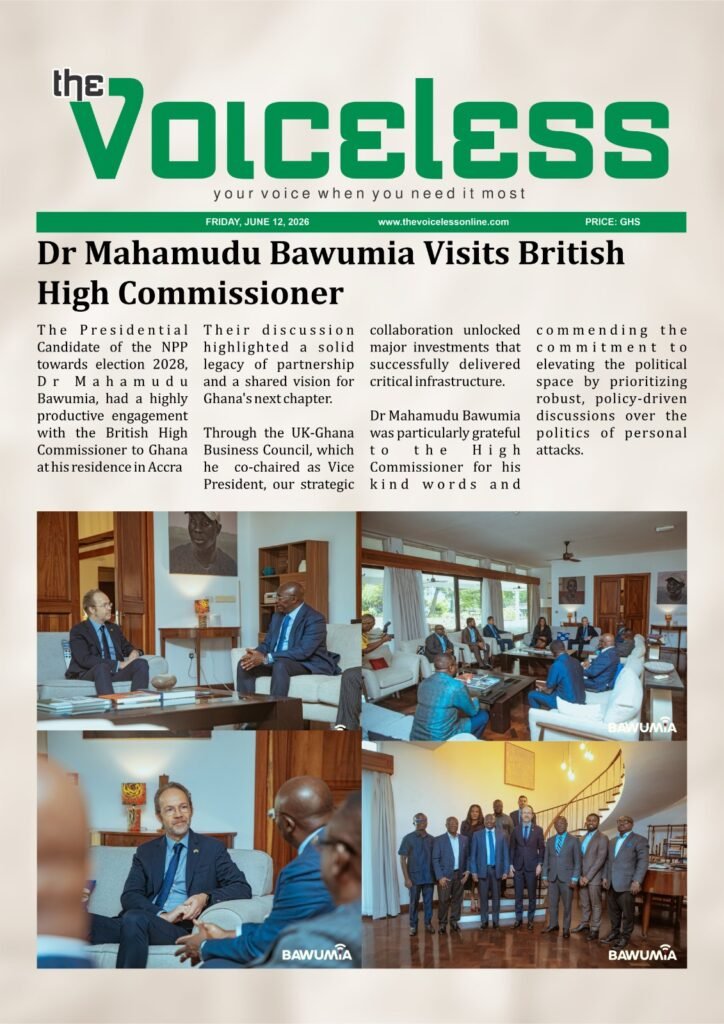
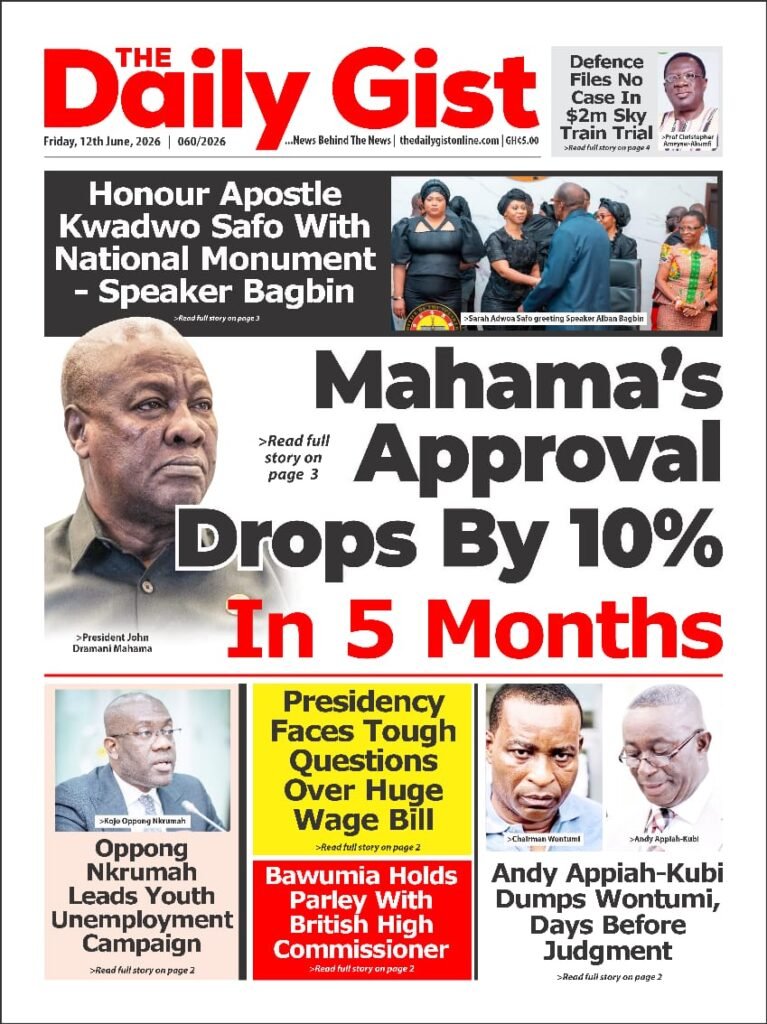
Friday, June 12, 2026. Stay informed with today’s front pages of Ghanaian newspapers, all in one place.


















-

 Ghana News2 days ago
OBITUARY: Gamal Gorkeh Nkrumah, Son of Ghana’s Founding President, Dies in Cairo
-

 Festivals & Events2 days ago
MaddFest 2027: Welcome the New Year with a Night of Celebration in Accra
-
 Health & Wellness2 days ago
Walking Is More Than Exercise: Small Steps That Can Transform Your Health
-
 Arts and GH Heritage2 days ago
Inside Togo’s Abandoned Colonial Building, African Artists Reclaim Cultural Memory
-

 Global Update2 days ago
Wave of Student Killings at Mexico Universities Raises Safety Concerns
-

 Ghana News2 days ago
Mahama to Churches: The Real Sermon Is Written After the Closing Prayer
-

 Reels & Social Media Highlights1 day ago
Ghana’s Timeline Erupts: Showboy’s Crude Plea, Asantewaa’s Silence, and a Nation Divided
-

 Taste GH17 hours ago
Simple, Nourishing and Rooted in Tradition: Discover Ghana’s Kapala