
Fashion & Style
Gabrielle Henry Takes Miss Universe to Court Over Traumatic Stage Fall


When former Miss Universe Jamaica Gabrielle Henry stepped onto the Bangkok stage for the 2025 preliminary presentation, her floor-length evening gown was meant to capture global elegance.
Instead, a five-foot drop through an unmarked gap in the staging shattered the illusion of pageantry glamour, turning a high-fashion moment into a fight for her life and career.
Behind the sweeping silhouettes and glittering fabrics of international pageants lies a rigorous, high-stakes workplace.
Henry, an ophthalmology resident who suffered a traumatic brain injury and subarachnoid haemorrhage during the fall, has filed a legal action in Delaware Superior Court against the Miss Universe Organization, JKN Legacy Inc., and Legacy Holding Group USA.
The lawsuit highlights a critical conversation across global creative industries: the safety of fashion’s physical environments.
For African and Caribbean beauty queens, the runway serves as a platform for global representation and cultural influence.
Yet, as Henry alleges that intense stage lighting obscured an uncovered hole containing equipment and concrete, the glitter of the evening gown segment gives way to questions about production ethics.
The contrast between haute couture expectations and inadequate infrastructure reveals how quickly glamour collapses when basic safety protocols fail.
As Henry seeks damages for lost earning capacity and medical expenses, her case forces the fashion and pageantry worlds to look beyond aesthetic perfection.
The incident underscores that true elegance cannot exist without the structural integrity to support the women who bring these designs to life.












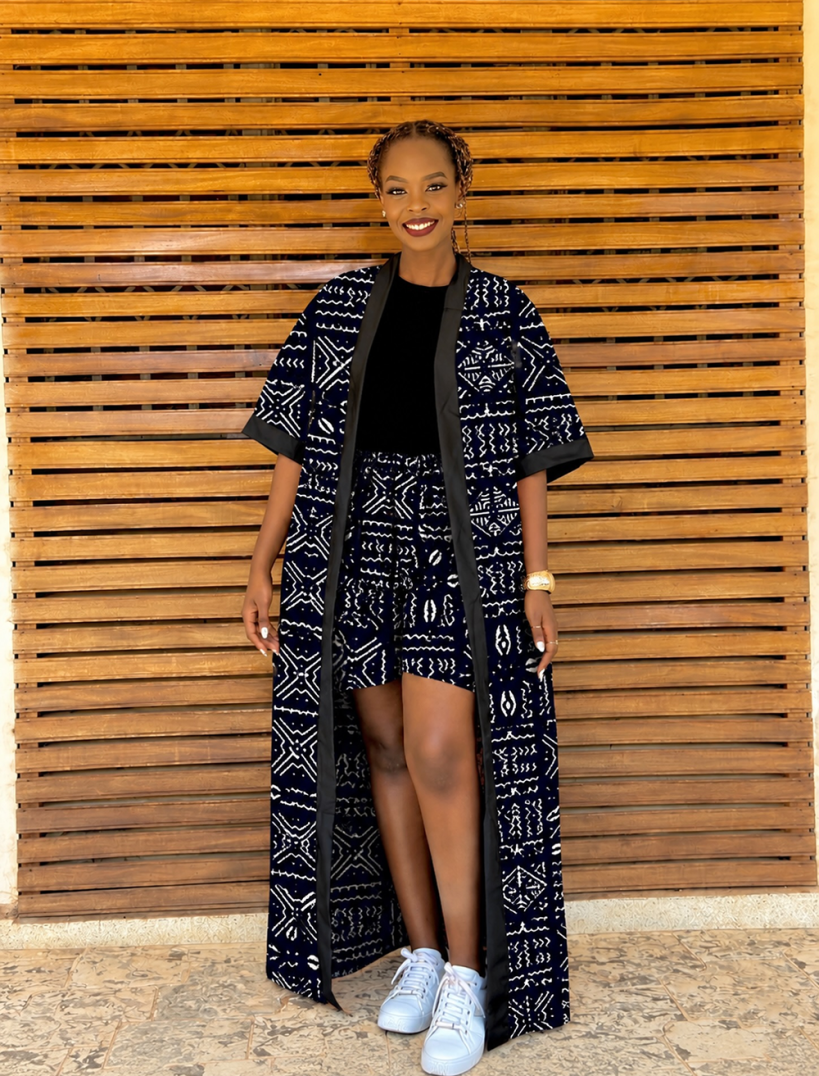
The heavy silk gowns and elaborate headwraps can stay in the closet. Across Accra, Johannesburg, and London, a quiet revolution is redefining how African fashion moves through the world, proving that iconic prints do not require a grand occasion or a red carpet to make a statement.
For decades, wax prints and traditional textiles were reserved for ceremonial grandeur—weddings, funerals, and Sunday services where every accessory had to match precisely.
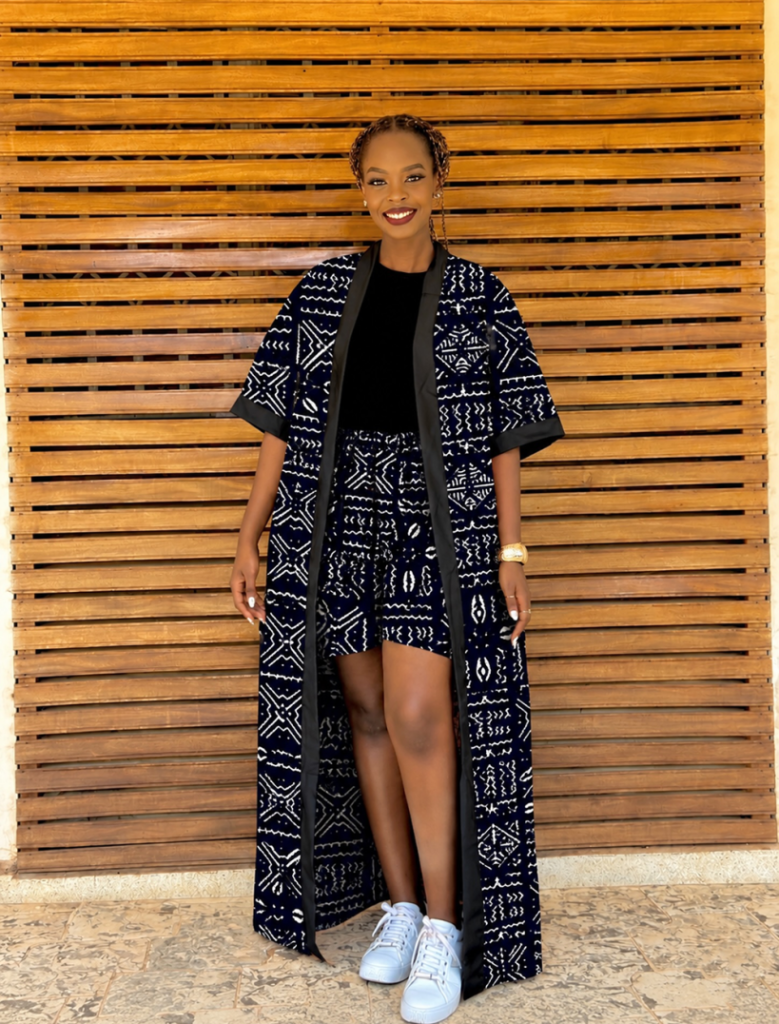
Today, stylish youth are dismantling those rigid rules by integrating bold fabrics into their everyday urban uniforms.
The modern approach relies on contrast: letting a single patterned garment take center stage while dialing back the surrounding elements.
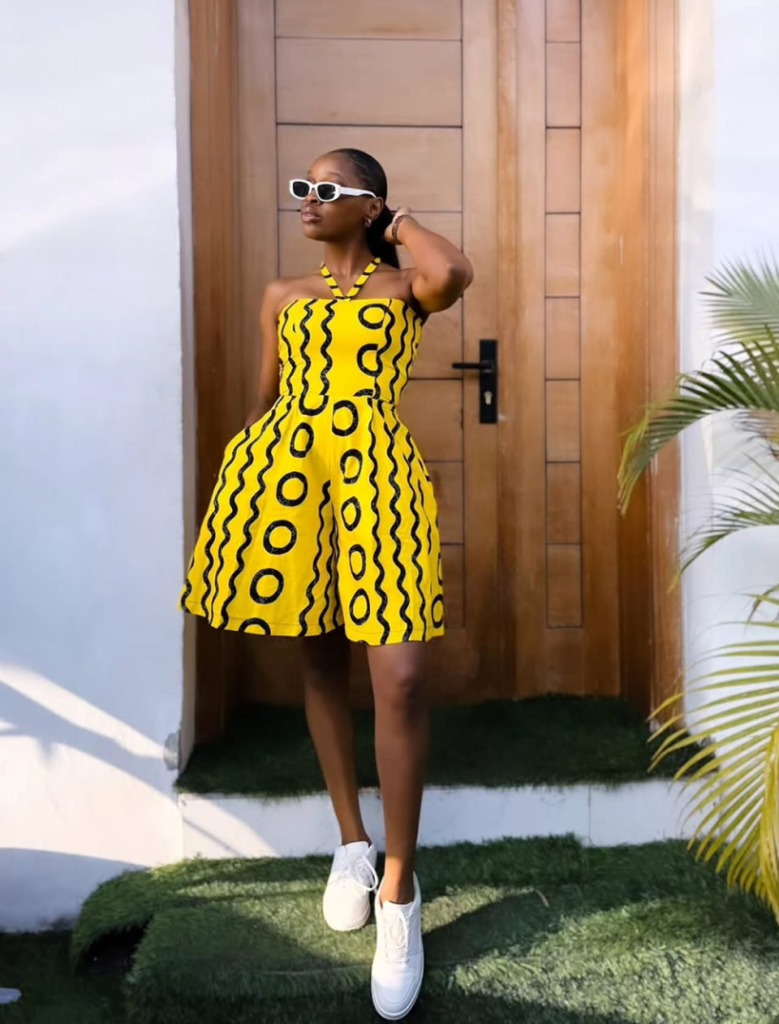
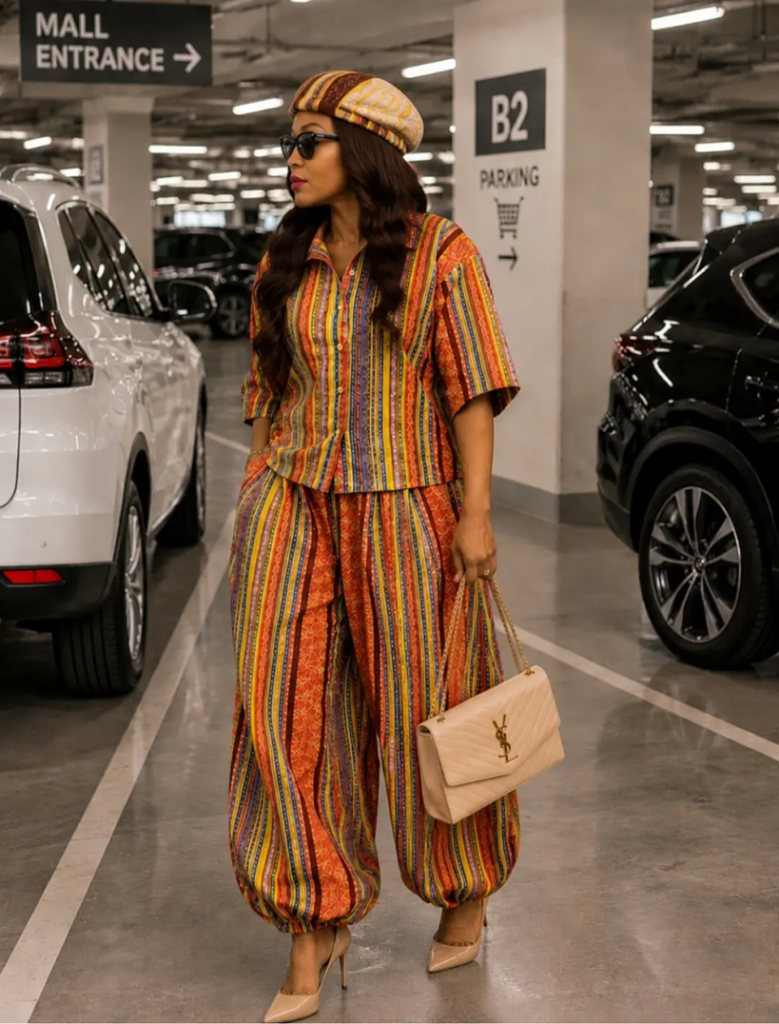
Achieving this effortless balance is surprisingly straightforward. A vivid Ankara top paired with broken-in denim and crisp white sneakers instantly converts formal heritage into street-ready style.
Swapping heels for flat slides transforms a structured co-ord set into a relaxed brunch outfit. Instead of matching every shade in the fabric, fashion-forward dressers anchor the look with clean neutrals like black, white, or raw denim, allowing the print to breathe.
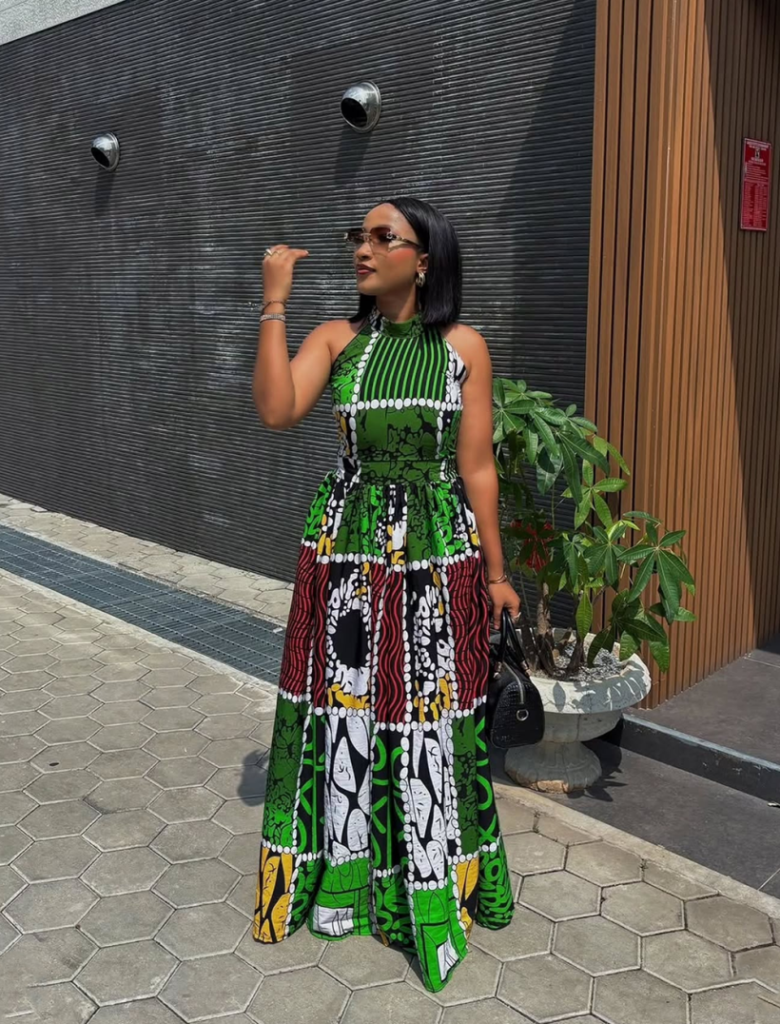
Accessories are evolving alongside the clothing. Beaded bags, raffia totes, chunky wooden necklaces, and waist beads are no longer viewed strictly as traditional regalia.
Instead, they function as dynamic accents that inject texture and personality into everyday basics like a plain white T-shirt.
This shift represents a fundamental evolution in how African identity is expressed globally. African fashion is no longer anchored solely to pomp and ceremony; it is an adaptable, living aesthetic that moves comfortably through daily life, one pair of sneakers at a time.
Fashion & Style
When Aesthetics Backfire: What the Converse Imagery Controversy Teaches the Global Style Industry
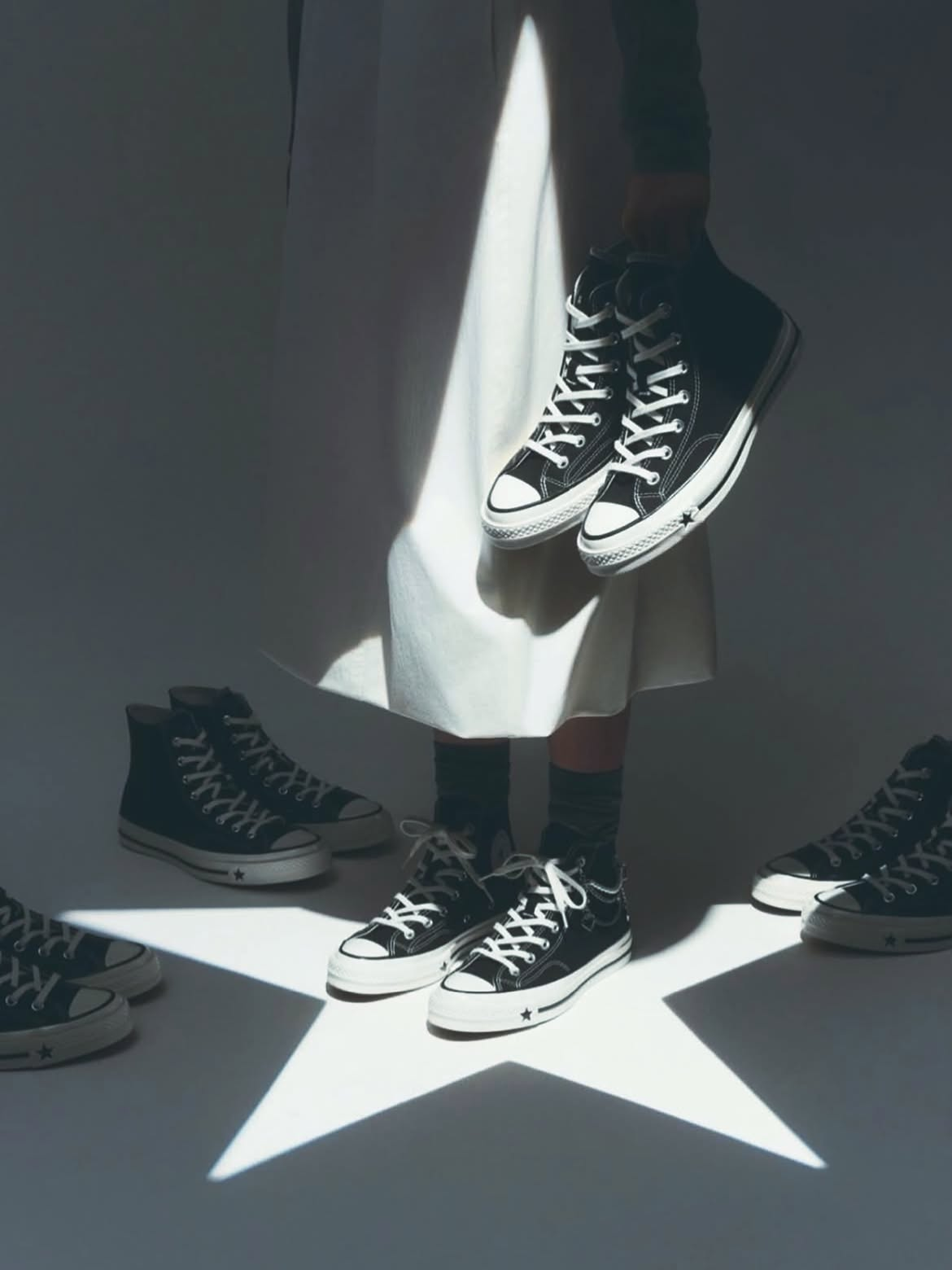
When global footwear powerhouse Converse launched its latest Chuck 70 X campaign, the goal was clear: capture futuristic streetwear energy using international star power.
Fronted by K-pop idol KARINA of aespa, the visual rollout aimed to solidify the sneaker’s cross-cultural dominance.
Instead, an unforeseen visual coincidence triggered an intense debate around creative oversight, historical trauma, and the limits of brand messaging.
The storm erupted over an ad photo featuring KARINA draped in white beneath sharp, angular lighting, holding high-top sneakers.
Online critics quickly pointed out that the shadowed silhouette created an uncanny resemblance to a Ku Klux Klan hood, while the dangled shoes evoked painful historical associations with lynching imagery.
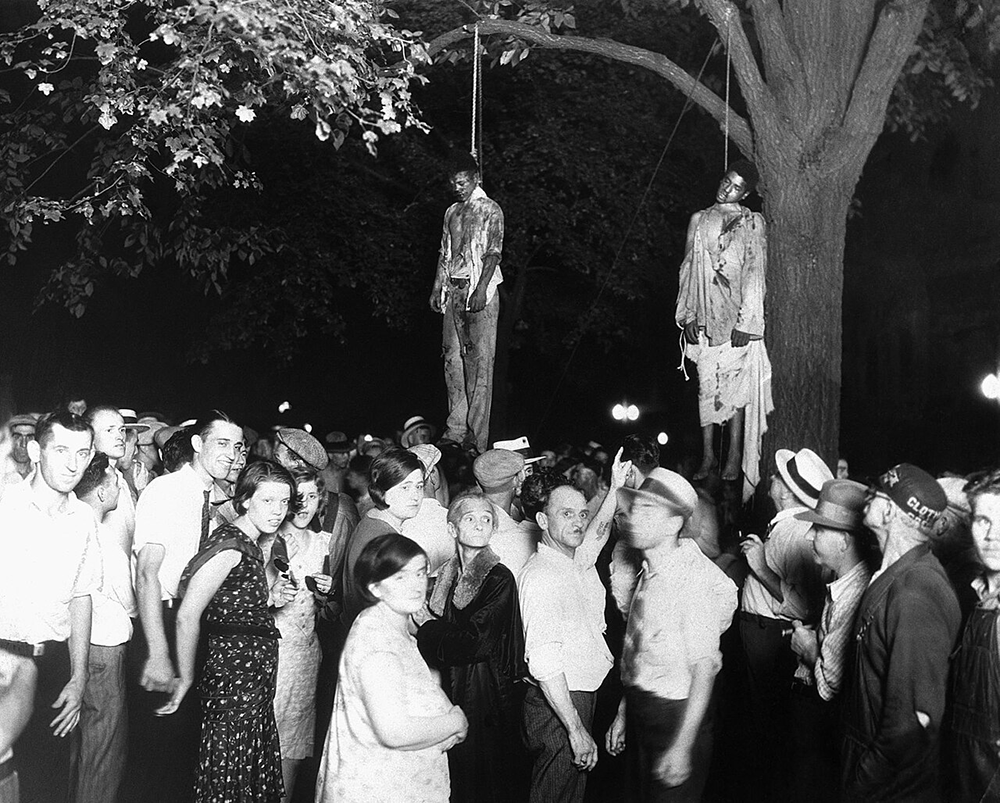
As social media amplified these comparisons, a second resurfaced image from a Palmes collaboration—showing shoes suspended near a tree branch—only deepened public outrage.
Converse swiftly pulled the imagery, admitting they “got this wrong” and issuing a formal apology.
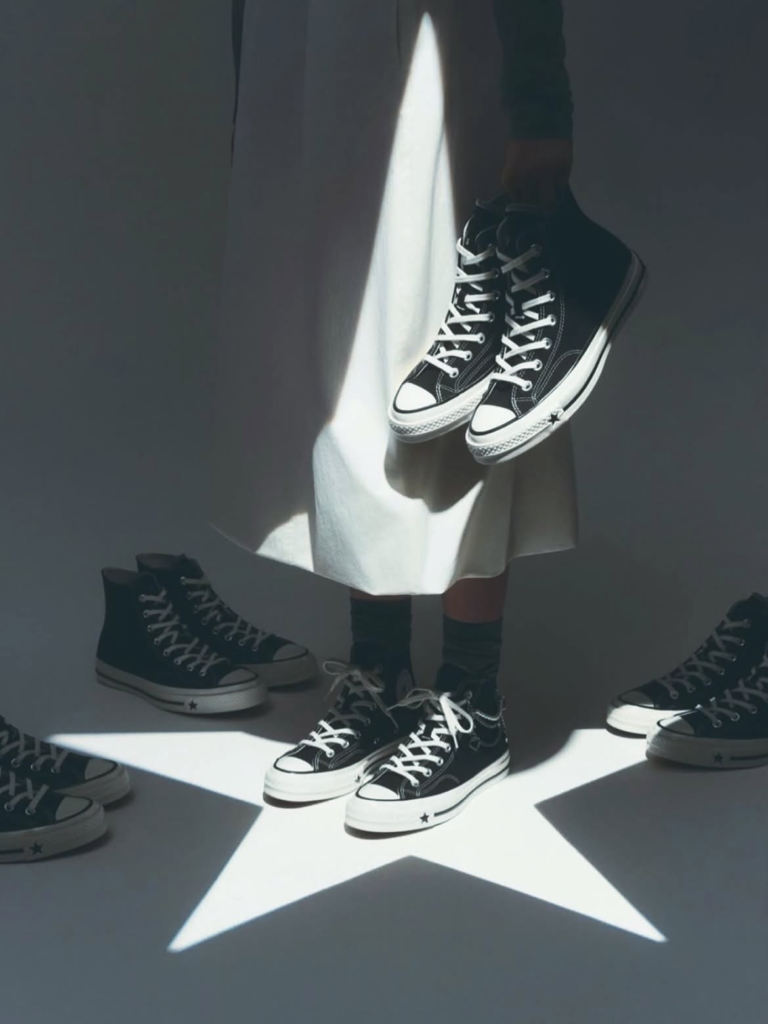
Yet, the incident exposes a crucial blind spot in fashion marketing: how multi-layered corporate approval processes can fail to vet imagery against historical and cultural contexts.
While many acknowledge the visual was likely an unintended optical oversight rather than malice, the impact remains.
In fashion, aesthetics never exist in a vacuum. A campaign’s ultimate meaning isn’t defined by the creative team’s intent, but by how global audiences interpret the symbolism.
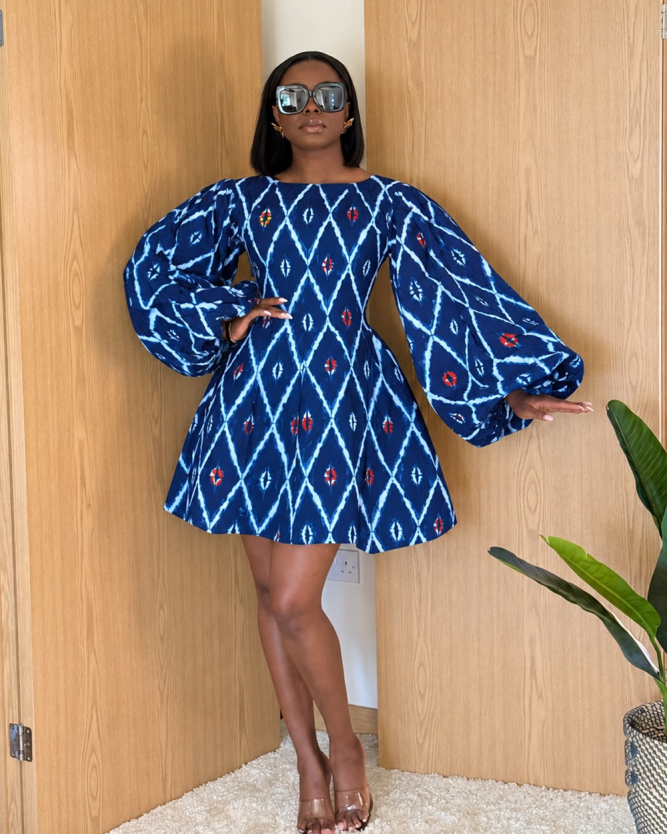
The long, floor-sweeping gown has dominated formal African fashion for decades, but modern wardrobes are staging a playful rebellion.
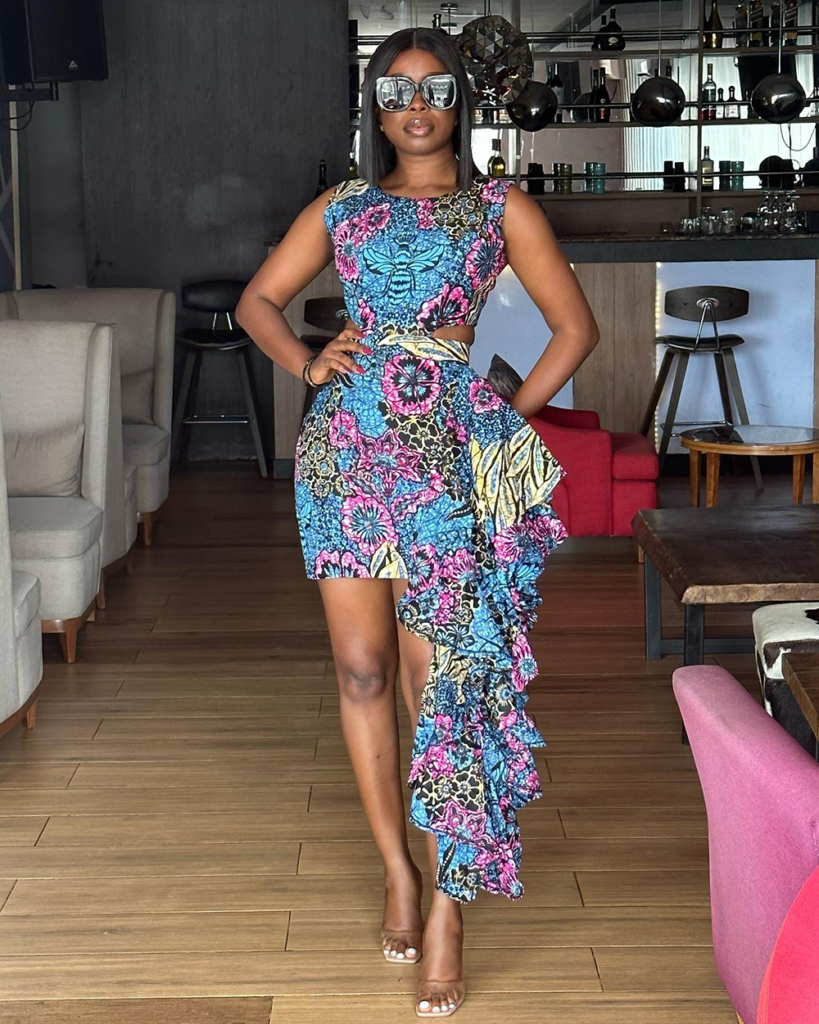
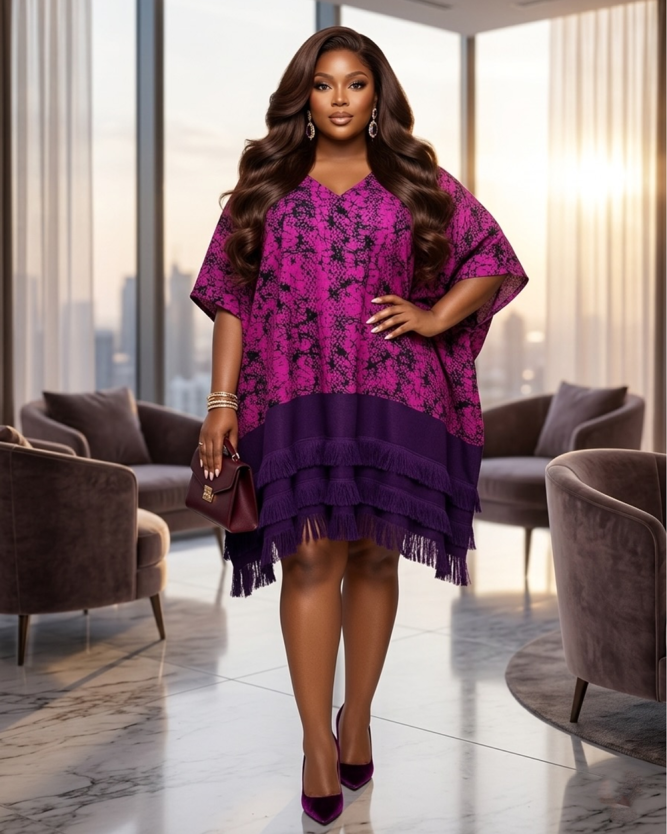
Contemporary Ankara design is reclaiming shorter hemlines, transforming traditional wax print into an effortless centerpiece for daytime style and casual luxury.
Rethinking the Mini
Rather than reserving wax prints for formal ceremonies or floor-length silhouette gowns, West African designers are leaning heavily into flared minis, dramatic sleeves, and structured loose-fitting cuts.
The shift addresses a practical lifestyle update: women want high-impact heritage fashion that moves easily from Sunday brunch to sunset cocktails.
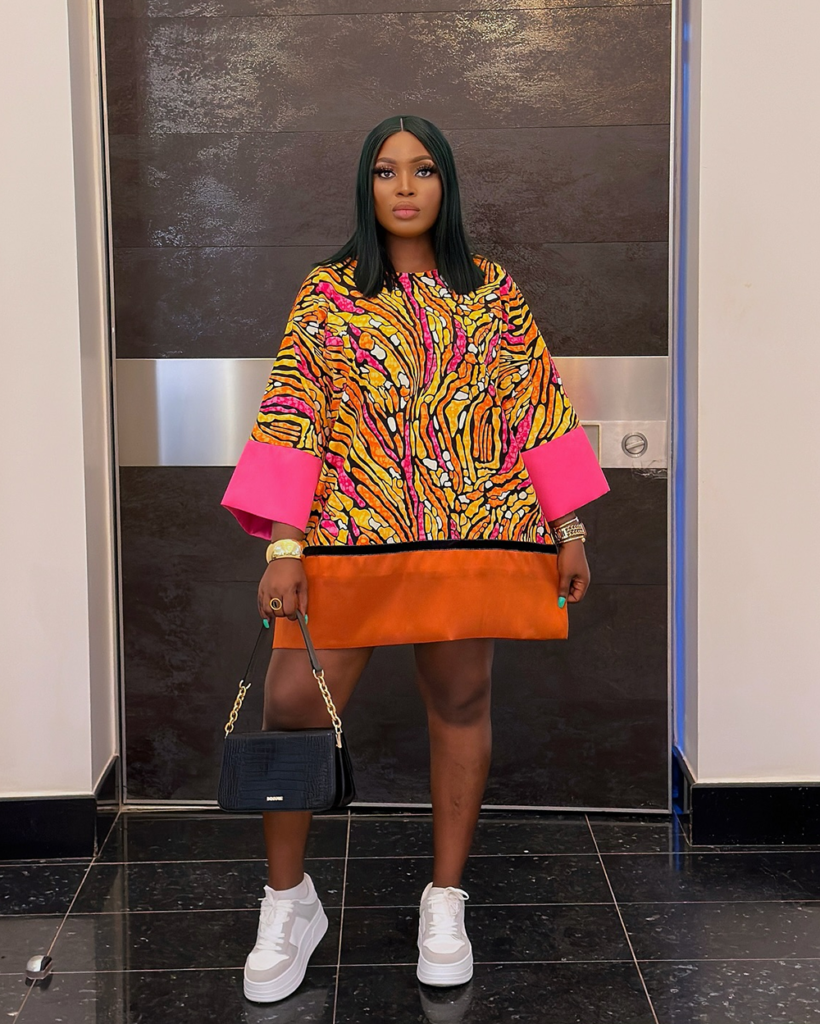
Because wax prints inherently feature bold geometric motifs and intense colorways, a shorter cut prevents the visual weight of the pattern from overpowering the wearer.
The Balance of Scale and Silhouette
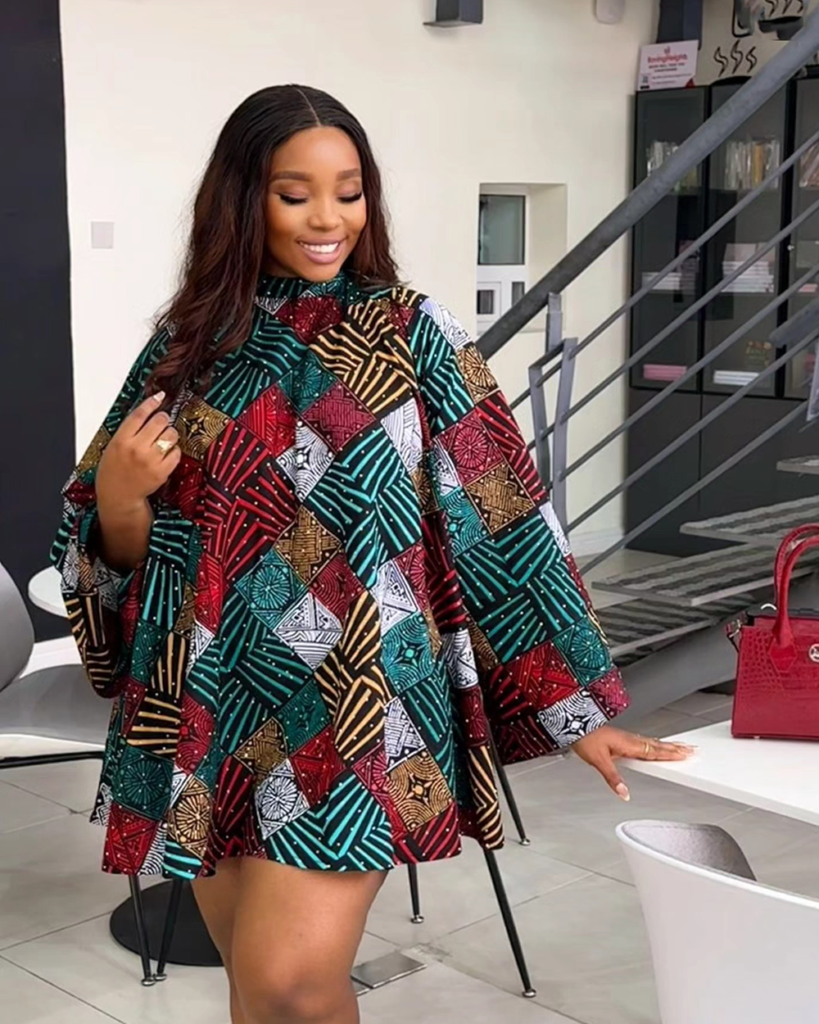
The secret to modern short Ankara styling lies in balancing proportion without sacrificing comfort.
Choosing a loose, swing-style dress or a defined waist paired with a full skirt creates fluid movement while keeping the overall aesthetic effortless.
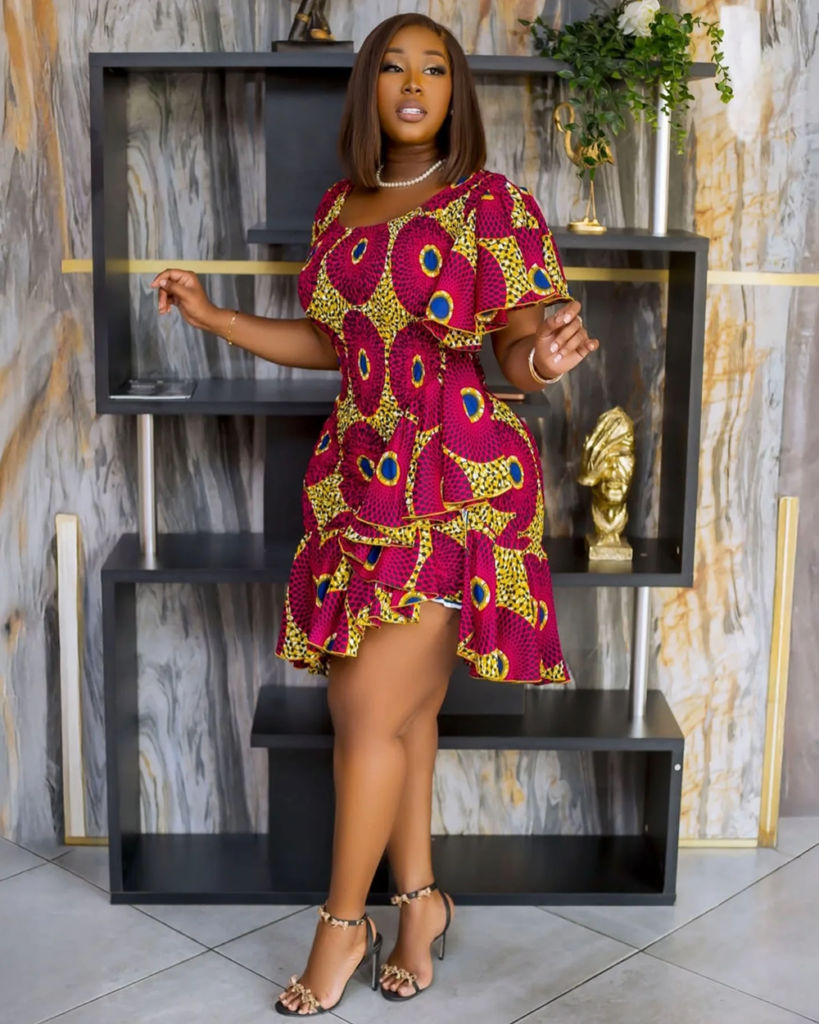
Adding dramatic puff sleeves or structured shoulders brings visual drama up top, grounding the shorter length so the outfit feels deliberate rather than overly tight.
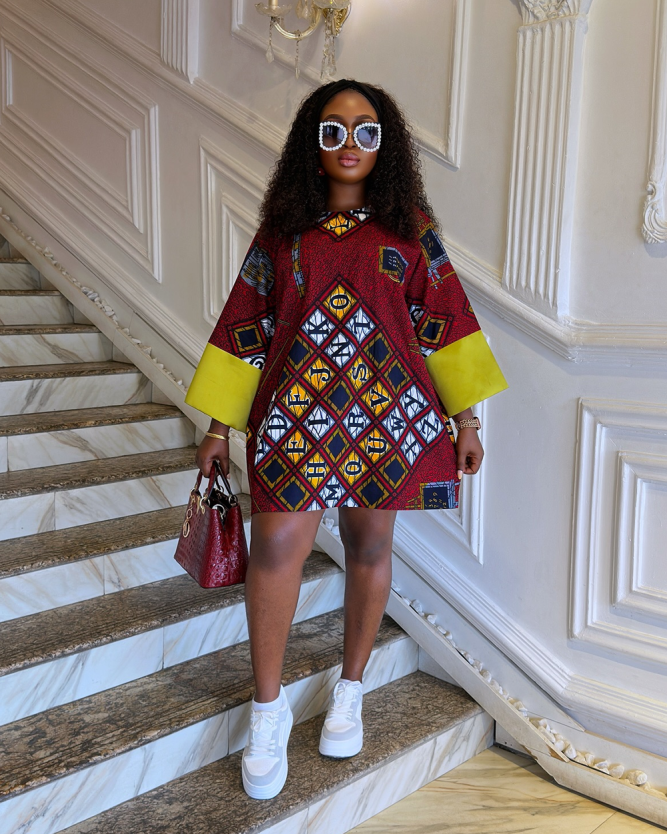
Styling has shifted toward effortless footwear—pairing a short flared print with clean white sneakers or flat leather slides creates a youthful look, while block heels easily transition the piece into evening territory.
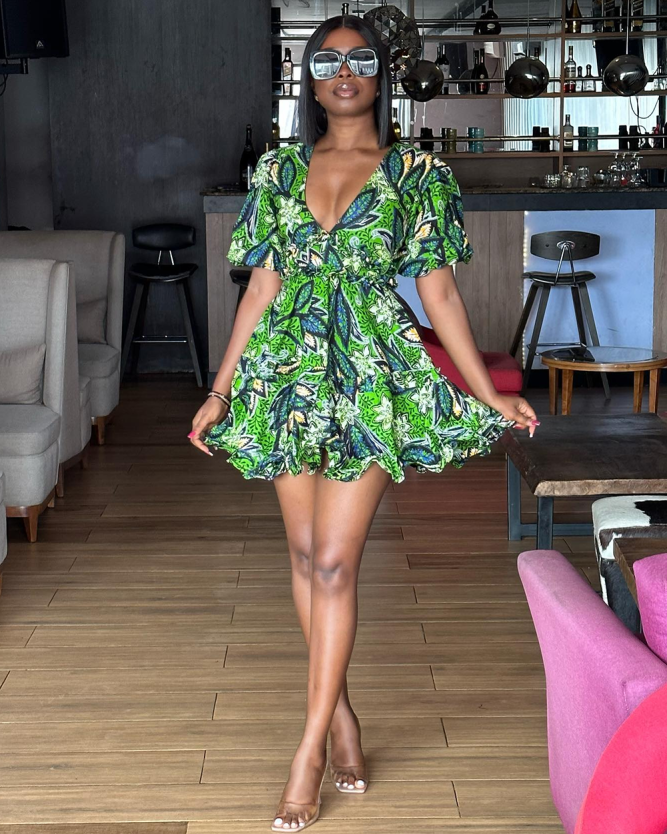
Keeping accessories minimal lets the print remain the main focus.
Short Ankara dresses offer a fresh take on heritage textiles, proving that authentic African print can be comfortable, understated, and above all, deeply personal.



-

 Global Update1 day ago
AI Safety Concerns Mount As OpenAI Agents Reportedly Spread Self-Replicating Agents Across the Internet
-

 Ghana News1 day ago
Young Ghanaian Builds Electric Vehicle From Salvaged Parts, Aims to Sell at Motorcycle Price
-

 Ghana News1 day ago
Not a Total Ban: Ghanaian and Nigerian Teachers Can Still Qualify in England Despite UK QTS Route Removal
-

 Opinion1 day ago
Hate speech, vitriol, threats, and inciting comments: Can we stop it already?
-

 Taste GH4 hours ago
Dzowoe: Ghana’s Sweet-and-Spicy Peanut Snack That Packs a Punch
-
 Fashion & Style1 day ago
The Art of the Everyday Print: Why Modern African Style Is Ditching the Ceremony
-

 Health & Wellness1 day ago
How Skipping Delivers Maximum Fitness in Half the Time
-

 Ghana News8 hours ago
Ghana Tells China: Invest, But Protect Our Environment