
Fashion & Style
The Art of the Everyday Print: Why Modern African Style Is Ditching the Ceremony

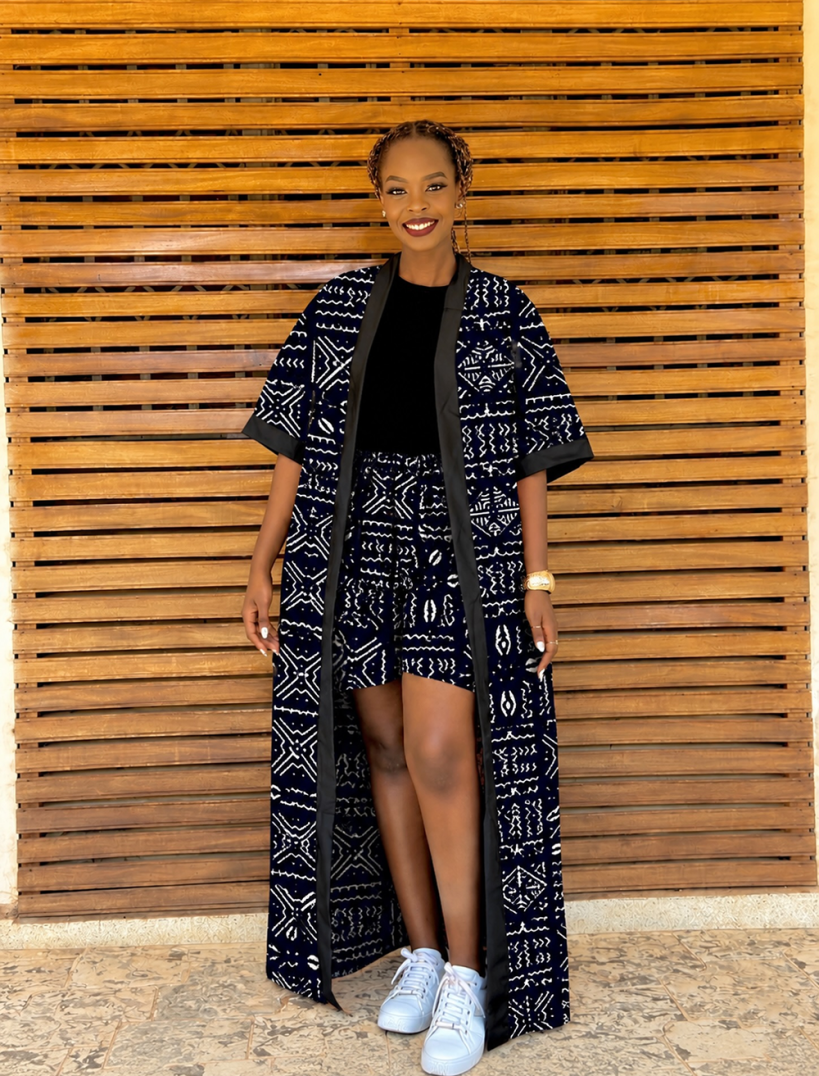
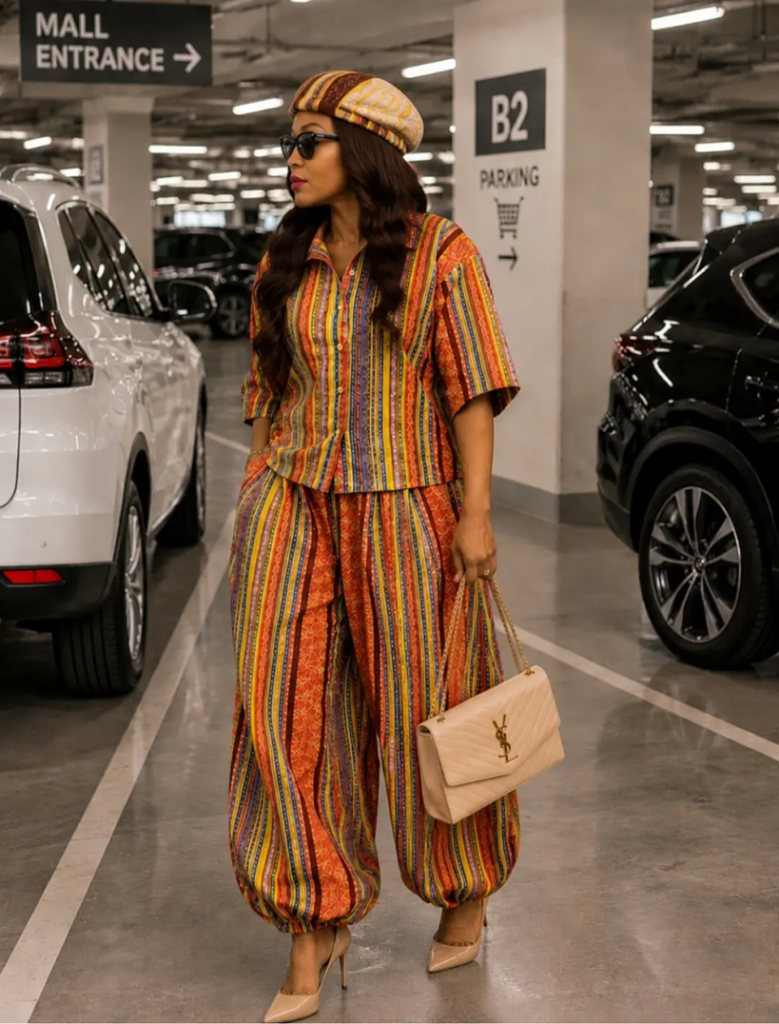
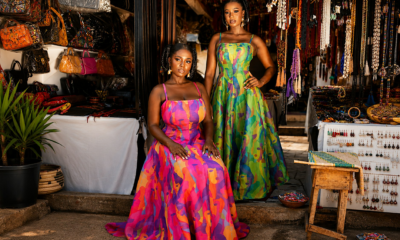
The heavy silk gowns and elaborate headwraps can stay in the closet. Across Accra, Johannesburg, and London, a quiet revolution is redefining how African fashion moves through the world, proving that iconic prints do not require a grand occasion or a red carpet to make a statement.
For decades, wax prints and traditional textiles were reserved for ceremonial grandeur—weddings, funerals, and Sunday services where every accessory had to match precisely.
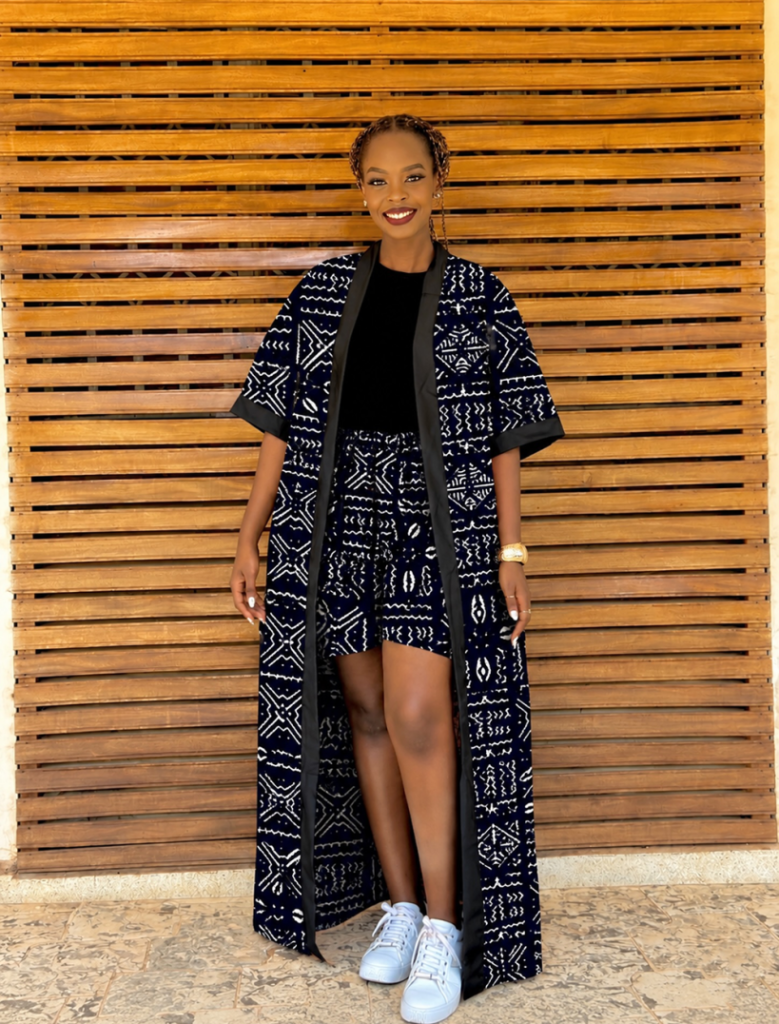
Today, stylish youth are dismantling those rigid rules by integrating bold fabrics into their everyday urban uniforms.
The modern approach relies on contrast: letting a single patterned garment take center stage while dialing back the surrounding elements.
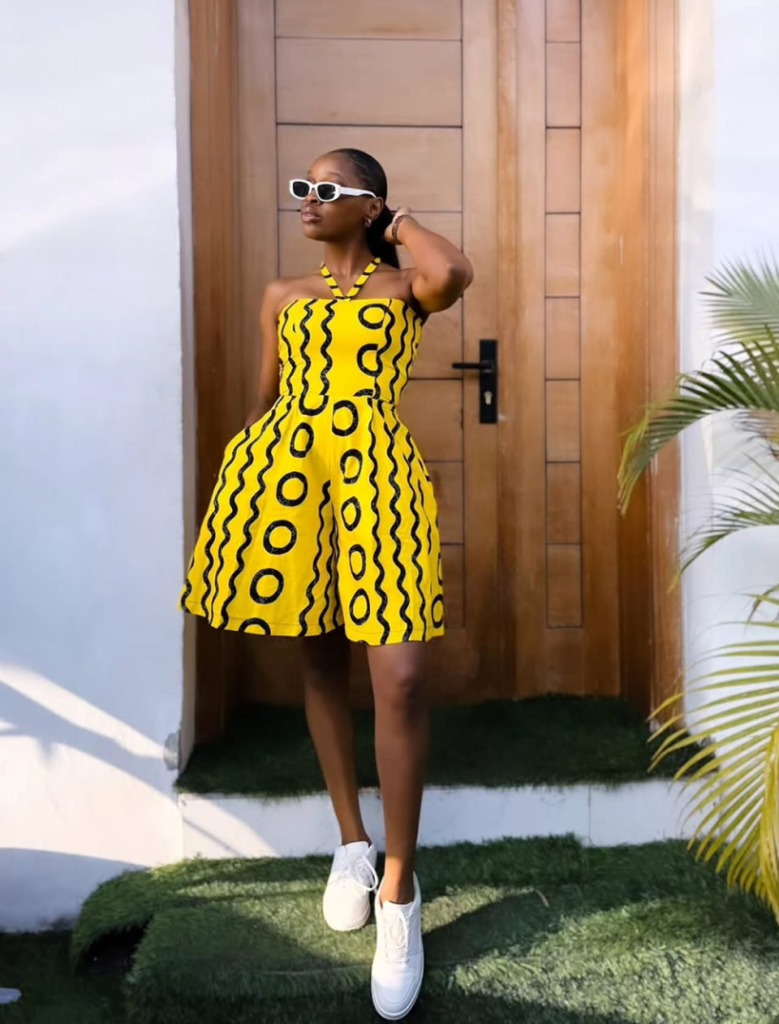
Achieving this effortless balance is surprisingly straightforward. A vivid Ankara top paired with broken-in denim and crisp white sneakers instantly converts formal heritage into street-ready style.
Swapping heels for flat slides transforms a structured co-ord set into a relaxed brunch outfit. Instead of matching every shade in the fabric, fashion-forward dressers anchor the look with clean neutrals like black, white, or raw denim, allowing the print to breathe.
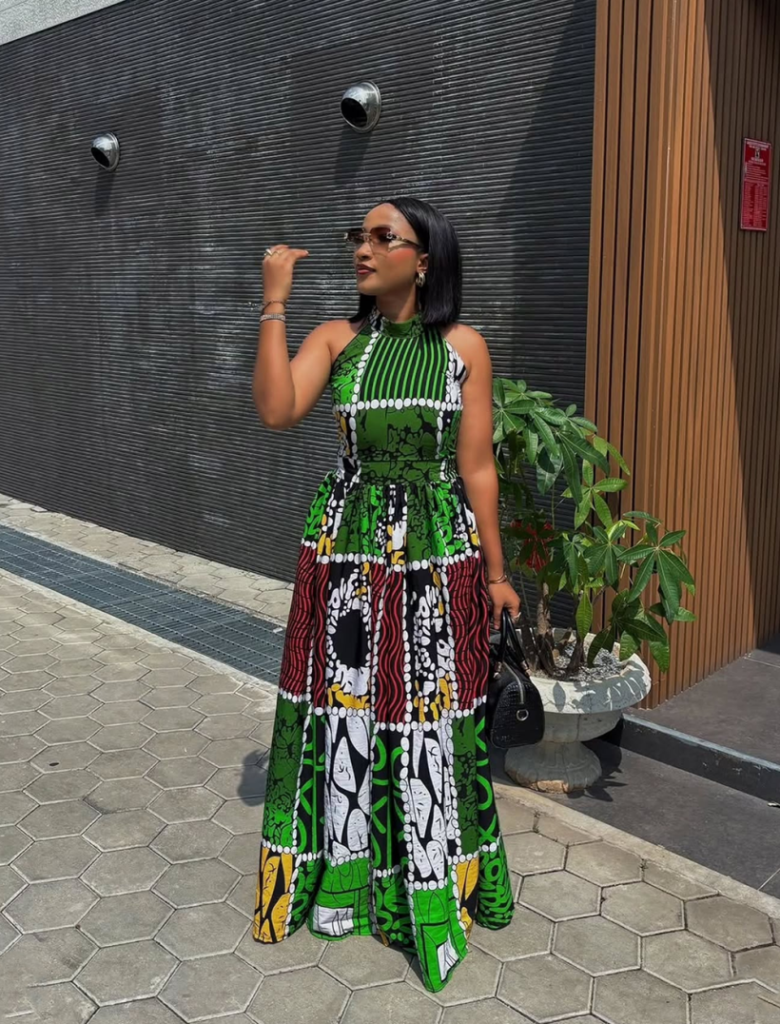
Accessories are evolving alongside the clothing. Beaded bags, raffia totes, chunky wooden necklaces, and waist beads are no longer viewed strictly as traditional regalia.
Instead, they function as dynamic accents that inject texture and personality into everyday basics like a plain white T-shirt.
This shift represents a fundamental evolution in how African identity is expressed globally. African fashion is no longer anchored solely to pomp and ceremony; it is an adaptable, living aesthetic that moves comfortably through daily life, one pair of sneakers at a time.







Fashion & Style
When Aesthetics Backfire: What the Converse Imagery Controversy Teaches the Global Style Industry
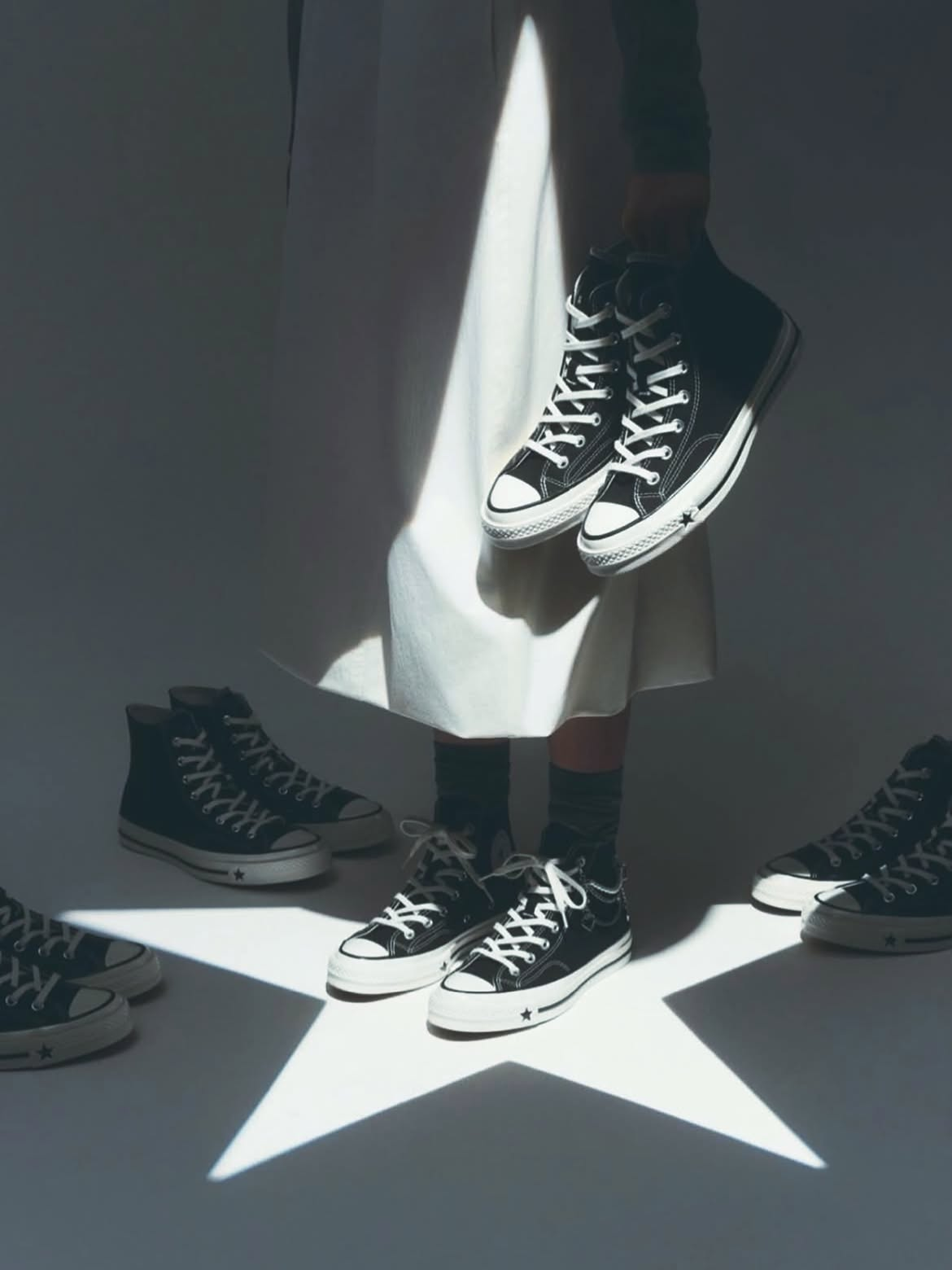
When global footwear powerhouse Converse launched its latest Chuck 70 X campaign, the goal was clear: capture futuristic streetwear energy using international star power.
Fronted by K-pop idol KARINA of aespa, the visual rollout aimed to solidify the sneaker’s cross-cultural dominance.
Instead, an unforeseen visual coincidence triggered an intense debate around creative oversight, historical trauma, and the limits of brand messaging.
The storm erupted over an ad photo featuring KARINA draped in white beneath sharp, angular lighting, holding high-top sneakers.
Online critics quickly pointed out that the shadowed silhouette created an uncanny resemblance to a Ku Klux Klan hood, while the dangled shoes evoked painful historical associations with lynching imagery.
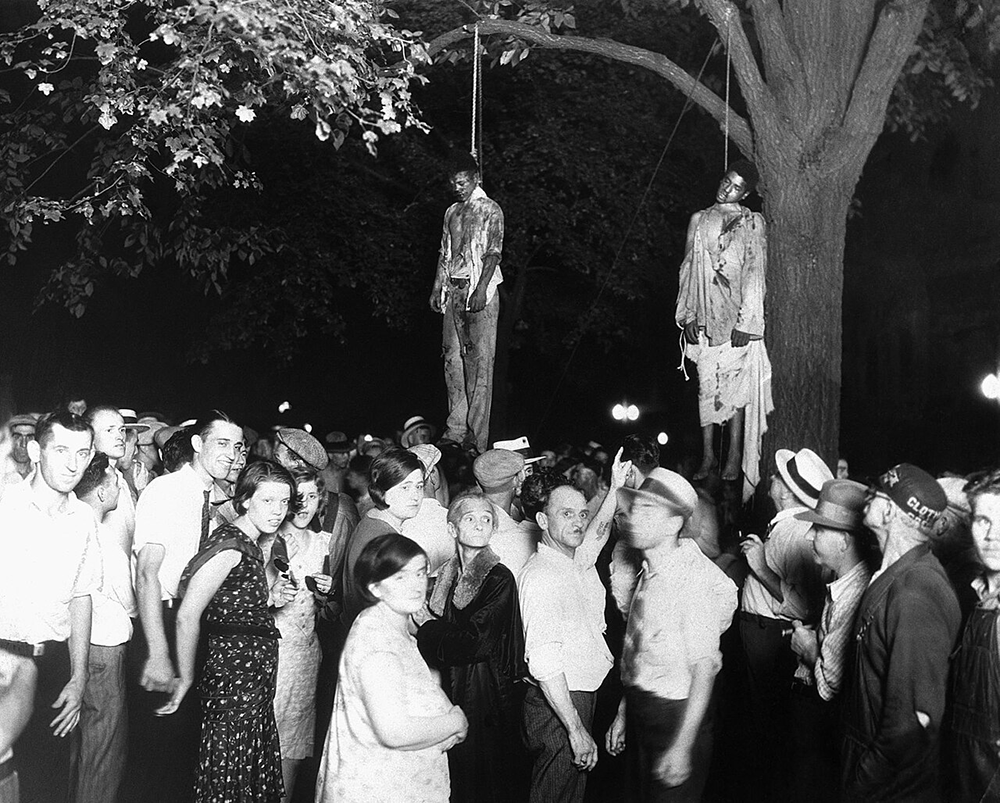
As social media amplified these comparisons, a second resurfaced image from a Palmes collaboration—showing shoes suspended near a tree branch—only deepened public outrage.
Converse swiftly pulled the imagery, admitting they “got this wrong” and issuing a formal apology.
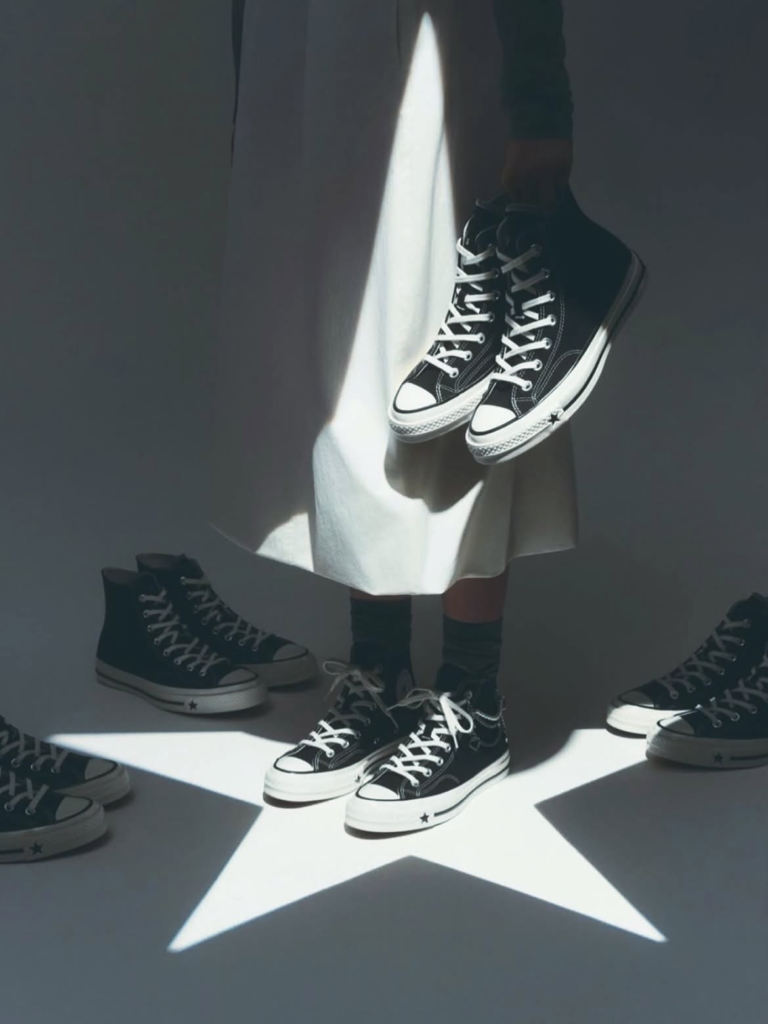
Yet, the incident exposes a crucial blind spot in fashion marketing: how multi-layered corporate approval processes can fail to vet imagery against historical and cultural contexts.
While many acknowledge the visual was likely an unintended optical oversight rather than malice, the impact remains.
In fashion, aesthetics never exist in a vacuum. A campaign’s ultimate meaning isn’t defined by the creative team’s intent, but by how global audiences interpret the symbolism.
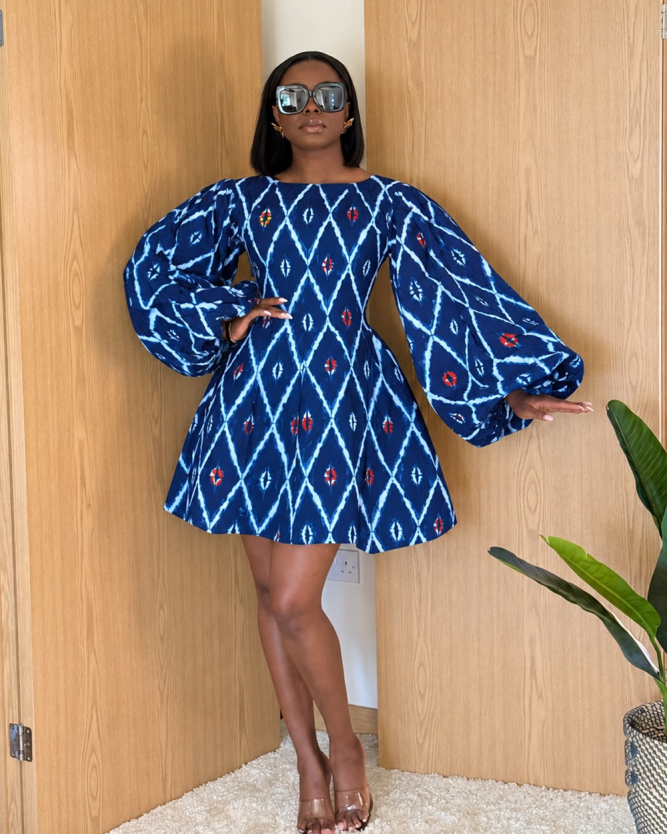
The long, floor-sweeping gown has dominated formal African fashion for decades, but modern wardrobes are staging a playful rebellion.
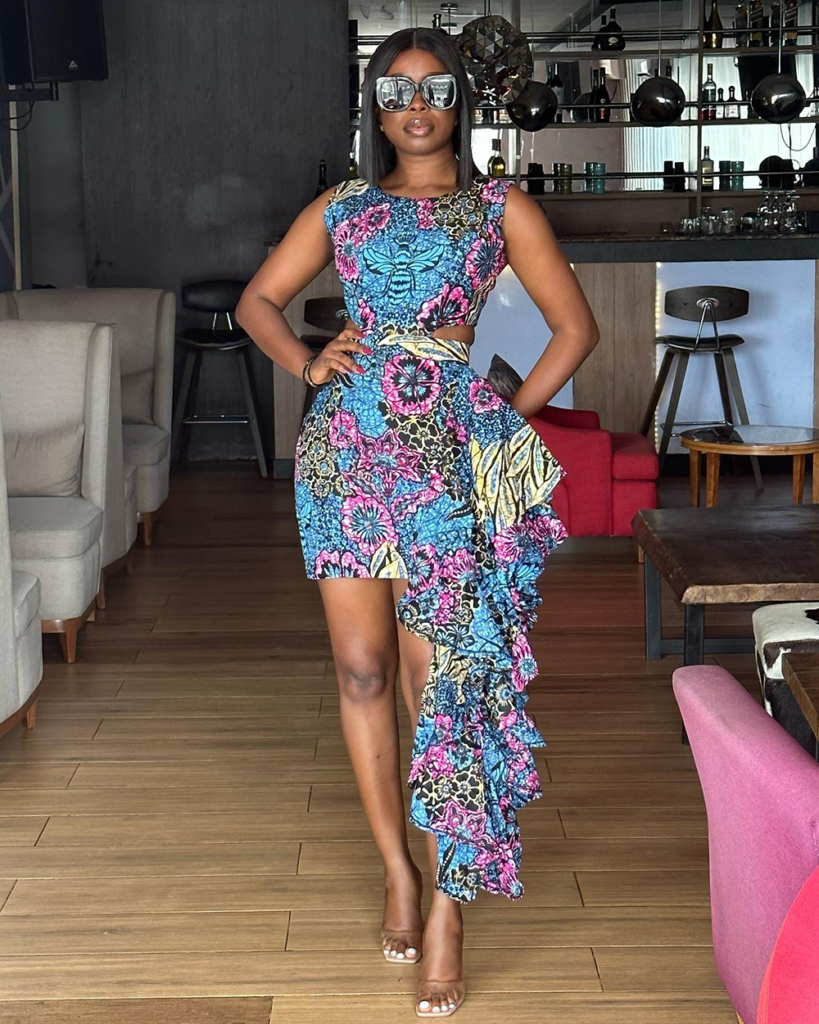
Contemporary Ankara design is reclaiming shorter hemlines, transforming traditional wax print into an effortless centerpiece for daytime style and casual luxury.
Rethinking the Mini
Rather than reserving wax prints for formal ceremonies or floor-length silhouette gowns, West African designers are leaning heavily into flared minis, dramatic sleeves, and structured loose-fitting cuts.
The shift addresses a practical lifestyle update: women want high-impact heritage fashion that moves easily from Sunday brunch to sunset cocktails.
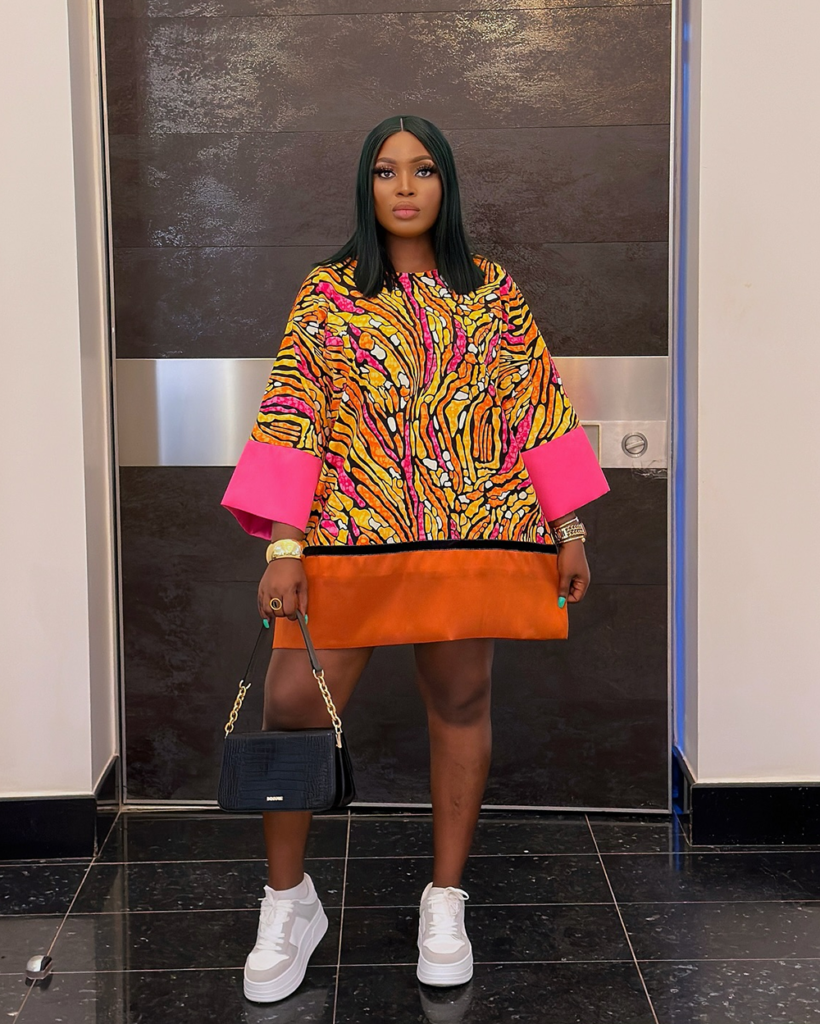
Because wax prints inherently feature bold geometric motifs and intense colorways, a shorter cut prevents the visual weight of the pattern from overpowering the wearer.
The Balance of Scale and Silhouette
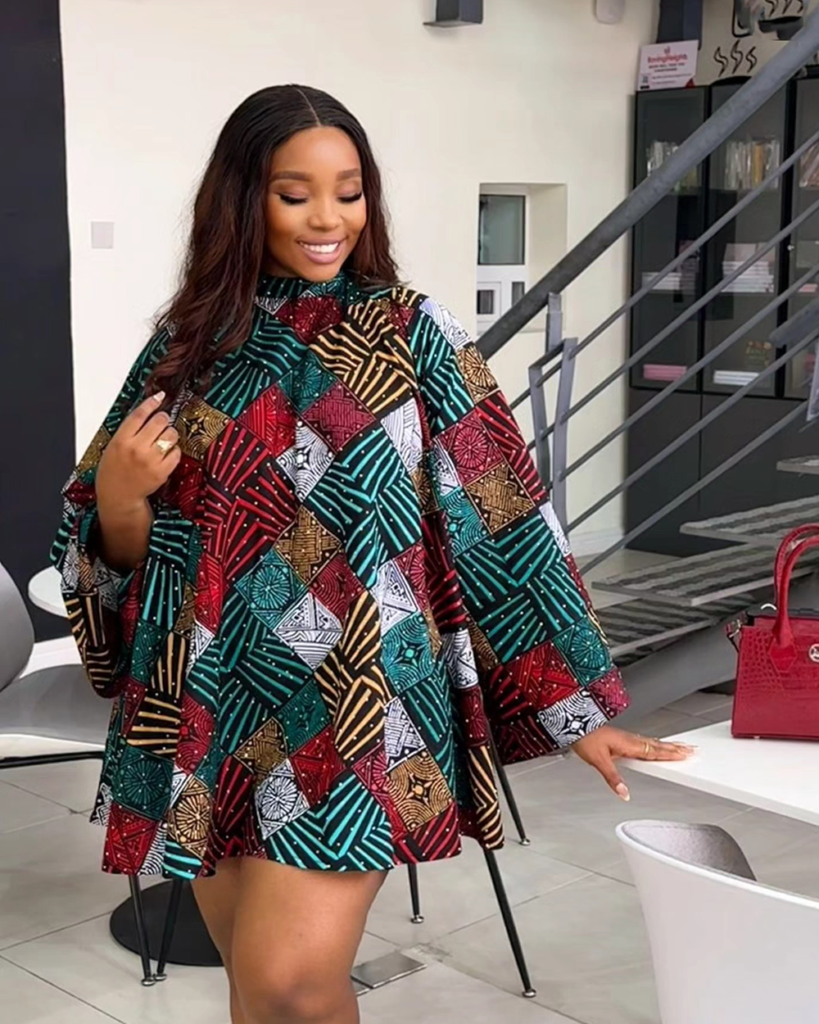
The secret to modern short Ankara styling lies in balancing proportion without sacrificing comfort.
Choosing a loose, swing-style dress or a defined waist paired with a full skirt creates fluid movement while keeping the overall aesthetic effortless.
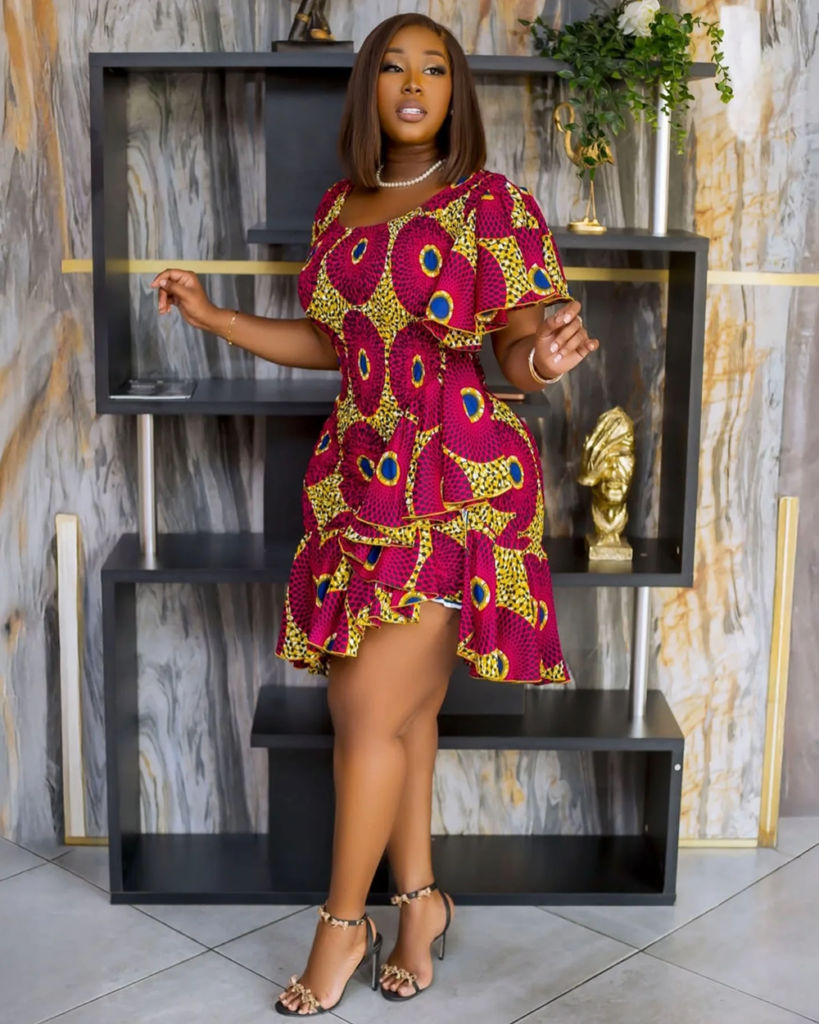
Adding dramatic puff sleeves or structured shoulders brings visual drama up top, grounding the shorter length so the outfit feels deliberate rather than overly tight.
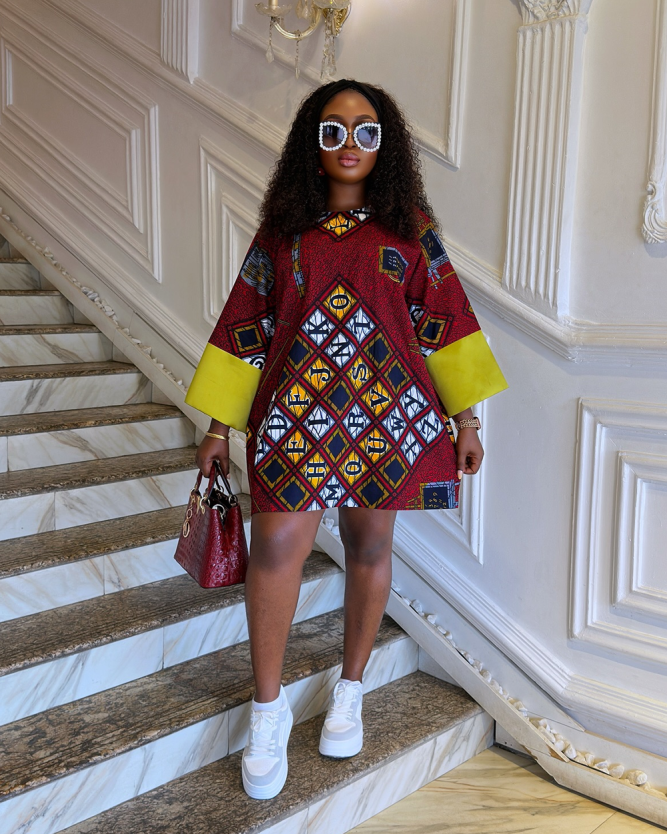
Styling has shifted toward effortless footwear—pairing a short flared print with clean white sneakers or flat leather slides creates a youthful look, while block heels easily transition the piece into evening territory.
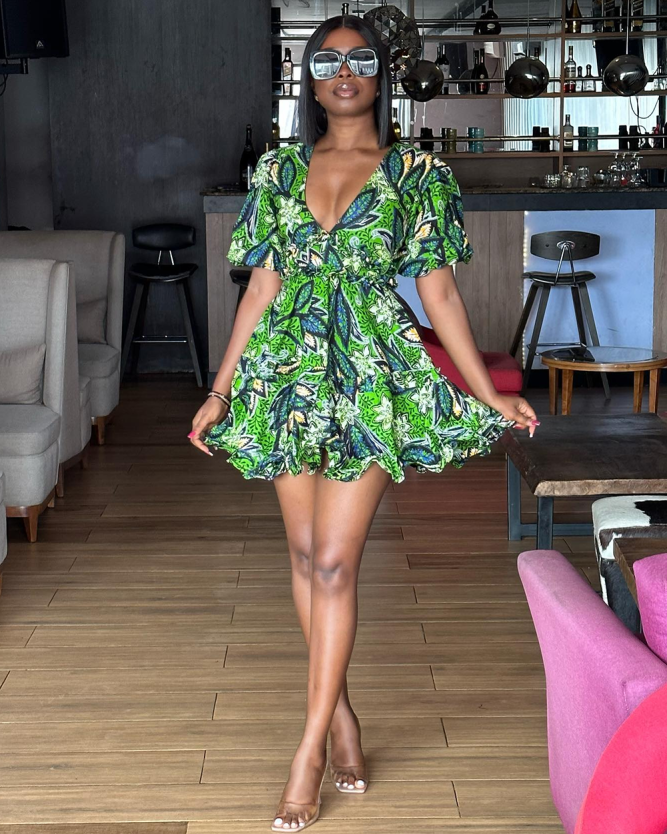
Keeping accessories minimal lets the print remain the main focus.
Short Ankara dresses offer a fresh take on heritage textiles, proving that authentic African print can be comfortable, understated, and above all, deeply personal.
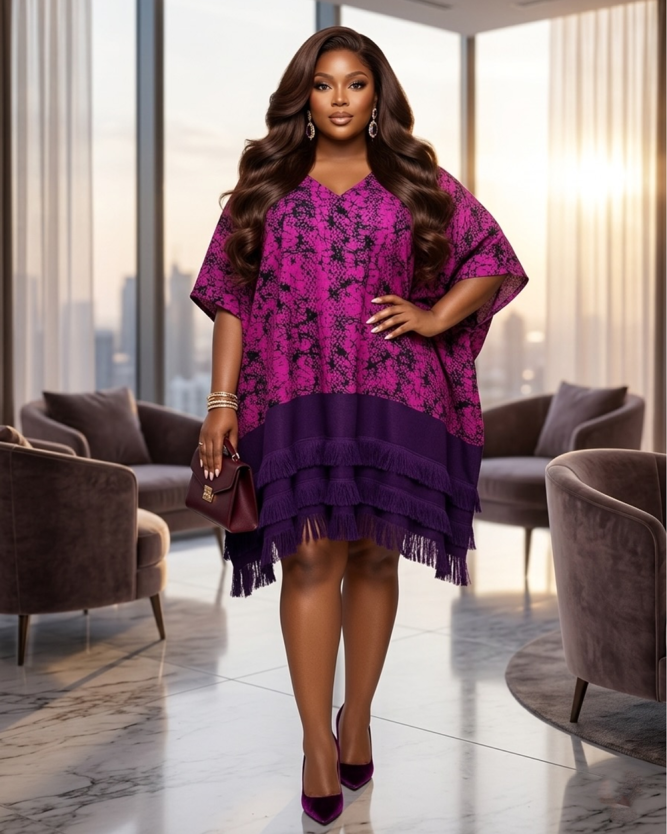

A smartphone screen launched Wisdom Kaye into fashion history. Now, the Nigerian-American style creator has another milestone to match his influence after receiving the prestigious Virgil Abloh Award from luxury giant LVMH at Harlem’s Fashion Row’s 19th Annual Fashion Show & Style Awards in New York.

The honour feels especially fitting for a creator who has rewritten the rules of fashion fame. Kaye first captivated millions through short-form styling videos where dramatic outfit changes, bold tailoring and cinematic presentation turned everyday clothing into a spectacle.
What began as internet creativity has grown into a career that places him alongside some of the world’s biggest luxury brands.
His collaborations with Dior, Fendi, Prada and Valentino show how fashion’s power structure has shifted.
Instead of following the traditional runway-to-magazine path, Kaye built his reputation by treating social media as both studio and stage, proving that a creator’s influence can travel from phone screens to front rows.
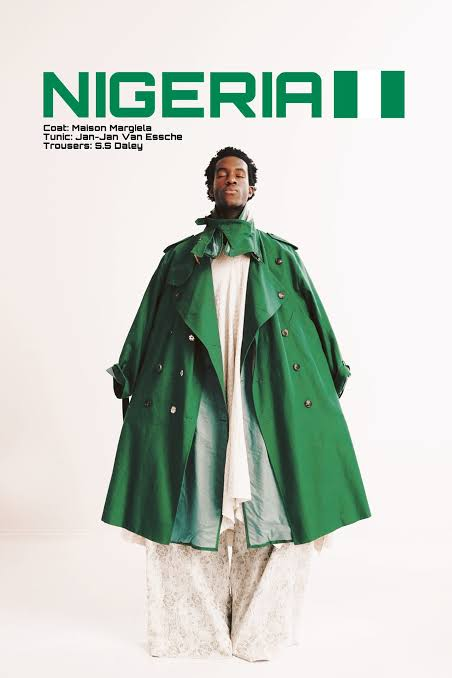
The award carries extra weight because it bears the name of Virgil Abloh, the late Ghanaian-American designer whose work at Louis Vuitton and Off-White reshaped ideas about luxury, streetwear and digital culture.
Abloh opened doors for a generation of creatives who refused to separate fashion from identity, technology and cultural storytelling.
Kaye’s win speaks to that same spirit. His carefully constructed looks do more than showcase clothes; they demonstrate how personal branding has become one of fashion’s most valuable currencies.
For young African creators watching from Lagos, Accra or beyond, the message is clear: the next global fashion icon might not emerge from a fashion school or runway casting. They could be building their audience one creative post at a time.


The Art of the Everyday Print: Why Modern African Style Is Ditching the Ceremony

The Blueprint of the Everyday: Why Accra’s True Architecture Lives Between the Gaps

Weaving Royalty: How Agotime’s Kente Festival Celebrates Living History
-

 Ghana News2 days ago
“It Slipped Through”: Ghana Customs Boss Admits Airport Security Failure After 3.9-Ton Drug Bust
-

 Opinion2 days ago
African Blood for Other People’s War?
-

 Global Update2 days ago
White House Launches ‘Trump TV’ on YouTube After Banning Three News Outlets: Here’s What It’s Showing
-
 Fashion & Style2 days ago
When Aesthetics Backfire: What the Converse Imagery Controversy Teaches the Global Style Industry
-

 Ghana News22 hours ago
From Cocoa to Batteries: Ghana’s Industrial Dream and Its Risks
-

 Ghana News21 hours ago
Ghana Parliament Faces Emergency Recall Over Heightening Narcotics Crisis
-

 Ghana News22 hours ago
How Ghanaian-Born Professor Kofi Akamani Was Fatally Shot During Custody Exchange
-

 Ghana News2 days ago
Can Ghana Process Its Own Crude and Fix Its Power Supply?