
Global Update
Federal Judge Orders Full Restoration of Voice of America Operations, Reinstating Over 1,000 Employees After Year-Long Shutdown

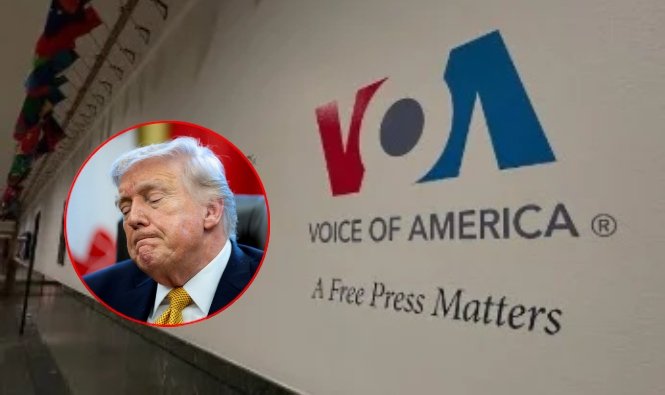
Washington, D.C. – A U.S. federal judge has directed the Trump administration to immediately reverse sweeping cuts that had effectively dismantled much of the Voice of America (VOA), reinstating 1,042 of the broadcaster’s 1,147 employees who had been placed on administrative leave or sidelined for nearly a year.
In a strongly worded ruling issued March 18, 2026, U.S. District Judge Royce C. Lamberth declared the administration’s actions “arbitrary and capricious” and in violation of federal law. The decision reverses moves that reduced VOA to a bare “statutory minimum” operation, severely curtailing multilingual programming and forcing the agency to halt most original journalism production.
The judge gave the U.S. Agency for Global Media (USAGM) seven calendar days to submit a detailed restoration plan, including timelines for resuming full broadcasts and returning staff to active duty. Non-compliance could trigger contempt proceedings.
The cuts stemmed from an executive order issued by President Donald Trump and were implemented under Kari Lake, his unconfirmed acting director of USAGM. Last week, Judge Lamberth had already ruled that Lake lacked legal authority to carry out the reductions due to her lack of Senate confirmation.
Major Implications for Workers
The ruling delivers immediate and substantial relief to more than 1,000 federal employees who had been in limbo since mid-2025:
- Immediate Return to Duty — The 1,042 affected journalists, editors, producers, technicians, and support staff will be reinstated to active roles, ending prolonged administrative leave.
- Restoration of Full Pay & Benefits — Workers regain uninterrupted salary, health insurance continuity, retirement contributions, and other federal employee protections that had been frozen or placed at risk.
- Reclamation of Professional Mission — Employees can resume their core journalistic work after nearly a year of enforced idleness, many of whom described the period as professionally demoralizing.
- Job Security & Seniority — The decision protects career progression, accumulated leave, and seniority rights that were threatened by the indefinite “statutory minimum” staffing model.
Patsy Widakuswara, VOA’s White House bureau chief and a lead plaintiff in the lawsuit, welcomed the outcome:
“We are eager to begin repairing the damage Kari Lake has inflicted on our agency and our colleagues, to return to our congressional mandate, and to rebuild the trust of the global audience we have been unable to serve for the past year. We know the road to restoring VOA’s operations and reputation will be long and difficult. We hope the American people will continue to support our mission to produce journalism, not propaganda.”
Broader Context
Founded during World War II, Voice of America broadcasts independent news in 49 languages to an estimated 362 million weekly listeners, often in countries with restricted press freedom. The near-total shutdown had drawn sharp criticism from press freedom organizations, former VOA staff, and foreign policy experts who argued it undermined U.S. soft power and global information access.
The Trump administration has not yet indicated whether it will appeal. President Trump has since nominated Sarah Rogers, current Under Secretary of State for Public Diplomacy, to lead USAGM on a permanent basis — a nomination that requires Senate confirmation.
The decision reinforces protections under the Administrative Procedure Act against politically motivated dismantling of congressionally mandated agencies and reaffirms that acting officials without Senate approval cannot unilaterally override statutory obligations.



Global Update
How Global Nations Are Scrambling with Drastic Measures as Trump’s Iran War Triggers Historic Oil Crisis
The escalating U.S.-led conflict with Iran, sparked by President Donald Trump’s military strikes, has unleashed what experts are calling the most severe energy crisis since the 1970s.
The situation is forcing countries worldwide to implement emergency responses to cope with soaring fuel prices, supply shortages, and economic ripple effects.
With the Strait of Hormuz effectively blockaded — halting safe passage for tankers carrying up to one-fifth of global oil — major producers like Saudi Arabia have slashed output, Iraq’s production has plummeted to less than one-third of pre-war levels, and force majeure declarations by energy firms in Qatar, Kuwait, and Bahrain have disrupted contracts.
Beyond fuel, the crisis is choking supplies of petroleum-derived products like fertilizers, plastics, and industrial raw materials, threatening food security and manufacturing.
Nations are responding with unprecedented austerity and conservation tactics:
- Bangladesh has shuttered all universities nationwide to curb electricity use and reduce commuting demands, aiming to stretch limited fuel reserves amid fears of broader blackouts.
- The Philippines has mandated a four-day work week for employers in Manila and other regions, specifically to conserve energy and minimize transport fuel consumption as diesel and gasoline supplies dwindle.
- Vietnam is grappling with widespread fuel outages, with gas stations in Hanoi displaying “sold out” signs and rationing supplies, prompting long queues and emergency imports.
- Pakistan is hiking gas prices to discourage private vehicle use, prioritizing diesel for essential trucks and buses in a bid to maintain logistics and food distribution chains.
- Japan has seen industrial fallout, with a major plastics plant north of Tokyo scaling down production due to shortages of petroleum-based raw materials, while aluminum smelters and other energy-intensive facilities face shutdowns.
The Wall Street Journal and CNBC have dubbed this the “biggest oil supply disruption in history,” with Brent crude prices surging amid global stockpiling. Analysts warn of cascading effects: higher fertilizer costs could spike food prices worldwide, while manufacturing halts risk supply-chain breakdowns.
Trump has described the war as benefiting “other parts of the world,” but critics argue the self-imposed crisis is backfiring, exacerbating inflation and instability far beyond the Middle East.
As diplomatic efforts falter, affected nations are bracing for prolonged economic pain unless a ceasefire restores safe passage through the strait.
Global Update
Influential Foreign Policy Group Sends Direct Message to Trump Warning of Global Risks From His Actions in Iran

An Indonesian foreign policy group has released a video message addressed directly to Donald Trump, warning that recent U.S. and Israeli actions in the Middle East could destabilize global security and violate international norms.
The message was shared by Indonesian diplomat and foreign policy analyst Dino Patti Djalal on social media, where he called on viewers to share the video with policymakers and political leaders in the United States.
Djalal said he was speaking on behalf of the Foreign Policy Community of Indonesia, which he described as one of the largest grassroots foreign policy groups in Southeast Asia and the Indo-Pacific region.
“We hope that you will listen and hear our view,” Djalal said in the video, addressing Trump directly. “This message represents the concern of the overwhelming majority of the Indonesian people.”
Criticism Over Military Escalation
In the video, Djalal criticized what he described as growing U.S. militarism and warned that actions taken by Washington and Israel could escalate tensions across the Middle East.
The message referenced the reported killing of Iranian Supreme Leader Ali Khamenei, arguing that targeting a foreign head of state would violate international law and global norms.
“No leader of any country, no matter how powerful, has the right to plan and execute the murder of another country’s leader,” Djalal said.
He added that such actions would contradict the principles of the United Nations Charter and could set a dangerous precedent for international relations.
Concerns Over Global Stability
The video also warned that escalating conflict could spread across the Middle East, citing countries including Saudi Arabia, United Arab Emirates, Qatar, Turkey and Lebanon as potentially affected by regional instability.
According to Djalal, rising tensions could undermine previous diplomatic efforts to stabilize the region, including reconciliation initiatives between Iran and Saudi Arabia.
He warned that the international system could face consequences similar to those that preceded major global conflicts.
“If direct military action to kill foreign leaders is considered fair game, then any of the world’s 193 countries could see it the same way,” he said.
Economic Impact on Indonesia
The message also highlighted potential economic consequences for Indonesia, the world’s fourth-most populous country.
Djalal said escalating conflict could push up global oil prices, putting pressure on Indonesia’s national budget and potentially leading to higher inflation, rising food prices, increased unemployment and slower economic growth.
Civil Society Appeal
Djalal framed the video as a message from civil society rather than the Indonesian government, noting that governments must often remain cautious in their diplomatic communications.
The group encouraged viewers to circulate the message widely and engage in public discussion about global security and the role of major powers in maintaining international peace.
The video adds to a growing number of international voices calling for restraint and diplomacy as tensions in the Middle East continue to draw global attention.
Global Update
US Defence Stockpiles of Rare Earth Elements Down to Just Two Months as Iran Conflict Escalates
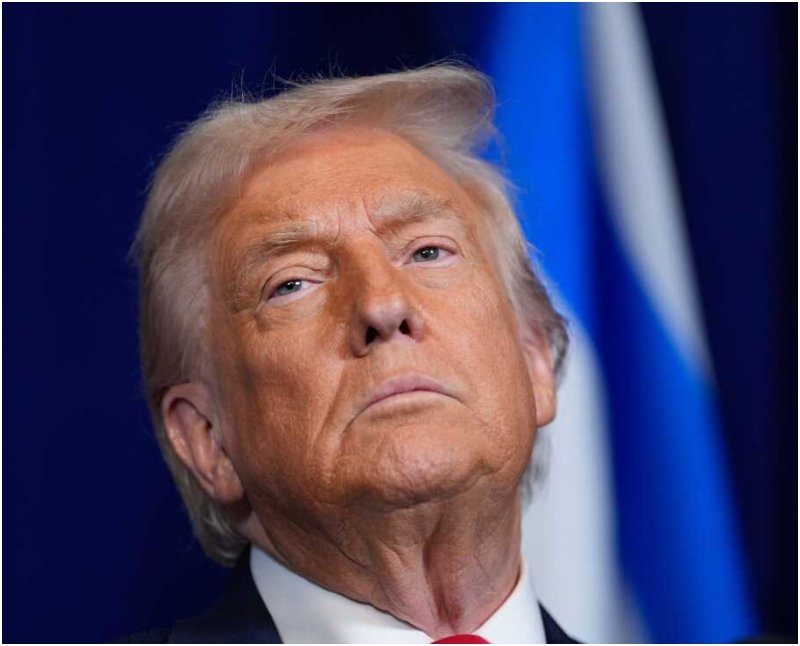
The United States faces a critical vulnerability in its military capabilities, with defence stockpiles of rare earth elements reportedly sufficient for only about two months of sustained operations, according to sources cited by the South China Morning Post and echoed across industry analyses.
The alarming depletion has gained urgency amid the ongoing US-led strikes on Iran, which began on February 28, 2026. Pentagon estimates indicate that the initial days of the campaign alone consumed roughly $5.6 billion in munitions, rapidly drawing down inventories of precision-guided weapons and interceptors that rely heavily on these strategic minerals.
Rare earth elements — such as dysprosium, terbium, neodymium and others — are vital for key defence technologies, including missile guidance systems, fighter jet components, radar arrays, phased-array systems, secure communications and advanced actuators. Without reliable access to these materials, replenishing depleted stocks of systems like THAAD interceptors, Patriot missiles and Tomahawk cruise missiles becomes severely constrained, potentially limiting the duration of high-intensity operations.

The shortage stems in large part from China’s near-monopoly on global processing and export of rare earths. Industry assessments suggest Chinese-controlled supply chains feature in more than 75% of US defence platforms. Beijing has periodically imposed export restrictions on dual-use minerals critical to US military contractors, amplifying concerns over supply-chain resilience during extended conflict.
The situation has handed China potential indirect leverage: analysts note that any tightening of exports could influence how long Washington can sustain its campaign against Iran. A high-level meeting on rare earth export policies is reportedly scheduled for next month, adding to the uncertainty.
The Pentagon has responded by urgently seeking fresh domestic and allied supplies of 13 critical minerals (including rare earths), issuing requests to mining companies just before the Iran strikes escalated. The Trump administration has also invested in US-based producers like MP Materials and explored partnerships to build resilient “mine-to-magnet” chains, though scaling to meet defence needs could take years.
As domestic buffers dwindle, attention is shifting toward alternative global sources, including Africa’s substantial untapped reserves. Nations such as Botswana (with a newly announced high-grade rare earth deposit containing all 15 elements plus copper, cobalt, nickel and vanadium), South Africa (rich in manganese, platinum group metals and antimony) and the Democratic Republic of the Congo (over 70% of global cobalt) are positioned as strategic options to help diversify away from China-dependent chains.
The two-month stockpile window underscores a broader strategic challenge: prolonged military engagements risk exhausting not just munitions but the foundational materials needed to rebuild them, exposing vulnerabilities in US defence readiness at a time of heightened geopolitical tension.


Federal Judge Orders Full Restoration of Voice of America Operations, Reinstating Over 1,000 Employees After Year-Long Shutdown

54 Ghanaian Soldiers Return Home After Successful Hurricane Relief Mission in Jamaica

Ghana to Table Landmark UN Resolution on Slave Trade in September
-

 Ghana News1 day ago
Newspaper Headlines Today: Wednesday, March 18, 2026
-

 Ghana News1 day ago
UK Engages Ghana on Counterterrorism and Maritime Security
-

 Taste GH2 days ago
Experience the Rare Texture of Apapransa the Celebratory Roasted Corn Delicacy
-
Ghana News4 hours ago
Newspaper Headlines Today: Thursday, March 19, 2026
-

 Ghana News1 day ago
Two Scrap Dealers Lynched, Video of Mahama’s Reaction After Atta Mills’ Death Resurfaces and Other Trending Issues Today (March 18, 2026)
-

 Health & Wellness1 day ago
Three Amazing things that Happen When You Introduce Vegetables to Your Diet
-

 Festivals & Events1 day ago
The Whispering Rocks of Tengzug: Invoking the Rain at the 2026 Gologo Festival
-
 Ghana News1 day ago
Germany Hands Over Four Operational Shelters to Ghana Immigration Service at Aflao Border