
Health & Wellness
The Tiny Seeds Changing the Way People Think About Digestion

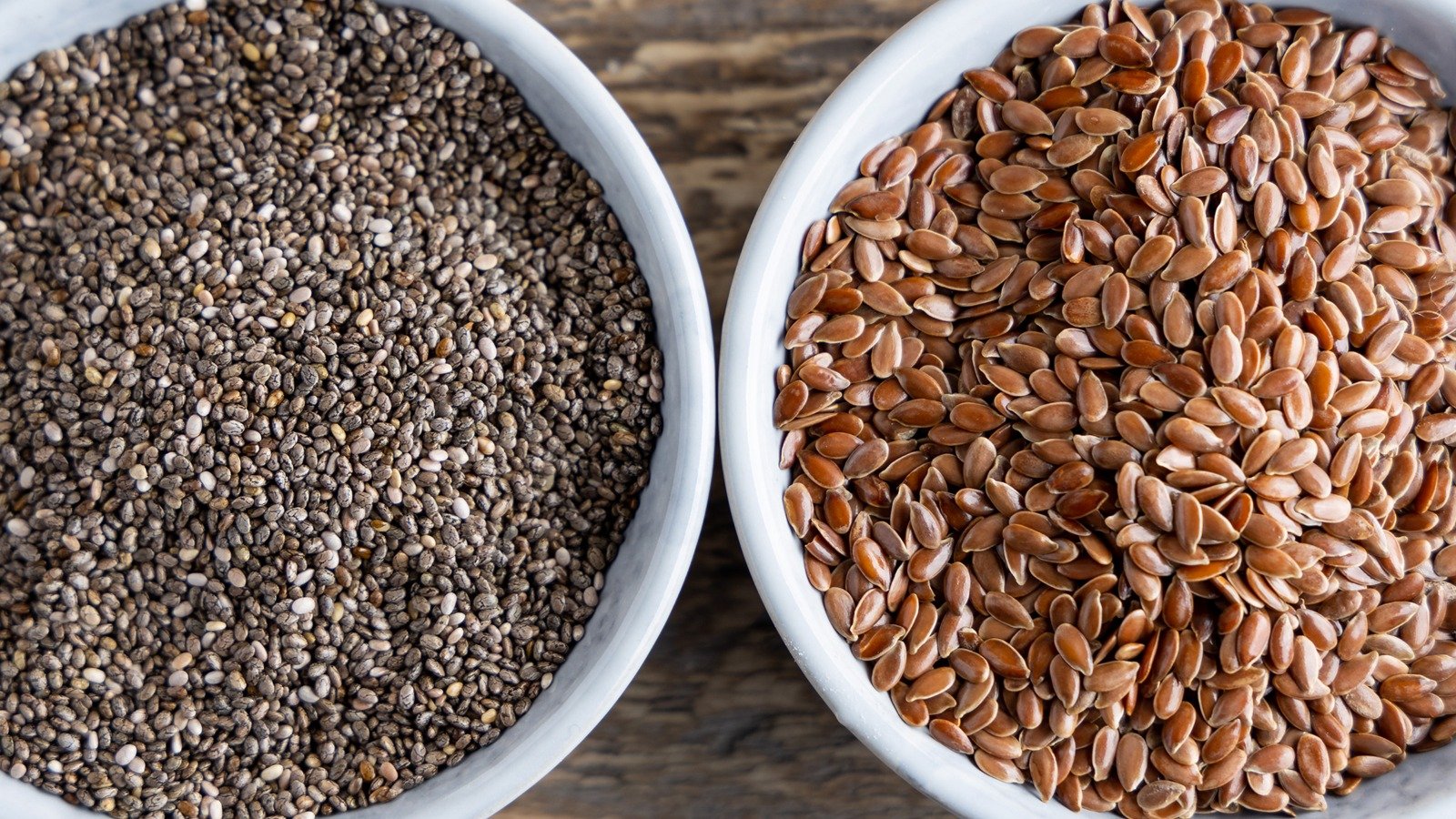
“Clean your gut like a brush” sounds like the kind of promise made in late-night wellness ads. Yet nutrition experts keep returning to three humble seeds — chia, flax, and basil — because they tap into something many people are struggling with quietly: poor digestion, bloating, sluggish bowels, and diets stripped of fiber.
Across Ghana’s busy cities, more people are eating on the move. Breakfast becomes sweet coffee and bread. Lunch is rushed.
Vegetables shrink on the plate while processed foods grow. The result often shows up in the gut first. Constipation, stomach discomfort, and energy crashes have become surprisingly common conversations among young professionals and older adults alike.
That is where these tiny seeds earn their reputation.

The Fiber Revolution Happening in a Spoonful
Chia seeds have become a favourite among health-conscious eaters because of what happens when they meet water.
They swell into a gel-like texture rich in soluble fiber, slowing digestion and helping people feel fuller for longer. That slower digestion can also help prevent sharp spikes in blood sugar after meals.
Flaxseeds bring a different strength. Once ground, they release omega-3 fatty acids and plant compounds linked to heart and digestive health. Nutritionists often recommend them for people trying to improve cholesterol levels or increase daily fiber without dramatically changing their diet.
Then there are basil seeds, known in some households through traditional herbal drinks and Asian desserts. They expand quickly in water and offer a cooling, filling effect that many people find soothing during hot weather.
Why Preparation Matters
The biggest mistake is eating these seeds dry or whole. Chia and basil seeds absorb water rapidly, so soaking them first makes them easier on the digestive system.
Whole flaxseeds often pass through the body untouched, taking many of their nutrients with them. Grinding them changes that completely.
The appeal is also practical. A spoonful can disappear into oatmeal, yogurt, smoothies, kunnu, or even homemade sobolo blends without changing the meal dramatically.
Gut health rarely comes from one miracle food. But sometimes, lasting change begins with tiny habits — and in this case, tiny seeds quietly doing heavy work inside the body.











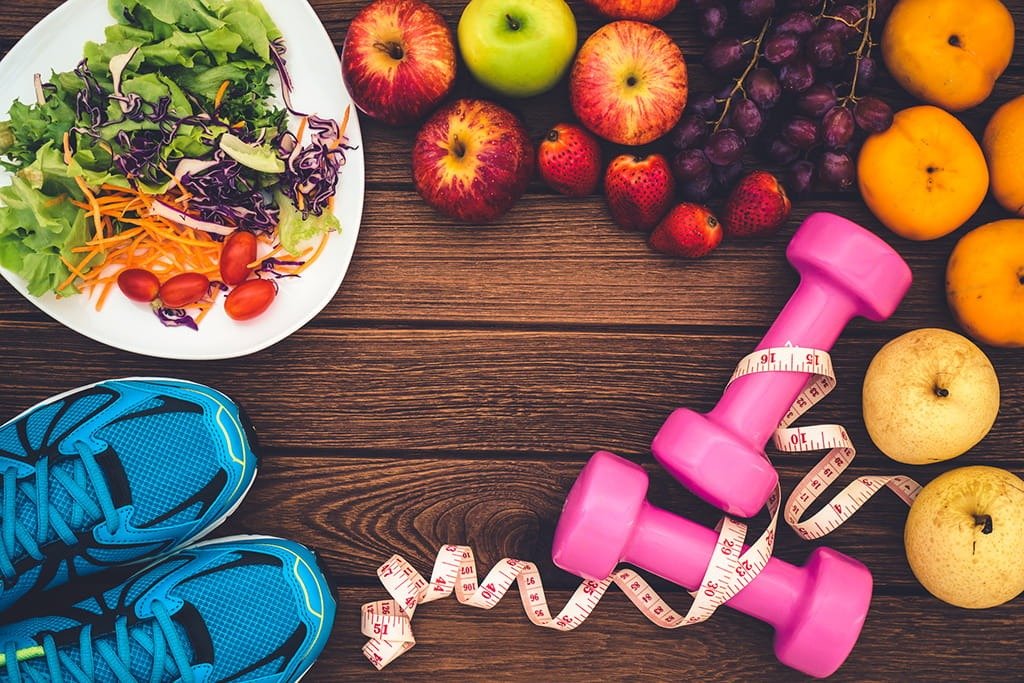
Three months feels like a long time when you’re waking up early to walk, choosing water over soft drinks, or sweating through gym sessions.
Yet for the body, 12 weeks is often just the beginning.
One of the biggest myths in fitness is that results should arrive quickly.
Social media fuels that expectation with dramatic before-and-after photos, but real health changes follow a slower timetable.
Muscles grow gradually, cravings soften over months, and a better sleep routine can take weeks before it feels natural.
Why Consistency Beats Speed
Think about someone in Accra who starts taking brisk evening walks after work or a student replacing sugary snacks with fruit during lectures.
The first few weeks can feel frustrating because the effort seems bigger than the reward. That doesn’t mean nothing is happening.
Research on habit formation suggests that behaviours become more automatic through repeated practice rather than overnight determination. At the same time, healthier eating can begin improving cholesterol, blood sugar, and other markers long before the mirror tells the same story.
This shift in perspective matters. Chasing rapid transformation often leads people to quit just as meaningful progress is building beneath the surface.
Give Your Future Self More Time
The healthiest people are rarely those who found a secret shortcut. They’re the ones who kept showing up after the excitement faded.
Instead of asking, “Why haven’t I changed yet?” try asking, “Am I still giving my body the time it needs?”
Health is less like flipping a switch and more like planting a tree. The strongest growth happens quietly before everyone else notices.

If you’ve been counting sit-ups instead of seeing results, the problem may not be your effort—it may be your strategy.
One of the biggest fitness myths is that doing endless crunches will melt away belly fat. Sit-ups strengthen the abdominal muscles, which matters for posture, balance and everyday movement.
The catch is that stronger abs don’t automatically become visible if they’re still covered by body fat.
Strength Is Only Part of the Picture
Think of your abdominal muscles like a sculpture behind a curtain. You can make the sculpture stronger, but the curtain still has to move before its shape becomes visible.
That’s why fitness experts increasingly encourage a wider approach: combine resistance training with regular movement, enough protein to support muscle, and an eating pattern you can maintain consistently.
These habits help create the conditions for losing body fat across the body, rather than trying to target one stubborn area.
The conversation around brown fat has also attracted attention. Brown fat burns energy to produce heat, while white fat mainly stores energy.
Scientists are exploring ways brown fat activity can influence metabolism, but there’s no proven shortcut that reliably turns white fat into brown fat through fasting alone in everyday life.
Build a Body That Works, Not Just One That Looks Good
For someone in Accra squeezing in a quick workout before work or a parent exercising between family responsibilities, this is good news. You don’t need hundreds of sit-ups to make progress.
Train your core, walk more, lift weights a few times each week, eat enough protein, and be patient.
The visible changes often follow the healthy habits—not the other way around.

Some of the healthiest moments in life don’t happen in a gym. They happen when you step outside, feel the sun on your face, and give your mind permission to slow down.
Many people think spending time outdoors requires a weekend getaway or an expensive adventure. The reality is much simpler.
A walk through a neighbourhood park, breakfast on a balcony, or watching the sunset after work can become small rituals with surprisingly meaningful benefits.
Nature Doesn’t Ask for Perfection
Our daily routines often keep us indoors—behind office desks, in traffic, or glued to screens. Breaking that pattern doesn’t have to mean adding another demanding task to your schedule.
Take your workout outside instead of staying on a treadmill. Turn a phone call into a walking meeting. Pack lunch for a nearby park, or carry a book to a quiet garden.
Even hobbies like photography, painting, or gardening become opportunities to spend more time in fresh air.
These small choices do more than fill your day with pleasant moments. Research has linked time in nature with lower stress levels, improved sleep, better concentration, increased physical activity, and stronger social connections.
Build a Habit That Lasts
The secret isn’t spending hours outdoors once a month. It’s making outside time feel normal.
Choose one consistent moment each day—a morning walk, an evening sunset, or watering plants after work—and protect it like any other appointment. Over time, those minutes become part of your routine rather than another item on your to-do list.
For Ghanaians, that might mean an evening stroll along Labadi Beach, a visit to Aburi’s green spaces, or simply sitting under a tree in your neighbourhood.
Nature doesn’t have to be far away. Sometimes the best medicine is waiting just outside your door.



-

 Ghana News1 day ago
Top Headlines From Ghanaian Newspapers: Monday, Sept. 7, 2026
-

 Festivals & Events2 days ago
Dzawuwu: The Volta Festival That Celebrates Agave Bravery
-

 Sights and Sounds2 days ago
Trade Accra’s Traffic for Treetops at Legon Botanical Gardens
-

 Ghana News10 hours ago
Top Headlines From Ghanaian Newspapers: Tuesday, Sept. 8, 2026
-

 Ghana News8 hours ago
How Ghana’s Government Pressured MTN, Telecel, and AirtelTigo to Cut Data Prices
-

 Health & Wellness2 days ago
Why 500 Sit-Ups a Day Won’t Reveal Your Abs
-

 Ghana News1 day ago
Ghanaian Vaccine and Medicine Manufacturers Get Ready Market After NVI Clinches Historic Deal to Sell to Africa’s Bulk Buying Group
-

 Arts and GH Heritage14 hours ago
The Stories We Live With: Inside Nubuke Foundation’s Weight of the Ordinary