
Taste GH
Kelewele and Groundnuts: Ghana’s Spicy-Sweet Street Snack Everyone Loves

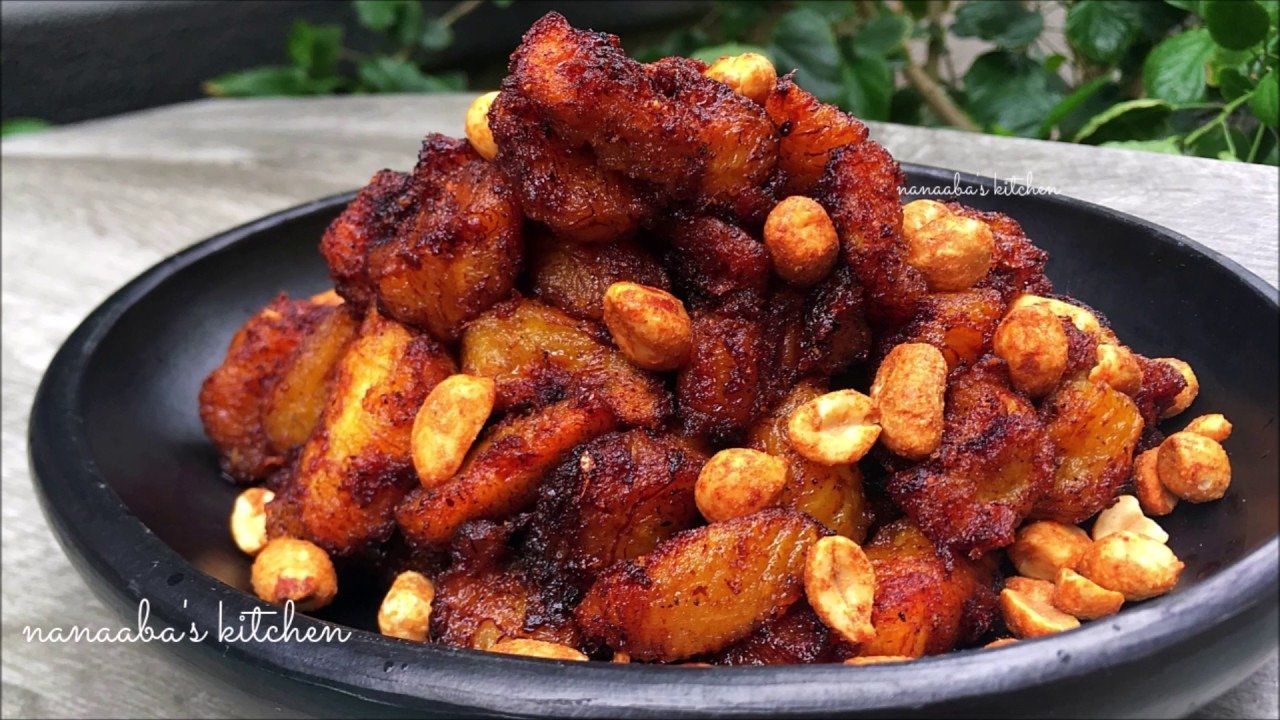
The scent arrives before the snack itself—warm ginger, pepper, and caramelized plantain drifting through the evening air in Accra. Follow that irresistible aroma and you’ll likely find a small street stall serving one of Ghana’s most beloved bites: kelewele with fried groundnuts.
Kelewele begins with ripe plantains cut into small cubes and tossed in a lively blend of spices—usually ginger, garlic, pepper, and a hint of salt.
Once lowered into hot oil, the plantain turns golden and crisp at the edges while remaining soft and sweet inside. The result is a snack that balances heat, sweetness, and smoky richness in a single mouthful.
But kelewele rarely travels alone. A handful of crunchy fried groundnuts—peanuts roasted until fragrant—often accompanies the dish.
Their nutty bite complements the spiced plantain perfectly, adding texture and depth to every serving. Locals know the rhythm well: a toothpick in hand, a paper wrap of kelewele in the other, and laughter shared with friends on a warm night.
Across Ghana, kelewele vendors appear as evening falls. Outside busy markets, near roadside corners, or beside lively bus stops, small frying pans sizzle under the glow of streetlights.
Office workers stop by on their way home, students gather after lectures, and late-night travelers grab a portion before continuing their journey.
For visitors, tasting kelewele is an introduction to Ghana’s vibrant street food culture—simple ingredients transformed into something memorable. For Ghanaians, it’s comfort food wrapped in nostalgia, a snack that carries the flavors of home.
@chefabbys KELEWELE might just be Ghana's best Street Food🇬🇭✨! We need to position it and give it even more credit ! It's easy , fast, extremely delicious to make. I made this in bulk hence the quantity of the spices All you need is Pepper Ginger Onion Red chillies Hwentia Cloves Calabash nutmeg EFOM WISA (alligator pepper ) Oil #FoodTiktok #fyp #foryou #virall ♬ With You (feat. Omah Lay) – Davido
Whether enjoyed after sunset or as a quick bite during a city stroll, kelewele and fried groundnuts remain a delicious symbol of Ghana’s everyday culinary magic.









Compact, filling and made from one of West Africa’s most treasured grains, Kapala shows how Ghanaian food traditions turn simple ingredients into practical nourishment for everyday life.
Known as millet balls, Kapala is prepared by cooking millet and moulding it into firm, round shapes.
The result is a humble food with a pleasantly grainy texture and a mild, earthy flavour that allows it to pair beautifully with a variety of accompaniments.
A Taste of Ghanaian Food Heritage
Kapala’s appeal lies in its versatility. It can be served alongside soup, where the millet balls provide a satisfying base for a hearty meal, or enjoyed with milk for a simpler combination.
For those who prefer a savoury kick, a spicy groundnut-based sauce offers a delicious contrast, bringing creamy nuttiness and heat to the grain’s gentle flavour.
Millet has long been valued in parts of Ghana and across West Africa, particularly in communities where traditional grains remain important to everyday cooking.
Kapala reflects a practical approach to food: preparing a staple that can be carried easily and eaten when needed.
For farmers heading to their fields, its compact shape makes it convenient to transport and consume during a demanding working day. It is a reminder that traditional food can be both culturally meaningful and adapted to the realities of rural life.
Nourishment in Every Bite
Millet provides carbohydrates for energy, along with dietary fibre, minerals and other nutrients.
Its fibre content can support digestive health, while its carbohydrates help fuel physical activity. The overall nutritional value of Kapala depends on how it is prepared and what accompanies it.
For international visitors exploring Ghanaian cuisine, Kapala offers an opportunity to appreciate the ingenuity behind everyday local foods. Its simplicity is part of its charm: a familiar grain transformed into a portable, nourishing staple.
In every rounded ball is a story of resourcefulness, agricultural heritage and the enduring connection between Ghanaian food and daily life.

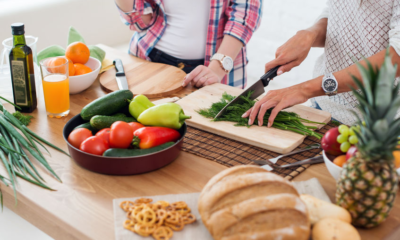
From a steaming bowl of fufu and soup to the irresistible aroma of kelewele fresh from the frying pan, Ghanaian food offers more than comfort and flavour.
When balanced well, it can also provide many of the nutrients the body needs to thrive.
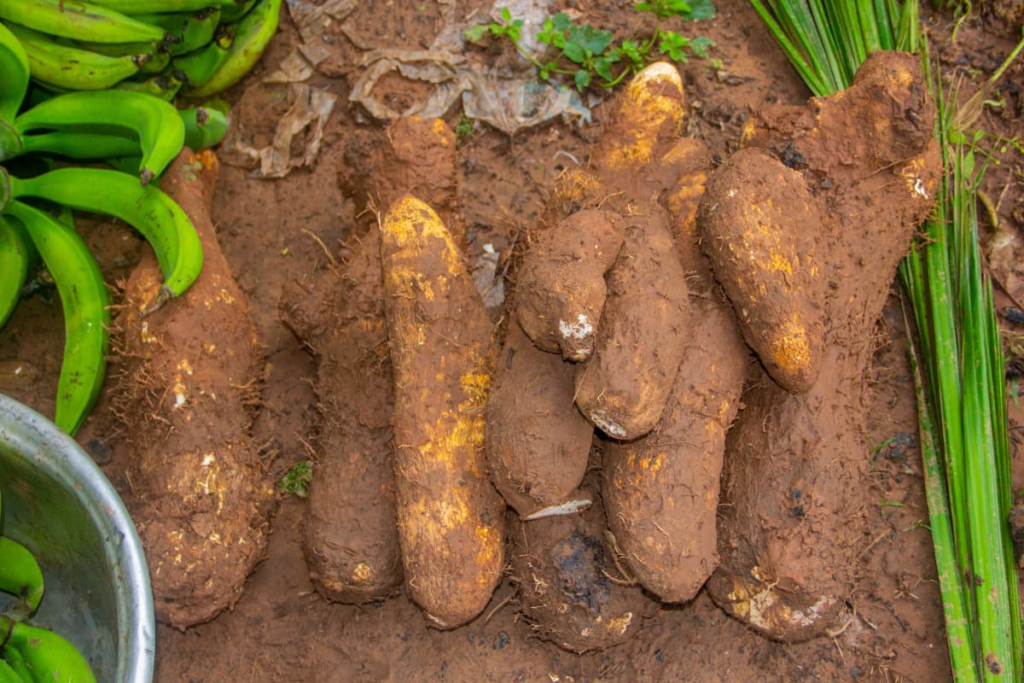
Traditional Ghanaian cuisine draws heavily on natural ingredients, including yam, plantain, beans, fish, groundnuts and leafy vegetables.
These foods supply energy, protein, fibre, vitamins and minerals. Kontomire stew, okro soup and garden eggs bring colour and nutrients to the table, while fish and legumes offer protein.
Spices and seasonings give dishes their distinctive character, making everyday meals deeply satisfying.
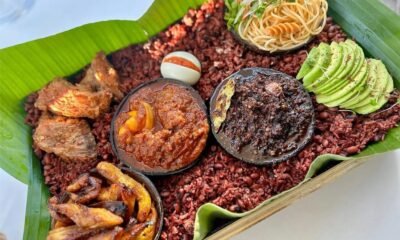
Waakye, the much-loved combination of rice and beans, illustrates this potential. Paired with vegetables, fish or eggs, it can provide a satisfying mix of carbohydrates, protein and fibre.
Yet the nutritional value depends on portion sizes and the amount of oil, salt and rich accompaniments added.
When Tradition Needs Balance
Palm oil gives dishes such as red red their familiar colour and taste. It also contains vitamin E and carotenoids, which the body can convert into vitamin A. However, it is high in saturated fat, so using moderate amounts and avoiding repeated overheating are sensible choices.
Portion sizes matter, too. Meals dominated by large servings of fufu, banku, rice or yam, with little vegetables or protein, may make it harder to maintain a balanced diet over time.
Meanwhile, instant noodles, sugary drinks and heavily processed snacks are increasingly competing with home-cooked meals. Frequent consumption can contribute to excessive sugar, salt and calorie intake.
Keeping Ghanaian Food Healthy
The answer is not to abandon beloved local dishes, but to prepare and serve them thoughtfully.
Enjoy reasonable portions of starchy staples, add generous vegetables, include beans, fish or other protein sources, and use oil and salt sparingly.
Ghanaian food can be both delicious and nourishing. The secret lies in balance, variety and preserving the best of local cooking while making choices that support long-term health.
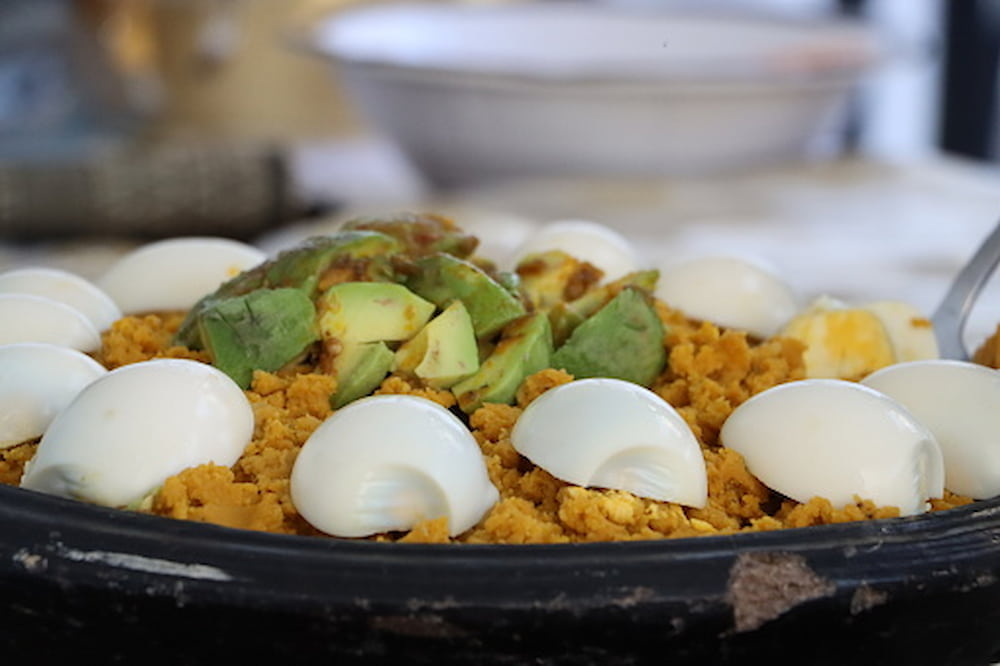
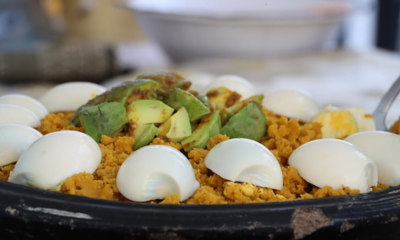
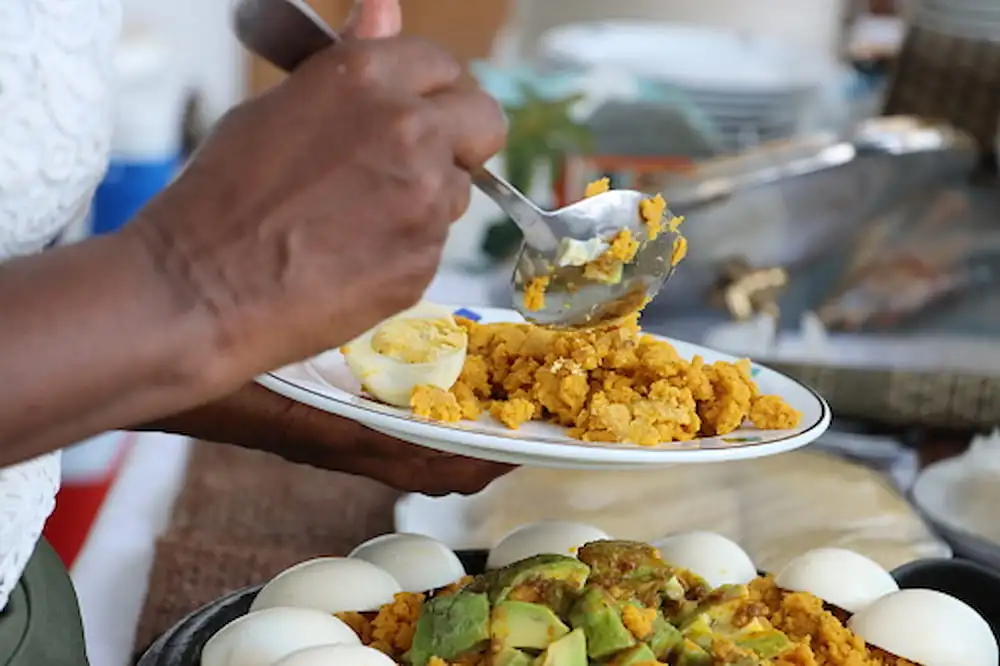
Soft, golden and richly scented with palm oil, Oto is one of those Ghanaian dishes that brings comfort to the table while connecting food with tradition.
Made primarily from boiled yam mashed with palm oil and served with boiled eggs, this simple yet satisfying dish is especially familiar during important family occasions and traditional celebrations.
Oto’s appeal lies in its uncomplicated ingredients and distinctive flavour. The yam provides a soft, filling base, while palm oil lends its characteristic colour, earthy aroma and richness.
Boiled eggs add a contrasting texture and make the meal more substantial. Depending on personal preference and preparation, seasonings can introduce extra warmth and depth.
A Nourishing Taste of Ghana
Beyond its cultural significance, Oto offers nutritional benefits from its core ingredients. Yam supplies carbohydrates, which the body uses for energy, alongside fibre, potassium and other nutrients. Its fibre content can support healthy digestion as part of a balanced diet.
Eggs contribute high-quality protein, which helps the body maintain and repair muscles and other tissues.
They also provide nutrients such as vitamin B12 and choline, which support normal bodily functions.
Palm oil contains vitamin E compounds and carotenoids, including beta-carotene in red palm oil, which have antioxidant properties. However, it is also rich in saturated fat, so the quantity used matters. Enjoying Oto with a moderate amount of oil can help balance flavour and nutritional considerations.
Spices and herbs, when included, may contribute additional flavour and beneficial plant compounds.
Ghana has a long tradition of using local plants for culinary and medicinal purposes, although their health effects depend on the specific ingredient and how it is used.
A Dish Rooted in Tradition
Oto demonstrates how familiar ingredients can create food that is both nourishing and meaningful.
Whether served during a special occasion or enjoyed as a comforting meal, it remains a delicious expression of Ghanaian food culture, bringing together flavour, nourishment and tradition in every spoonful.



-

 Ghana News23 hours ago
OBITUARY: Gamal Gorkeh Nkrumah, Son of Ghana’s Founding President, Dies in Cairo
-

 Health & Wellness1 day ago
Walking Is More Than Exercise: Small Steps That Can Transform Your Health
-

 Festivals & Events21 hours ago
MaddFest 2027: Welcome the New Year with a Night of Celebration in Accra
-

 Sights and Sounds2 days ago
EPP BookShop at Legon: A Destination for Students, Families and Book Lovers
-

 Homes & Real Estate2 days ago
Building Smarter in Ghana: Could Plastic Rebar Clips Improve Construction Efficiency?
-

 Arts and GH Heritage1 day ago
Inside Togo’s Abandoned Colonial Building, African Artists Reclaim Cultural Memory
-

 Global Update22 hours ago
Wave of Student Killings at Mexico Universities Raises Safety Concerns
-

 Ghana News22 hours ago
Mahama to Churches: The Real Sermon Is Written After the Closing Prayer