
Sights and Sounds
Before the Cedi: The Fascinating Journey of Money in Ghana

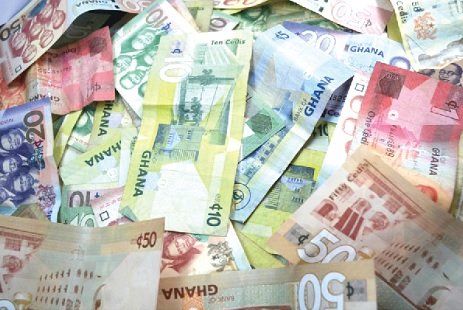
Long before banknotes and coins filled wallets across Ghana, trade in local markets relied on something far simpler: tiny white shells. Known as cowries, these shells once served as one of the most widely used forms of money in the region that later became the Gold Coast. They passed from hand to hand in busy markets, paying for food, cloth, and daily essentials.
But the story of Ghana’s currency is also a story of power, independence, and national identity.
When the British consolidated their colonial rule over the Gold Coast, the traditional system of cowry-based trade gradually gave way to a European monetary framework. The colonial administration introduced pounds, shillings, and pence—currencies managed by the West African Currency Board and circulated across several British territories in West Africa.
For many people, the new system was complicated and unfamiliar, yet it became the official means of exchange throughout the colonial era.
Everything began to change after Ghana became the first sub-Saharan African country to gain independence in 1957 under the leadership of Kwame Nkrumah. A year later, the newly established Bank of Ghana introduced the country’s first national currency: the Ghana pound.
Although the Ghana pound symbolized political independence, it still followed the British-style system of pounds, shillings, and pence. The real break from colonial monetary traditions came in 1965, when the country adopted a decimal system.
That year, Ghana introduced the cedi and pesewa, replacing the old pound-based structure entirely. The new currency was more than a financial reform—it was a powerful symbol of national pride. The notes carried the portrait of President Nkrumah, reflecting the optimism of a young nation shaping its own future.
Even the name “cedi” carried historical meaning. Derived from the Akan word “sɛdeɛ,” meaning cowry shell, it paid tribute to the shells that once fueled commerce across the region centuries earlier.
Political changes soon reshaped the currency again. After Nkrumah was overthrown in 1966, the government introduced a “new cedi” in 1967. This redesign removed Nkrumah’s portrait and replaced it with national symbols such as the Ghana coat of arms, the Independence Arch, and the Adome Bridge—images meant to reflect the country’s broader identity.
Over the decades that followed, inflation steadily pushed prices upward. Everyday purchases often required thousands of cedis, making the currency increasingly cumbersome to use.
In 2007, the Bank of Ghana introduced the modern Ghana cedi, removing four zeros from the old notes. Under the reform, 10,000 old cedis became one new cedi, simplifying transactions and restoring confidence in the currency.
From cowry shells in bustling markets to modern banknotes, Ghana’s monetary history mirrors the nation’s broader journey. It reflects colonial influence, the struggle for independence, political change, and economic adaptation.
In many ways, the story of the cedi is not just about money. It is about how a country continually reshapes its identity while holding onto echoes of its past—even in the name of its currency.











Sights and Sounds
Mind Craft Camps Accra Turns School Holidays into Adventures in Creativity and Discovery
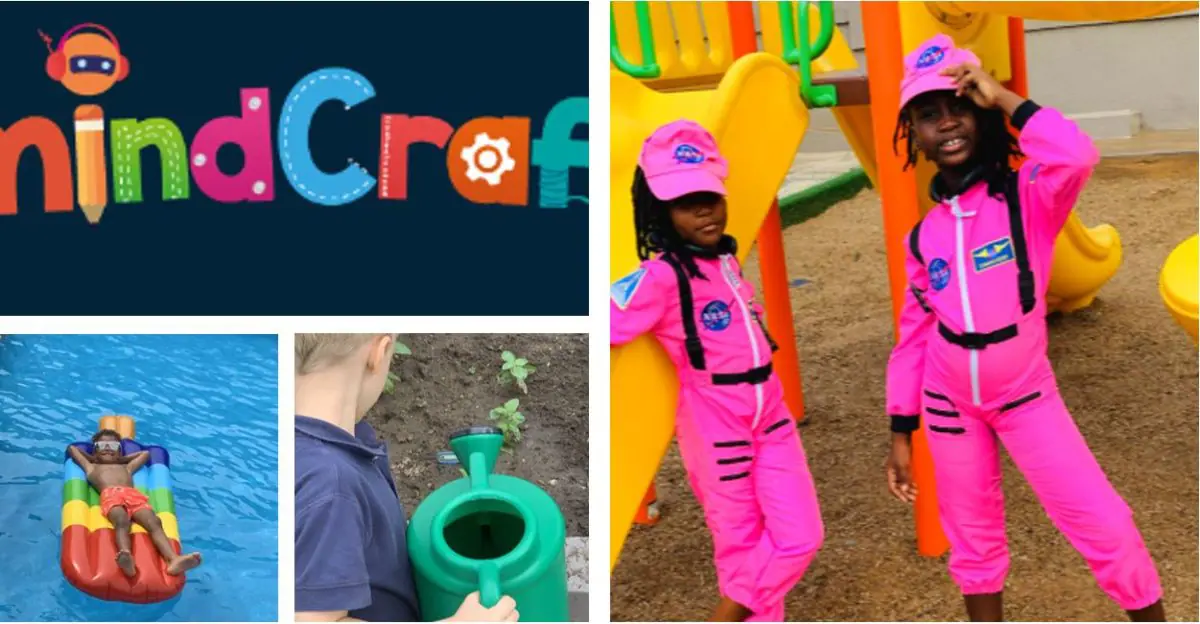
For children, a school holiday is an invitation to explore, imagine and play. For parents, finding activities that keep young minds engaged while providing a safe, supervised environment can be a challenge.
In Accra, Mind Craft Camps offers a way to bring both needs together, turning school breaks into opportunities for creativity, discovery and practical learning.
Organised by Cheeky Monkey Club, a provider of holiday camps in Ghana’s capital, Mind Craft is a multi-activity, outdoor-based programme built around invention literacy and skill development.
Its approach gives children room to enjoy their holidays while engaging in imaginative activities designed to encourage curiosity and new skills.
The camps run around school holidays throughout the year, with the summer programme taking place from July through August. Sessions run from 9am to 3pm and welcome children aged three to 12, offering families a structured option during the long school break.
A key feature is the way children are grouped according to age. Participants aged three to five, six to eight, and nine to 12 are placed in separate groups, allowing activities to be suited to their different stages of development.
This arrangement helps ensure that younger children and older participants can engage with programmes appropriate to their abilities and interests.
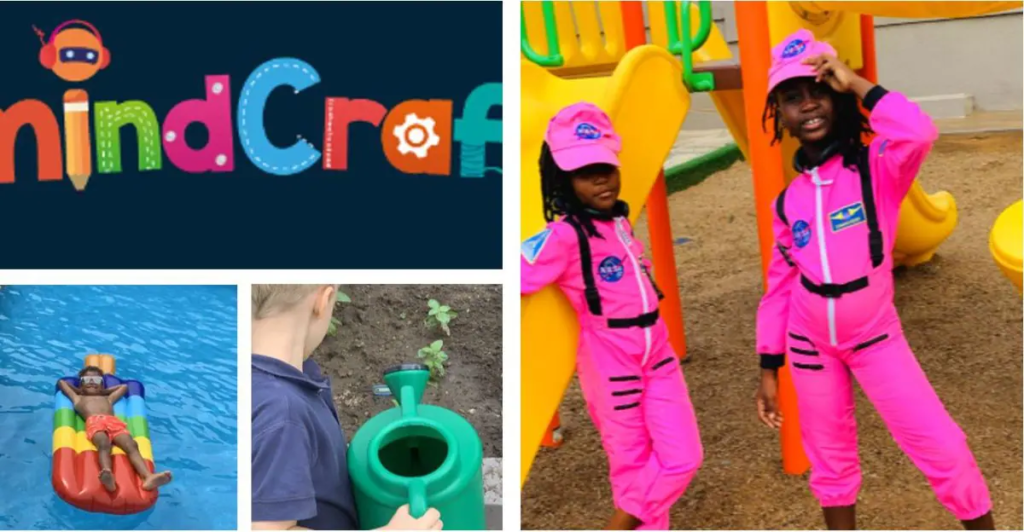
Located in East Legon and Cantonments, Mind Craft also offers parents flexibility when planning their children’s holiday schedules. Depending on availability, families can choose drop-in sessions, half-day or full-day attendance, bookings for the entire summer, or weekly packages.
Fees are charged in Ghanaian cedis, with options starting from GH₵100, making it possible for parents to consider different arrangements based on their schedules and budgets.
By combining outdoor activities, supervised play and skill-building, Mind Craft Camps presents school holidays as more than a pause from classroom learning.
They become an opportunity for children to experiment, make discoveries and develop their abilities while enjoying the freedom of play.
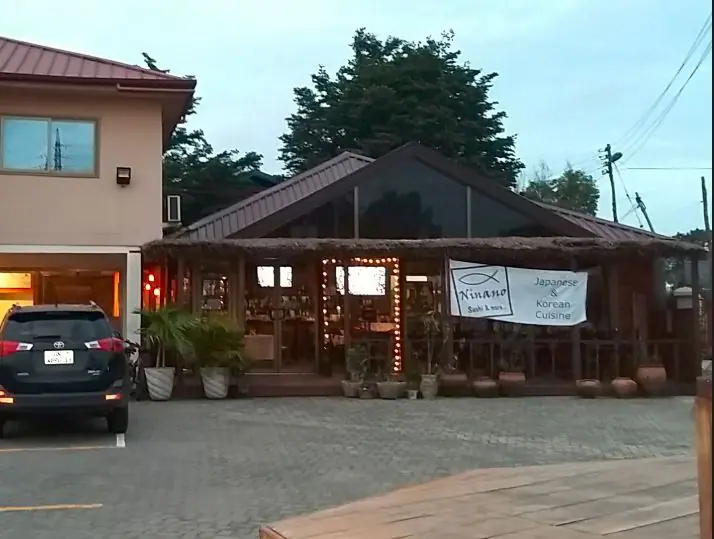
Step inside Ninano Korean and Japanese Restaurant, and the atmosphere offers a welcome escape from the familiar.
With its distinctive wooden interiors, freshly prepared sushi and traditional East Asian dishes, the restaurant brings a taste of Japan and Korea to Ghana, creating a dining experience that has attracted both international attention and expatriate diners.
For Japanese and Korean nationals living and working in Ghana, Ninano offers familiar flavours far from home.
For other diners, it presents an opportunity to explore two celebrated Asian culinary traditions under one roof.
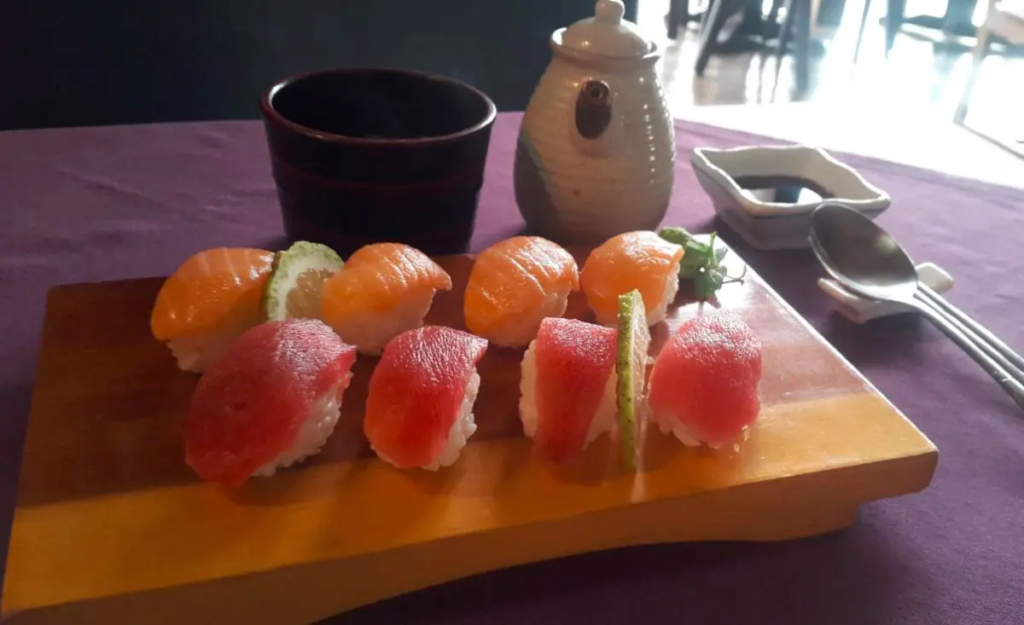
Japanese cuisine takes centre stage through freshly prepared sushi and udon noodles. Thick and satisfying, udon is a Japanese wheat-flour noodle commonly served in a hot broth, offering a comforting alternative to lighter dishes.
Sushi, meanwhile, provides a fresh, carefully prepared option that has helped the restaurant gain recognition beyond Ghana, including a feature on Japanese television.
Korean food brings a different character to the menu. Bulgogi, a popular Korean dish whose name translates roughly to “fire meat”, features thin slices of beef or pork marinated before being grilled.
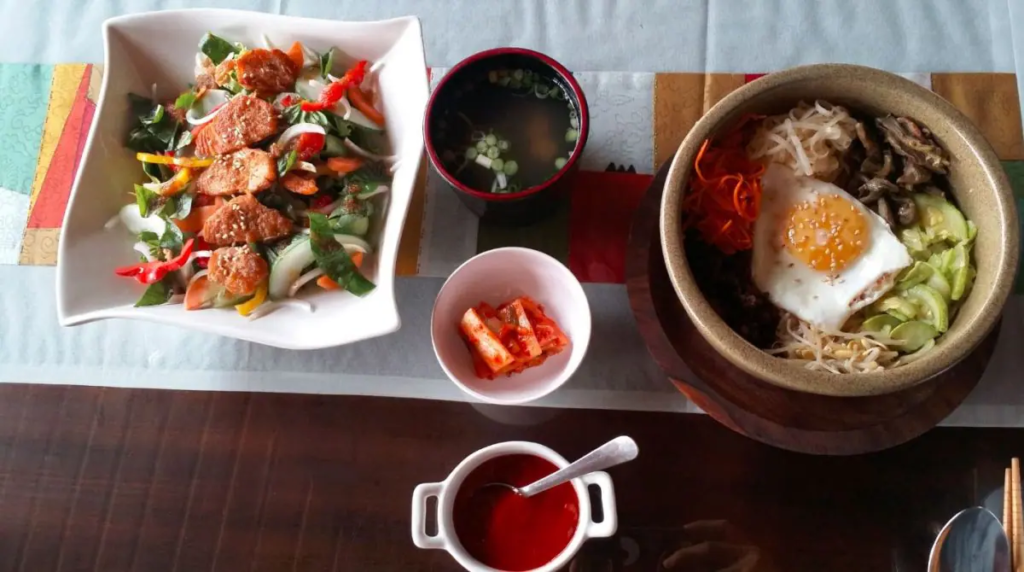
Its savoury, richly seasoned flavour makes it a natural companion to the restaurant’s Japanese offerings.
Yet Ninano’s appeal extends beyond the food. Live music adds to the atmosphere, while large-screen televisions occasionally show live sports and other events.
The bar serves cocktails, wines, soft drinks and Japanese and Korean favourites, giving guests another reason to linger after their meal.
Service and ambience also contribute to the experience. Previous diners have praised the speedy service and quality of the food, describing the restaurant’s wooden setting as an environment that can momentarily make them feel as though they have travelled beyond Ghana’s borders.
Ultimately, Ninano offers more than a menu of Asian specialities. It provides a meeting point for familiar tastes and new discoveries, making it a distinctive destination for sushi lovers, Korean food enthusiasts and anyone seeking an East Asian dining experience in Ghana.
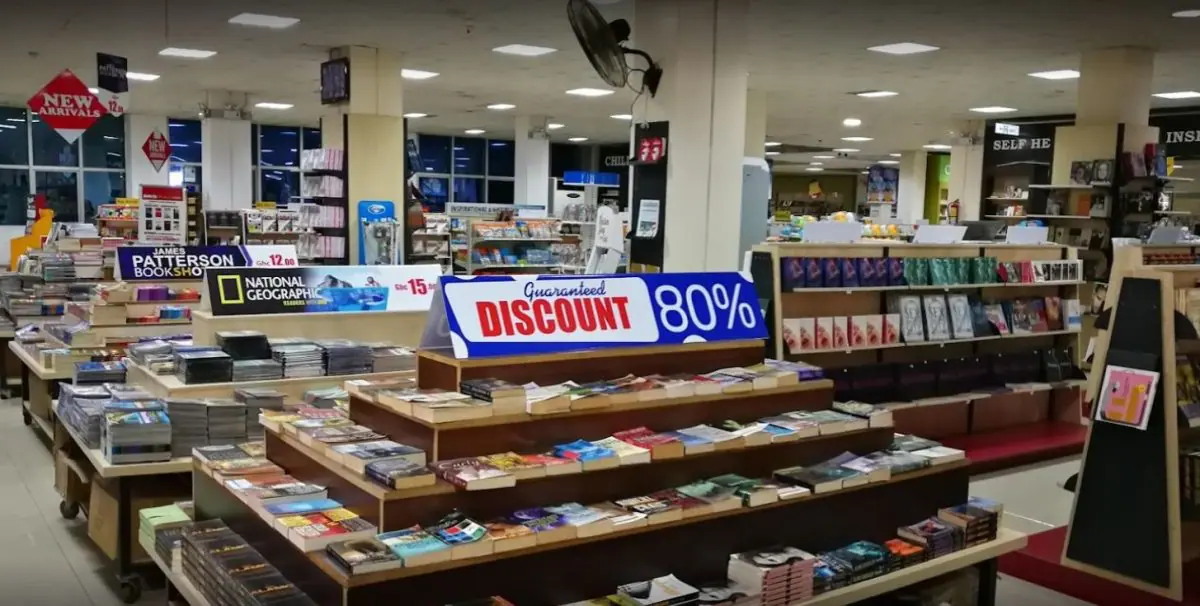
A child searching for their first picture book, a university student hunting for a prescribed textbook or a reader hoping to find their next favourite novel can all begin their search at the same place: EPP BookShop at Legon City Mall.
Located at 7 Lagoon Street, off Giffard Road, the Legon branch brings together books for different ages, interests and stages of learning.

Its appeal lies in the range of titles available, making it a useful stop for families preparing children for school, students pursuing higher education and readers looking beyond the classroom.
From a Small Accra Shop to a Growing Book Business
EPP Books began in 1991 as a modest bookshop in Accra, occupying a space of no more than 20 square metres.
Over the years, it grew into a chain with branches across the West African sub-region, expanding its reach beyond its original location.
That journey reflects the continuing need for accessible books in homes, schools and educational institutions.
For many learners, textbooks and supplementary readers are essential tools, while novels and self-help books offer opportunities for entertainment, personal growth and discovery.
Books for Different Stages of Life
At the Legon branch, the selection spans preschool materials, children’s readers, school curriculum books, secondary-school textbooks and university-level titles. Customers can also browse bestselling novels and books on personal development.
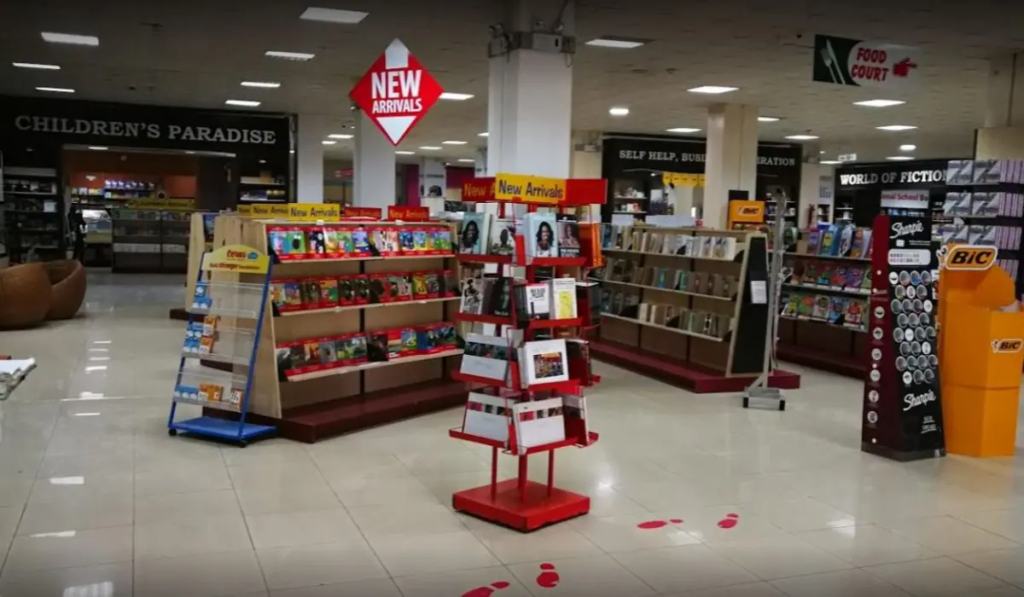
EPP BookShop serves both retail and wholesale customers, giving individual readers and organisations options for purchasing books. If a particular title is unavailable on the shelves, the shop can also arrange to order it.
For residents, students and visitors in the Legon area, the branch offers more than a place to buy reading materials. It provides a practical starting point for the search for knowledge, whether that begins with a child’s first schoolbook or a reader’s next literary adventure.


Funding Fears Loom For Ghana’s Life-Saving Malaria Vaccine Five Years After Roll Out

‘There was a Coordinated Disclosure Plan’: AI-Discovered Flaw in PHP Triggers Global Internet Chaos as Cybercriminals Race to Exploit It

Yandex Strikes: Can Moscow Host Africa Under Drone Threat?
-
 Ghana News2 days ago
Major Sexual Abuse Scandal Rocks Ghana High School: Obuasi School Headmaster Sues Journalist for GH¢2 Million as Investigation Into Alleged Misconduct Widens
-
 Opinion2 days ago
Yandex Strikes: Can Moscow Host Africa Under Drone Threat?
-
 Global Update2 days ago
‘There was a Coordinated Disclosure Plan’: AI-Discovered Flaw in PHP Triggers Global Internet Chaos as Cybercriminals Race to Exploit It
-
 Ghana News2 days ago
Funding Fears Loom For Ghana’s Life-Saving Malaria Vaccine Five Years After Roll Out