
Health & Wellness
You Finished the Fast, But Did You Finish Yourself? A Guide to Eating After Fasting

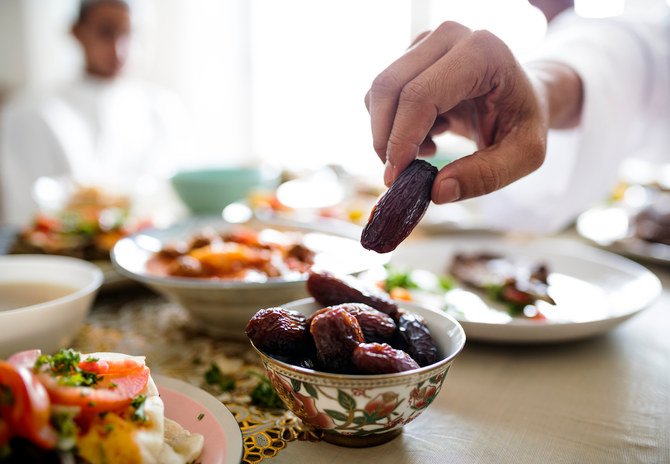
There is a rhythm to fasting in Ghana that we all know well. Whether it is for Ramadan, the Lenten season, or the growing number of people doing intermittent fasting for weight loss, we understand the struggle of the day. The thirst. The headache. The clock that moves backward.
But there is a misconception we carry that is slowly sending people to the hospital. We think the hard part is the fasting. We think victory is the sunset.
It is not.
The hard part, the dangerous part, is the breaking. And most of us are doing it wrong.
The Shock and Awe Method
Look at what happens in many homes when the fast ends. A person who has not touched water in fifteen hours walks in, grabs a sachet, and empties it in one long gulp. Then they spot the kelewele. Then the jollof. Then the fried chicken. Then the shito.
To the starving brain, this feels like a party. To the stomach, it feels like a siege.
Your digestive system has been asleep. It is lying on the couch, snoring. If you suddenly throw a bucket of cold water on it and drag it outside to run a marathon, it will collapse. That is what happens when you flood a dormant stomach with salt, oil, and heavy carbohydrates immediately.
The bloating you feel after? That is not satisfaction. That is your stomach screaming.
The Sip That Saves
If you take nothing else from this, take this: start with water, but drink it like a child. Small, small. Let it trickle down. You are not putting out a fire; you are waking up an organ. You are whispering to your kidneys, “Good evening, we are back in business.” If you gulp, you shock the system and confuse the bladder.
Then, wait ten minutes.
Do not touch the food yet. Give the water time to move. Let the stomach rub its eyes and stand up.
The Date Versus The Doughnut
When you finally eat, your body is screaming for two things: sugar and salt. But not the kind of sugar that comes from a sugary drink. Your brain needs glucose to function, but if you hit it with processed sugar, your insulin spikes so fast you will crash harder than you did during the fast.
This is why the date is sacred. Not just because of tradition, but because it is a natural sugar that comes with fiber. The fiber slows down the absorption. It tells the sugar, “Walk, don’t run.” Watermelon works too. Even popcorn—plain, not the one they sell at the cinema with butter—gives you bulk without the chaos.
Protein Is the Repair Man
Here is where we miss it. We focus on carbohydrates because we want to feel full. But your body has been running on an empty tank all day. While you were working, praying, or lying down willing the clock to move, your muscles were slowly breaking down. Tissues were degrading.
Carbohydrates give you energy. Protein repairs the damage. If you eat only banku and okro stew without the fish, you are filling the tank but not fixing the engine. You need the fish, the egg, the meat. Not as a small topping, but as a main character on the plate.
The Salt Trap
Now, let us talk about the real enemy: the seasoning cube.
When you have not eaten all day, your blood pressure is often lower than normal. The moment you take in a lot of salt—from overly spiced stews, from fried plantain drenched in oil, from waakye with all the shito—your body absorbs that sodium at lightning speed because there is nothing else in the system to slow it down.
Water rushes to dilute the salt, but if you haven’t sipped enough water, you end up with hypertension spikes. You end up dizzy. You end up in the casualty ward wondering why your “reward meal” turned into an ambulance ride.
Know Thyself Before Thy Neighbor
One last thing. Do not copy your friend.
I know people who do three days dry fast and walk around like lions. Good for them. You are not them. If you are diabetic, if you are pregnant, if you have ulcers, fasting is not a flex. It is a medical decision. The ancestors are not calling you home because you refused to eat. They are calling you home because you refused to listen to your body.
Breaking a fast is not about filling the stomach. It is about convincing the body that the famine is over, gently. Do it slow. Do it smart. And send this to your group chat before somebody faints.










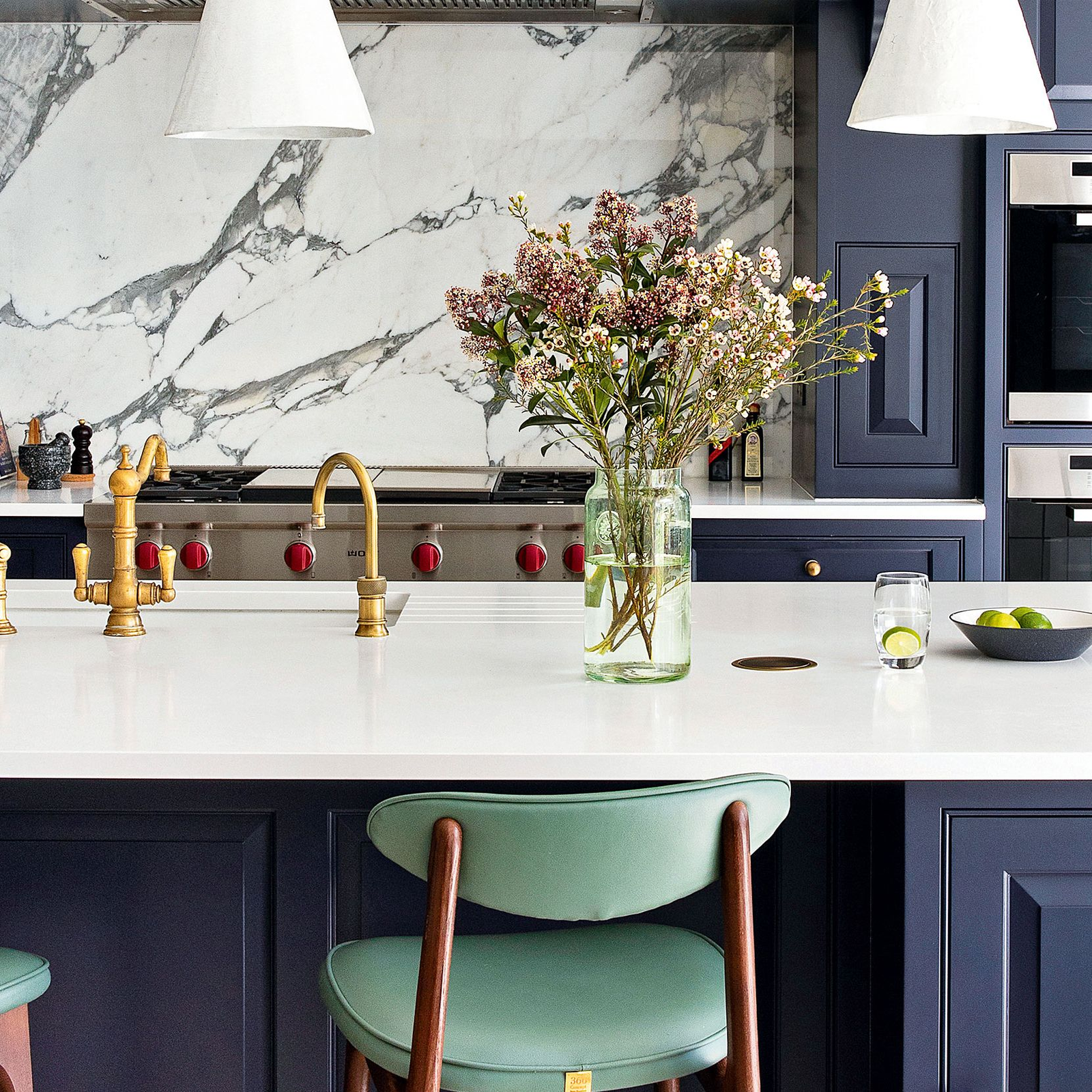
The quickest way to ruin a good meal might not be the recipe. It could be the height of your kitchen counter.
Many people accept sore shoulders or an aching lower back after cooking as part of everyday life. Yet one overlooked design choice—using a one-size-fits-all countertop—can turn simple tasks like chopping vegetables or stirring soup into repeated strain.
Why Your Counter Height Matters
Standard kitchen counters are built around average measurements, not individual bodies. If a worktop sits too low, taller people spend long periods bending forward. If it is too high, shorter cooks may lift their shoulders unnaturally while preparing food.
Repeating those awkward movements every day can contribute to neck tension, back discomfort and fatigue.
In homes across Ghana, where preparing family meals often involves extended time at the counter, small ergonomic improvements can make a noticeable difference. Even raising or lowering a work surface by a few centimetres can help keep the spine in a more comfortable position.
A Healthier Kitchen Starts with Better Design
Ergonomics is not just for office desks. Keeping frequently used utensils beside the cooking area reduces unnecessary twisting and reaching, while creating a dedicated appliance corner helps minimise clutter that forces awkward movements.
Storage matters too. Cabinets that reach the ceiling reduce dust build-up, cutting down on frequent overhead cleaning that can strain the shoulders.
Small Changes, Big Relief
A healthier kitchen is not always about buying expensive gadgets. Sometimes it is about designing the space around the person using it.
Whether you are renovating your home or making small adjustments to your cooking routine, choosing comfort over convention can protect your back for years to come. The kitchen should be a place that nourishes your body—not one that quietly wears it down.
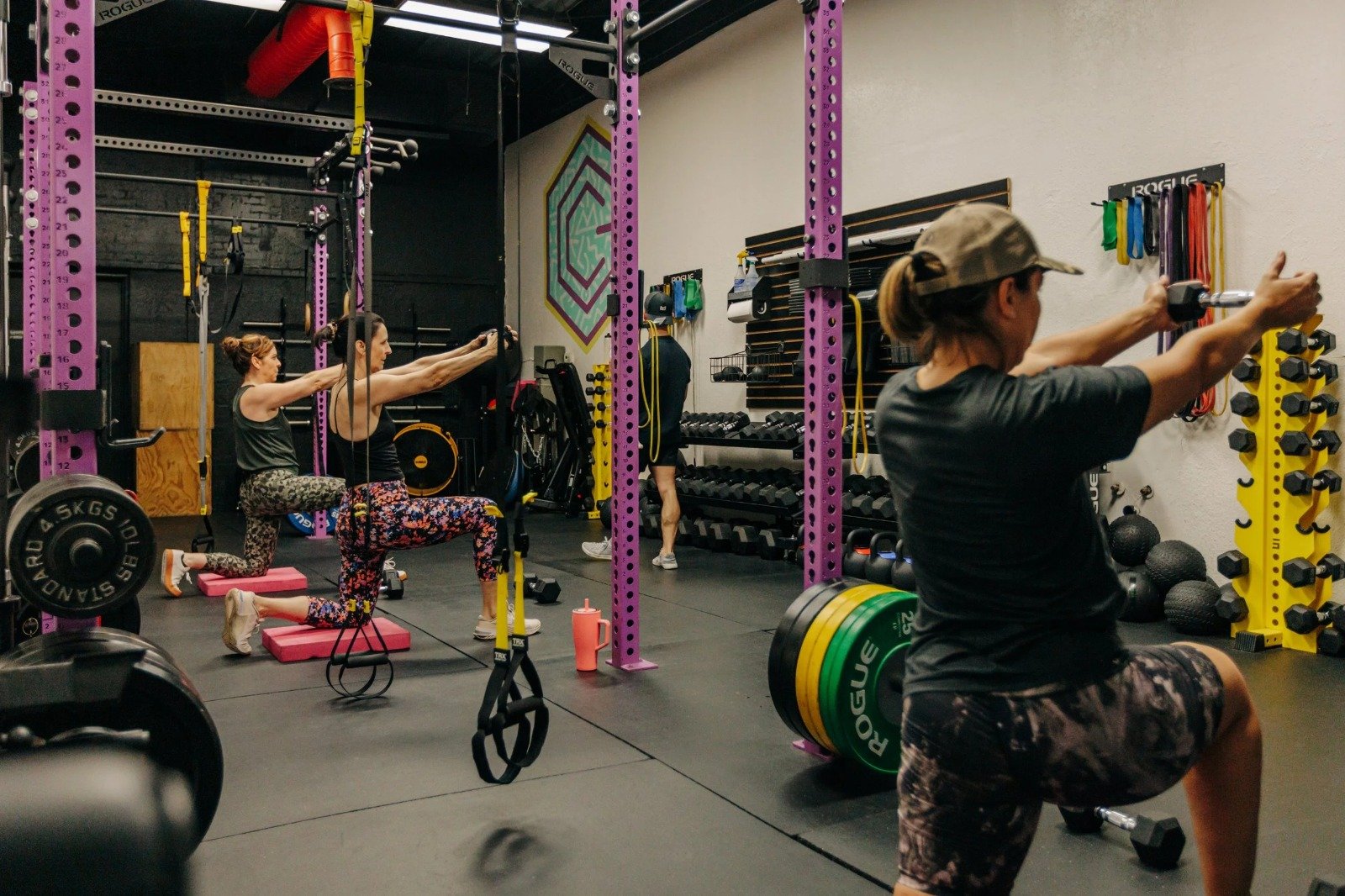
“Do you value your health, your fitness, and taking care of yourself when nobody is looking?”
That question cuts deeper than the usual conversations about weight, attraction and body image.
Because when it comes to fitness, the goal should not simply be to squeeze into a smaller dress or to chase a body that looks good in photographs.
It should be building a body that can carry you confidently through the next decade.
Strength Matters More Than the Scale
As adults move through their 30s and beyond, maintaining muscle becomes increasingly important. Muscle naturally declines with age, particularly when people become less active. That can affect strength, balance, mobility and how easily everyday tasks are performed.
This is where resistance training earns its place.
Lifting weights, using resistance bands or performing bodyweight exercises such as squats, lunges and push-ups can help preserve muscle and strength. You do not need to become a bodybuilder.
Two or three consistent strength sessions a week can make a meaningful difference when combined with regular movement and nutritious food.
Fitness as Self-Care
Bodies change. Pregnancy, menopause, illness, injury and simply getting older can all reshape how someone looks. Chasing a permanently youthful appearance is therefore a frustrating target.
A better measure is what your body can do.
Can you climb stairs without struggling? Carry your groceries? Get up from the floor easily? Keep up with your children? Maintain independence as you age?
Those are victories worth training for.
Fitness, at its best, is not punishment for gaining weight. It is an investment in strength, health and the freedom to keep living life fully.

You can eat small portions all day, choose fruit instead of biscuits and reach for nuts when hunger strikes—and still feel as though your weight-loss efforts are going nowhere. The overlooked issue may not be the size of your meals, but how often you are eating.
For some people, a typical day has quietly become a series of breakfast, a mid-morning snack, lunch, another snack, something with coffee, dinner and perhaps a late-night bite.
Even when many of those choices are nutritious, constant eating can make it harder to create the calorie deficit needed for weight loss.
Give Your Body Some Space
This is where structured meal timing can be useful. Rather than grazing from morning until bedtime, some people may find it easier to establish clear eating periods—for example, three meals spaced several hours apart, with water or unsweetened drinks between them.
The important distinction is that meal timing is not a magic switch for fat loss. Insulin naturally rises after eating and falls between meals; simply keeping insulin “low” does not override overall calorie intake or other factors affecting weight.
Research on time-restricted eating suggests it can help some people lose weight, but much of the benefit may come from making it easier to eat less overall.
Fewer Eating Occasions, More Awareness
For someone who constantly snacks, creating defined meal times can be a surprisingly practical experiment. Instead of asking, “What can I eat next?” ask, “Am I actually hungry?”
Weight management is rarely about one perfect food. Sometimes, the first useful change is simply creating a little more space between meals.


American Expats in Ghana Get a Helping Hand to Vote in 2026 U.S. Midterm Elections

The West Africa Corridor’s Dirty Secret: Liberia’s Record Cocaine Bust Exposes State-Sanctioned Trafficking

Top Headlines from Ghanaian Newspapers: Monday, August 24, 2026
-
 Ghana News3 hours ago
Top Headlines from Ghanaian Newspapers: Monday, August 24, 2026
-
 Ghana News2 hours ago
American Expats in Ghana Get a Helping Hand to Vote in 2026 U.S. Midterm Elections
-
 Africa Watch3 hours ago
The West Africa Corridor’s Dirty Secret: Liberia’s Record Cocaine Bust Exposes State-Sanctioned Trafficking