
Health & Wellness
Four Things That Actually Happens to Your Body When You Train Your Core

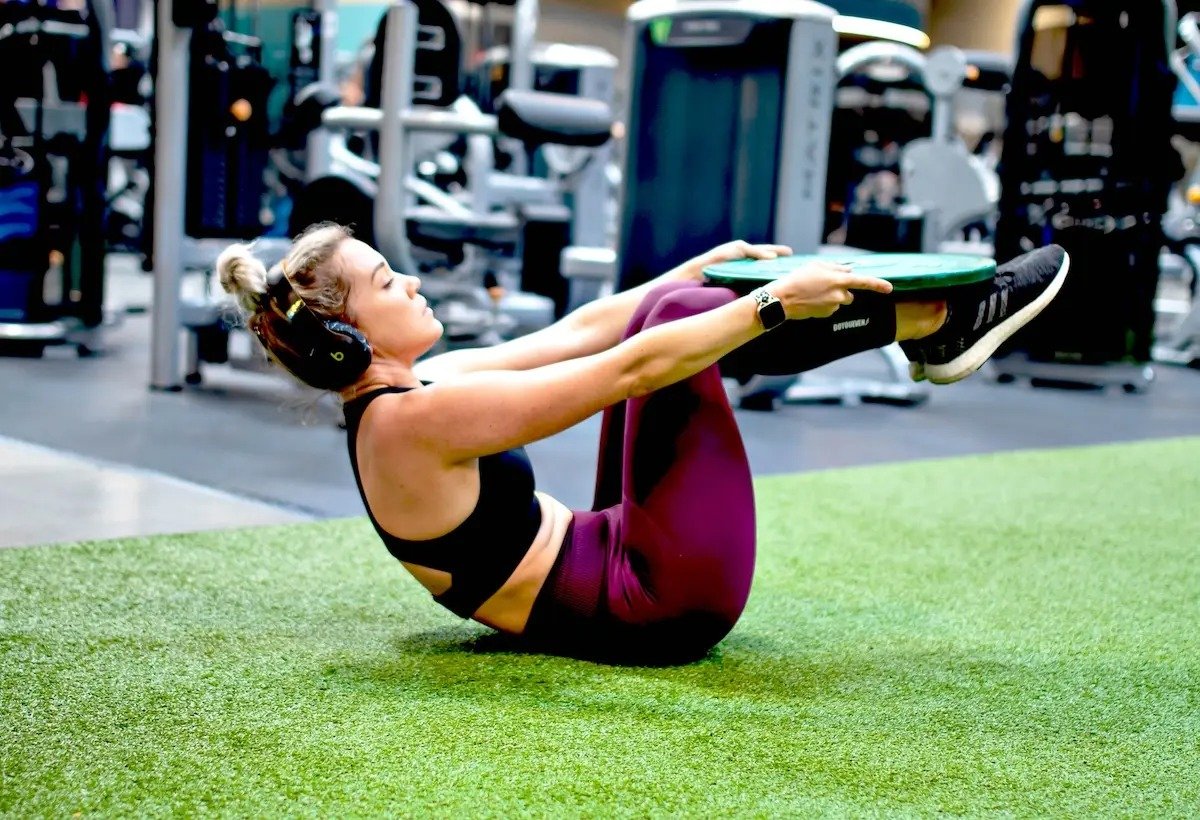
We often judge the effectiveness of a workout by how much we sweat or how sore we feel the next day, but the real magic often happens in the quiet, steady work we do to build a strong foundation. When we talk about “core exercises,” it’s easy to picture someone doing hundreds of crunches on a gym mat. However, the benefits of a strong midsection extend far beyond the aesthetic; they are the biological engine for nearly every move you make.
1. The Ultimate Postural Support System
In a world where we spend hours hunched over laptops and smartphones, our posture is under constant assault. Core exercises act as a corrective suit of armor for your spine. By strengthening the deep muscles surrounding your trunk—including the transverse abdominis and obliques—you naturally pull your shoulders back and align your pelvis. This doesn’t just make you look taller and more confident; it prevents the chronic back pain that plagues millions.
2. Supercharging Everyday Life
Have you ever felt a “tweak” in your back just from lifting a grocery bag or bending down to tie your shoes? That is a cry for core strength. When your core is engaged, it stabilizes your entire torso, allowing your arms and legs to work more efficiently. Think of your core as the cable that stabilizes a radio tower; without it, the structure wobbles. With it, you can lift, twist, and reach with power and safety.
3. The Foundation of Athletic Power
Whether you are a weekend warrior on the tennis court or a runner trying to shave seconds off your mile time, power is generated from the center out. A strong core allows for a more efficient transfer of energy between your lower and upper body. Every punch thrown by a boxer and every swing of a golf club relies on a rotational force that starts deep in the hips and torso. If that center is weak, your power leaks out before it ever reaches your limbs.
4. Balance and Stability as You Age
Core work is the secret to aging gracefully. As we get older, balance is one of the first things to decline, leading to a fear of falling. A strong core improves proprioception—your brain’s ability to know where your body is in space. This translates to steady footing on uneven sidewalks and the ability to catch yourself if you trip.
The Hidden Link: Core Strength and Fat Loss
While a strong core is vital for structure, it also plays a fascinating role in changing your body composition. If your goal is to lean out, here is how strengthening this area helps.
1. You Move Better, So You Burn More
When your core is weak, your body inhibits certain movements to protect itself from injury. You might run slower or avoid certain exercises because they feel “awkward.” A strong core removes these physical inhibitors, allowing you to push harder and longer in your cardio and strength sessions, ultimately torching more calories.
2. Increased Muscle Mass = Higher Metabolism
While you can’t spot-reduce fat from your belly, you can build muscle underneath the fat. Core exercises often involve compound movements (like planks or standing presses) that recruit multiple muscle groups. Increasing this lean muscle mass elevates your resting metabolic rate, meaning you burn more calories even when you’re sitting on the couch.
3. The “Tightening” Effect
When you strengthen the rectus abdominis and transverse abdominis, you are essentially creating a natural “corset” for your torso. As you lose body fat through a caloric deficit, the toned muscle underneath reveals a tighter, leaner appearance. You aren’t just getting smaller; you are getting more defined.
4. Better Digestion and De-Stressing
High-intensity core work stimulates blood flow to the digestive organs. Furthermore, the focus required to hold a plank or balance on a stability ball activates the parasympathetic nervous system, reducing cortisol levels. Lower cortisol means less stress-induced fat storage around the midsection.
Conclusion
Core training is the ultimate long-game investment in your health. It is the bridge between the upper and lower body, the guardian of your spine, and the secret weapon in your fitness journey. So, the next time you drop to the mat for a plank, remember: you aren’t just working toward a six-pack; you are building a resilient, powerful, and efficient body for life.








The quickest way to lose weight is often the quickest way to gain it back.
From detox teas to waist trainers and fat-burning pills, the promise is always the same: less effort, faster results.
Yet the people who keep weight off for years usually rely on something far less exciting. They build habits that still make sense six months later.
Build the Habits That Actually Change Your Body
One of the most overlooked shifts is moving from “losing weight” to “changing body composition.”
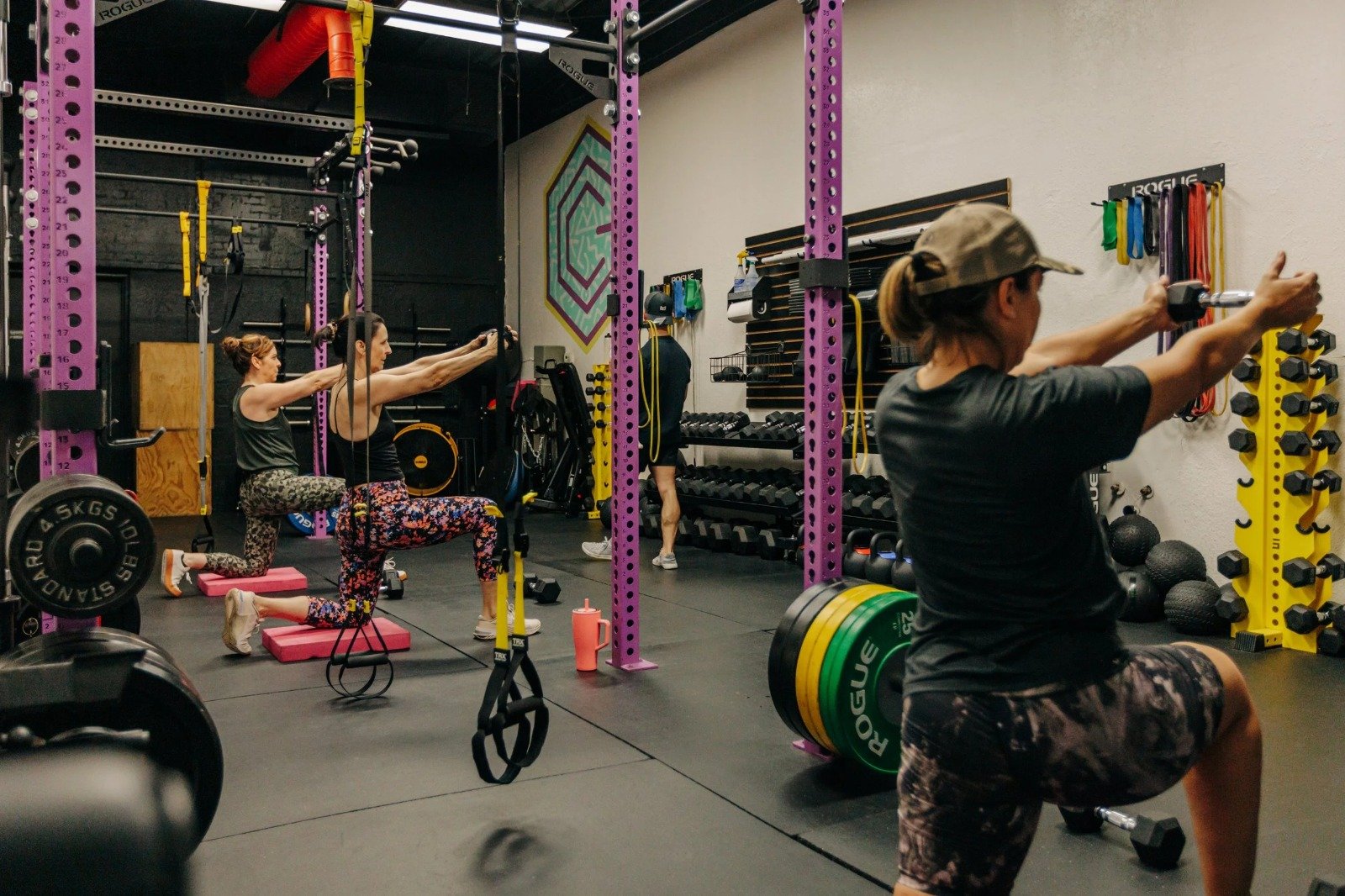
That is where strength training earns its reputation. Lifting weights helps preserve and build muscle while reducing body fat, making it especially valuable for adults as muscle naturally declines with age.
Nutrition matters just as much, but not because every meal has to be perfect. A moderate calorie deficit—eating slightly fewer calories than your body uses—remains one of the most reliable ways to lose weight. For many Ghanaians, that could mean keeping beloved foods like waakye, banku or jollof on the menu while paying closer attention to portions rather than banning entire food groups.
Sleep deserves more credit than it gets, too. Poor sleep can make hunger feel louder, energy feel lower and workouts feel harder, turning healthy intentions into a daily struggle.
Choose Consistency Over Hype
Healthy living rarely looks dramatic. It looks like packing tomorrow’s lunch, taking a walk after dinner, lifting weights a few times a week and getting enough rest to do it again.
The best fitness plan is not the one that promises the fastest transformation. It is the one you are still following long after the excitement wears off.
Three months feels like a long time when you’re waking up early to walk, choosing water over soft drinks, or sweating through gym sessions.
Yet for the body, 12 weeks is often just the beginning.
One of the biggest myths in fitness is that results should arrive quickly.
Social media fuels that expectation with dramatic before-and-after photos, but real health changes follow a slower timetable.
Muscles grow gradually, cravings soften over months, and a better sleep routine can take weeks before it feels natural.
Why Consistency Beats Speed
Think about someone in Accra who starts taking brisk evening walks after work or a student replacing sugary snacks with fruit during lectures.
The first few weeks can feel frustrating because the effort seems bigger than the reward. That doesn’t mean nothing is happening.
Research on habit formation suggests that behaviours become more automatic through repeated practice rather than overnight determination. At the same time, healthier eating can begin improving cholesterol, blood sugar, and other markers long before the mirror tells the same story.
This shift in perspective matters. Chasing rapid transformation often leads people to quit just as meaningful progress is building beneath the surface.
Give Your Future Self More Time
The healthiest people are rarely those who found a secret shortcut. They’re the ones who kept showing up after the excitement faded.
Instead of asking, “Why haven’t I changed yet?” try asking, “Am I still giving my body the time it needs?”
Health is less like flipping a switch and more like planting a tree. The strongest growth happens quietly before everyone else notices.
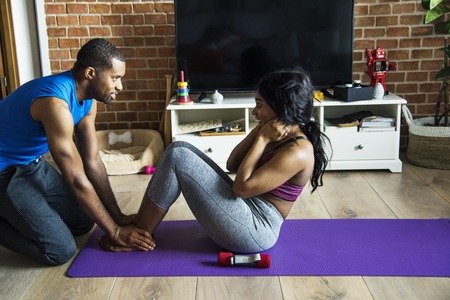
If you’ve been counting sit-ups instead of seeing results, the problem may not be your effort—it may be your strategy.
One of the biggest fitness myths is that doing endless crunches will melt away belly fat. Sit-ups strengthen the abdominal muscles, which matters for posture, balance and everyday movement.
The catch is that stronger abs don’t automatically become visible if they’re still covered by body fat.
Strength Is Only Part of the Picture
Think of your abdominal muscles like a sculpture behind a curtain. You can make the sculpture stronger, but the curtain still has to move before its shape becomes visible.
That’s why fitness experts increasingly encourage a wider approach: combine resistance training with regular movement, enough protein to support muscle, and an eating pattern you can maintain consistently.
These habits help create the conditions for losing body fat across the body, rather than trying to target one stubborn area.
The conversation around brown fat has also attracted attention. Brown fat burns energy to produce heat, while white fat mainly stores energy.
Scientists are exploring ways brown fat activity can influence metabolism, but there’s no proven shortcut that reliably turns white fat into brown fat through fasting alone in everyday life.
Build a Body That Works, Not Just One That Looks Good
For someone in Accra squeezing in a quick workout before work or a parent exercising between family responsibilities, this is good news. You don’t need hundreds of sit-ups to make progress.
Train your core, walk more, lift weights a few times each week, eat enough protein, and be patient.
The visible changes often follow the healthy habits—not the other way around.


Game-Changing Move: Ghana Sets Up New Fiscal Council to Scrutinize Government Spending and Win Back Investors

Ghana’s Persistence Pays Off: AU Formally Commits to Tabling Xenophobia Petition in January 2027

Top Headlines From Ghanaian Newspapers: Wednesday, Sept. 9, 2026
-

 Ghana News1 day ago
Top Headlines From Ghanaian Newspapers: Tuesday, Sept. 8, 2026
-

 Ghana News1 day ago
How Ghana’s Government Pressured MTN, Telecel, and AirtelTigo to Cut Data Prices
-

 Festivals & Events2 days ago
Lagos Meets Accra: Zephans & Co Brings Summer Style to the City
-

 Taste GH2 days ago
Tubaani Beans: Northern Ghana’s Hearty Answer to Rice and Beans
-

 Arts and GH Heritage1 day ago
The Stories We Live With: Inside Nubuke Foundation’s Weight of the Ordinary
-

 Ghana News1 day ago
Buckingham Palace Responds to Jamaica’s $10 Billion Reparations Demand, But the UK Government’s Wallet Remains Shut
-
 Ghana News7 hours ago
Ghana’s Persistence Pays Off: AU Formally Commits to Tabling Xenophobia Petition in January 2027
-

 Africa Watch1 day ago
British-Nigerian Influencer Dies After Penis Enlargement Procedure in Thailand