
Homes & Real Estate
The Red Flag I Nearly Missed: Why Your “Ghana Agent” Needs More Than Just a Smile
Foreign buyers must vet an agent’s local expertise and integrity, not just their charm.

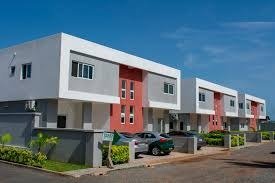
The air in Accra smells different when you step off the plane. It’s a mix of exhaust, sea breeze, and roasting plantains—the smell of homecoming for the diaspora. For Michael, a British-Ghanaian living in London, this trip was business. After years of sending money home for funerals and family emergencies, he was finally ready to buy land. To build his mother the house she’d always dreamed of.
He found “The Agent” online. The website was slick, the Instagram page full of glossy renders of villas that looked like they belonged in Malibu. They exchanged pleasant WhatsApp messages. The agent, let’s call him Kwame, spoke with the confidence of a man who knew the soil. “Brother, I have a virgin land at Adjiringano. A steal. Only for you.”
When Michael landed, Kwame picked him up in a gleaming SUV. They drove past the new churches, the towering shopping malls, and the ever-present orange construction cones. Michael was sold on the dream, on the progress, and on Kwame’s charm. They didn’t sign a formal agreement; a handshake and a “brother, I dey for you” sufficed.
Read Also: The Costly Property Mistakes Many in the Diaspora Don’t See Coming
Six months and forty thousand dollars later, Michael got a call from a man with a deep voice and a cutlass. “You people think you can buy my family land from a stranger?” The “virgin land” had three other claimants. The police officer who came to mediate asked Michael, “Did you see the indenture? Did you run a search at the Lands Commission? Or did you just trust the smile?”
Michael’s mistake wasn’t greed; it was haste. He fell in love with a property before he fell in love with the process. He forgot that in Ghana, the soil holds stories that no website can tell.
If you are part of the global African family—or an international investor captivated by the rhythm of a rising market—you cannot afford to be Michael. You cannot afford to trust the glossy brochure without grilling the person holding it. The real estate market here is one of Africa’s fastest-growing, as the reports say. But with fast growth comes fast talkers.
To ensure you’re building on solid ground, not shifting sand, here is how to look past the smile and into the substance of the person handling your investment.
1. Show Me the Dirt Under Your Nails
Forget asking, “How many years have you been in real estate?” Ask them, “When was the last time you personally sat in the queue at the Lands Commission?” You want an agent who knows the stench of the bureaucracy. You want someone who has literally gotten their shoes muddy walking the plot with you to meet the “old man” whose family owns the adjoining land. Experience isn’t just about years; it’s about scars from deals that almost fell through.
2. The “Sell” vs. The “Story”
When you ask about marketing strategy, a standard agent will talk about social media and international listings. But the right agent for the foreign buyer will talk about storytelling. They will tell you how they plan to sell the feeling of the neighborhood to other buyers, not just the square footage. If you’re selling later, you need someone who can translate the chaos of a Makola market trip into the vibrant culture a buyer wants next door.
3. The Valuation Trap
“How much is it worth?” is a rookie question. Ask them instead: “If this were your money, and you had to sell this property in six months to fund your child’s school fees, what would you pay for it today?” This removes the ego from the valuation. It forces them to talk about risk. An honest agent will tell you about the new highway construction that might devalue the backyard, not just the mall being built that will raise prices.
4. The “Fixer” Factor
You are not just buying a house; you are buying access to a country. Does your agent have a Rolodex of trusted people? Ask them: “Who is your lawyer? Who is your surveyor? If the pipes burst at 2 a.m., who do I call?” The best agents are gateways. They offer a network of vetted professionals because they know that a foreign owner’s biggest fear is being left alone with a problem.
5. The Time Zone Dance
You are likely reading this from Houston, London, or Toronto. Your 9 a.m. is their 2 p.m. Ask them the hard question: “Will you pick up my call on a Saturday night?” You don’t need a stalker, but you need to know their communication rhythm. Do they leave you on “read” for three days, or do they send a quick voice note saying, “I’m in traffic, but I saw your message”? The distance between continents is filled by communication.
6. The Haggling Hierarchy
In Ghana, negotiation is a dance. Ask your agent: “Are you a fighter or a peacemaker?” If you are buying, you want a fighter who will argue about the termite-damaged fence. But you need a peacemaker who can do it respectfully so the seller still shakes your hand at the end. If they brag about “destroying” the other side in every deal, they might be lying—or they might be getting you blacklisted in a community where reputation is gold.
7. The Hidden Ledger
Finally, talk about money. But don’t just ask the rate. Ask, “Show me on paper exactly where every cedi goes.” A great agent will itemize the inspection fees, the stamp duty, the “something small” for the surveyor’s assistant, and their own commission. The moment they wave their hand and say, “Just send the total, I’ll handle the rest,” run. Transparency isn’t a luxury here; it’s a survival skill.
Michael eventually got his land back after a year of court dates and a significant payout to the family with the cutlass. He learned that in Ghana, a handshake closes a deal, but only paperwork and the right partner keep it closed.
As you scroll through listings of beautiful Ghanaian homes from your sofa overseas, remember: the most important feature of any property isn’t the imported Italian tiles or the ocean view. It’s the integrity of the person standing next to you when the deal gets tough. Choose that person wisely.












Homes & Real Estate
How Mechanical, Electrical, and Plumbing Audits Protect Your Real Estate Investment
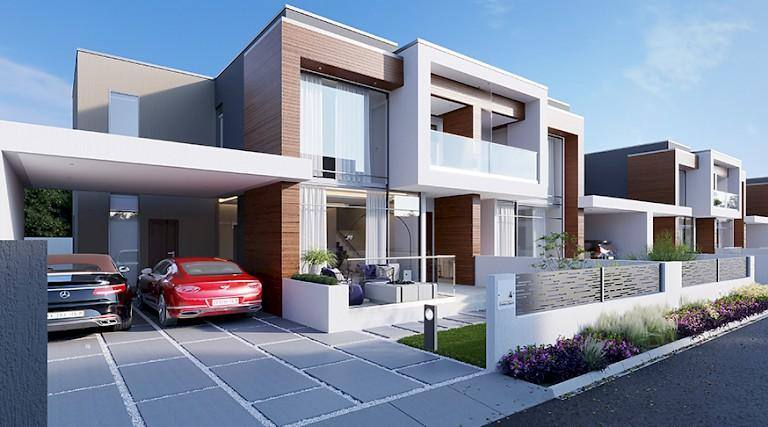
In Ghana’s rapidly expanding real estate landscape, buyers and property developers routinely focus on visible luxuries—imported floor tiles, high-end kitchen islands, and sleek modern facades.
However, a building’s true longevity depends on what remains hidden behind the plasterwork. Substandard mechanical, electrical, and plumbing (MEP) execution represents one of the most widespread yet preventable threats to property preservation and long-term asset value.
The Physics of Proper Drainage
Faulty drainage runs can transform a dream home into a maintenance nightmare. Proper plumbing relies on basic physics that cannot be compromised:
- Drainage Slopes: Every horizontal line requires a continuous downward pitch. Without verified slope angles, wastewater stalls, creating persistent foul odors and systemic blockages.
- Sweeping Bends: Drainage systems should utilize 45-degree bends rather than sharp 90-degree elbows, which trap solid waste and eventually obstruct main stacks.
- Fixtures and Traps: Every sink, toilet, and floor drain requires a dedicated trap holding a water seal to prevent sewer gases from entering living spaces.
- Roof Venting: Without vertical vent pipes extending through the roofline, negative pressure siphons water directly out of traps, causing the telltale gurgling sounds that precede sewer gas leaks.
Oversight Protects Capital
Fixing hidden plumbing errors after construction requires breaking imported tiles and core-drilling through reinforced concrete—unnecessary expenses that erode rental yields and home equity.
While buyers can execute basic checks like running taps and flushing toilets, certified MEP engineers must pressure-test buried joints and verify slope angles before walls are sealed.
In West Africa’s booming housing market, rigorous technical oversight remains the ultimate safeguard for real estate capital.
Festivals & Events
Building the Future, Honoring the Past: Discover West Africa’s Real Estate Transformation in Accra
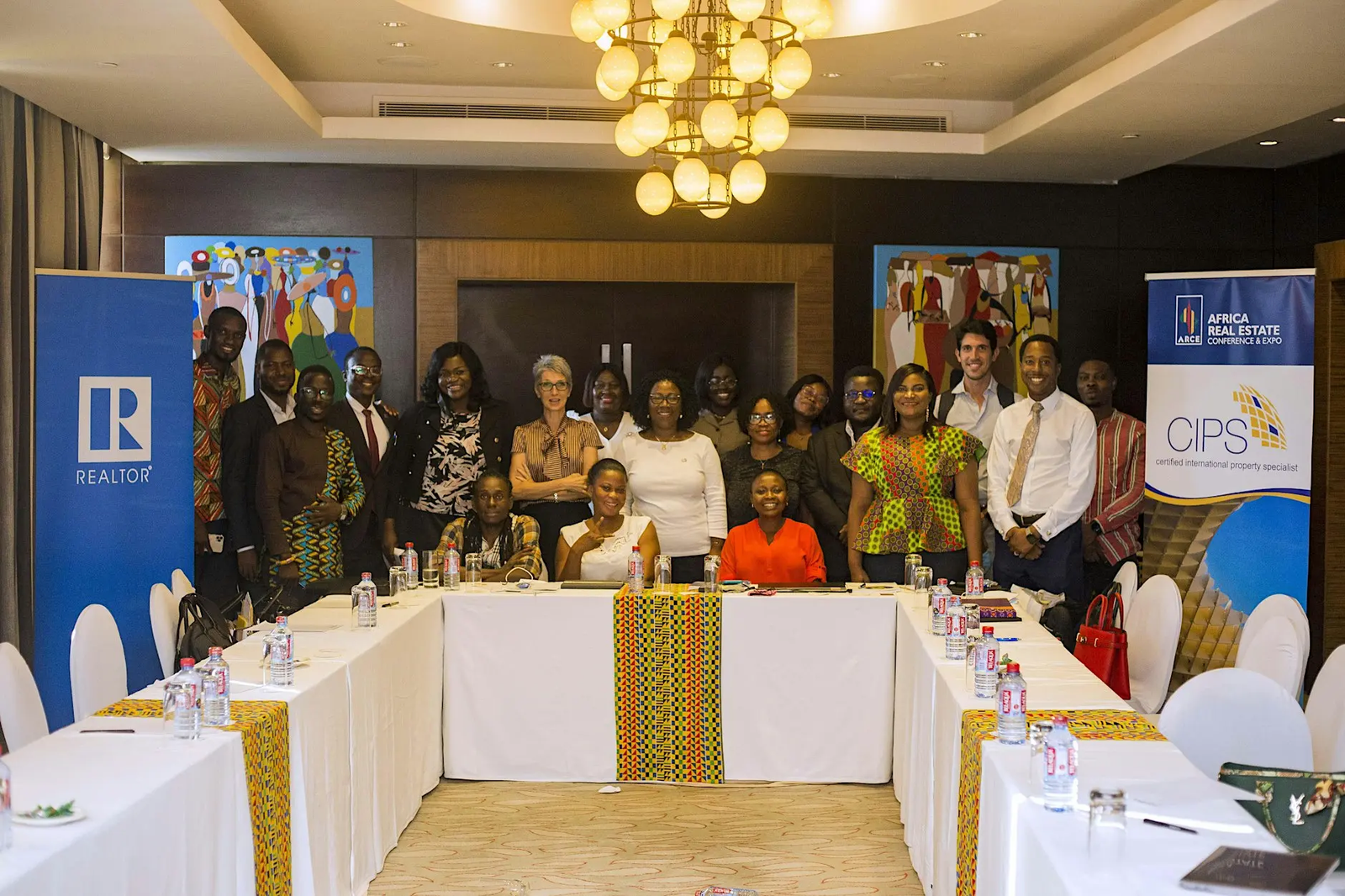
As coastal breezes drift across the Atlantic toward The Palms Convention Center in Accra, a powerful transformation is sweeping through West Africa.
From October 14 to 16, 2026, real estate leaders, PropTech visionaries, and policymakers from over 30 countries will gather for the Africa Real Estate Conference & Expo (ARCE 2026).
More than a corporate summit, ARCE serves as a living laboratory where policy, sustainable design, and digital innovation intersect to reshape the continent’s built environment.
The atmosphere inside the convention hall will buzz with delegates navigating interactive workshops, high-stakes investment pitching, and cutting-edge PropTech showcases.

Over 70 international exhibitors will present dynamic solutions—from digital land administration systems to eco-friendly building materials.
The defining highlight for many will be the African Culture Day, a vibrant celebration that fuses trade with tradition.

Here, attendees will experience rich Ghanaian rhythm, savor local culinary specialties like rich jollof rice and grilled kyinkyinga, and connect over shared stories of heritage and urban growth.
For international travelers, ARCE offers a rare front-row seat to West Africa’s economic energy while delivering warm, authentic Ghanaian hospitality (Akwaaba).
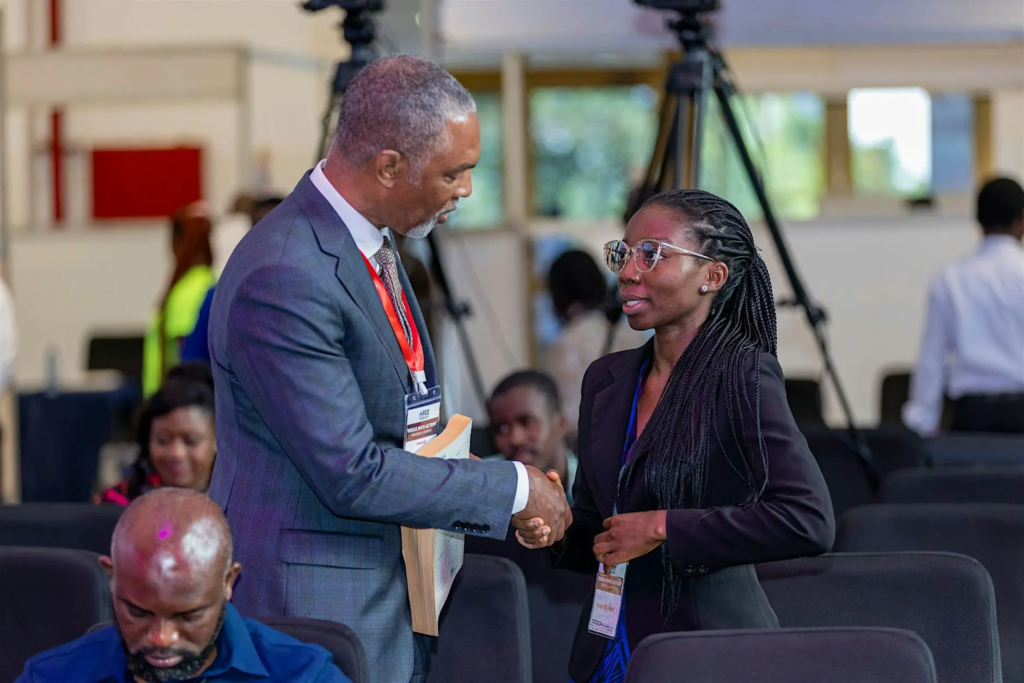
For local professionals and diaspora returnees, it is an empowering space to reclaim land narratives, explore affordable housing solutions, and directly shape community development.
Whether you are looking to invest in Africa’s fast-evolving urban landscape or simply reconnect with the continent’s dynamic spirit, ARCE 2026 delivers an unforgettable blend of global enterprise and rich local culture.
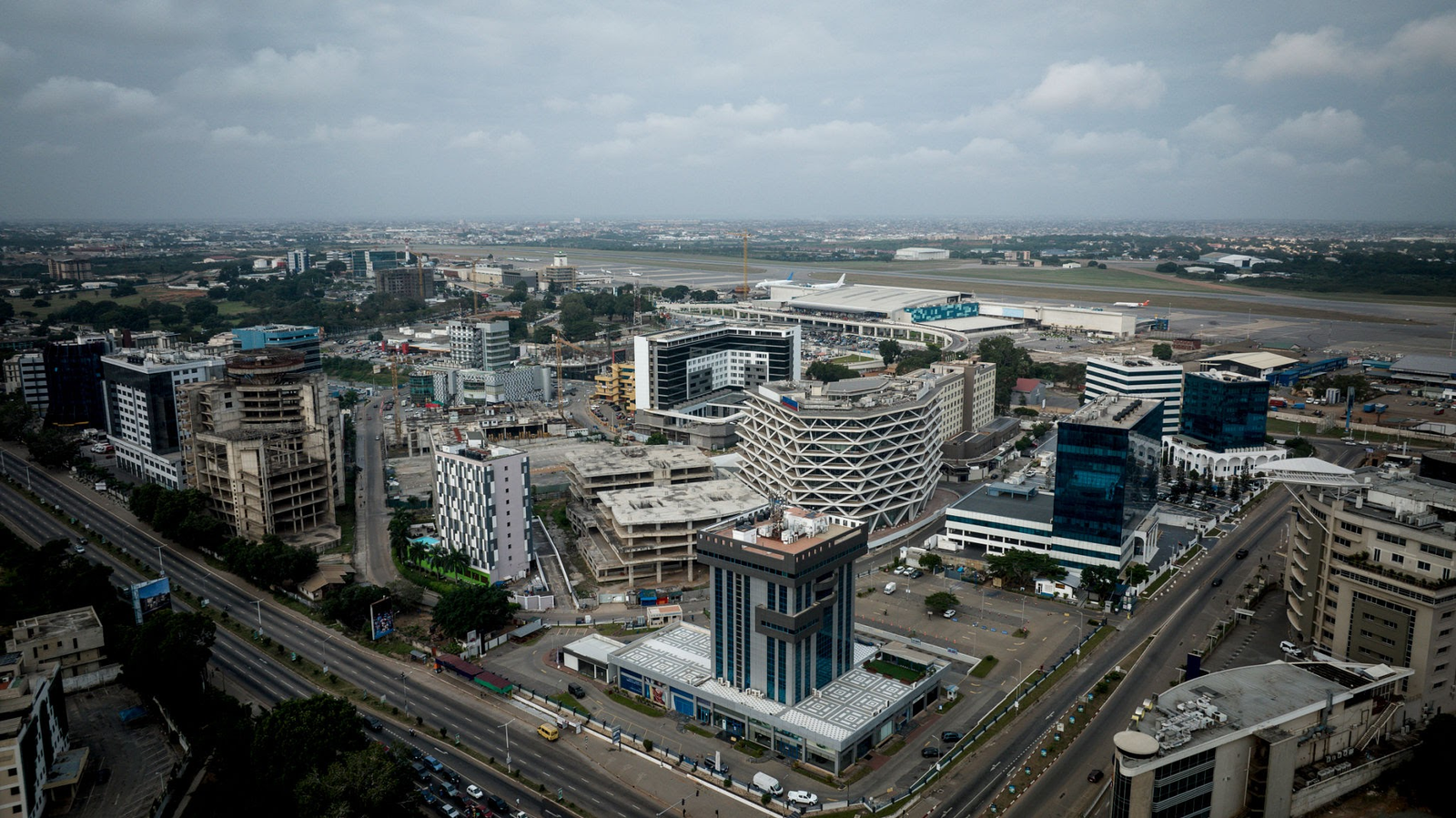
In real estate, physical structures can be renovated or redesigned, but a property’s geographic footprint remains permanent.
Across Accra’s fast-evolving urban landscape, location continues to operate as the single most critical engine of long-term property value, rental yield, and capital growth.
The Economics of Prime Enclaves
For international buyers and local investors navigating West Africa’s property market, neighborhoods like Cantonments, Airport Residential Area, Labone, Dzorwulu, and Roman Ridge represent more than prestige.
They offer localized stability. High-performing districts maintain steady demand because they solve urban friction through infrastructure: seamless proximity to Kotoka International Airport, top-tier international schools, private medical centers, and central commercial hubs.
This connectivity generates two key investor advantages: consistently high occupancy rates and resilient marketability. While outlying suburban developments face market volatility and long commutes, central residential nodes sustain robust demand from expatriates, diplomats, and business executives.
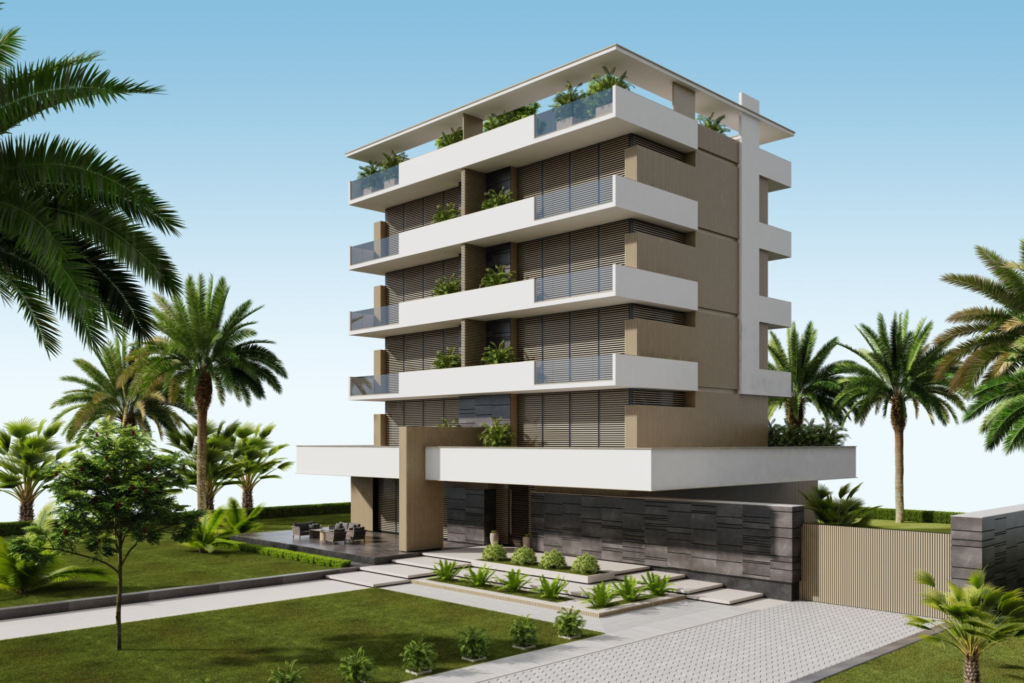
The modern strategy relies on securing off-plan developments within these established zones before construction completion drives valuation spikes.
Devtraco Plus’s multi-tower residential project, The Address, highlights this trend in Roman Ridge. By structuring flexible unit configurations across three towers, the development caters to both short-term corporate stays and long-term residential leases.
As Accra reinforces its position as a West African commercial gateway, prime urban addresses provide investors with an effective hedge against market fluctuations, capturing steady rental yields while establishing a firm foothold in Ghana’s expanding property sector.


“It Slipped Through”: Ghana Customs Boss Admits Airport Security Failure After 3.9-Ton Drug Bust

White House Launches ‘Trump TV’ on YouTube After Banning Three News Outlets: Here’s What It’s Showing

African Blood for Other People’s War?
-

 Sights and Sounds1 day ago
Why Bliss Family Entertainment Is Airport City’s Go-To Haven
-

 Health & Wellness2 days ago
First In, Last Out: Understanding Your Body’s Natural Fat Storage Blueprint
-
 Opinion1 hour ago
African Blood for Other People’s War?
-
 Festivals & Events15 hours ago
Accra Welcomes New York Leadership for a Historic Night of Community
-

 Taste GH15 hours ago
The Timeless Appeal of Koose and Spiced Millet Koko
-
 Homes & Real Estate4 hours ago
How Mechanical, Electrical, and Plumbing Audits Protect Your Real Estate Investment
-
 Global Update1 hour ago
White House Launches ‘Trump TV’ on YouTube After Banning Three News Outlets: Here’s What It’s Showing
-

 Festivals & Events1 day ago
Where Cascades Meet Culture: The Majestic Grandeur of the Wli Falls Festival