
Tourism
“This Is What Happens When You Are A Tourist In Accra”: Vlogger’s Journey Through City Captures Iconic Sites


For any first-time visitor to Ghana’s capital, the path from the iconic Black Star Square to the bustling Accra Arts Centre is a rite of passage.
A recent YouTube travel vlog by David Akhundzada (@Davud_Akh) perfectly captures this classic tourist experience, blending historical awe, cultural immersion, and the vibrant—sometimes intense—reality of market negotiations.
The video, titled “This Is What Happens When You Are A Tourist In Accra,” begins at the Independence Arch, a national monument built to commemorate Ghana’s freedom from British colonial rule in 1957. The vlogger explores the arch and the adjacent Black Star Square, explaining their significance during national celebrations.
“This is very iconic place to visit,” Akhundzada notes, while engaging with local entrepreneurs.
He pays 40 Cedis (approx. $3.50) for a commemorative photo printed on-site and later buys a Ghana flag chain for 100 Cedis after friendly haggling, highlighting the support for local businesses that is part of the tourist experience.
The journey then moves to the Accra Arts Centre (Centre for National Culture), a hub for traditional Ghanaian crafts. The vlogger navigates the vibrant, sometimes overwhelming, atmosphere of the textile and craft market. He films workshops where artisans hand-make drums, wooden masks, fans, and brass statues, offering a glimpse into authentic craftsmanship.
“You will get hustled since the first minute… I have to just go explore,” he says, candidly addressing the persistent sales tactics.
He eventually finds a more relaxed interaction at Thunder Drum Village, a family-run drum workshop with a legacy dating back to 1967, where he purchases a small hand-drum adorned with the Ghana flag.
A walk through the community behind the market leads to the Jamestown coastline, revealing a stark contrast. The vlogger expresses disappointment at the amount of plastic trash on the beach, engaging in a thoughtful conversation with a local elder, who calls for systematic clean-up efforts and government intervention.
The video concludes with a successful negotiation for a traditional Nigerian mask at the Arts Centre before catching a taxi back, having spent a full day immersed in Accra’s tourist trail.
The Takeaway for Travellers:
The vlog serves as a practical guide for tourists, emphasizing that a visit to Accra’s core landmarks requires patience for negotiation, an appreciation for handmade crafts, and an awareness of both the city’s rich history and its contemporary urban challenges. The experience is portrayed as deeply rewarding for those willing to engage authentically, support local artisans, and explore beyond the surface.














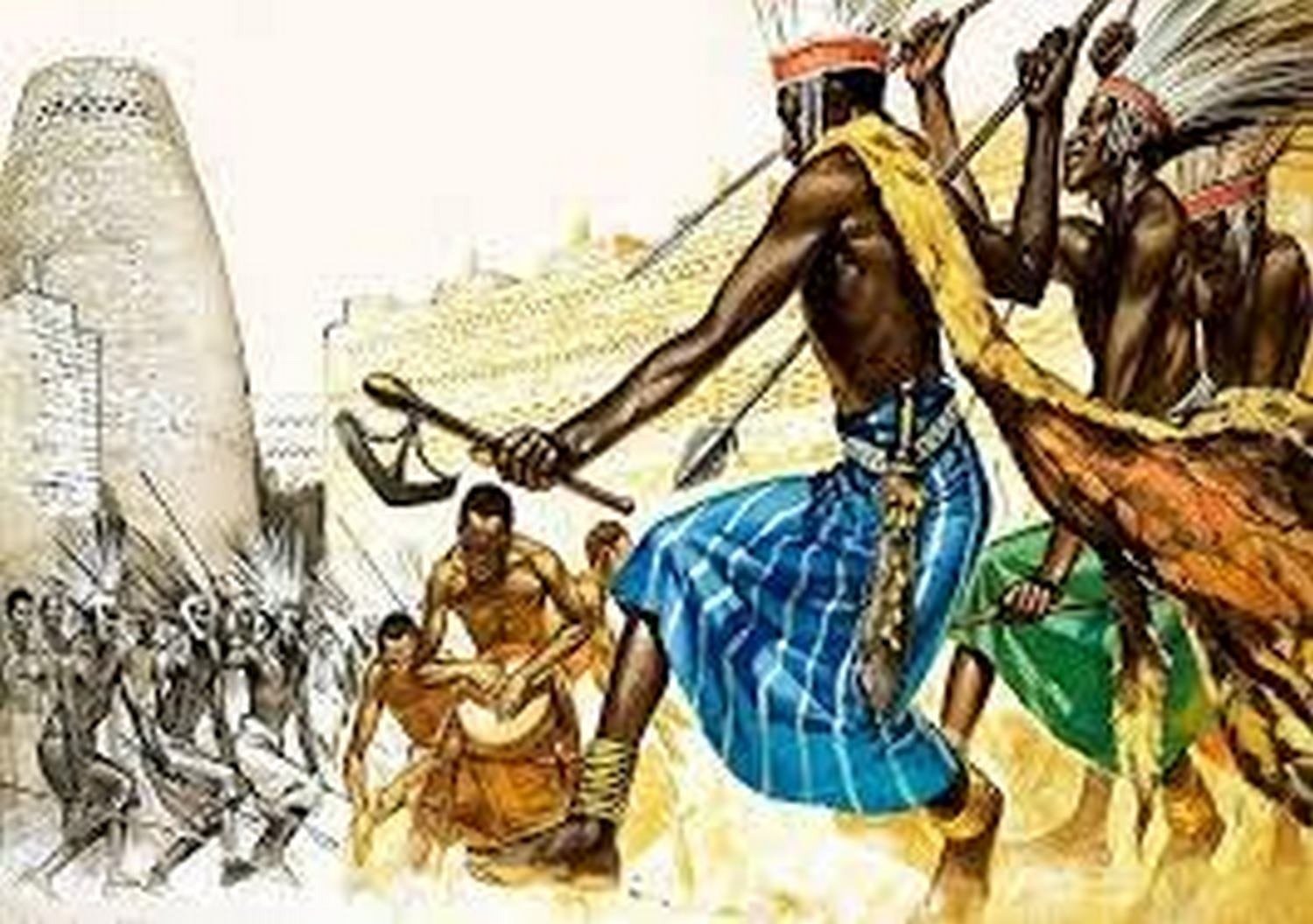
The Battle of Katamanso was not simply a clash of armies. It was the moment when rival communities chose unity over division—and altered the course of the Gold Coast’s history.
In 1826, an estimated 40,000 Ashanti warriors marched south, determined to crush resistance and tighten control over the coast.
Their advance met an unlikely coalition on the plains near Dodowa, where Ga, Fante, Akwamu, Denkyira and other southern forces stood together, backed by British and Danish military support.
What followed was a brutal contest that stretched for hours. The forest became a battlefield of musket fire, cannon blasts and hand-to-hand combat as smoke hung over the trees and both sides paid a heavy price.
By the time the fighting ended, the outcome stunned the region. The Ashanti army, long regarded as one of West Africa’s most formidable military forces, suffered devastating losses, including prominent commanders.
For the Ashanti Kingdom, it marked one of the most painful defeats in its early history and brought its southern advance to a halt.
The consequences reached far beyond the battlefield. The victory strengthened southern alliances, boosted trade around Accra and gave Britain greater influence along the coast.
Political power began shifting toward the coastal settlements that would later play an increasingly important role in Ghana’s colonial story.
Katamanso’s legacy also lives in culture. Oral traditions recall mourning rituals, including hairstyles created to express collective grief, preserving the memory of lives lost long after the weapons fell silent.
Nearly two centuries later, the Battle of Katamanso remains a reminder that history can turn not only on military strength, but on the power of unlikely alliances.
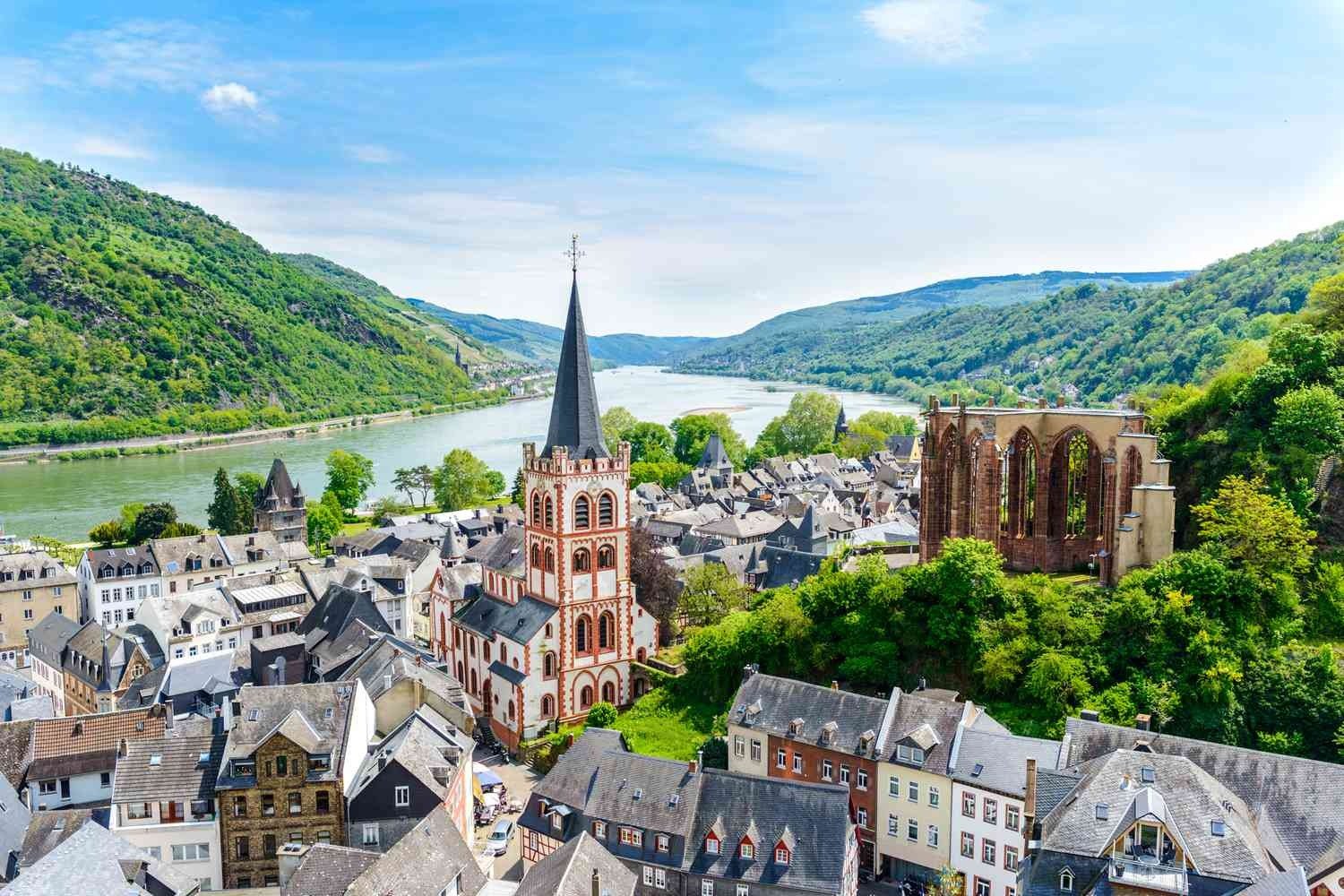
There is a certain kind of magic in waking up somewhere completely unfamiliar. One moment you are falling asleep as a train rolls through the countryside, and the next you are stepping onto a platform in another city without paying for an extra hotel night.
It is one of those simple travel tricks that seasoned Europe explorers swear by, yet many first-time visitors never think to use.
After years of travelling across the continent, experienced travellers are sharing the practical habits that make European adventures smoother, cheaper and more rewarding.
From smarter transport choices to overlooked destinations, these tips prove that seeing more of Europe is not always about spending more money.
One of the biggest money-saving strategies is taking advantage of Europe’s extensive night train network. Countries including Austria, Germany, Italy and parts of Central Europe are connected by overnight rail services that allow passengers to travel while they sleep.
Instead of checking into another hotel, travellers can board an evening train and wake up ready to explore a new destination.
For budget-conscious travellers, including many Ghanaians planning multi-country European trips, this can stretch travel funds considerably while turning the journey itself into part of the experience.
Another surprisingly useful habit is downloading offline maps before arriving. Google Maps allows users to save entire cities or regions to their phones, making navigation possible even without mobile data or a reliable internet connection.
That can be especially helpful when arriving at airports late at night, exploring rural areas or trying to find accommodation in unfamiliar neighbourhoods.
Airport spending is another area where frequent travellers are finding unexpected savings. Those flying through participating European airports can use the Club Avolta app to collect loyalty points while shopping or dining.
The app offers rewards and discounts at selected airport retailers and restaurants, giving travellers extra value on purchases they might already be making during long layovers.
Accommodation is another area where travellers can rethink old assumptions. Staying directly in a city centre often comes with premium prices, but Europe’s public transport systems make nearby towns and suburbs surprisingly practical alternatives.
A short train or tram ride can significantly reduce accommodation costs while offering a quieter, more local experience away from tourist crowds.
Cities like Amsterdam, Paris and Milan all have neighbouring communities that provide easy access without the higher price tag.
Perhaps the strongest recommendation is to look beyond Europe’s most famous hotspots altogether.
Eastern Europe continues to attract travellers looking for a different side of the continent. Countries such as Poland, Romania, Hungary and Bulgaria often combine historic architecture, vibrant local culture and lower travel costs with fewer crowds than destinations like Paris or Venice.
Many visitors describe the region as offering a more relaxed pace, warm hospitality and authentic experiences that are becoming harder to find in Europe’s busiest tourist centres.
As international travel becomes more accessible, especially for Africans exploring Europe for leisure, study or business, these practical travel habits can make a noticeable difference. Sometimes the smartest travel upgrade is not booking a more expensive flight.
It is simply knowing the tricks that experienced travellers wish they had discovered much sooner.

One bite of Dzowoe is enough to understand why this humble Ghanaian snack has a way of disappearing almost as quickly as it is served.
Also known as Zowey or Adarkwa, Dzowoe is a traditional peanut-based treat made by combining thick groundnut paste with sugar, salt, ginger, chili powder and maize or cornmeal.
The mixture is shaped into small balls, creating a snack that brings together contrasting flavours in one satisfying mouthful.
Its appeal starts with the aroma. The familiar roasted nuttiness of groundnuts meets the warm fragrance of ginger, while a touch of chili adds a gentle kick. Then comes the texture: dense, slightly crumbly and rich, with the natural oils of the peanut paste giving each bite a satisfying richness.
For many Ghanaians, Dzowoe is more than a quick snack. Groundnuts are deeply woven into Ghanaian food culture, appearing in everything from soups and stews to street-side snacks. Dzowoe carries that familiarity into a portable, sweet-and-spicy treat that can be enjoyed at home, shared with friends or picked up as a simple roadside indulgence.
There is also a nutritional appeal. Groundnuts provide protein, healthy fats and minerals, while maize contributes carbohydrates for energy. Sugar means Dzowoe is best enjoyed in moderation, but its combination of familiar ingredients makes it an appealing alternative to many heavily processed snacks.
For visitors discovering Ghanaian cuisine, Dzowoe offers a delicious introduction: small, uncomplicated and unmistakably Ghanaian.


The Architecture of Grief: Gabriel Selassie Tsagli Paints a Portrait of Home and Loss

Nine Hours That Changed the Gold Coast: The Legacy of the Battle of Katamanso

Ahoba Kuma Festival: How the Abura People Keep Their Warrior Legacy Alive
-

 Ghana News20 hours ago
Top Headlines from Ghanaian Newspapers: Monday, August 24, 2026
-

 Ghana News19 hours ago
American Expats in Ghana Get a Helping Hand to Vote in 2026 U.S. Midterm Elections
-
 Africa Watch19 hours ago
The West Africa Corridor’s Dirty Secret: Liberia’s Record Cocaine Bust Exposes State-Sanctioned Trafficking
-

 Reels & Social Media Highlights1 day ago
A Preacher, A GoFundMe, and A Viral Legend: Decoding Ghana’s Sunday Social Media Storm
-
 Festivals & Events23 hours ago
Drums, Chiefs and Blessings: Inside Kwahu Tafo’s Gyenpren Festival
-
 Festivals & Events11 hours ago
Ahoba Kuma Festival: How the Abura People Keep Their Warrior Legacy Alive
-

 Health & Wellness1 day ago
The Surprising Bone and Circulation Benefits of 100 Daily Jumps
-

 Homes & Real Estate21 hours ago
How to Capitalise on the $7.8 Billion Diaspora Cash Fueling Ghana’s Real Estate Boom