
Ghana News
New WhatsApp Web Scam Targets Bank, MoMo Users in Ghana

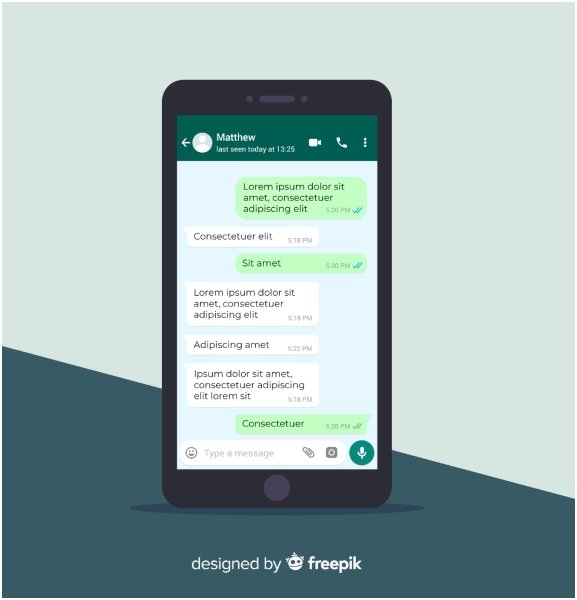
The Cyber Security Authority (CSA) has uncovered a sophisticated WhatsApp Web scam that is targeting banking credentials and mobile money (MoMo) verification codes from unsuspecting users in Ghana.
According to the CSA, the scam employs malicious software that can compromise users’ financial information and lead to unauthorised access to accounts.
The scheme begins when cybercriminals send a ZIP file through WhatsApp messages, often disguised as legitimate documents such as work files or invoices. When a user downloads and extracts the file on a Windows computer, a malware variant known as Astaroth is installed covertly. The malware then connects to the user’s WhatsApp Web session, harvesting sensitive data and spreading itself by sending similar malicious files to the victim’s contacts without their knowledge.
Once active, the Astaroth malware can steal a wide range of sensitive information, including bank login credentials, one-time passwords (OTPs), browser cookies, keystrokes, and MoMo verification codes. Criminals can use this data to bypass security protections, compromise bank and mobile money accounts, and carry out fraudulent transactions.
The CSA has urged the public to exercise extreme caution when opening attachments on messaging platforms, even when they appear to come from known contacts. Users are advised to keep software updated, install reputable antivirus protection, and avoid downloading suspicious files. Immediate reporting of unusual account activity is also recommended.
Ghanaians who believe they have been affected by the scam can contact the CSA for support via:
- Email: report@csa.gov.gh
- Call/SMS: 292
- WhatsApp: 0501603111
- CSA Mobile App: CSA GHANA
This alert adds to ongoing concerns about digital fraud and mobile money security in Ghana, as authorities continue to warn the public about evolving scam tactics that lure victims through social messaging platforms.








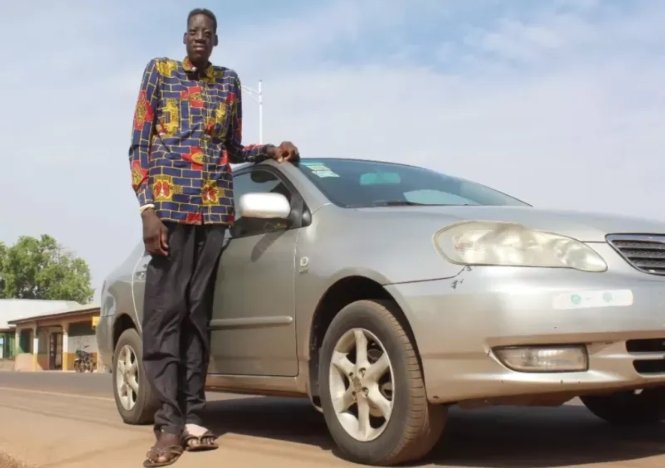
Abdul-Samed Sulemana, who stood at 7 feet 8 inches and captured the nation’s attention, passed away just weeks after a prominent businessman pledged to cover his medical bills
Sulemana, popularly known as Awuche, passed away in the early hours of Monday, July 27, 2026, at the Tamale Teaching Hospital in northern Ghana, according to multiple reports.
His death comes just weeks after businessman and philanthropist Ibrahim Mahama — the brother of former President John Dramani Mahama — pledged to fully cover his medical expenses following a public appeal for help.
A Life Marked by Extraordinary Height and Health Struggles
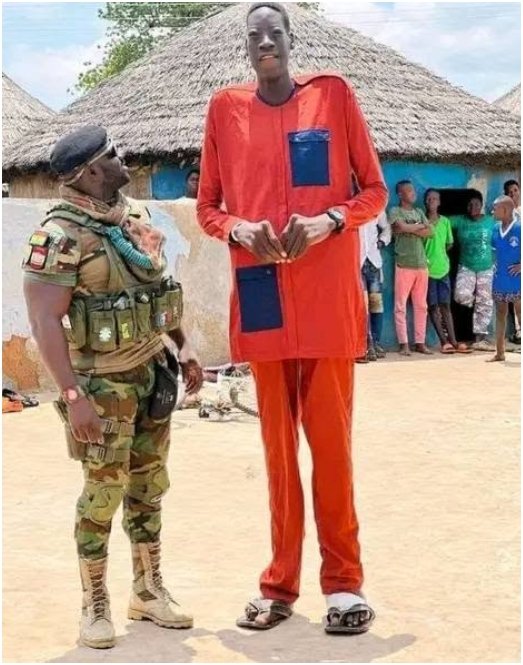
Awuche, who hailed from Gambaga in the North East Region, stood at approximately 7 feet 8 inches (234 centimeters), making him Ghana’s tallest known living person.
For years, he had battled gigantism, a rare hormonal disorder caused by an overproduction of growth hormone during childhood. The condition leads to excessive growth and can cause a range of serious health complications, including joint pain, organ enlargement, and cardiovascular problems.
His health had reportedly deteriorated significantly in recent weeks due to complications from the condition, prompting doctors to refer him from the Baptist Medical Centre in Nalerigu to the Tamale Teaching Hospital for specialized care.
A Desperate Plea for Help
Awuche’s public appeal for medical assistance drew widespread attention after it emerged that he needed urgent surgery to save his life but lacked the financial means to access specialized treatment.
Doctors at the Tamale Teaching Hospital had recommended the amputation of his left leg after a severe infection caused part of the limb to rot. The surgery and related medical expenses were far beyond what his family could afford.
Ibrahim Mahama’s Intervention
The story took a hopeful turn earlier this month when Ibrahim Mahama, a prominent businessman and philanthropist, stepped in to help.
Rafik Mahama, an aide to the businessman, confirmed the support in a Facebook post, saying arrangements had been made to transport Awuche to the Tamale Teaching Hospital on Tuesday, July 8, 2026.
“On behalf of Mr. Ibrahim Mahama, I have reached out to Awuche and his family to assure them of our full support during this challenging time,” Rafik Mahama wrote. “Mr. Ibrahim Mahama has pledged to fully cover Awuche’s hospital bills, including the costs of his medical treatment and surgery”.
Awuche safely arrived at the hospital and commenced the necessary medical procedures. Despite the intervention, his condition proved too severe, and he succumbed to his illness weeks later.
A Life Remembered
Awuche’s extraordinary height made him a figure of fascination in Ghana, but his story also highlighted the challenges faced by those living with rare medical conditions in countries with limited specialized healthcare infrastructure.
His public appeal for help — and the outpouring of support it generated — brought attention to the struggles of individuals with gigantism and other hormonal disorders, who often face not only significant health challenges but also social isolation and financial hardship.
Legacy
While his life was cut short, Awuche’s story resonated across Ghana and beyond. It served as a reminder of the power of collective compassion — and the difference that timely intervention, even when it comes late, can make in the lives of the most vulnerable.
He is survived by his family, who have expressed gratitude for the support they received during his final weeks.
Ghana News
Ghana’s AG Office Drops Major Hint: 30 Corruption Cases in the Pipeline, Including Some ‘Interesting’ Names
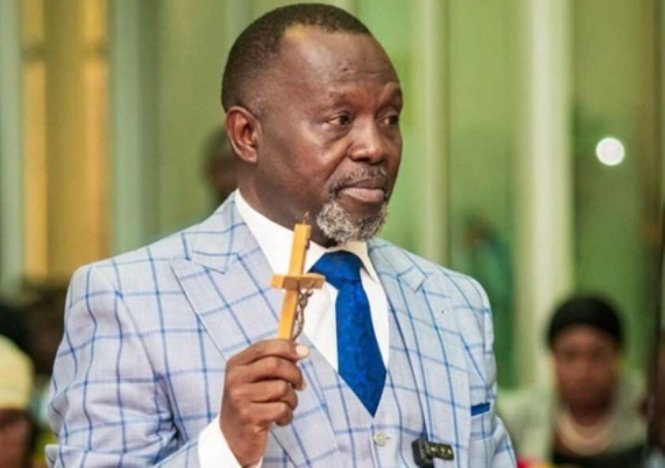
Deputy Attorney General reveals approximately 30 ORAL cases are prosecutable, with 5–10 already at advanced stages, and promises “interesting cases coming soon”
Ghana’s anti-corruption drive is gaining significant momentum, with the Attorney General’s Office identifying about 30 cases under the Operation Recover All Loot (ORAL) initiative that are strong enough to pursue in court.
Between five and ten of those cases are already at advanced stages before the courts, Deputy Attorney General and Minister for Justice, Dr Justice Srem-Sai, disclosed in a television interview on TV3’s Hot Issues on Sunday.
Speaking on July 26, 2026, Dr Srem-Sai revealed that prosecutors selected the cases after investigators completed a comprehensive review of ORAL dockets submitted to the Attorney General’s Office.
“When we analysed the report, I think we had about 30 cases that we thought were prosecutable,” he said.
Advanced Stages and New Filings
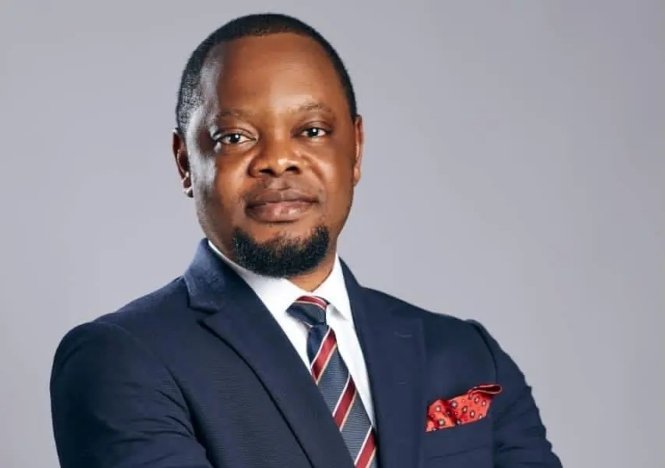
The Deputy AG explained that some cases have already been filed and are progressing through the courts.
“We have like, I think we are between five and 10 now… advanced stages,” he stated.
Dr Srem-Sai said prosecutors would file another batch of ORAL cases during the legal vacation before courts resume sittings for the new legal year in October.
“We have other dockets already. But we are going to start with them, either during the vacation, the legal vacation; we are going to start new cases,” he said.
Evidence Over Status
While declining to disclose the identities of the next persons to be prosecuted, Dr Srem-Sai promised that more cases would soon be filed.
“There will be some interesting cases coming soon,” he hinted.
He emphasised that prosecutorial decisions are guided solely by the strength of evidence, not the profile of suspects or the level of public interest.
“When we work, we don’t actually focus on which one is big or which one is that. We focus on which one is prosecutable,” he explained.
Dr Srem-Sai reaffirmed the government’s commitment to pursuing ORAL cases.
“We will continue what we have done. We are going to continue prosecuting. As far as the ORAL is concerned, we are going to do it,” he said.
High-Profile Cases Update
SkyTrain Case: Dr Srem-Sai said the prosecution has closed its case and is awaiting the next stage of trial after the accused persons failed to file witness statements within the court’s deadline. The case is scheduled for hearing on Thursday, July 30.
“SkyTrain, we have closed our case. The two accused persons were supposed to file their witness statements… As of this morning, they have not filed anything… We are going back to court tomorrow,” he said.
Kwabena Adu-Boahene Case: The prosecution is close to ending its case against the former Director-General of the National Signals Bureau. The fourth prosecution witness is still giving evidence and is expected to complete testimony within the week or the following week.
“Our fourth witness is in the box and we hope that by this week or next week he would have been discharged. When that happens… we have closed our case,” he said.
Frimpong-Boateng Galamsey Report: On the report submitted by former Minister of Environment, Science, Technology and Innovation, Professor Kwabena Frimpong-Boateng, on illegal mining, Dr Srem-Sai said investigators have submitted reports but further investigations have been ordered before any prosecution decision.
“We have received investigative reports. We have made further directions to investigate this with other evidence for us to form an opinion on it,” he said.
He explained that where gaps are identified in evidence, investigators are directed to carry out further work before the Attorney General’s Office determines whether to proceed with prosecution.
This Week’s ORAL Court Schedule
The Attorney General’s Office has released the list of ORAL cases scheduled for hearing from Monday, July 27, to Friday, July 31, 2026. Cases at various stages include:
- SkyTrain Case (Criminal Court 4)
- Cybersecurity Authority software procurement case (Specialized Court 1) — involving Kwabena Adu-Boahene and two others
- National Service Authority case (Criminal Court 4)
- Exim Bank loan case — involving Bernard Antwi Boasiako, alias Chairman Wontumi, and two others
- National Buffer Stock case (Specialized Court)
- Akonta Mining case (Tano-Nimiri Forest Reserve Mining Case)
Background
ORAL is a government-led initiative established to investigate allegations of corruption, financial loss to the state, and misappropriation of public resources, with the goal of recovering stolen state funds and assets and repurposing them for national development.
The initiative has already seen significant action. In February 2026, the Attorney General and Minister for Justice, Dr Dominic Ayine, said his office was reviewing 16 ORAL dockets. By May 2026, Dr Ayine declared himself the first Attorney General to prosecute five corruption cases in a single year.
Assets valued at GH¢1.5 billion have been frozen in connection with ORAL investigations, involving individuals in 280 ORAL cases currently under investigation.
The prosecution has since been clouded by an April 2026 ruling questioning the Special Prosecutor’s authority to try cases without the Attorney-General’s clearance.
Dr Srem-Sai’s latest disclosure signals that the Attorney General’s Office is pressing ahead despite legal challenges, with a busy court calendar and more “interesting” cases on the horizon.
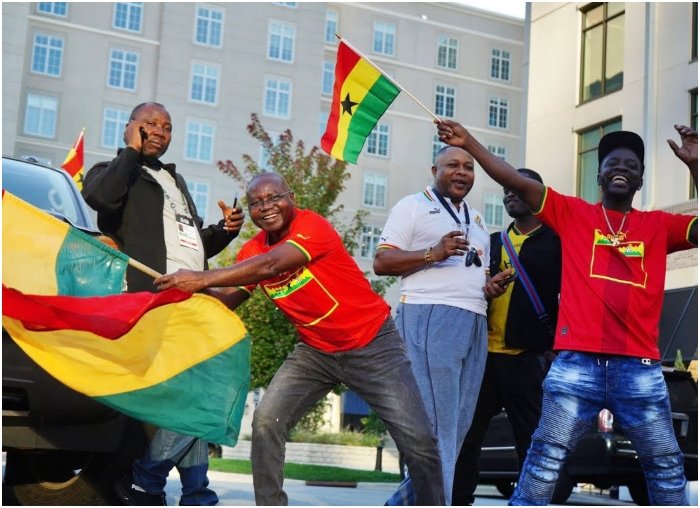
A new Global InfoAnalytics survey reveals a striking disconnect: macroeconomic indicators are soaring, yet 42% of Ghanaians say their living standards have either stagnated or declined.
A new opinion poll has laid bare a paradox at the heart of Ghana’s economic recovery: while the government celebrates some of the strongest macroeconomic figures in years, nearly half of the population say they are not experiencing any improvement in their daily lives.
According to a survey released Monday by Global InfoAnalytics, 53% of respondents said their standard of living had improved over the past year compared to the same period in 2025. However, 19% said their living standards had worsened, and a further 23% reported no change at all—meaning 42% of Ghanaians have seen either stagnation or decline in their personal economic circumstances.
“Majority of voters say their standard of living has improved compared to a year ago, 53%, but 19% say it has gotten worse and 23% say it has not changed,” Global InfoAnalytics Executive Director Mussa Dankwah posted on X.
The findings come just days after Finance Minister Dr Cassiel Ato Forson presented the 2026 Mid-Year Fiscal Policy Review to Parliament, painting a picture of an economy in robust recovery.
The Macroeconomic Picture: A Recovery Story
By almost every official measure, Ghana’s economy is performing exceptionally well.
Real GDP grew at 6.4% in the first quarter of 2026, well ahead of the 4.8% full-year target. Non-oil GDP expanded by 6.3%. Headline inflation has plummeted from 13.7% in June 2025 to just 5.3% in June 2026—a dramatic decline that has brought price stability within reach.
Public debt has fallen from 61.8% of GDP at the end of 2024 to 45% by June 2026—achieving the statutory debt target years ahead of both the IMF programme timetable and the Public Financial Management Act timeline. The country’s debt distress risk has improved from “high” to “moderate” for the first time since April 2014.
The cedi appreciated by 40.7% against the US dollar in 2025, with Bloomberg confirming it as the world’s strongest-performing currency that year. Treasury bill rates have fallen sharply, while gross international reserves have increased to $12.9 billion—enough to cover five months of imports.
Presenting the review to Parliament, Dr Forson declared: “Ghana has moved from default to credibility, from debt distress to debt sustainability, from market exclusion to renewed investor confidence.”
The Reality on the Ground
Yet the poll suggests a significant portion of the population has yet to feel the benefits of this recovery.
This disconnect between official economic data and citizen experience is not new. A May 2026 report by policy think tank APL found that “despite the macroeconomic progress made in the past year, living conditions of Ghanaians continue to be poor, with high cost of living still hitting citizens hard.” The report identified a clear “disconnect” between macroeconomic progress and real life situations in the country.
Other data points reinforce the picture of persistent hardship. A survey by the Institute of Economic Affairs found that seven out of ten Ghanaians remain concerned about high food costs and the overall cost of living. Only 14.4% of Ghanaians perceived the cost of living to be low in the first quarter of 2026—a dramatic drop from 68.8% in 2025.
Youth unemployment remains a particularly acute challenge. According to the Ghana Statistical Service, unemployment among persons aged 15–24 remains above 30%, while approximately 1.34 million young people are neither in education, employment nor training. Seven out of every ten unemployed persons in Ghana are below the age of 35.
As The Ghanaian Chronicle noted in an editorial on Monday: “Economic recovery should not be measured only by GDP growth, inflation or exchange rate stability. It must also be reflected in the ability of citizens to secure decent and sustainable employment.”
A Familiar Divide
The poll’s findings echo a pattern observed across many economies recovering from crisis: national indicators improve long before household wallets feel the difference.
Speaking in June, a member of the NDC legal team acknowledged that “many Ghanaians still struggle with the cost of living” but assured citizens that the government “remains aware of these concerns and is working to ensure economic gains translate into improved livelihoods.”
Economist Dr Theo Acheampong, Technical Adviser at the Ministry of Finance, acknowledged the challenge ahead, noting that “the next challenge is to translate the gains into higher private investment, increased exports, completed infrastructure projects and more jobs.”
The Global InfoAnalytics poll, conducted in July 2026, provides a real-time snapshot of where Ghanaians stand. While a majority now report improvement, the fact that more than four in ten citizens see no progress—or are actively going backwards—suggests that for many, the recovery remains a story told in statistics rather than lived experience.


Where History Walks Again: Inside Saltpond’s Colourful Odambea Festival

Ghana’s Tallest Man, Awuche, Dies at 33 After Battle With Gigantism

How Snitramasan Turned Oversized Fashion Into Africa’s Boldest Style Statement
-

 Ghana News2 hours ago
Ghana’s AG Office Drops Major Hint: 30 Corruption Cases in the Pipeline, Including Some ‘Interesting’ Names
-

 Ghana News2 hours ago
Ghana’s Economy is Booming, but Nearly Half of Citizens Aren’t Feeling It – New Poll
-
 Ghana News47 minutes ago
Ghana’s Tallest Man, Awuche, Dies at 33 After Battle With Gigantism
-

 Ghana News3 hours ago
Top 10 Headline Stories From Ghanaian Newspapers: Monday, July 27, 2026
-
 Festivals & Events35 minutes ago
Where History Walks Again: Inside Saltpond’s Colourful Odambea Festival
-
 Fashion & Style1 hour ago
How Snitramasan Turned Oversized Fashion Into Africa’s Boldest Style Statement
-

 Commentary1 hour ago
What Ghana’s World Cup ‘juju man’ tells us about sport and spirituality in Africa
-

 Sights and Sounds2 days ago
How One Father’s Decision Helped Ama Ata Aidoo Become a Global Literary Icon