
Uncategorized
Ghana News Live Updates – January 12: Catch up on the major stories


Welcome to your daily digest of key developments from Ghana. These stories are curated for a global audience interested in Ghanaian affairs.
Bookmark this page and return often—new stories will be added as they break.
One Dead, 37 Injured in Suhum-Mankrong Highway Collision
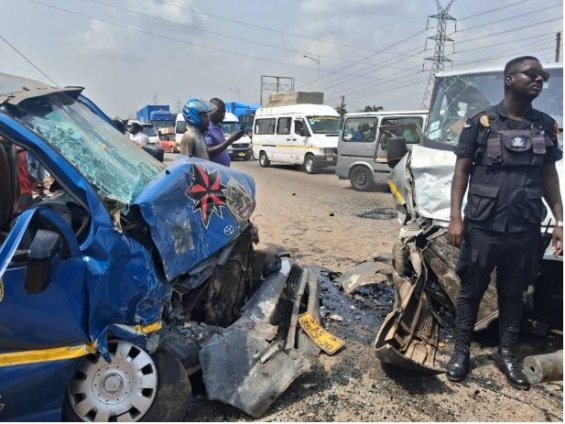
A tragic accident on January 11, 2026, claimed one life and injured 37 others on the Accra-Kumasi Highway at Mankrong in Suhum Municipality, Eastern Region. The crash involved a Zhong Tong bus (AS 7022-21) and a Man Diesel truck (GW 3969-U), both moving at the time. The Ghana National Fire Service (GNFS) responded to a distress call at 6:59 am, led by Assistant Divisional Officer II Bernard Boamah. The deceased was a passenger on the bus, with injuries affecting 21 males and 16 females; the truck occupants escaped unharmed. Some victims were transported to Suhum Government Hospital before GNFS arrival. Firefighters extricated the body, aided the injured, cleared debris, and restored traffic. The bus suffered severe front damage, while the truck had minor rear impact. Eyewitnesses cited high bus speed as a factor, with investigations ongoing.
IPGs Commend Ghana Government for Settling $1.47 Billion Energy Arrears
Independent Power Generators (IPGs) in Ghana have praised the government for clearing $1.47 billion in legacy energy sector debts within its first year, calling it a pivotal move for sector stability. This includes full repayment of $597.15 million (plus interest) on the World Bank’s Partial Risk Guarantee, restoring the $500 million facility and enhancing Ghana’s international standing. In a statement, IPGs lauded the Ministries of Finance and Energy and Green Transition for timely actions, noting improved payment mechanisms like the Cash Waterfall. The clearance, completed by December 31, 2025, boosts investor confidence, supports economic growth, and fosters sustainability. IPGs reaffirmed their partnership for Ghana’s energy security.
Public Officers Constitutionally Obliged to Account for Tenure, Asserts Kwaku Azar
Legal scholar Professor Stephen Kwaku Asare (Kwaku Azar) stated on January 11, 2026, via Facebook that Ghanaian public officers are constitutionally bound to account for their tenure, countering claims otherwise. He cited the constitution’s foundational principles of probity and accountability, including Article 37(1) for a social order based on these values, Chapter 24’s code of conduct against conflicts, and Article 286’s asset declaration requirements before, during, and after office.
Unexplained wealth is presumed unlawful under Article 286(4). Azar highlighted the Auditor-General’s auditing powers, CHRAJ’s role, criminal laws on abuse, elections as accountability mechanisms, media duties under Article 162(5), and citizen participation in Article 240(1)(e). He concluded accountability permeates the constitution, viewing public office as stewardship, not exploitation.
Bank of Ghana Reveals GH¢5.66 Billion Loss in 2024 Domestic Gold Purchase Programme
The Bank of Ghana (BoG) disclosed that losses from its Domestic Gold Purchase Programme (DGPP), initiated in June 2021 to stabilize the currency, escalated to GH¢5.66 billion in 2024. This surge compares to GH¢74 million in 2022 and GH¢1.37 billion in 2023, attributed to net losses in gold and oil transactions (Net G40) and artisanal/small-scale mining (ASM) segments (Net G4R). The programme serves as a reserve buffer. In 2025, BoG purchased 110.99 tonnes of gold (including 100.6 tonnes from ASM), valued at US$11.4 billion, awaiting external audit. Details emerged from a right-to-information request by Asempa FM’s Ekosiisen; the 2024 Annual Report omitted specifics, and no full G4R profit/loss report exists.
Former Finance Minister Amin Adam Criticizes NDC’s PR on Energy Debt Payments
Dr. Mohammed Amin Adam, ex-Finance Minister and Karaga MP, accused the NDC government of overhyping a $1.4 billion energy sector debt payment as a “PR gimmick,” deeming it routine rather than exceptional. He noted the previous NPP administration made a similar $1.4 billion payment in 2024 without publicity, as reflected in the 2025 Budget. Adam urged focus on transparency, consistency, and sustainable energy solutions, cautioning that selective narratives mislead the public. “The NDC government does PR with everything. Paying Energy Sector debts of $1.4 billion is not new,” he stated.
Labour Minister Projects 800,000 Jobs from Ghana’s Big Push Infrastructure Initiative
Minister of Labour, Jobs and Employment Dr. Rashid Pelpuo announced on January 12, 2026, that the Big Push Project—a massive nationwide infrastructure drive—will generate about 800,000 jobs across skill levels in 2026. Centered on road construction, it includes roles for engineers, supervisors, and workers, covering the entire country with projects like the Accra-Kumasi superhighway and regional networks. Described as unprecedented, the initiative will boost the economy through construction, machinery procurement, and spillover effects. Pelpuo stated: “It’s going to cover the whole country, and it’s going to be what has never happened in this country before.” The goal is to enhance infrastructure and propel Ghana toward middle-income status.
GTEC Approves University of Ghana Fees for 2025/2026 with No Academic Facility Increase
The Ghana Tertiary Education Commission (GTEC) has approved fees for the University of Ghana’s 2025/2026 academic year, freezing the Academic Facility User Fee at 2024/2025 levels. Other levies include: SRC dues (GH¢50), SRC Development Levy (GH¢150), GRASAG Development Levy (GH¢250), and Telecel Broadband Levy (GH¢122 for undergraduates, including freshmen). A one-time 75th Anniversary Levy of GH¢100 applies only this year. GTEC stressed student rights awareness, including opt-out options for certain levies, to ensure transparency. The move addresses fee schedule concerns. “This announcement seeks to resolve issues surrounding the 2025/2026 fee schedule… We are counting on the usual cooperation of all stakeholders,” per GTEC’s statement.
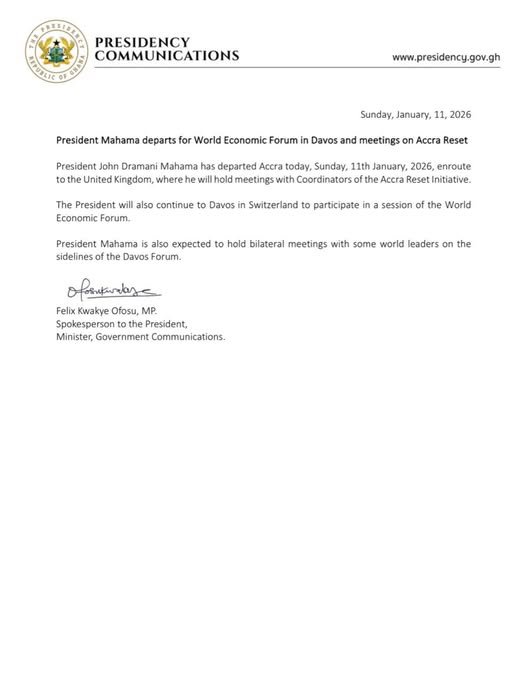
Mahama Heads to World Economic Forum After UK Meetings

President John Mahama left Accra on Sunday for the United Kingdom to meet with coordinators of the Accra Reset initiative, before traveling to Davos, Switzerland, for the World Economic Forum. He is set to join forum sessions and hold bilateral talks with global leaders, underscoring Ghana’s commitment to international economic discussions. This move comes amid efforts to strengthen Ghana’s position on the world stage.
Mahama Administration Clears $1.47 Billion Energy Debt, Revives World Bank Guarantee
In its first year, the Mahama government has settled US$1.47 billion in inherited energy sector debts, fully restoring the World Bank’s US$500 million Partial Risk Guarantee for the Sankofa Gas Project. This includes repaying US$597.15 million drawn on the guarantee and clearing US$480 million in gas invoices to ENI and Vitol. The actions prevent sector collapse, boost investor confidence, and secure future payments through budgetary measures, marking a significant turnaround from prior governance issues.
National Security Uses Clean-Up Drives to Combat Prostitution in Tamale
In an unconventional approach, National Security operatives in Ghana’s Northern Region have initiated public clean-up exercises in Tamale to deter street prostitution. Collaborating with migration authorities, they arrested women in hotspots and required them to sweep streets and collect refuse as a disciplinary measure. While some locals praise it for promoting hygiene and order, critics argue it overlooks underlying causes like poverty. This is part of wider regional efforts against drugs and social vices.
Ghana Pays $393 Million to IPPs in Energy Sector Overhaul
As part of a broader US$1.47 billion debt clearance, the Mahama administration disbursed US$393 million to Independent Power Producers (IPPs) in 2025, including major payments to Karpowership, Cenpower, and Sunon Asogli. These steps, combined with renegotiated contracts and a Cash Waterfall Mechanism, aim to stabilize electricity supply, prevent future arrears, and shift toward domestic gas production. Officials hail it as ending unchecked debt accumulation and restoring sector stability.
2026: Pivotal Year for Ghana’s Cannabis Industry, Says Chamber
The Chamber of Cannabis Industry Ghana labels 2026 as a critical juncture for the medicinal and industrial cannabis sector, post-2020 legalization of low-THC varieties. CEO Dr. Mark Darko calls for swift policy execution, including finalizing fees and guidelines, to harness opportunities in pharmaceuticals, exports, and job creation while ensuring compliance and public safety. The focus is on long-term, data-driven growth through stakeholder collaboration to integrate Ghana into global markets.
Criticism Mounts: Mahama’s Government Not Lean, Claims Bawumia Campaign Director
Dennis Miracles Aboagye, from the Bawumia Campaign, accuses President Mahama’s administration of bloating government despite appointing only 56 ministers, arguing that presidential staffers at Jubilee House function like deputy ministers with significant authority. Drawing from past experience, he insists true efficiency assessments must include these roles. This critique emerges in Ghana’s politically charged environment, questioning the NDC’s commitment to streamlined governance in its inaugural year.
Nigerian Investments Inject $103 Million into Ghana’s Economy in 2025
Dispelling myths of an informal “retail takeover,” official data shows Nigerian investors channeled US$103.61 million into Ghana via nine projects in the first nine months of 2025, focusing on general trade and wholesale. This created prospects for 9,498 jobs, mostly for Ghanaians, with a Q2 surge exceeding investments from China and the UAE. The Ghana Investment Promotion Centre highlights these structured inflows as boosting economic ties between the two nations.
Western Regional Minister Advocates Drones to Halt Illegal Mining at River Origins
Joseph Nelson, Western Regional Minister, proposes drone technology for surveillance at river sources to curb illegal mining (galamsey), criticizing current downstream efforts as insufficient against upstream pollution in rivers like Ankobra and Pra. This follows a military operation seizing equipment in Amenfi Central, exposing severe environmental and infrastructural damage. Security officials stress sustained monitoring to prevent resurgence, amid local complaints of disrupted livelihoods.
IGP’s FBI Badge Explained: Symbol of Ghana-US Security Partnership
Ghana’s Inspector General of Police, Christian Tetteh Yohunu, wore a commemorative FBI New York Field Office badge at the 2025 WASSA event in Accra, sparking online curiosity. The pin, received during an October 2025 delegation visit to the FBI, signifies enhanced cooperation on cyber fraud, intelligence, and counterterrorism. It falls under the FBI’s Honorary Medals Programme for international allies.
Check back soon for updates as more developments unfold across Ghana and the global community.








Ghana News
Ghana’s New Road Traffic Regulations 2026: The Full List of Offences, Fines, and Penalties
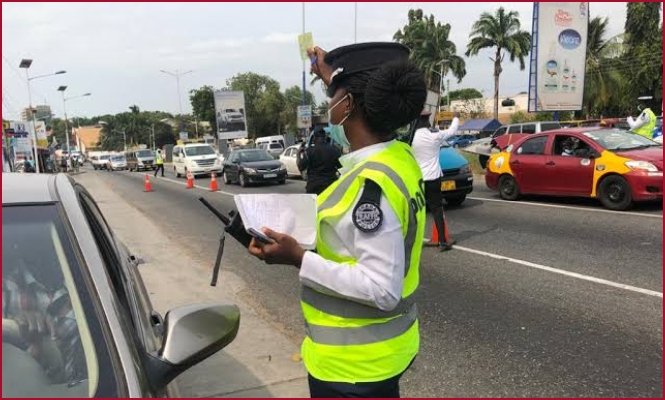
Ghana’s new Road Traffic Regulations, 2026 (L.I. 2519), prescribe fines and, in some cases, imprisonment for a range of road traffic offences, including illegal racing, jumping red lights, improper parking, disobeying traffic officers, and using television monitors while driving.
The regulations also introduce provisions on automated enforcement, allowing offences detected by traffic enforcement devices to attract graduated fines and, after repeated violations, possible suspension or revocation of a driver’s license.
A 14-page offences schedule prepared by D/Sgt. Nana Kwadwo Otibu-Gyan of the Legal and Prosecution Unit, RHQ/Ho, outlines several of the offences and penalties under the regulations. Below are some of the key provisions.
Stop signs, red lights and racing
1. Street racing, drag racing and speed competitions – Section 221
- Driving, or permitting another person to drive, in a race, speed competition, or endurance test on a road attracts a fine of 10 to 25 penalty units, imprisonment for up to 30 days, or both.
- Participating in an unauthorized race under Section 221(2) attracts the same penalty.
2. Failure to stop at STOP or YIELD signs – Section 222
- Under Sections 222(1) to 222(6), failing to stop or yield the right of way at an intersection marked by a STOP or YIELD sign, or failing to stop before a pedestrian crossing, attracts a fine of 10 to 30 penalty units, imprisonment for up to 30 days, or both.
- Approaching a YIELD sign without slowing down under Section 222(2) attracts the same penalty.
3. Jumping a red light – Section 222(7)–(8)
- Jumping a red light at a signalized intersection attracts a fine of 10 to 30 penalty units, imprisonment for up to 30 days, or both.
4. Railway crossings – Section 223
- Failing to stop within the prescribed distance of a railway line at a level crossing, or proceeding before it is safe to do so, attracts a fine of 5 to 25 penalty units or imprisonment for up to 30 days.
- Walking, driving or riding through, around or under a closed railway gate under Section 223(3) attracts the same penalty.
Overtaking, traffic officers and restricted parking
1. Overtaking at pedestrian crossings – Section 224
- Overtaking a vehicle that has stopped at a pedestrian crossing to allow a pedestrian to cross attracts a fine of 10 to 25 penalty units or imprisonment for up to 30 days.
- Failing to slow down when approaching a marked pedestrian crossing under Section 224(2) attracts the same penalty.
2. Disobeying traffic control officers or devices – Section 226(3)
- Disobeying a traffic control officer or traffic control device attracts a fine of 10 to 25 penalty units or imprisonment for up to 30 days.
3. Unauthorized use of bus stops or taxi stands – Section 227(3)
- Using a bus stop or taxi stand without authorisation attracts a fine of 10 to 25 penalty units or imprisonment for up to 30 days.
4. Parking in spaces reserved for persons with disabilities – Section 228(3)
- Parking in a space reserved for persons with disabilities without entitlement attracts a fine of up to 25 penalty units, imprisonment for up to eight months, or both.
Processions, funerals and public transport
1. Driving in a procession without obeying the rules – Section 229(2)
- Driving in a procession without complying with the applicable rules attracts a fine of 10 to 25 penalty units or imprisonment for up to 30 days.
2. Driving through a funeral or authorized procession – Section 230(3)
- Driving through a funeral or other authorized procession attracts a fine of 10 to 25 penalty units or imprisonment for up to 30 days.
3. Stopping or parking buses and taxis outside designated areas – Section 231(4)
- Stopping or parking a bus or taxi outside a designated stop or stand attracts a fine of 10 to 25 penalty units or imprisonment for up to 30 days.
4. Failure to provide facilities for persons with disabilities on public transport – Section 232(2)
- Failure to provide the required facilities for persons with disabilities on public transport attracts a fine of 10 to 25 penalty units or imprisonment for up to 30 days.
Parking offences – Section 235
Section 235 sets out several offences relating to improper parking:
- Parking contrary to traffic signs or near junctions – Section 235(1): Parking contrary to a traffic sign or within a prohibited distance of a junction attracts a fine of 10 to 25 penalty units or imprisonment for up to 30 days.
- Parking in front of building entrances or exits – Section 235(1)(d)–(e): Parking in front of a building entrance or exit attracts the same penalty.
- Parking contrary to instructions in designated parking areas – Section 235(2): Parking in a designated parking area contrary to the applicable instructions attracts a fine of 10 to 25 penalty units or imprisonment for up to 30 days.
- Parking in prohibited areas – Section 235(3): Parking in a loading area, a reserved permit-holder bay, on slip roads, a hard shoulder or central reserve, or near a junction, bend or crossing in a manner that obscures a traffic sign attracts a fine of 10 to 25 penalty units or imprisonment for up to 30 days.
- Double parking – Section 235(4): Parking abreast of another vehicle, commonly referred to as double parking, attracts the same penalty.
- Parking in an area designated for another category of vehicle – Section 235(5): Parking in an area designated for a different category of vehicle attracts a fine of 10 to 25 penalty units or imprisonment for up to 30 days.
Billboards, television monitors and automated fines
1. Outdoor advertising signs obstructing traffic controls – Section 236(3)
- An outdoor advertising sign that interferes with traffic or obscures a traffic sign or device attracts a fine of 25 to 50 penalty units or imprisonment for up to three months.
2. Operating a television monitor while driving – Section 237(2)
- Using or operating a television monitor on the dashboard of a vehicle while it is in motion attracts a fine of up to 25 penalty units, imprisonment for up to 30 days, or both.
3. Automated road traffic offences – Section 242(12)
- The regulations provide for offences detected by Traffic Enforcement Devices, including cameras, to attract graduated automated fines. The schedule provides for:
- First to third offence: 10 penalty units (GH¢120)
- Fourth offence: 15 penalty units (GH¢180)
- Fifth offence: 20 penalty units (GH¢240)
- Sixth offence within 24 months: Possible court-ordered licence revocation or suspension for a minimum of 12 months, together with retraining and retesting.
General penalty – Regulation 243
Regulation 243 provides a general penalty where the regulations do not prescribe a specific punishment for a particular contravention. According to the schedule, such an offence attracts a fine of 10 to 50 penalty units, imprisonment for up to eight months, or both.
Penalty point system
Regulation 244 also allows a court to order retraining for offences involving carelessness, recklessness, or willful disregard of the regulations, in addition to any fine or imprisonment imposed.
Other offences
- Washing or repairing vehicles on the road – Section 139(3)(b): Washing or repairing a vehicle on a road attracts a fine of 25 penalty units or imprisonment for up to 30 days.
- Preaching or hawking on a moving public or commercial vehicle – Section 141: Preaching or hawking on a moving public or commercial vehicle attracts a fine of 10 to 50 penalty units or imprisonment for up to eight months.
- Selling goods on or alongside roads – Section 142(1): Selling goods on or alongside a road, on a pedestrian walkway, or near a railway crossing attracts a fine of up to 50 penalty units or imprisonment for up to three months.
The schedule also lists other offences covering areas including tyres, brakes, learner drivers, and vehicle and driver requirements.
The Road Traffic Regulations, 2026 (L.I. 2519), are now in force, and the offences schedule is being used as a reference for enforcement and prosecution. The provisions mean that motorists and other road users could face not only fines but, depending on the offence, imprisonment or additional measures such as retraining, retesting, and license suspension.
Authored by D/Sgt. Nana Kwadwo Otibu-Gyan, Legal & Prosecution Unit, RHQ/Ho.
25 Key Offences Under Ghana’s New Road Traffic Regulations, 2026 (L.I. 2519)
Penalty units are as prescribed under L.I. 2519. Most offences carry a fine, a jail term, or both, at the court’s discretion.
| # | Offence | Regulation | Penalty (fine / imprisonment) |
|---|---|---|---|
| 1 | Using a mobile phone while driving | Reg. 132 | Up to 50 units, up to 3 months, or both |
| 2 | Driving under the influence of alcohol or drugs | Reg. 131 | 50 to 200 units, up to 40 months, or both |
| 3 | Jumping a red light | Reg. 222(7)-(8) | 10 to 30 units, up to 30 days, or both |
| 4 | Failing to stop or yield at STOP and YIELD signs | Reg. 222 | 10 to 30 units, up to 30 days, or both |
| 5 | Street racing, drag racing and speed competitions | Reg. 221 | 10 to 25 units, up to 30 days, or both |
| 6 | Speeding, exceeding the prescribed limit | Reg. 212 | 10 to 25 units, up to 30 days, or both |
| 7 | Failing to slow down in dangerous conditions | Reg. 213 | 50 to 100 units, 3 to 6 months, or both |
| 8 | Breaking railway crossing rules | Reg. 223 | 5 to 25 units, up to 30 days, or both |
| 9 | Overtaking at a pedestrian crossing | Reg. 224 | 10 to 25 units, up to 30 days, or both |
| 10 | Disobeying traffic control officers or devices | Reg. 226 | 10 to 25 units, up to 30 days, or both |
| 11 | Failing to wear a seat belt | Reg. 144 | 10 to 50 units, up to 8 months, or both |
| 12 | Riding without a helmet or reflective clothing | Reg. 109 | 25 to 50 units, 1 to 3 months, or both |
| 13 | Driving without warning triangles or approved devices | Reg. 108 | 25 to 50 units, 30 days to 3 months, or both |
| 14 | Driving with a tinted front windscreen | Reg. 92 | 25 to 50 units, 1 to 3 months, or both |
| 15 | Using unsafe or worn-out tyres | Reg. 87 | 25 to 50 units, 30 days to 3 months, or both |
| 16 | Driving without a fire extinguisher and first-aid kit | Reg. 94 | 10 to 25 units, up to 30 days, or both |
| 17 | Overloading a vehicle | Reg. 118 | 25 to 50 units, up to 3 months, or both |
| 18 | Operating commercial motorcycles or tricycles without authorization | L.I. 2519 | Operator: 50 to 100 units, 8 to 24 months, or both. Rider: 25 to 50 units, up to 8 months, or both |
| 19 | Overcharging passengers | Reg. 180 | 10 to 25 units, up to 30 days, or both |
| 20 | Stopping or parking buses and taxis outside designated areas | Reg. 231 | 10 to 25 units, up to 30 days, or both |
| 21 | Boarding or alighting at unauthorized places | Reg. 204 | Up to 5 units, up to 7 days, or both |
| 22 | Jaywalking or failing to use a footbridge | Reg. 203 | Up to 5 units, up to 7 days, or both |
| 23 | Improper parking | Reg. 228, 235 | 10 to 25 units, up to 30 days, or both. Disability bays: up to 25 units, up to 8 months, or both |
| 24 | Preaching or hawking in a moving public or commercial vehicle | Reg. 141 | 10 to 50 units, up to 8 months, or both |
| 25 | Selling goods on roads and walkways, or washing or repairing a vehicle on the road | Reg. 142, 139 | Selling: up to 50 units, up to 3 months, or both. Washing or repairing: up to 25 units, up to 30 days, or both |
Automated enforcement: Under Regulation 242, offences detected by Traffic Enforcement Devices carry graduated fines: 10 penalty units for the first, second and third offences, 15 units for a fourth and 20 units for a fifth. A sixth offence within 24 months can result in court proceedings, license suspension or revocation for at least 12 months, plus retraining and retesting.
Source: Road Traffic Regulations, 2026 (L.I. 2519).

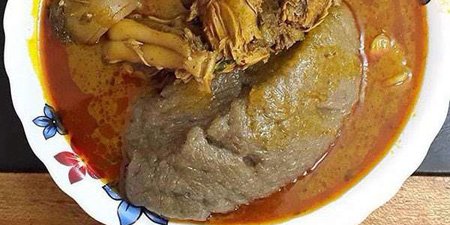
One spoonful is enough to understand why this northern Ghanaian favourite has stood the test of time.
Konkonte, a soft swallow made from dried cassava flour, has long been a comforting staple across Ghana. In the Upper West, Upper East and Northern regions, however, it reaches another level when paired with dawadawa soup, a deeply savoury dish built around fermented African locust beans.
The first thing that announces the meal is its aroma. Dawadawa carries a bold, earthy scent that fills the air long before the soup reaches the table.
Its fermented richness creates an intense umami flavour that many Ghanaians compare to the role soy sauce plays in Asian cooking, adding depth, warmth and character to every spoonful.
The smooth, slightly elastic texture of konkonte makes it the perfect partner. As it is dipped into the soup, it absorbs the rich broth, creating a hearty bite that is both filling and satisfying.
The combination has nourished farming communities for generations, offering an affordable meal packed with flavour and tradition.
Beyond its comforting taste, the dish also carries nutritional appeal. Cassava provides energy, while fermented locust beans contribute plant-based protein and beneficial compounds that have made dawadawa a valued ingredient in West African kitchens for centuries.
For visitors eager to discover Ghana beyond familiar favourites like jollof rice or waakye, konkonte with dawadawa soup offers something unforgettable. It is a meal that speaks of northern heritage, resourcefulness and the enduring power of ingredients perfected through tradition.


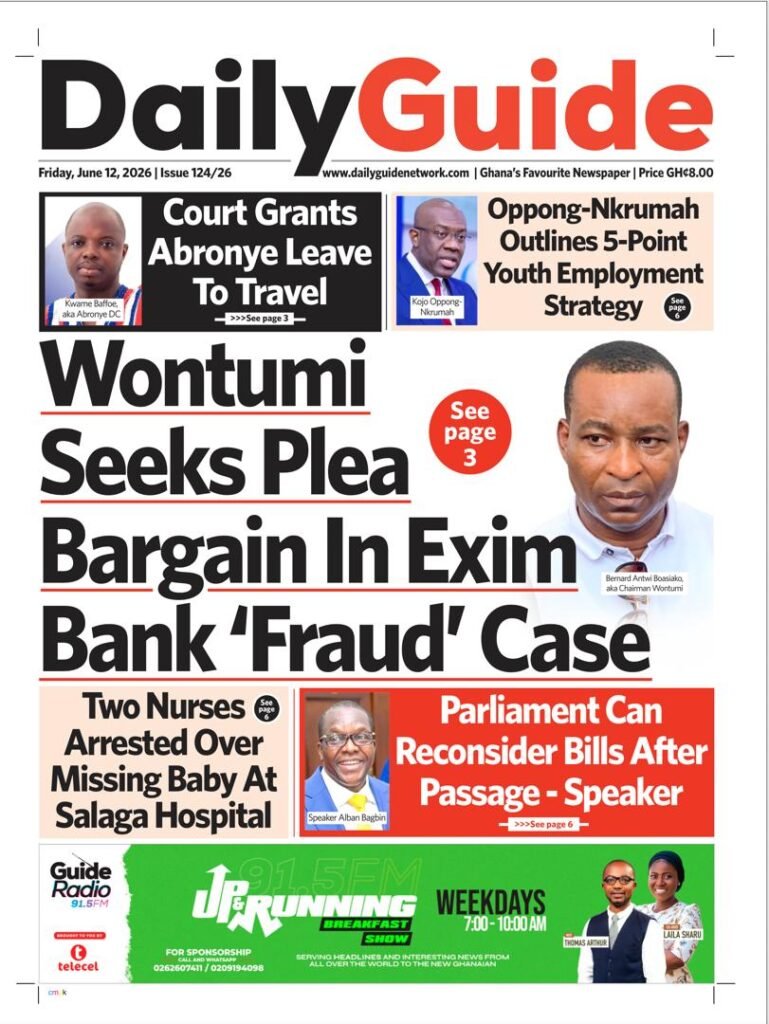
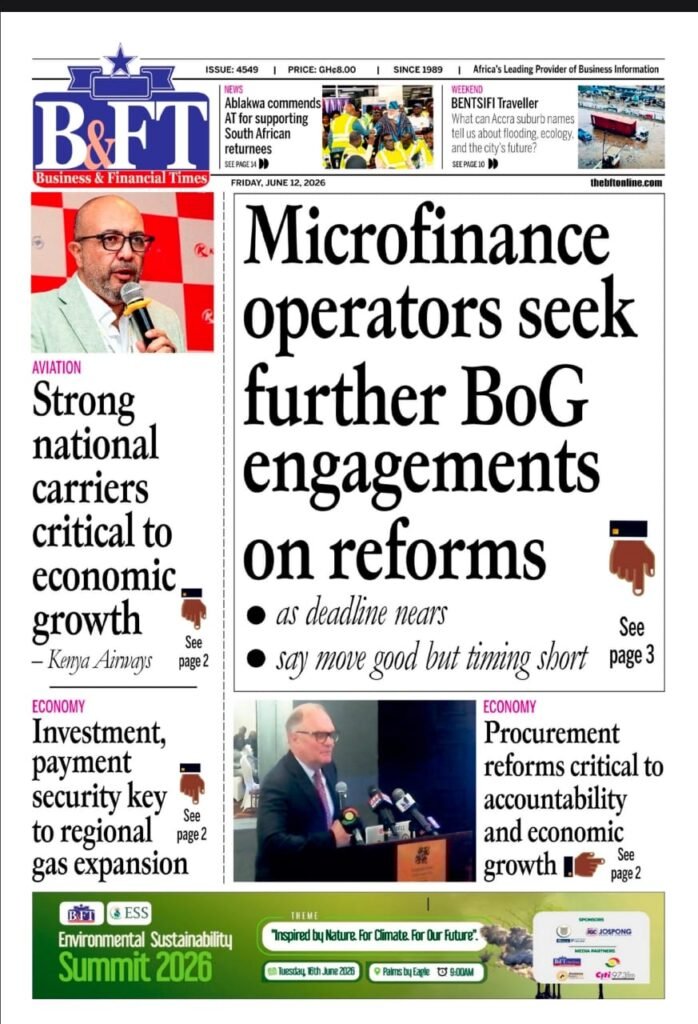
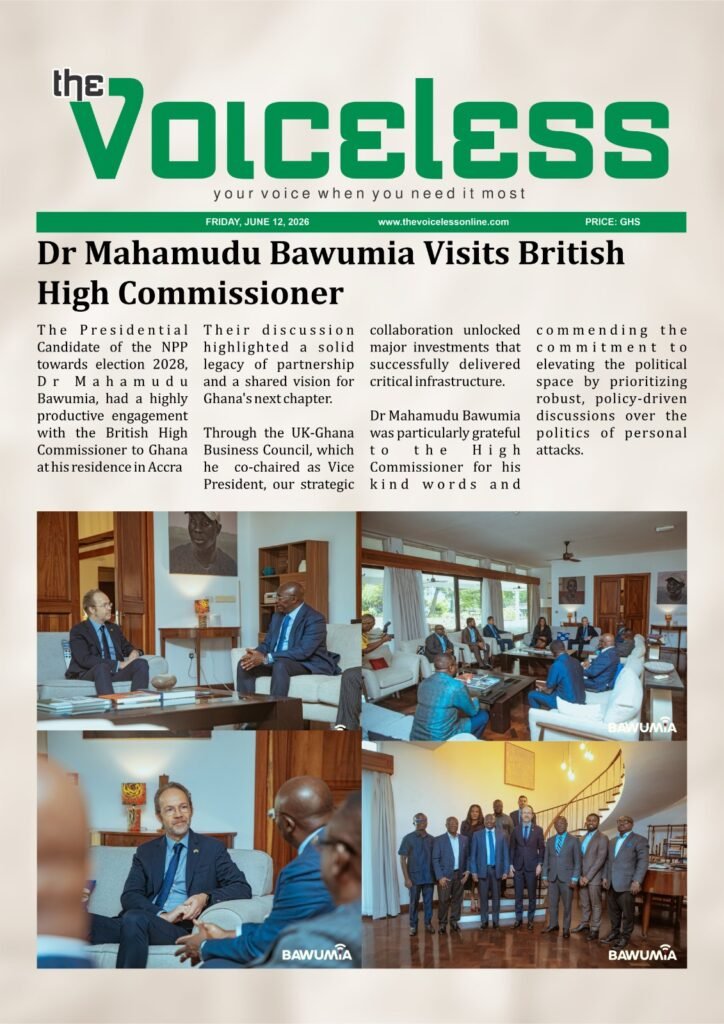
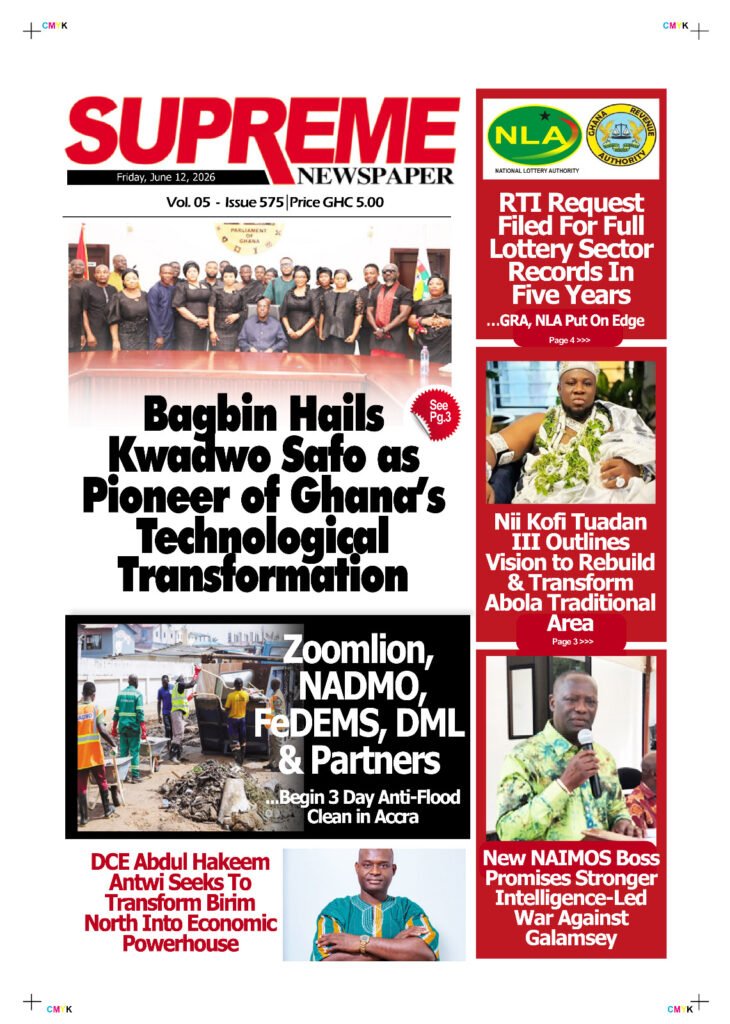
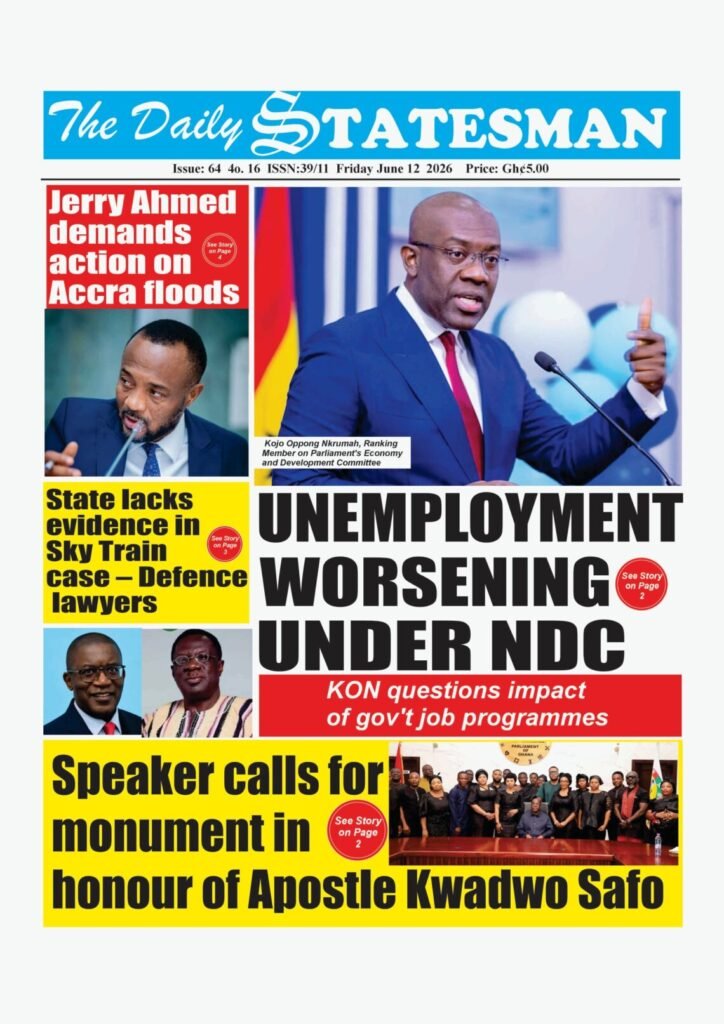
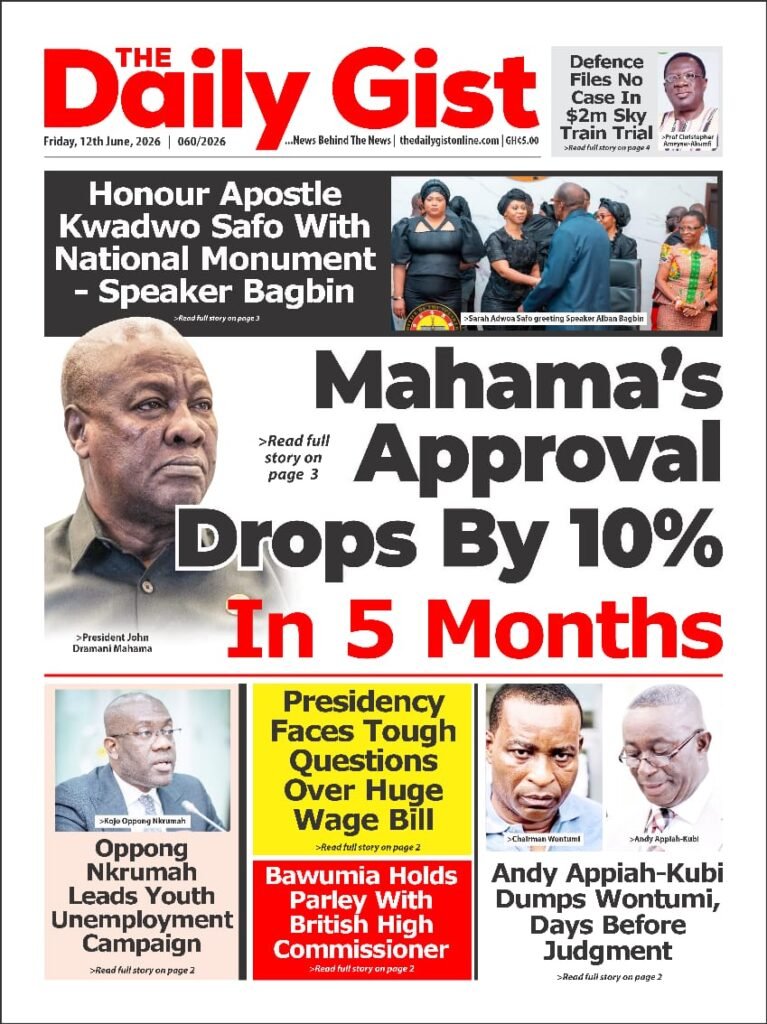
Friday, June 12, 2026. Stay informed with today’s front pages of Ghanaian newspapers, all in one place.













Funding Fears Loom For Ghana’s Life-Saving Malaria Vaccine Five Years After Roll Out

‘There was a Coordinated Disclosure Plan’: AI-Discovered Flaw in PHP Triggers Global Internet Chaos as Cybercriminals Race to Exploit It

Yandex Strikes: Can Moscow Host Africa Under Drone Threat?
-
 Ghana News11 hours ago
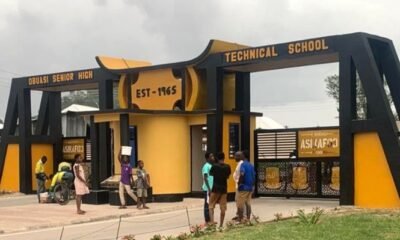
Major Sexual Abuse Scandal Rocks Ghana High School: Obuasi School Headmaster Sues Journalist for GH¢2 Million as Investigation Into Alleged Misconduct Widens
-

 Reels & Social Media Highlights1 day ago
Ghana’s Digital Heartbeat: Outrage, Satire, and the Fight for Accountability
-

 Festivals & Events16 hours ago
Compozers Fest Ghana Edition: Welcoming 2027 with Music in Accra
-
 Taste GH15 hours ago
Airport Residential Area: Where Accra’s Dining Scene Meets Global Flavours
-

 Fashion & Style2 days ago
Wyclef Jean Gives Ghanaian Kaftan a Global Spotlight After ‘Chineke’ Fashion Inspiration
-

 Health & Wellness2 days ago
Beyond Bigger Muscles: Why Strength Training Matters for Healthy Ageing
-

 Health & Wellness1 day ago
Four Everyday Lifestyle Habits That Can Make Weight Loss Easier
-

 Health & Wellness15 hours ago
Why Keeping Weight Off Can Be Harder Than Losing It