Taste GH
From Chop Bars to Family Tables: Why Ghanaian Light Soup Remains a Favourite

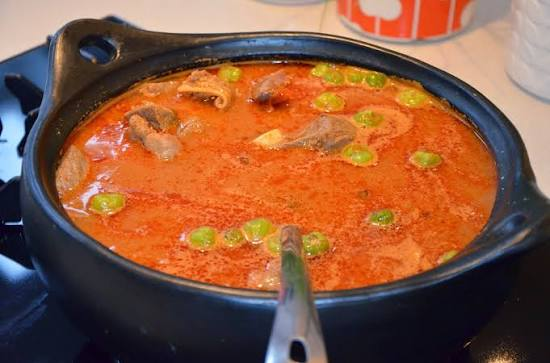
Few dishes capture the comforting warmth of Ghanaian home cooking quite like a steaming bowl of light soup.
With its bright tomato colour, fragrant spices and gently simmered meat or fish, this much-loved Ghanaian dish delivers a delicious combination of heat, freshness and rich savoury flavour.
Light soup is a traditional Ghanaian broth prepared primarily with fresh tomatoes, onions, pepper, ginger and garlic.
Depending on the household and region, it may be cooked with goat meat, beef, chicken, assorted meats or fresh fish.
The ingredients are simmered together to create a thin but flavourful soup, with the natural juices of the meat or fish adding depth to the tomato-based broth.
Its aroma is unmistakable. Fresh ginger and garlic mingle with the warmth of scotch bonnet pepper, while tomatoes provide a gentle tanginess that balances the savoury richness of the protein.
Unlike thick, heavily textured soups, light soup has a delicate consistency that makes every spoonful refreshing yet satisfying.
It is commonly enjoyed with fufu, the soft, stretchy staple made by pounding cassava and plantain or cassava and yam.
The combination is a favourite in Ghanaian homes, chop bars and traditional restaurants. It can also accompany rice or other local staples.
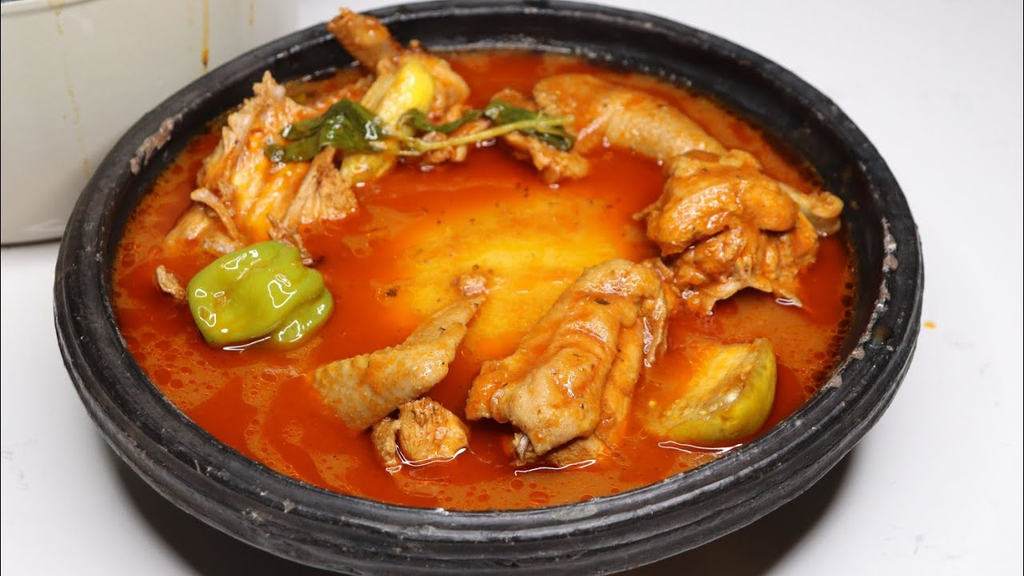
Beyond its comforting taste, light soup offers nutritional appeal. Tomatoes provide vitamin C and lycopene, while ginger, garlic and fresh peppers contribute beneficial plant compounds. Meat and fish supply protein, iron and other essential nutrients.
Whether served at family gatherings, enjoyed as a weekend meal or prepared to soothe an appetite, light soup holds a special place in Ghanaian food culture.
For visitors discovering Ghanaian cuisine, it is an inviting introduction to the country’s love of fresh ingredients, bold seasoning and deeply satisfying meals.

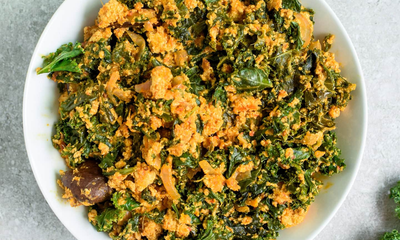






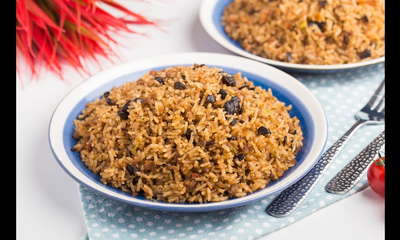

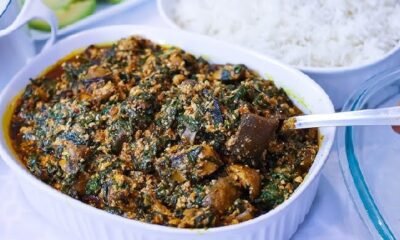

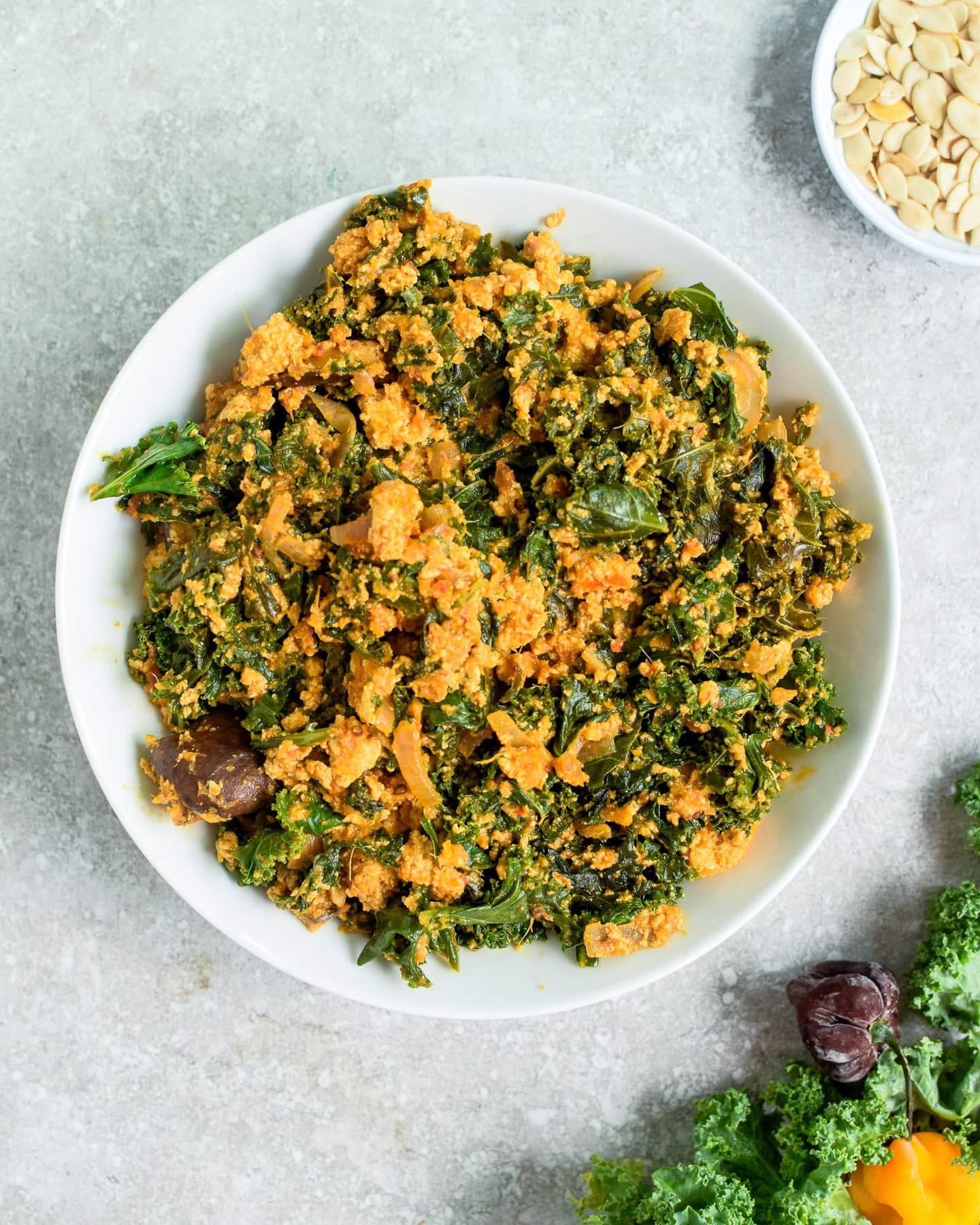
The unmistakable aroma of palm oil, onions and simmering tomatoes is enough to announce a pot of kontomire stew in a Ghanaian kitchen.
But this familiar favourite is getting a plant-based makeover, proving that a satisfying bowl of traditional Ghanaian food does not always need meat, fish or eggs.
Kontomire stew, a much-loved Ghanaian dish, takes its name from the leaves of the cocoyam plant, known as taro leaves elsewhere.
Its appeal lies in the combination of tender leafy greens, rich seasoning and a deeply savoury sauce that pairs beautifully with traditional accompaniments.
In this meat-free version, palm oil and onions provide the flavourful foundation. Rather than using momone, the fermented salted fish traditionally added for its distinctive pungent, savoury character, a homemade seasoning blend featuring dawadawa brings depth and an earthy, fermented aroma.
Tomatoes and scotch bonnet pepper add sweetness, acidity and gentle heat.
The real transformation comes with crumbled tofu and melon seeds. Tofu provides plant-based protein, while the melon seeds create a creamy, textured richness as they cook into the sauce.
Together, they absorb the seasoning, producing a hearty mixture in which the ingredients blend almost seamlessly. The melon seeds are optional, allowing the tofu to take centre stage.
Precooked kontomire leaves and spinach complete the stew, adding colour, leafy texture and nutritional value. Rich in vitamins and minerals, these greens also contribute to the dish’s wholesome appeal.
Served with boiled yam and ripe plantain, the stew makes a satisfying version of ampesi, a traditional Ghanaian combination of boiled root vegetables or plantain served with a savoury sauce.
It is a thoughtful reinvention of a beloved Ghanaian classic, preserving its familiar flavours while opening the door to more plant-based ways of enjoying local food.
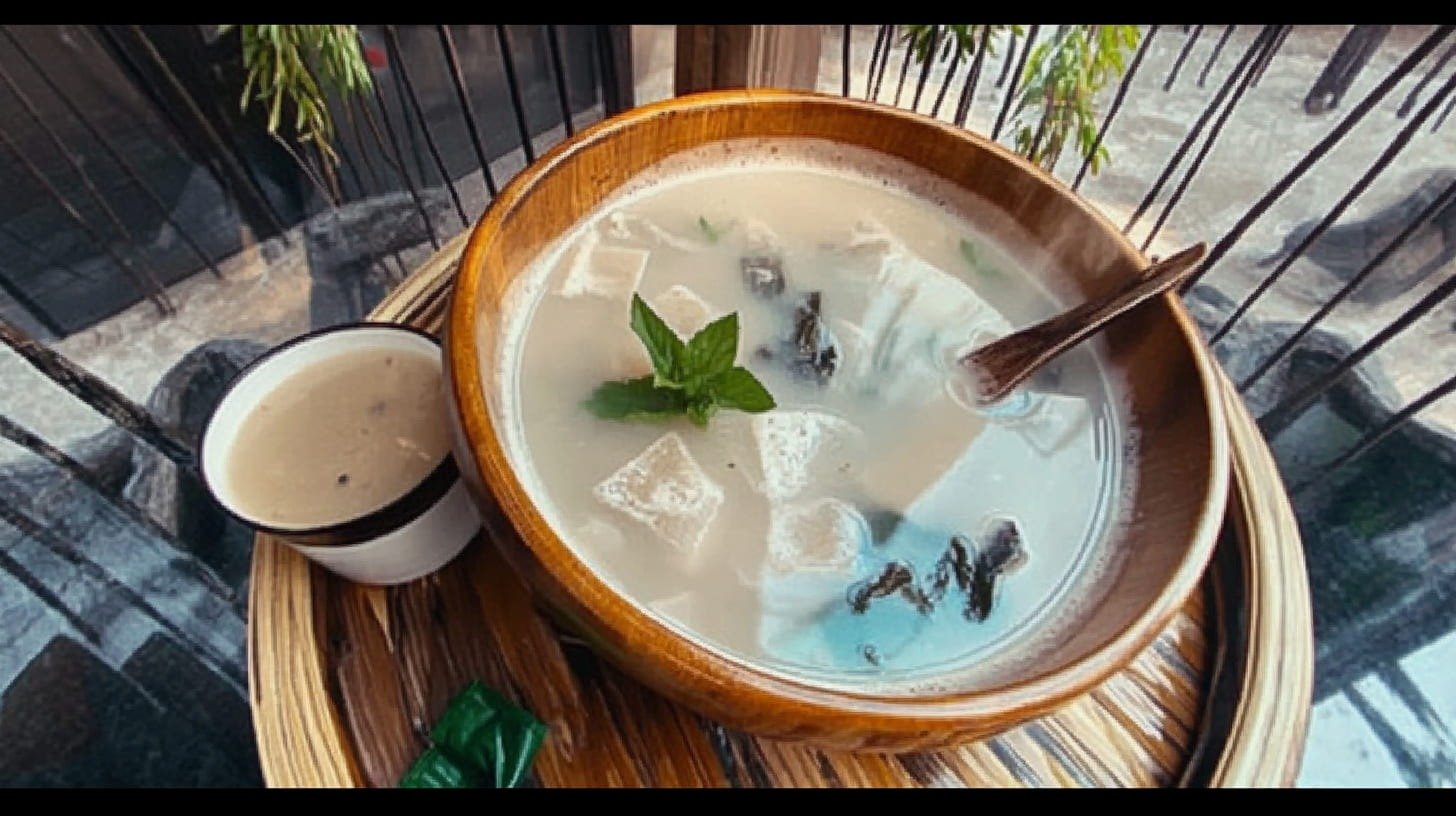
When the northern Ghanaian sun turns up the heat, a chilled glass of Zomkom offers a welcome burst of refreshment, with the warming fragrance of ginger and cloves and a pleasantly tangy kick.
A traditional millet-based drink, Zomkom is a familiar favourite in northern Ghana, where millet has long been an important part of everyday food culture.
Its preparation is relatively simple, but the resulting drink delivers a distinctive combination of flavour, nourishment and refreshment.
The process begins with millet flour cooked in water to form a smooth mixture. Once cooled, it is sweetened and flavoured with aromatic spices, including ginger, cloves and pepper.
Depending on the preparation, some versions undergo mild fermentation, adding a subtle sourness that gives the drink its characteristic tangy taste.
Each sip brings together several contrasting sensations. Ginger provides gentle warmth, cloves contribute a fragrant, slightly sweet aroma, while pepper introduces a delicate heat. The sweetness balances these spices, producing a refreshing drink that is best enjoyed chilled.
Zomkom is particularly popular at school canteens and roadside stalls, where it offers an affordable alternative to commercially produced soft drinks.
Its presence in everyday community life also reflects the enduring importance of millet in northern Ghanaian cuisine and traditional food practices.
Millet contributes dietary fibre and minerals, while ginger and cloves contain naturally occurring antioxidant compounds.
Although its nutritional value depends on the recipe and preparation, Zomkom offers an appealing way to enjoy a traditional grain-based beverage.
For visitors discovering Ghanaian food culture, Zomkom is worth seeking out. It is more than a thirst quencher; it is a taste of northern Ghana’s culinary heritage, served cold and full of character.
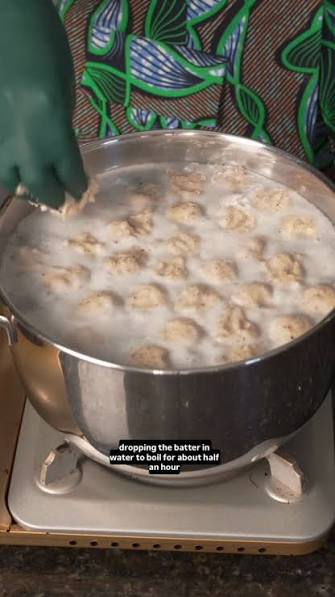
Across the world, dumplings take different shapes, textures and flavours, but could a humble Ghanaian dish made from beans and cassava flour belong in the same family?
Meet Kpogulo, a traditional food that invites an interesting conversation about Ghanaian cuisine and the many ways cultures transform simple ingredients into beloved dishes.
Prepared by mixing equal parts black-eyed pea flour and cassava flour with salt, baking soda and water, Kpogulo is formed from a batter dropped into boiling water and cooked for about 30 minutes. The result is a collection of small, rounded balls with a soft, hearty texture.
Its appeal lies partly in its simplicity. Black-eyed peas bring a distinctive, earthy flavour, while cassava contributes to the dumplings’ texture.
The combination also makes Kpogulo naturally gluten-free, offering an alternative to wheat-based foods for people avoiding gluten.
But the experience does not end with the boiled balls themselves. Some versions are topped with roasted sesame seeds, adding a nutty fragrance and delicate crunch.
They may also be served with the familiar combination of onion-infused oil and pepper, bringing richness, heat and aroma to the dish. Sesame varieties native to West Africa further connect the meal to the region’s agricultural heritage.
Kpogulo reflects the ingenuity behind many traditional Ghanaian foods: making satisfying meals from locally available ingredients and familiar cooking techniques.
While its precise place within the country’s wider food traditions deserves further exploration, its preparation shares similarities with dumplings found in other parts of the world.
So, does Kpogulo qualify as a dumpling? Its shape and method of cooking make a compelling case. Perhaps the more interesting question is how many other Ghanaian foods could broaden our understanding of this global culinary category.


Content Creation Is Now a College Degree: Universities Turn Influencing Into a Professional Career Path

The Stories Family Photographs Leave Behind: Ezra Appiah Reimagines Memory and Belonging