
Health & Wellness
Stop Chasing Perfect Nutrition: The Healthy Habit That Matters More


Your body isn’t keeping score meal by meal
Many people spend more time worrying about when they eat than how they live overall. Miss a protein target by a few grams, eat dinner at 9 p.m., or add rice to every meal, and it can feel like you’ve undone a week’s worth of healthy choices.
The reality is less dramatic. Our bodies are surprisingly adaptable, and long-term habits usually matter more than hitting perfect numbers every day.
Consistency beats perfection
Think about a typical weekday in Ghana. Someone leaves home before sunrise, works through traffic and long hours, then finally sits down to dinner with family later in the evening.
That late meal isn’t automatically the problem. What matters more is whether the day’s overall eating pattern supports their health.
The same goes for protein. Most adults benefit from getting enough across the day—roughly 1 to 1.75 grams per kilogram of body weight for many active people—but missing the exact target occasionally won’t erase muscle gains or derail progress.
Carbohydrates deserve a fresh look too. Banku, kenkey, rice, yam, plantain, and fufu have fueled generations. These foods become an issue when total calorie intake consistently exceeds what the body needs, not simply because they appear on the plate.
Make healthy eating fit real life
The healthiest diet is rarely the most restrictive one. It’s the one that survives busy schedules, family dinners, celebrations, and ordinary Tuesdays.
Instead of chasing flawless nutrition, build meals around balance: include protein, enjoy your favourite staples in sensible portions, eat plenty of vegetables, and keep moving.
A flexible approach is often the easiest one to stick with—and that’s what gives healthy habits their real power.












A brightly coloured electrolyte drink can feel like a badge of healthy living. It promises hydration, recovery, and better performance.
For many people, though, that extra packet may be solving a problem their body has already handled.
Healthy kidneys are remarkably good at keeping sodium and water in balance. If you’re eating regular meals and drinking enough fluids, your body is constantly adjusting those levels without asking for help from a flavoured powder.
Yet many electrolyte packets contain 500 to 1,000 milligrams of sodium—a sizeable portion of the recommended daily limit of 2,300 milligrams.
Hydration isn’t always about adding more
Electrolytes are important. People doing hours of intense exercise, working in extreme heat, or losing large amounts of fluid through illness can genuinely benefit from replacing them.
That’s very different from adding one to a bottle of water before a short gym class, a flight, or a day behind a laptop.
In Ghana’s warm climate, it’s easy to assume sweating automatically means electrolyte loss. For most daily activities, plain water and a balanced diet are enough.
Foods like bananas, oranges, leafy greens, coconut water, and dairy products already provide key minerals without loading up on unnecessary sodium.
A small habit with long-term consequences
High sodium intake has been linked to higher blood pressure, which raises the risk of heart disease and stroke over time. Wellness habits should make life healthier, not quietly push it in the opposite direction.
Sometimes the healthiest upgrade isn’t adding another supplement. It’s trusting a body that’s already doing its job.

Running has long held the crown as the undisputed king of cardiovascular fitness. Yet, a humble playground staple is proving that ten minutes of focused effort can deliver the exact cardio boost of a half-hour jog.
For busy adults seeking maximum physical returns in minimal time, the jump rope is staging a major comeback.
Saving Joints while Building Full-Body Power
The real magic of jumping rope lies in how it treats your body. Running exerts forces up to three times your body weight directly through a single knee with every stride.
Skipping spreads that impact lightly across both feet, offering a hip- and knee-protective alternative.
Beyond joint safety, jump rope transforms cardio into a complete strength session.
While running relies almost entirely on leg muscle endurance, turning the rope continuously engages shoulders, forearms, core, and calves, all while refining rhythm and motor coordination.
       WORKOUT COMPARISON
┌─────────────────┬──────────────────┐
│ JUMP ROPE       │ RUNNING          │
├─────────────────┼──────────────────┤
│ 10-15 cal/min   │ ~10 cal/min      │
│ Low joint impact│ High joint impact│
│ Full-body build │ Primary lower body│
└─────────────────┴──────────────────┘
Efficiency Beats Endurance
Long-distance running certainly builds stamina, but few people have forty-five minutes to spare every morning.

Incorporating high-efficiency workouts into daily routines offers an accessible path toward long-term heart health and functional agility without the physical wear and tear.

Somewhere between our schoolyard tag games and our thirties, movement lost its joy. Childhood play gave way to career deadlines, and “exercise” transformed into a tedious chore.
When we finally attempt a return to fitness, we often punish ourselves with endless treadmill sessions or strict calorie math.
Yet, as the years advance, the body requires a fundamental shift in strategy. Beyond the age of thirty, human bodies naturally lose muscle mass at an accelerating rate—a biological process known as sarcopenia.
The true secret to reclaiming vitality is not logging grueling hours on a cardio bike; it is rebuilding our physical armor through progressive resistance training.
Lifting weights or leveraging bodyweight exercises rewrites your cellular story. Resistance training sends clear signals to your muscle cells to build denser protein structures, sharpening metabolism, protecting bone density, and stabilizing joints.
Restoring strength turns daily tasks into lightweight movements once again.
Reclaiming fitness requires abandoning the notion that movement is punishment for what you ate. Treat strength training as a deliberate act of physical self-creation—a way to build a resilient frame that supports an active, vibrant life for decades to come.
Heavy Weights, Longer Life: Reclaiming Muscle Beyond 30
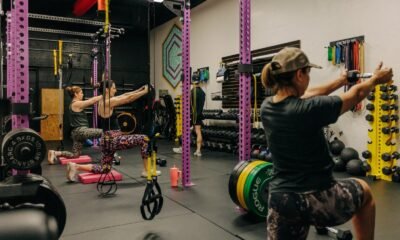
Modern adults face an inevitable loss of lean muscle every decade after age thirty. Countering this biological decline requires moving away from pure cardio and embracing progressive strength training.
Play to Preserve: Why Strength Is the Ultimate Anti-Aging Pill
Lifting heavy weights does more than burn calories; it signals your cells to rebuild stronger bone and muscle tissue.
Re-framing resistance work as intentional physical training makes fitness sustainable and empowering.



-

 Global Update1 day ago
AI Safety Concerns Mount As OpenAI Agents Reportedly Spread Self-Replicating Agents Across the Internet
-

 Ghana News1 day ago
Young Ghanaian Builds Electric Vehicle From Salvaged Parts, Aims to Sell at Motorcycle Price
-

 Ghana News1 day ago
Not a Total Ban: Ghanaian and Nigerian Teachers Can Still Qualify in England Despite UK QTS Route Removal
-

 Opinion1 day ago
Hate speech, vitriol, threats, and inciting comments: Can we stop it already?
-

 Taste GH4 hours ago
Dzowoe: Ghana’s Sweet-and-Spicy Peanut Snack That Packs a Punch
-

 Fashion & Style1 day ago
The Art of the Everyday Print: Why Modern African Style Is Ditching the Ceremony
-

 Ghana News8 hours ago
10 Poignant Things President Mahama Said at the 81st UN General Assembly
-

 Ghana News7 hours ago
Ghana Tells China: Invest, But Protect Our Environment