
Taste GH
From Farm Fields to Family Tables: The Timeless Appeal of Kapala

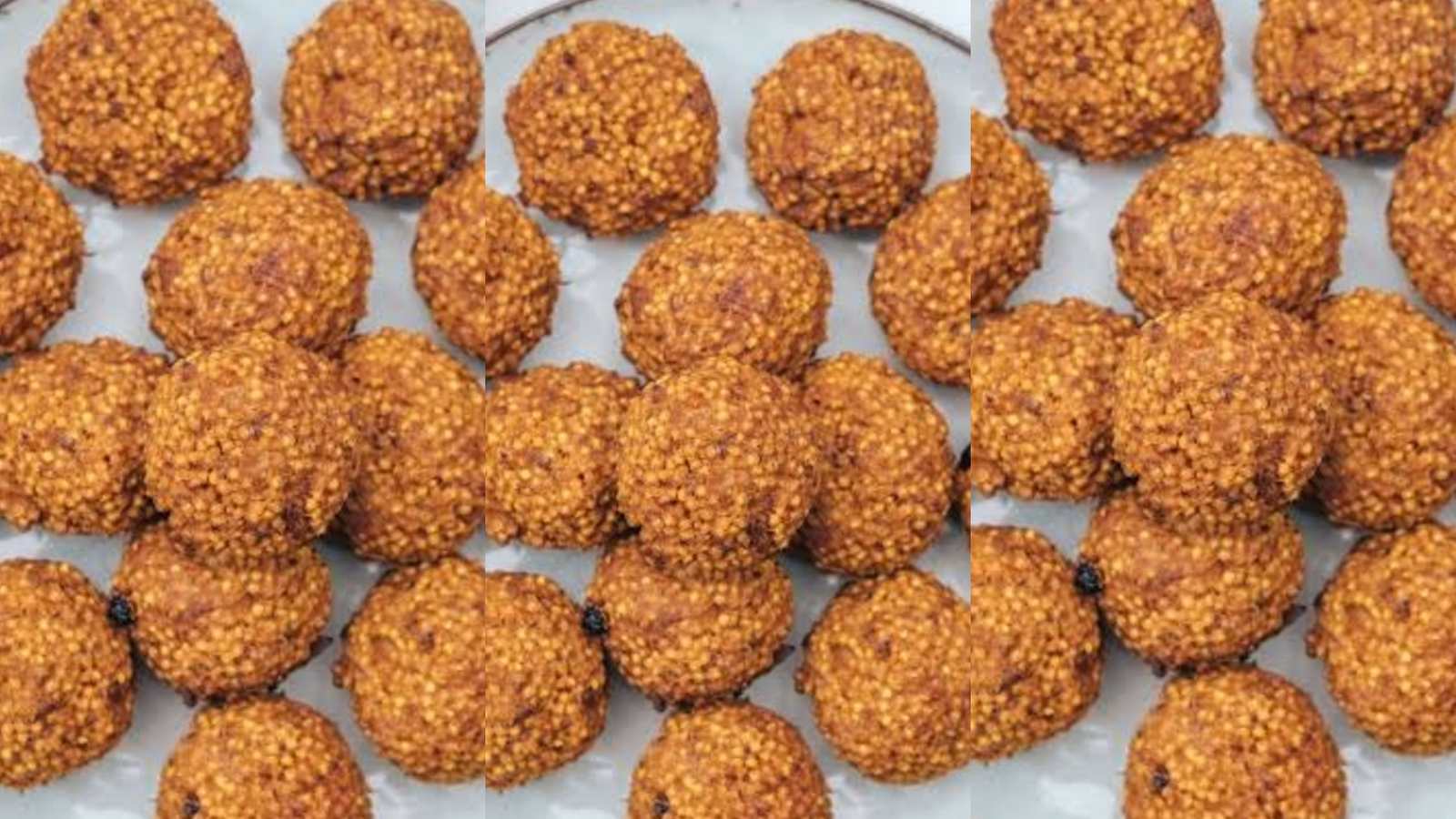
Long before packaged snacks became common, Kapala was already doing the job—fueling long days, satisfying hungry families, and proving that simple ingredients can create remarkable food.
Known across parts of northern Ghana as millet balls, Kapala is made by cooking millet until it reaches a soft, thick consistency before carefully molding it into firm, round balls.
The result is a smooth, dense bite with a gentle nutty flavour that speaks to the grain’s natural earthiness.
It is filling without feeling heavy, making it a favourite for people who need lasting energy throughout the day.
Kapala’s versatility is part of its charm. It can be dipped into steaming bowls of soup, where it absorbs rich flavours while keeping its satisfying texture.
It is equally enjoyable with fresh milk for a lighter meal or paired with a spicy groundnut-based sauce that balances creamy sweetness with a warming kick.
The dish carries deep cultural significance beyond the plate. For generations, farmers have tucked Kapala into their bags before heading to the fields, relying on its portability and staying power through long hours of physical work.
In many ways, it represents Ghana’s traditional version of convenience food—made with care rather than processed for speed.
Its health appeal is just as compelling today. Millet is naturally rich in fibre, minerals and essential nutrients, making Kapala a wholesome choice for anyone looking for sustained energy and a nourishing meal rooted in local ingredients.
For visitors exploring Ghanaian cuisine, Kapala offers something more than a taste of millet. It offers a glimpse into a food tradition built on resilience, practicality and the enduring value of sharing simple meals.



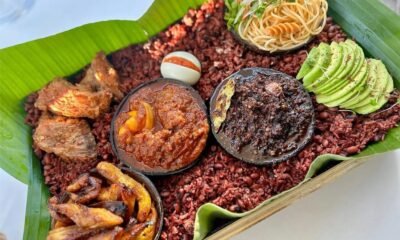


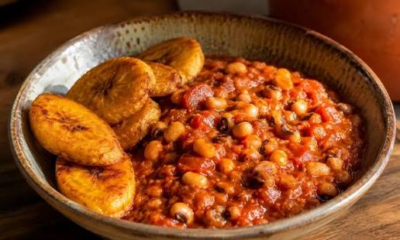

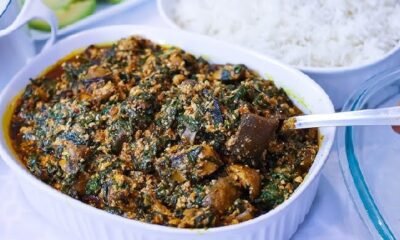

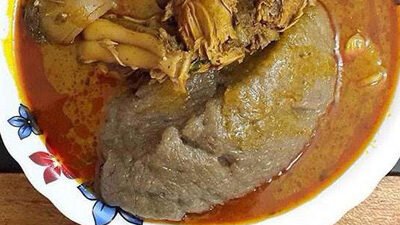

A generous serving of Ghana salad can turn an ordinary plate of food into something memorable.
With its colourful vegetables, creamy dressing, boiled eggs, sardines and baked beans, this much-loved dish brings together contrasting flavours and textures that make every mouthful satisfying.
At the heart of a good Ghana salad is its homemade dressing. Egg yolks, evaporated milk, mayonnaise, ketchup, honey, salt, black pepper and a squeeze of fresh lemon juice are blended into a smooth, creamy mixture. The result is a delightful balance of sweetness, tanginess and savoury richness, with a gentle citrus freshness that lifts the entire dish.
The salad itself combines shredded lettuce and cabbage with sliced onions, juicy tomatoes and refreshing cucumber. Chopped boiled egg whites add a soft, delicate texture, while sardines contribute a distinctive savoury flavour. Baked beans bring a touch of sweetness and additional substance.
Once the ingredients are assembled, the creamy dressing is poured over the vegetables and other additions, then mixed thoroughly until everything is beautifully coated. The finished dish is colourful, generous and inviting.
Ghana salad is particularly popular alongside Ghanaian jollof rice and fried rice, where its cool, creamy character provides a refreshing contrast to the warm, spicy flavours of the rice. It is also delicious served with bread for a satisfying breakfast or light meal.
Beyond its familiar taste, the salad offers a combination of nutrients. Lettuce, cabbage, tomatoes and cucumber provide vitamins, minerals and fibre, while eggs and sardines contribute protein.
Whether enjoyed at a family gathering, restaurant or weekend lunch, Ghana salad remains a beloved part of the country’s food culture. It is proof that simple ingredients, thoughtfully combined, can create something truly special.
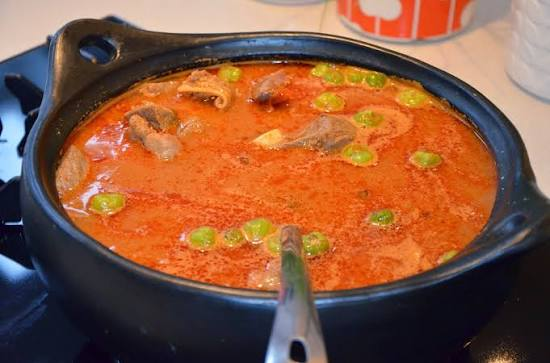
Few dishes capture the comforting warmth of Ghanaian home cooking quite like a steaming bowl of light soup.
With its bright tomato colour, fragrant spices and gently simmered meat or fish, this much-loved Ghanaian dish delivers a delicious combination of heat, freshness and rich savoury flavour.
Light soup is a traditional Ghanaian broth prepared primarily with fresh tomatoes, onions, pepper, ginger and garlic.
Depending on the household and region, it may be cooked with goat meat, beef, chicken, assorted meats or fresh fish.
The ingredients are simmered together to create a thin but flavourful soup, with the natural juices of the meat or fish adding depth to the tomato-based broth.
Its aroma is unmistakable. Fresh ginger and garlic mingle with the warmth of scotch bonnet pepper, while tomatoes provide a gentle tanginess that balances the savoury richness of the protein.
Unlike thick, heavily textured soups, light soup has a delicate consistency that makes every spoonful refreshing yet satisfying.
It is commonly enjoyed with fufu, the soft, stretchy staple made by pounding cassava and plantain or cassava and yam.
The combination is a favourite in Ghanaian homes, chop bars and traditional restaurants. It can also accompany rice or other local staples.
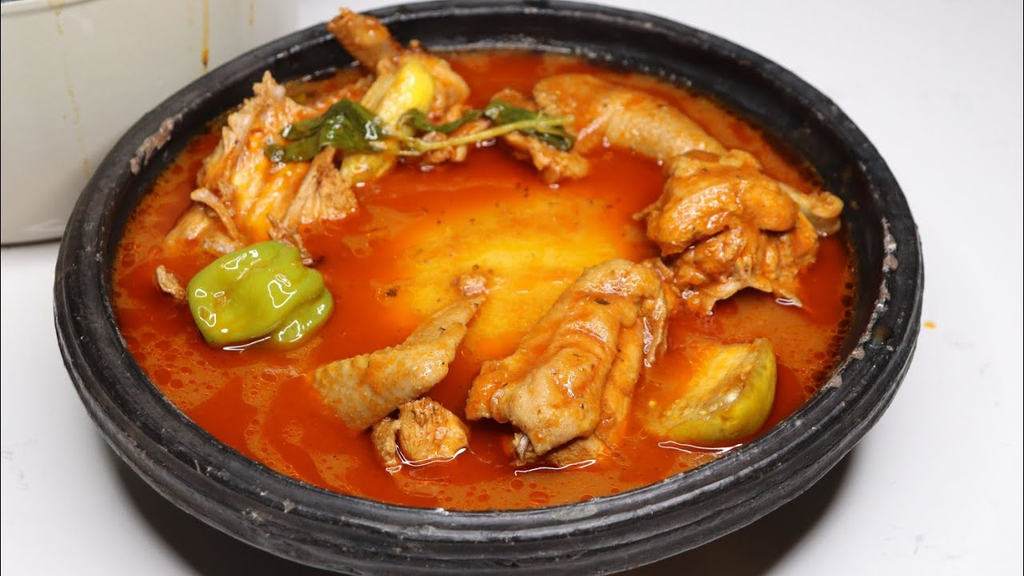
Beyond its comforting taste, light soup offers nutritional appeal. Tomatoes provide vitamin C and lycopene, while ginger, garlic and fresh peppers contribute beneficial plant compounds. Meat and fish supply protein, iron and other essential nutrients.
Whether served at family gatherings, enjoyed as a weekend meal or prepared to soothe an appetite, light soup holds a special place in Ghanaian food culture.
For visitors discovering Ghanaian cuisine, it is an inviting introduction to the country’s love of fresh ingredients, bold seasoning and deeply satisfying meals.
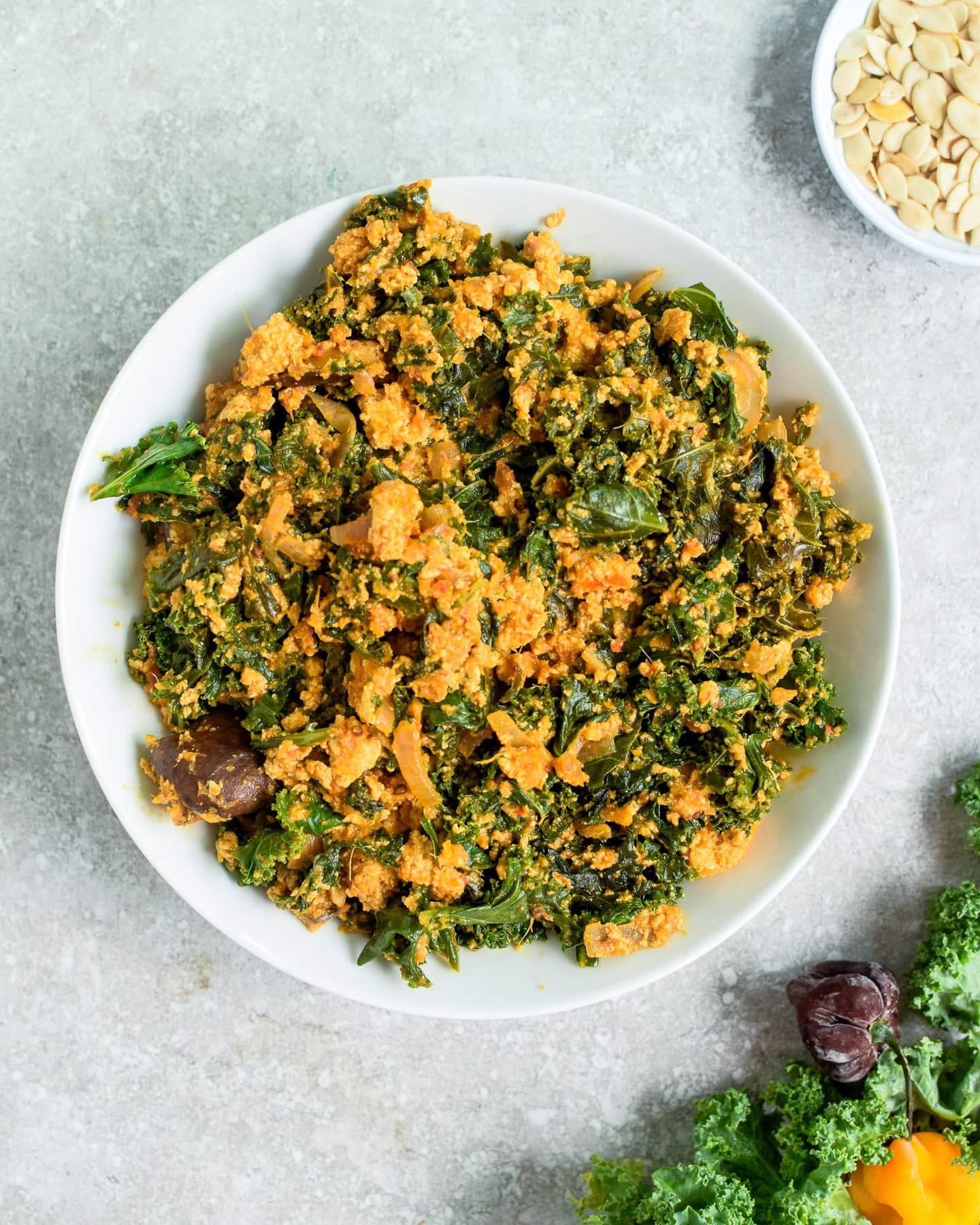
The unmistakable aroma of palm oil, onions and simmering tomatoes is enough to announce a pot of kontomire stew in a Ghanaian kitchen.
But this familiar favourite is getting a plant-based makeover, proving that a satisfying bowl of traditional Ghanaian food does not always need meat, fish or eggs.
Kontomire stew, a much-loved Ghanaian dish, takes its name from the leaves of the cocoyam plant, known as taro leaves elsewhere.
Its appeal lies in the combination of tender leafy greens, rich seasoning and a deeply savoury sauce that pairs beautifully with traditional accompaniments.
In this meat-free version, palm oil and onions provide the flavourful foundation. Rather than using momone, the fermented salted fish traditionally added for its distinctive pungent, savoury character, a homemade seasoning blend featuring dawadawa brings depth and an earthy, fermented aroma.
Tomatoes and scotch bonnet pepper add sweetness, acidity and gentle heat.
The real transformation comes with crumbled tofu and melon seeds. Tofu provides plant-based protein, while the melon seeds create a creamy, textured richness as they cook into the sauce.
Together, they absorb the seasoning, producing a hearty mixture in which the ingredients blend almost seamlessly. The melon seeds are optional, allowing the tofu to take centre stage.
Precooked kontomire leaves and spinach complete the stew, adding colour, leafy texture and nutritional value. Rich in vitamins and minerals, these greens also contribute to the dish’s wholesome appeal.
Served with boiled yam and ripe plantain, the stew makes a satisfying version of ampesi, a traditional Ghanaian combination of boiled root vegetables or plantain served with a savoury sauce.
It is a thoughtful reinvention of a beloved Ghanaian classic, preserving its familiar flavours while opening the door to more plant-based ways of enjoying local food.


From Mfantsipim at 9 to University at 12: Meet Diamond Lucas, Ghana’s Albert Einstein

Explainer: Why COP31 Ended Without a Deal, and What it Actually Means

Grieving Mother, Friends Demand Justice After Talented Young Woman Phillipa Acquah Killed by Reckless Motorcyclist
-

 Commentary3 hours ago
A Life Cut Short: A Cry for Justice for Phillipa Acquah and An Urgent End to Road Recklessness
-

 Uncategorized1 day ago
Fat Joe Makes Emotional Appeal to Bronx Youth After Ghanaian Teen Javits Frimpong’s Killing
-
 Ghana News2 hours ago
Grieving Mother, Friends Demand Justice After Talented Young Woman Phillipa Acquah Killed by Reckless Motorcyclist
-

 Ghana News1 day ago
German President Steinmeier Arrives in Ghana to Boost Trade and Skills Partnerships
-

 Global Update4 hours ago
Americans Raise More Than $944,000 to Help Nolan Wells’ Mother Find Answers Despite Grand Jury Decision
-
 Ghana News2 hours ago
Explainer: Why COP31 Ended Without a Deal, and What it Actually Means
-

 From the Diaspora23 hours ago
Ghanaian-Born Entrepreneur Mawena Tafa Turns Viral Brooklyn Encounter with Strange Man Into Business Opportunity
-
 Ghana News1 hour ago
From Mfantsipim at 9 to University at 12: Meet Diamond Lucas, Ghana’s Albert Einstein