
Taste GH
From Farm Fields to Family Tables: The Timeless Appeal of Kapala

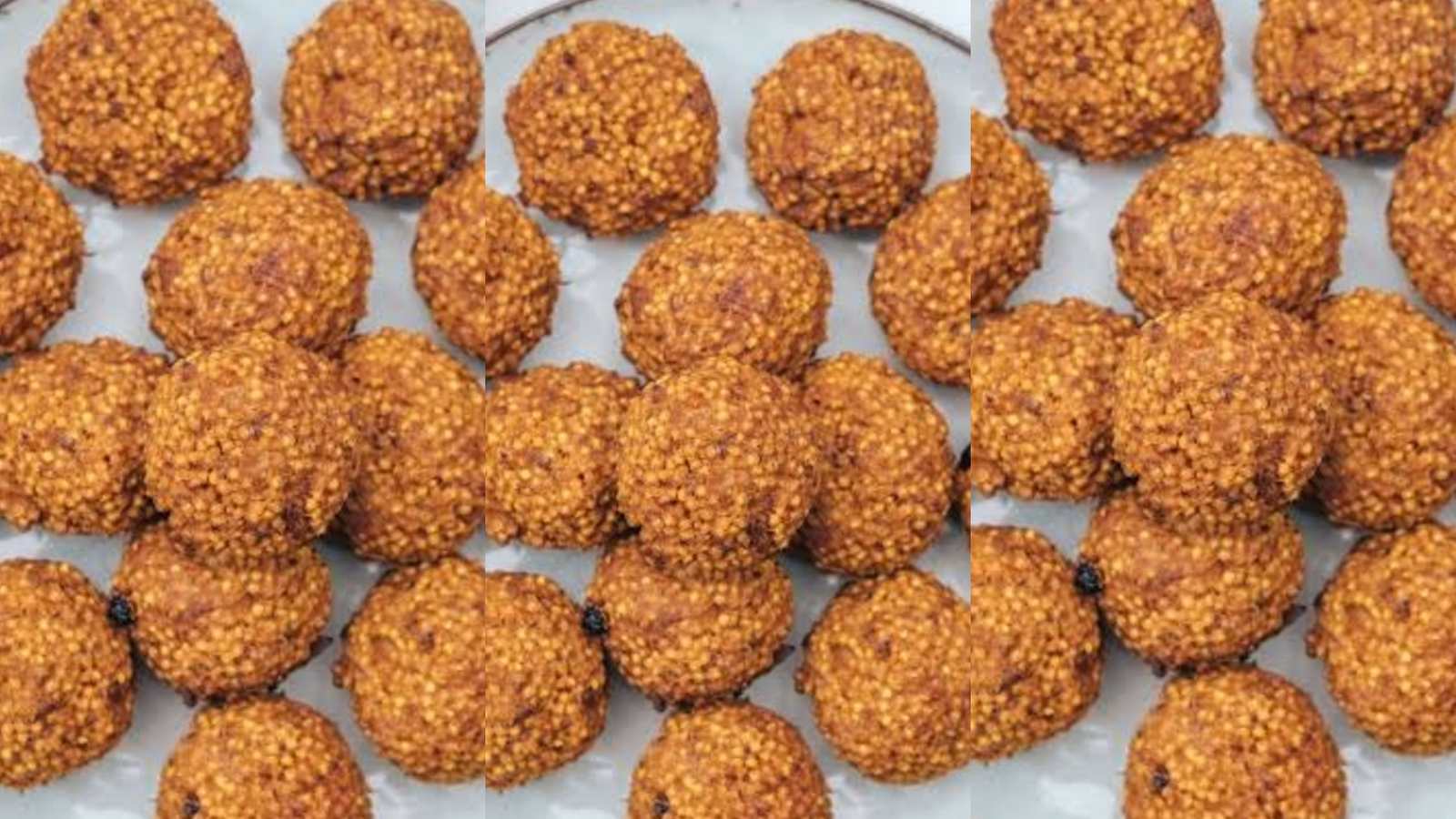
Long before packaged snacks became common, Kapala was already doing the job—fueling long days, satisfying hungry families, and proving that simple ingredients can create remarkable food.
Known across parts of northern Ghana as millet balls, Kapala is made by cooking millet until it reaches a soft, thick consistency before carefully molding it into firm, round balls.
The result is a smooth, dense bite with a gentle nutty flavour that speaks to the grain’s natural earthiness.
It is filling without feeling heavy, making it a favourite for people who need lasting energy throughout the day.
Kapala’s versatility is part of its charm. It can be dipped into steaming bowls of soup, where it absorbs rich flavours while keeping its satisfying texture.
It is equally enjoyable with fresh milk for a lighter meal or paired with a spicy groundnut-based sauce that balances creamy sweetness with a warming kick.
The dish carries deep cultural significance beyond the plate. For generations, farmers have tucked Kapala into their bags before heading to the fields, relying on its portability and staying power through long hours of physical work.
In many ways, it represents Ghana’s traditional version of convenience food—made with care rather than processed for speed.
Its health appeal is just as compelling today. Millet is naturally rich in fibre, minerals and essential nutrients, making Kapala a wholesome choice for anyone looking for sustained energy and a nourishing meal rooted in local ingredients.
For visitors exploring Ghanaian cuisine, Kapala offers something more than a taste of millet. It offers a glimpse into a food tradition built on resilience, practicality and the enduring value of sharing simple meals.



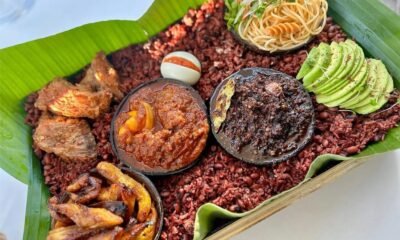


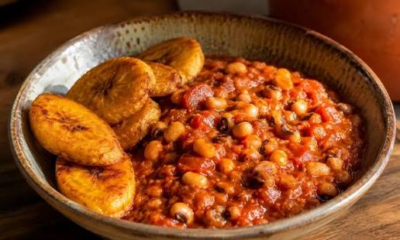

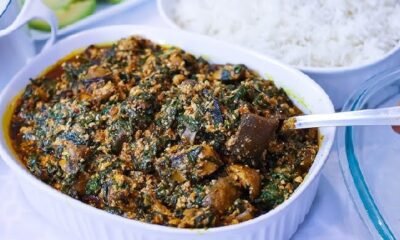

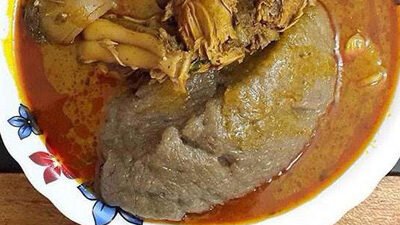

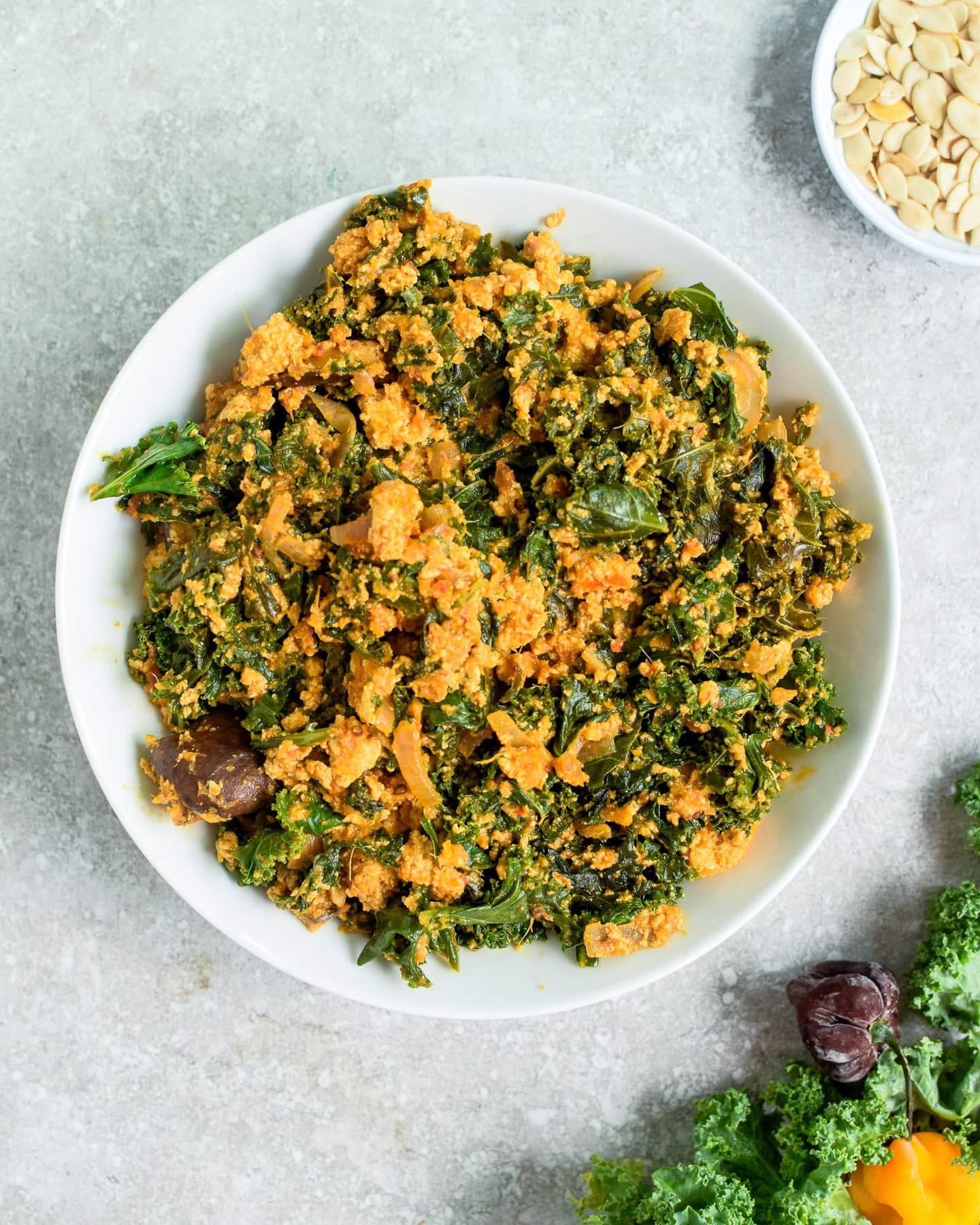
The unmistakable aroma of palm oil, onions and simmering tomatoes is enough to announce a pot of kontomire stew in a Ghanaian kitchen.
But this familiar favourite is getting a plant-based makeover, proving that a satisfying bowl of traditional Ghanaian food does not always need meat, fish or eggs.
Kontomire stew, a much-loved Ghanaian dish, takes its name from the leaves of the cocoyam plant, known as taro leaves elsewhere.
Its appeal lies in the combination of tender leafy greens, rich seasoning and a deeply savoury sauce that pairs beautifully with traditional accompaniments.
In this meat-free version, palm oil and onions provide the flavourful foundation. Rather than using momone, the fermented salted fish traditionally added for its distinctive pungent, savoury character, a homemade seasoning blend featuring dawadawa brings depth and an earthy, fermented aroma.
Tomatoes and scotch bonnet pepper add sweetness, acidity and gentle heat.
The real transformation comes with crumbled tofu and melon seeds. Tofu provides plant-based protein, while the melon seeds create a creamy, textured richness as they cook into the sauce.
Together, they absorb the seasoning, producing a hearty mixture in which the ingredients blend almost seamlessly. The melon seeds are optional, allowing the tofu to take centre stage.
Precooked kontomire leaves and spinach complete the stew, adding colour, leafy texture and nutritional value. Rich in vitamins and minerals, these greens also contribute to the dish’s wholesome appeal.
Served with boiled yam and ripe plantain, the stew makes a satisfying version of ampesi, a traditional Ghanaian combination of boiled root vegetables or plantain served with a savoury sauce.
It is a thoughtful reinvention of a beloved Ghanaian classic, preserving its familiar flavours while opening the door to more plant-based ways of enjoying local food.

When the northern Ghanaian sun turns up the heat, a chilled glass of Zomkom offers a welcome burst of refreshment, with the warming fragrance of ginger and cloves and a pleasantly tangy kick.
A traditional millet-based drink, Zomkom is a familiar favourite in northern Ghana, where millet has long been an important part of everyday food culture.
Its preparation is relatively simple, but the resulting drink delivers a distinctive combination of flavour, nourishment and refreshment.
The process begins with millet flour cooked in water to form a smooth mixture. Once cooled, it is sweetened and flavoured with aromatic spices, including ginger, cloves and pepper.
Depending on the preparation, some versions undergo mild fermentation, adding a subtle sourness that gives the drink its characteristic tangy taste.
Each sip brings together several contrasting sensations. Ginger provides gentle warmth, cloves contribute a fragrant, slightly sweet aroma, while pepper introduces a delicate heat. The sweetness balances these spices, producing a refreshing drink that is best enjoyed chilled.
Zomkom is particularly popular at school canteens and roadside stalls, where it offers an affordable alternative to commercially produced soft drinks.
Its presence in everyday community life also reflects the enduring importance of millet in northern Ghanaian cuisine and traditional food practices.
Millet contributes dietary fibre and minerals, while ginger and cloves contain naturally occurring antioxidant compounds.
Although its nutritional value depends on the recipe and preparation, Zomkom offers an appealing way to enjoy a traditional grain-based beverage.
For visitors discovering Ghanaian food culture, Zomkom is worth seeking out. It is more than a thirst quencher; it is a taste of northern Ghana’s culinary heritage, served cold and full of character.
Across the world, dumplings take different shapes, textures and flavours, but could a humble Ghanaian dish made from beans and cassava flour belong in the same family?
Meet Kpogulo, a traditional food that invites an interesting conversation about Ghanaian cuisine and the many ways cultures transform simple ingredients into beloved dishes.
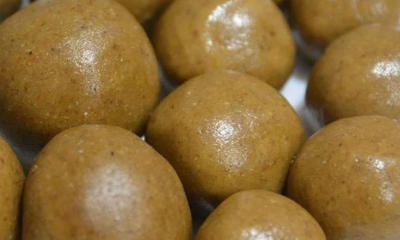
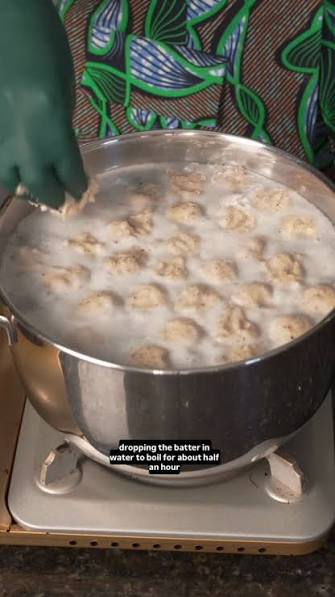
Prepared by mixing equal parts black-eyed pea flour and cassava flour with salt, baking soda and water, Kpogulo is formed from a batter dropped into boiling water and cooked for about 30 minutes. The result is a collection of small, rounded balls with a soft, hearty texture.
Its appeal lies partly in its simplicity. Black-eyed peas bring a distinctive, earthy flavour, while cassava contributes to the dumplings’ texture.
The combination also makes Kpogulo naturally gluten-free, offering an alternative to wheat-based foods for people avoiding gluten.
But the experience does not end with the boiled balls themselves. Some versions are topped with roasted sesame seeds, adding a nutty fragrance and delicate crunch.
They may also be served with the familiar combination of onion-infused oil and pepper, bringing richness, heat and aroma to the dish. Sesame varieties native to West Africa further connect the meal to the region’s agricultural heritage.
Kpogulo reflects the ingenuity behind many traditional Ghanaian foods: making satisfying meals from locally available ingredients and familiar cooking techniques.
While its precise place within the country’s wider food traditions deserves further exploration, its preparation shares similarities with dumplings found in other parts of the world.
So, does Kpogulo qualify as a dumpling? Its shape and method of cooking make a compelling case. Perhaps the more interesting question is how many other Ghanaian foods could broaden our understanding of this global culinary category.


Managing Diabetes Starts with Self-Compassion, Not Self-Criticism

Sunshine and Vitamin D: Why Your Body Needs More Than Just a Little Daylight

Europe Faces Wave of Hoax Bomb Threats Amid Growing Fears of Hybrid Warfare
-

 Global Update2 days ago
A New COVID-19 Variant is Raising Interest as Cases Increase in Parts of the World
-

 Ghana News2 days ago
Ghana Unveils New Cedi Notes Featuring Nkrumah, Kofi Annan and Trailblazing Women
-

 Ghana News2 days ago
Ghanaian Regulators Test Local Innovator’s Plastic-Derived Fuel, Finds Petrol and Diesel Fall Short of Required Standards
-

 Ghana News2 days ago
Ghana Coconut Shipment Used to Conceal 2.6 Tons of Cocaine Bound for Europe
-

 Health & Wellness2 days ago
Flu Prevention Starts at Home: Five Everyday Habits That Protect Your Family
-

 Ghana News2 days ago
Javits Frimpong’s Murder: One Suspect Arrested, Two Still Wanted as Bullying Questions Remain Unanswered
-

 Reels & Social Media Highlights2 days ago
Heritage Notes and Heartbreak: Ghana’s Social Media Mood on November 12
-

 Ghana News19 hours ago
Ghana Targets Industrialization in 2027 as $10 Billion Economic Transformation Plan Unveiled in 2027 Budget