
Fashion & Style
Forget the Crown: How Miss Uganda’s Kimberly Jael Won the Continent with Natural Elegance

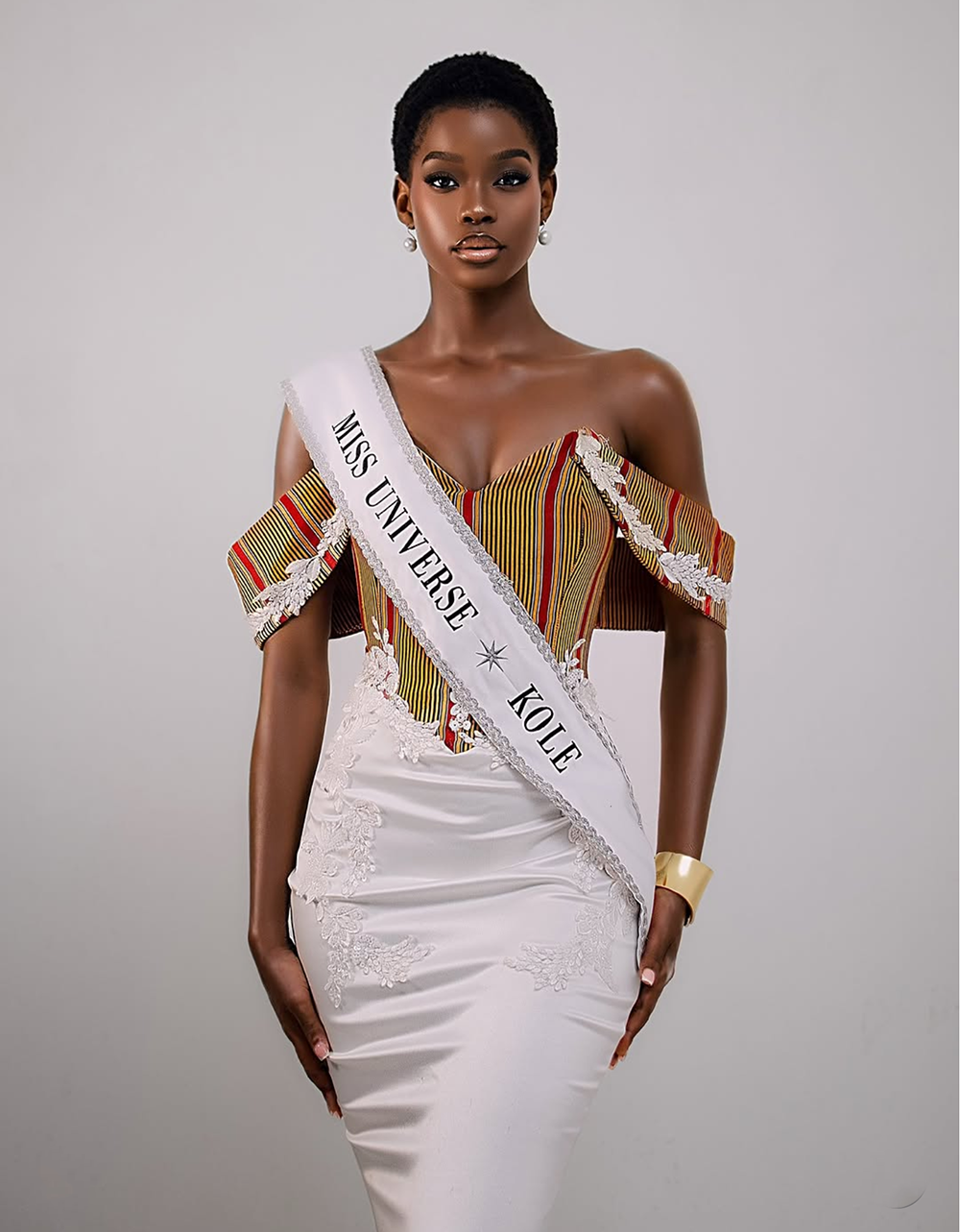
The African Continent Is Going Crazy Over This Natural Beauty Miss Uganda Contestant & She Hasn’t Even Won Yet
There is a quiet storm building in Kampala, and her name is Kimberly Jael. As the countdown to the Miss Universe Uganda 2026 Grand Finale begins, the chatter isn’t about who will take the crown—it’s about the woman who has already captivated a continent without a single sash draped across her shoulder.
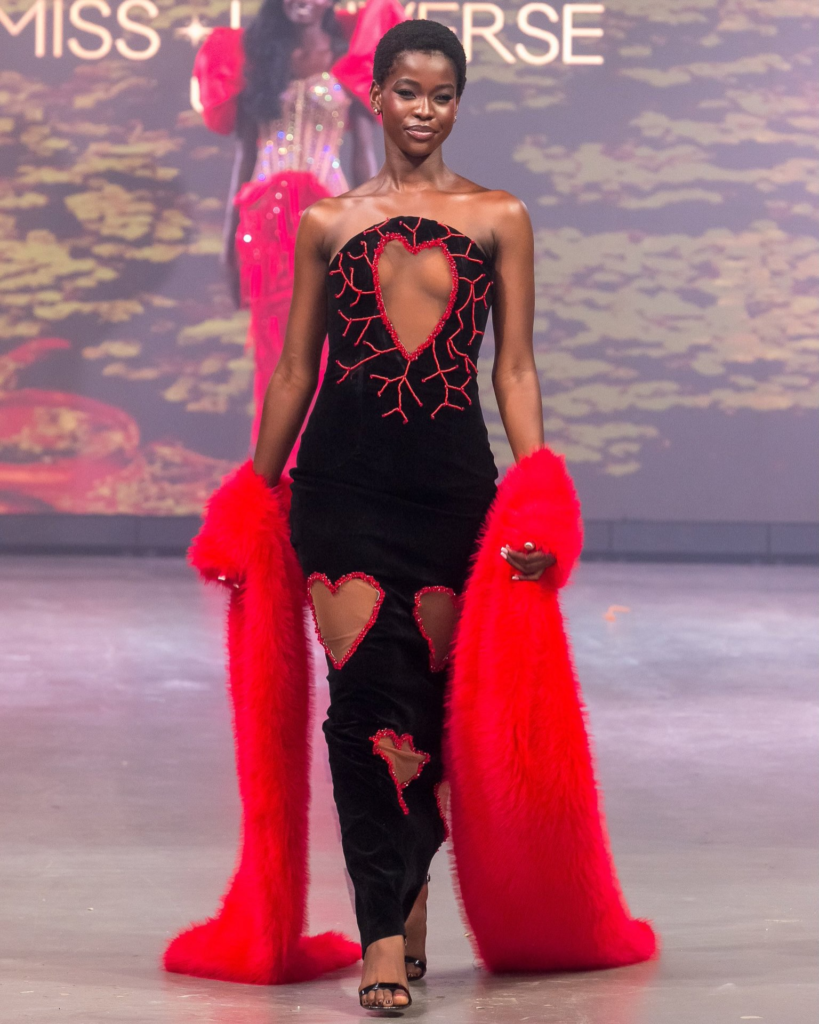
What makes Jael’s sudden rise so arresting isn’t just her striking features, but the refreshingly unprocessed quality of her presentation.
In an arena often dominated by heavy contouring, waist trainers, and the pressure of Westernized ideals, Jael is winning on a diet of confidence and minimalism.
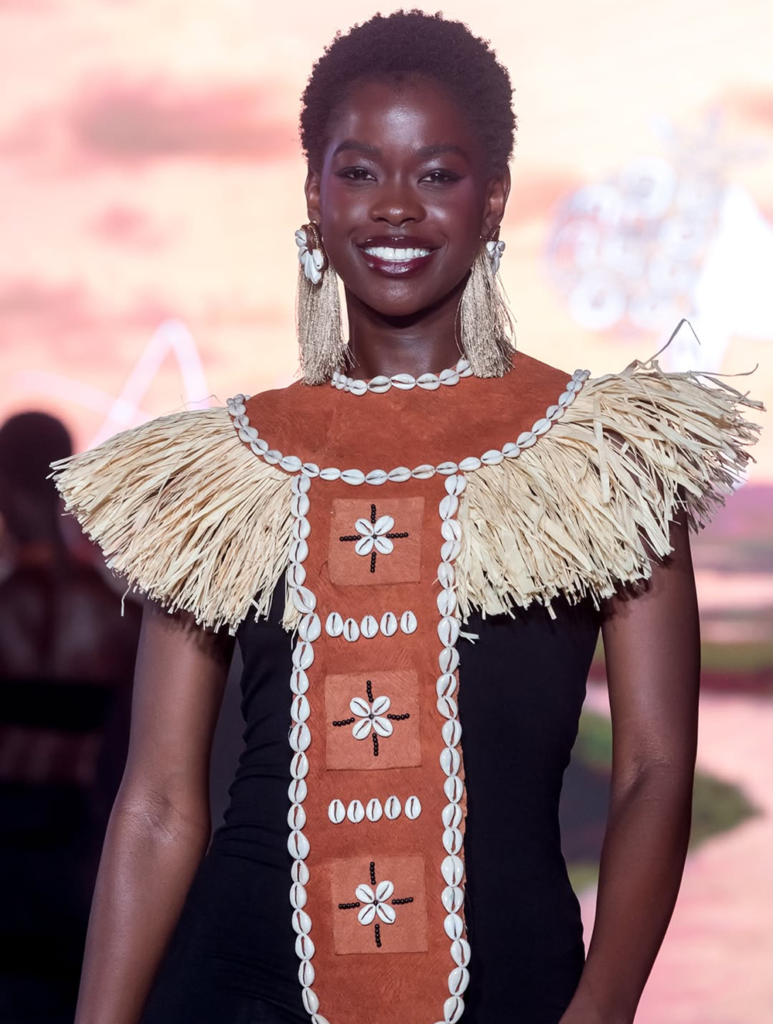
Her look—radiant skin, graceful posture, and a styling ethos that feels rooted in an authentic African aesthetic—is a direct challenge to the notion that beauty must be manufactured.
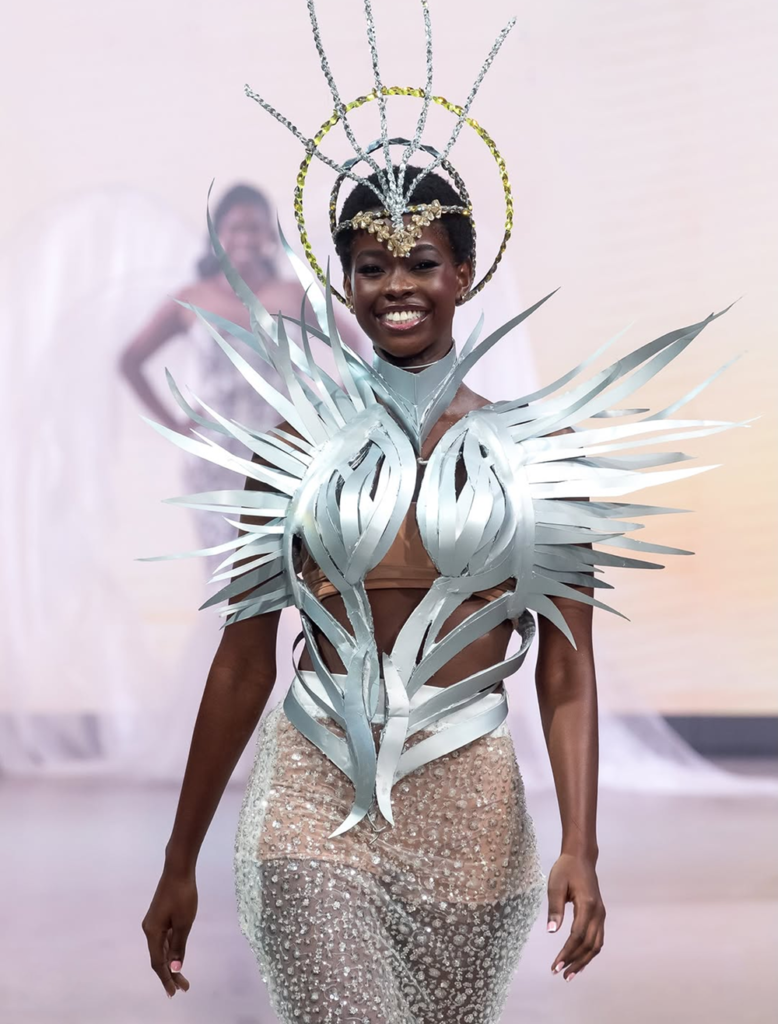
This is more than a viral moment; it is a clear signal of a market shift. African audiences are increasingly fatigued by digital illusions and are turning their attention to women who reflect their own lived reality. Jael represents that pivot.
By leaning into a look that feels genuinely of the continent, she is capitalizing on a new wave of cultural pride where heritage is the ultimate luxury accessory.
Her popularity suggests that the future of fashion influence lies not in mimicry, but in the celebration of natural melanin and unapologetic self-assurance.
Whether she is announced as Miss Universe Uganda on August 1st or not, Kimberly Jael has already walked away with the most valuable currency in the digital age: global admiration.











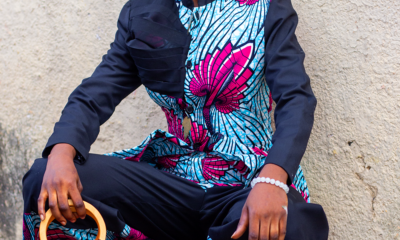

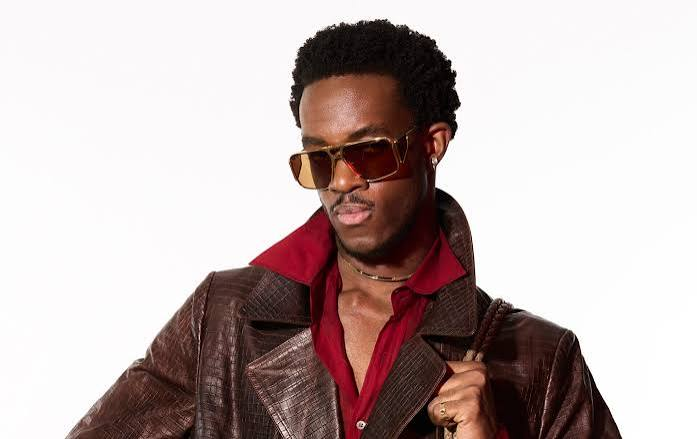
A smartphone screen launched Wisdom Kaye into fashion history. Now, the Nigerian-American style creator has another milestone to match his influence after receiving the prestigious Virgil Abloh Award from luxury giant LVMH at Harlem’s Fashion Row’s 19th Annual Fashion Show & Style Awards in New York.
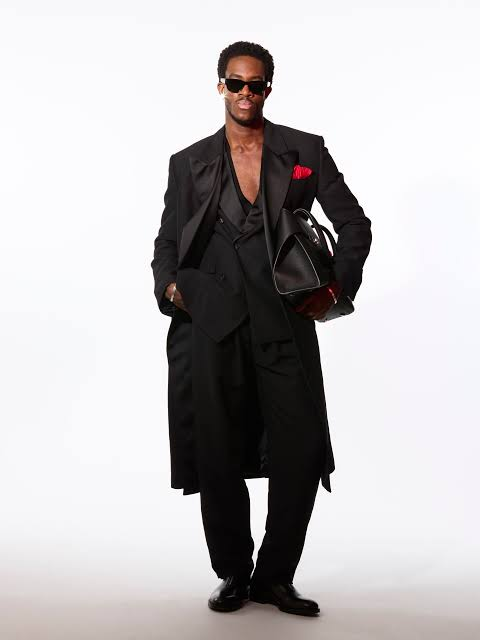
The honour feels especially fitting for a creator who has rewritten the rules of fashion fame. Kaye first captivated millions through short-form styling videos where dramatic outfit changes, bold tailoring and cinematic presentation turned everyday clothing into a spectacle.
What began as internet creativity has grown into a career that places him alongside some of the world’s biggest luxury brands.
His collaborations with Dior, Fendi, Prada and Valentino show how fashion’s power structure has shifted.
Instead of following the traditional runway-to-magazine path, Kaye built his reputation by treating social media as both studio and stage, proving that a creator’s influence can travel from phone screens to front rows.
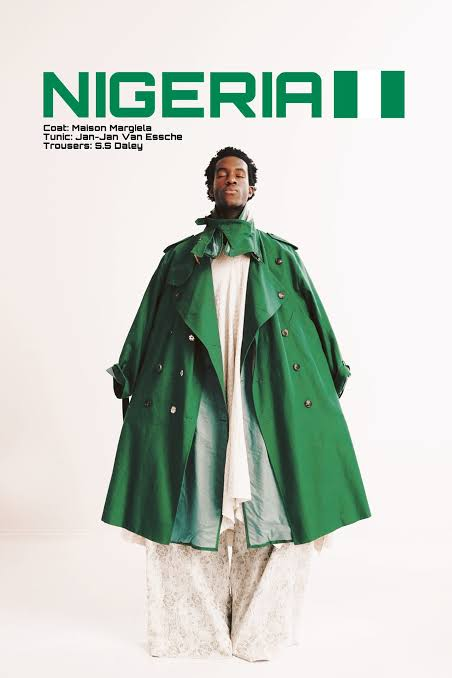
The award carries extra weight because it bears the name of Virgil Abloh, the late Ghanaian-American designer whose work at Louis Vuitton and Off-White reshaped ideas about luxury, streetwear and digital culture.
Abloh opened doors for a generation of creatives who refused to separate fashion from identity, technology and cultural storytelling.
Kaye’s win speaks to that same spirit. His carefully constructed looks do more than showcase clothes; they demonstrate how personal branding has become one of fashion’s most valuable currencies.
For young African creators watching from Lagos, Accra or beyond, the message is clear: the next global fashion icon might not emerge from a fashion school or runway casting. They could be building their audience one creative post at a time.
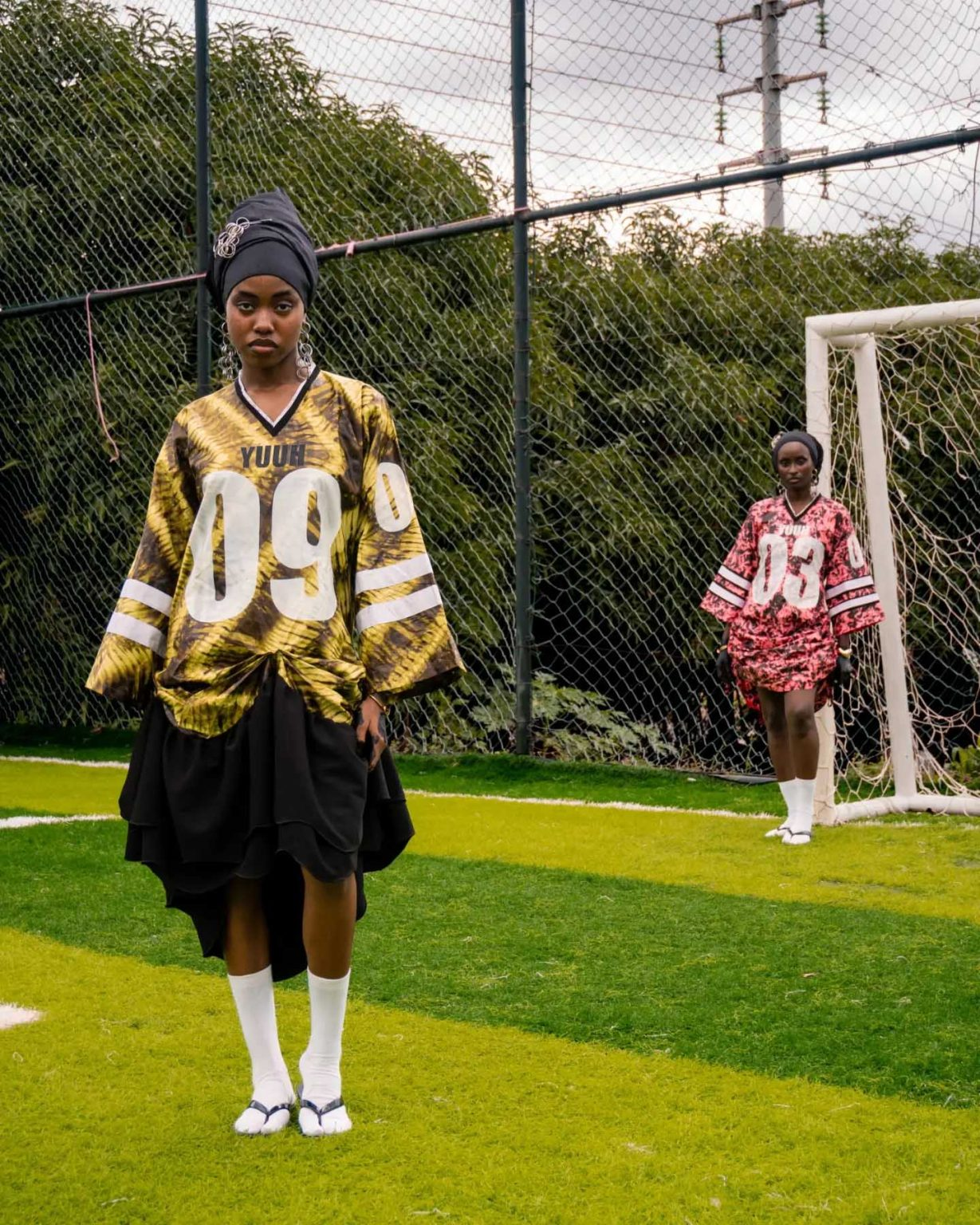
The football jersey has already conquered streetwear. Now, it has found an unlikely new teammate: the Bubu.
Nigerian fashion brand YUUH has unveiled the “Bu Jersey,” a fresh take on one of West Africa’s most recognisable garments by blending the flowing silhouette of the traditional Bubu with the bold graphics and sporty attitude of a football jersey.
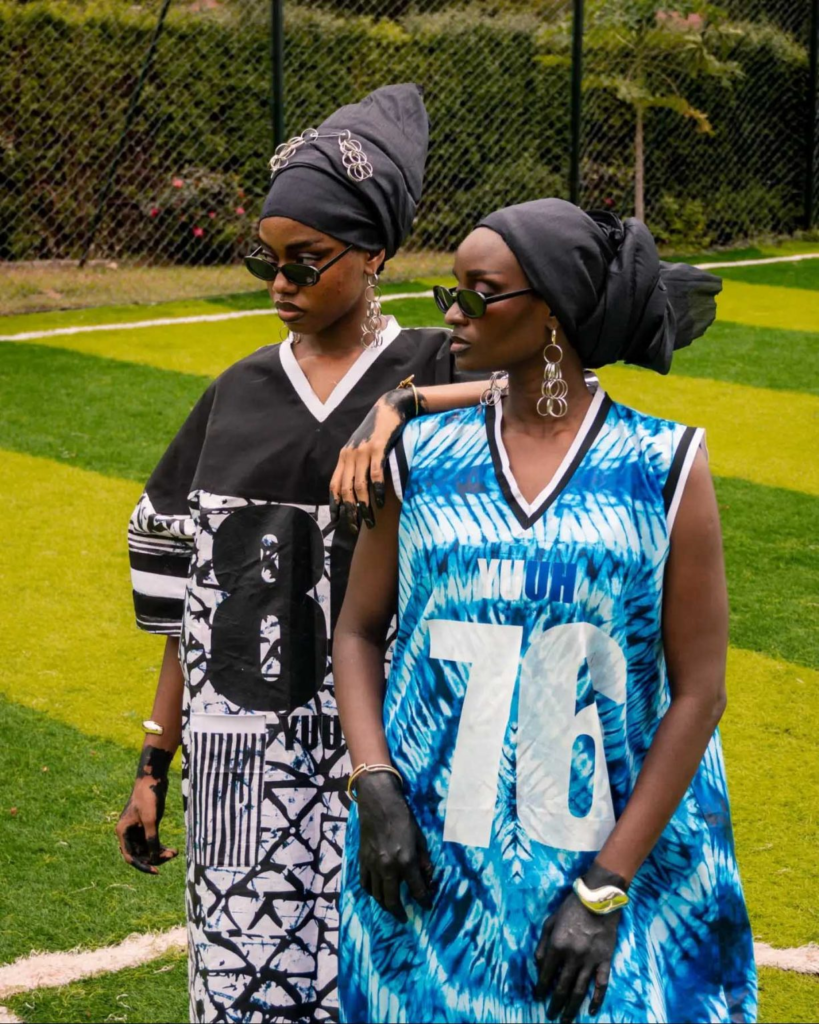
The result is a look that feels rooted in African fashion history while speaking the language of today’s street style.
The appeal lies in the contrast. The Bubu has long been celebrated across countries including Nigeria and Ghana for its loose, elegant shape that prioritises comfort and movement.
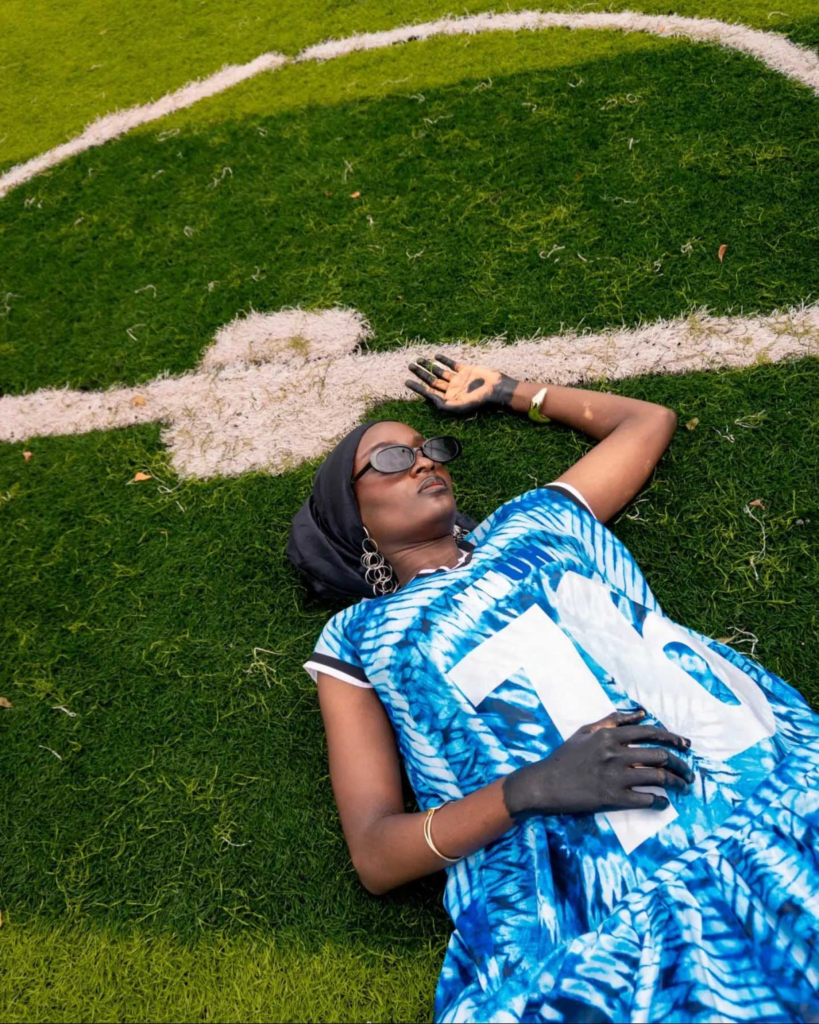
Football jerseys, once reserved for match days, have become everyday wardrobe staples, worn everywhere from music festivals to airport lounges. YUUH’s design brings those two worlds together without asking either to lose its identity.
The “Bu Jersey” also reflects a wider shift in African fashion, where designers are increasingly remixing familiar cultural pieces instead of treating tradition as something fixed.
Rather than preserving heritage behind glass, brands like YUUH are showing that classic garments can evolve with younger audiences who move comfortably between football culture, creative industries and contemporary fashion.
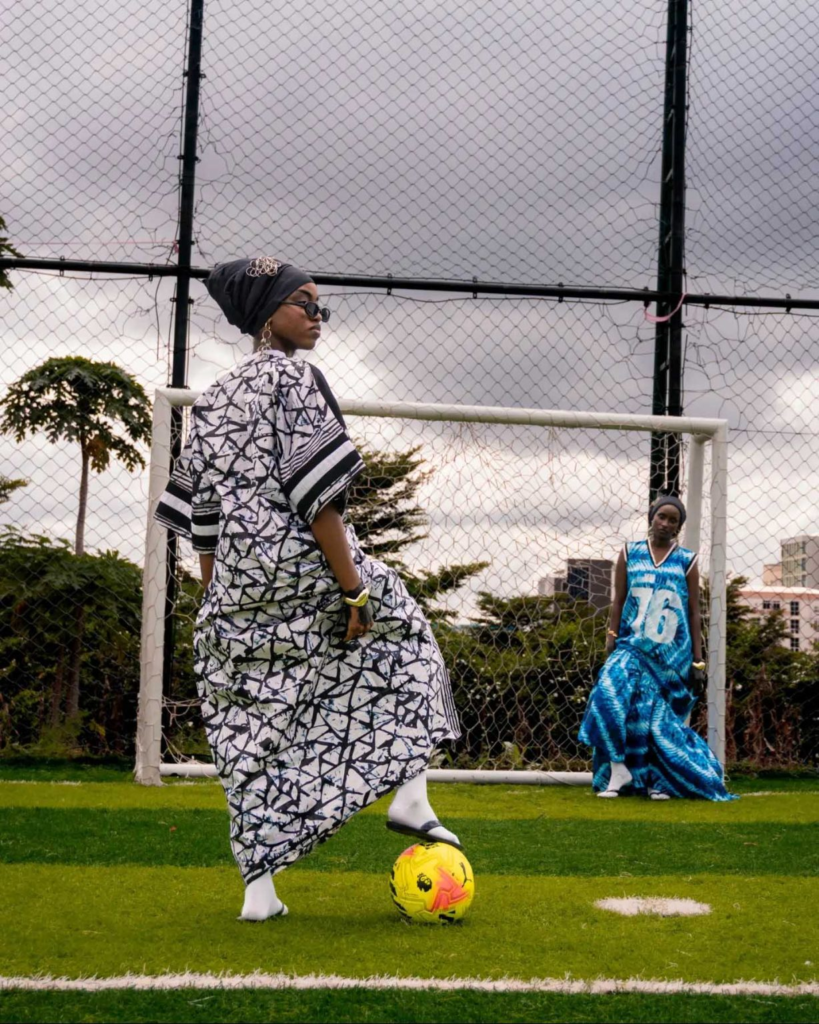
Its versatility adds to the appeal. Styled with sneakers or chunky trainers, it fits naturally into casual weekends, beach outings and football-viewing parties.
Add statement jewellery, sunglasses or a crossbody bag, and the look leans further into fashion-forward territory without losing its relaxed character.
For Ghanaian audiences, the idea feels especially familiar.
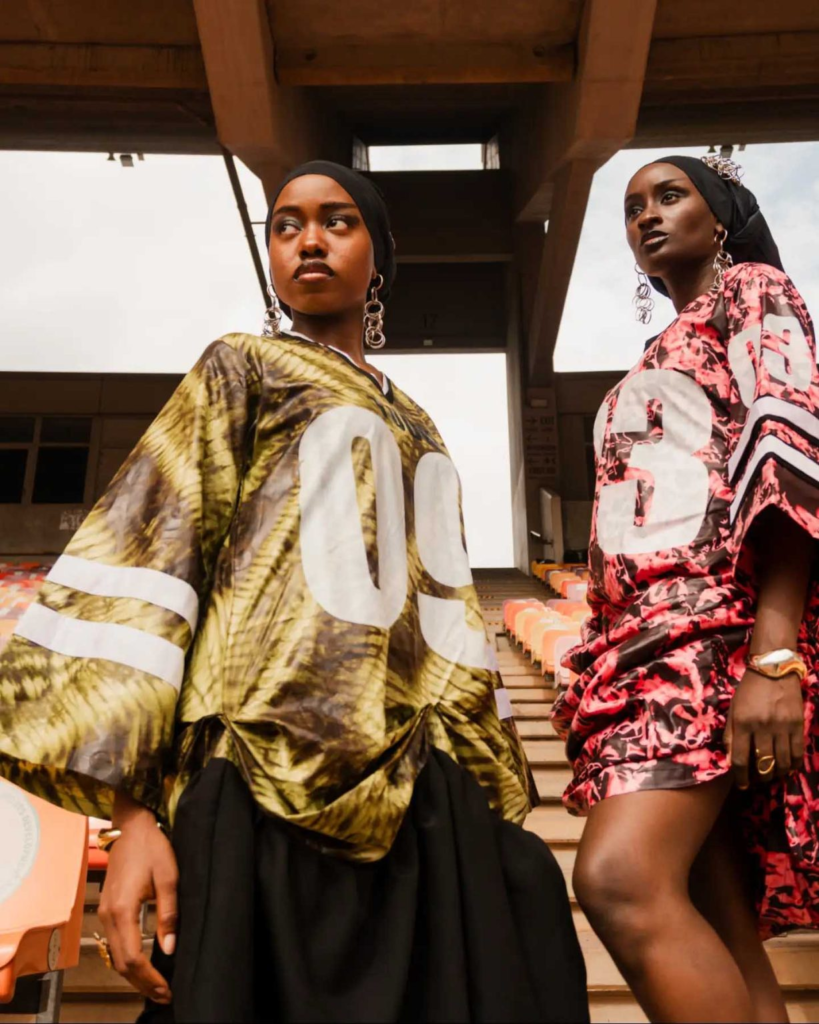
The Bubu is already a beloved wardrobe staple across West Africa, making YUUH’s reinterpretation a reminder that some of the region’s most exciting fashion experiments happen when designers revisit everyday classics rather than chasing entirely new silhouettes.
The “Bu Jersey” is less about replacing tradition than proving it can still surprise us.
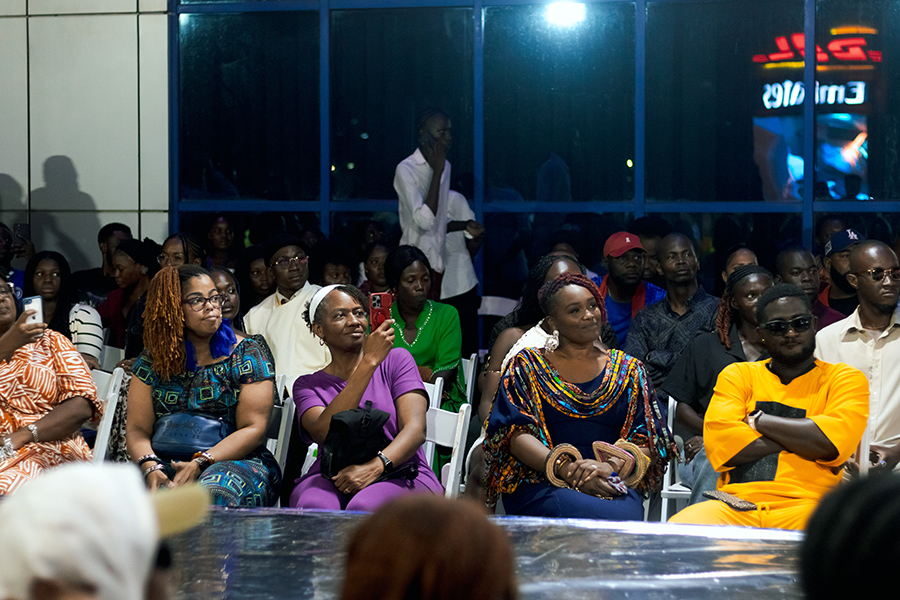
The loudest statement at the next Accra Fashion Week may not come from the runway. It may come from the order book.
As the platform moves into its second decade, founder Nana Addo Tamakloe is calling for a shift that could change how Ghana’s fashion industry measures success.
Instead of ending the story when the final model leaves the catwalk, he wants the next chapter to begin with buyers, retail partnerships and commercial distribution.
His message, which he is taking to the BRICS+ Fashion Summit, is simple: applause does not build a fashion business.
A designer’s future depends on what happens after the show—whether boutiques stock the collection, corporate buyers place orders and production continues because there is real demand.
The idea builds on Accra Fashion Week’s original mission. When the event launched in 2016, its “Batiks to Boutique” initiative encouraged Ghanaian retailers to champion local designers instead of relying heavily on imported fashion.
Now, Tamakloe believes the industry is ready for a more structured buyer-distribution system that connects designers with retailers, wholesalers and commercial partners capable of expanding their reach.
The timing reflects a wider shift across African fashion. International recognition has opened new doors for designers, but conversations are increasingly centred on manufacturing, sustainability, intellectual property and cross-border trade rather than visibility alone.
Tamakloe’s return to the BRICS+ Fashion Summit, after previously representing Ghana in Moscow, places Accra’s ambitions within a broader global conversation about emerging fashion economies.
For Ghana’s creative industry, the proposal suggests a new definition of a successful fashion week. The standout moment may no longer be the most photographed look on the runway.
It may be the collection that leaves the venue with purchase orders in hand, proving that African fashion can generate lasting business alongside bold design.



