
Festivals & Events
Asogli Te Za: How Ho’s Yam Festival Turns History Into Celebration

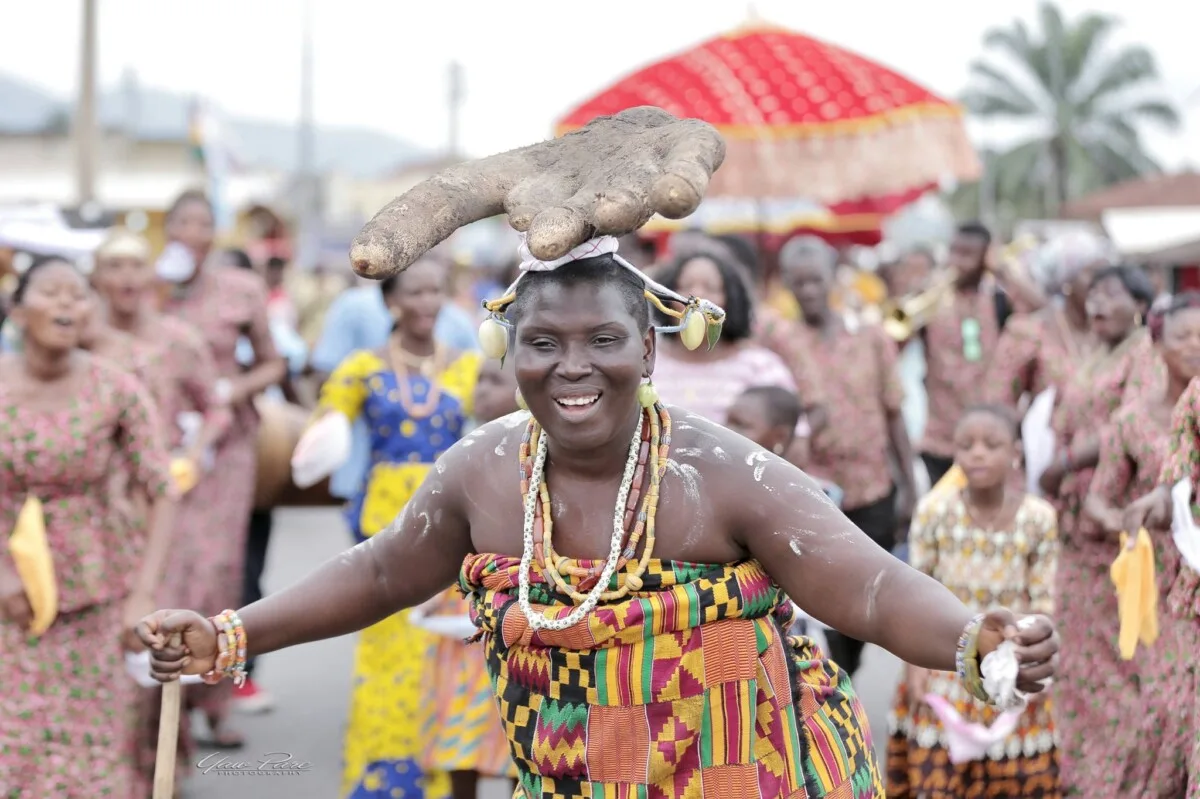
The streets of Ho come alive to the deep rhythm of drums long before the grand procession begins. Chiefs dressed in richly woven kente glide beneath colourful umbrellas as dancers move to the beat of traditional music, while the aroma of freshly prepared yam fills homes and roadside kitchens.
Every September, the Volta Region’s capital becomes the stage for Asogli Te Za, a celebration that blends history, gratitude and community into one unforgettable festival.
Known as the Asogli Yam Festival, Te Za honours a story passed down through generations. Oral tradition tells of a hunter who stumbled upon the yam tuber during a hunting expedition, introducing a food that would become a pillar of life for the Asogli people.
What began as a remarkable discovery grew into an annual thanksgiving that celebrates both the harvest and the wisdom of those who came before.
The festival’s most anticipated moments unfold during the grand durbar, when chiefs and queen mothers from across the Asogli State gather in full regalia.
Their arrival is met with thunderous drumming, energetic dancing and cheers from residents and visitors lining the streets.
The display is more than spectacle; it reflects unity among the traditional divisions that make up the state.
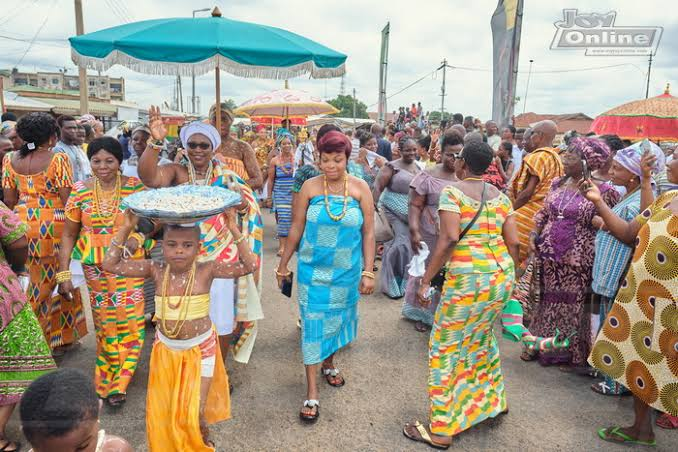
Before the public celebrations reach their peak, customary rites mark the beginning of the new yam season.
The first yams are offered through traditional ceremonies before the community shares the harvest, expressing gratitude for fertile lands, favourable rains and the blessings of the ancestors.
The act reminds younger generations that food is not simply consumed—it is respected.
Beyond its cultural roots, Asogli Te Za remains one of Ho’s biggest moments of reunion.
Families return home, old friends reconnect, businesses welcome larger crowds and visitors gain a closer look at Ewe traditions through music, storytelling and hospitality.
For travellers exploring Ghana, Asogli Te Za offers something rare: a festival where every drumbeat echoes a centuries-old story and every shared meal carries the memory of a hunter whose discovery continues to nourish a people.
It is an experience that lingers long after the last dance ends.











On Saturday, 28 November 2026, the Cedi Conference Centre at the University of Ghana, Legon, will become a meeting point for two dynamic regions as GJTI Expo 2026 brings Ghana, Japan, Africa, and Asia under one roof.
More than a business event, it promises a day of fresh ideas, new partnerships and conversations that could shape the next chapter of international trade.
A Bridge Between Two Continents
Organised by the Ghana–Japan Trade & Investment Chamber, the expo carries the theme “Connecting Africa and Asia Through Trade, Innovation and Strategic Partnerships.”
It reflects a growing relationship built on investment, manufacturing, technology and skills development, while creating space for entrepreneurs, established companies and young professionals to meet beyond boardrooms and formal meetings.
A Day Filled With Opportunities
From 9:00 a.m. to 5:00 p.m., visitors can explore exhibitions featuring manufacturers, technology innovators, agribusinesses, renewable energy companies and consumer brands.
B2B networking sessions, investment presentations and export-focused discussions will bring together government officials, diplomats and business leaders, creating an atmosphere where ideas can quickly become collaborations.

The experience extends beyond trade. International visitors will witness Ghana’s reputation as a welcoming business destination, while locals can connect with companies from Japan and other international markets without leaving Accra.
The gathering also offers students and startups a rare chance to meet industry leaders and learn about careers in global commerce.
Why It’s Worth Attending
Whether you’re a tourist curious about Ghana’s growing role in international business or a local entrepreneur seeking fresh opportunities, GJTI Expo 2026 offers a window into the country’s ambitions on the global stage.
Business cards may exchange hands, but so will stories, ideas and cultural connections that remind visitors that successful partnerships often begin with a conversation.
Festivals & Events
Ghana’s Next Generation of Entrepreneurs Takes Centre Stage at JLMCF Final Pitch 2026
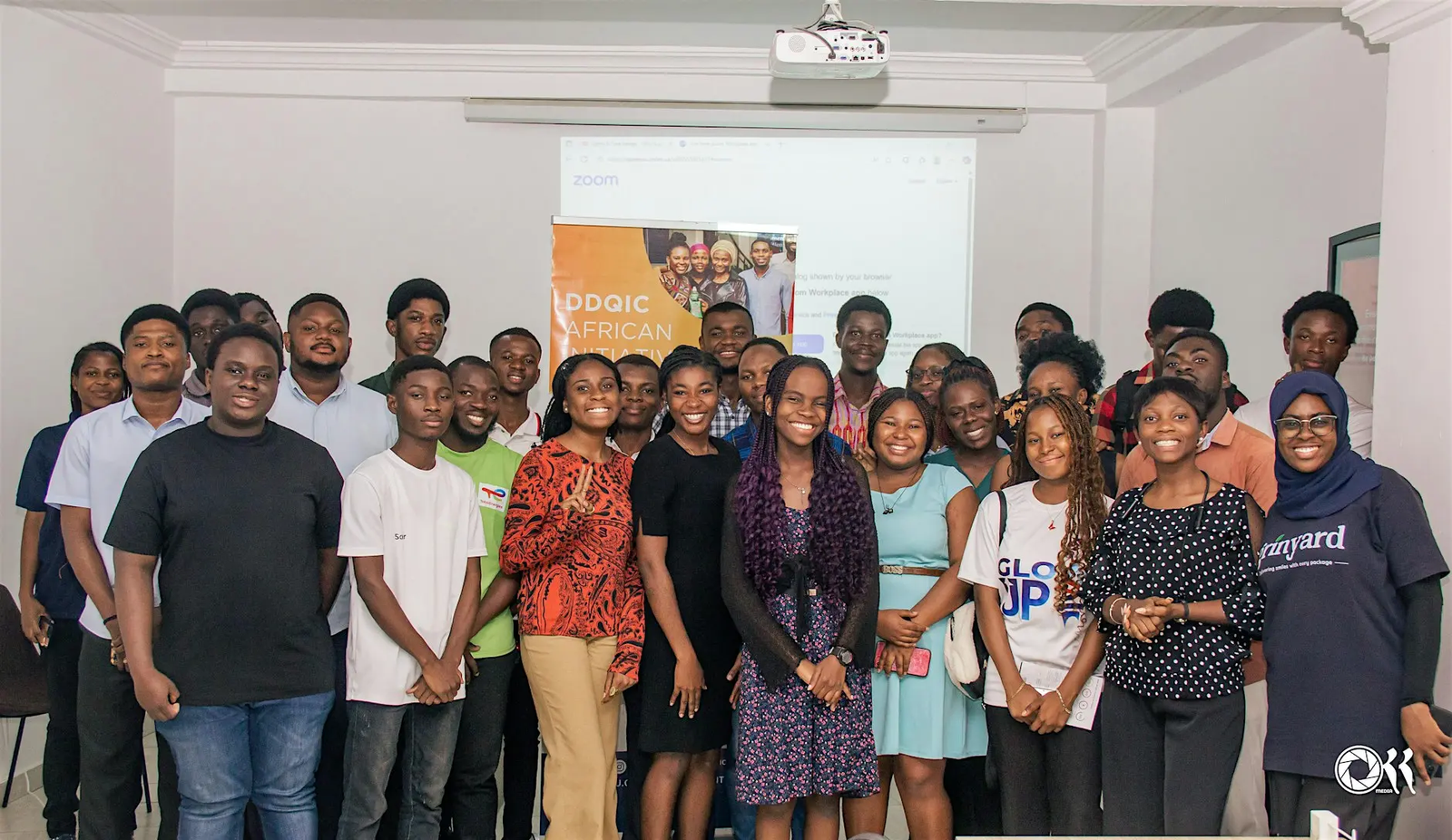
The loudest cheers in Ghana this September may not come from a football stadium. They could rise from a room filled with founders, mentors and dreamers as the JLMCF Ghana Chapter Final Pitch Competition 2026 brings the country’s brightest young entrepreneurs together for a day where bold ideas compete for real funding.
Scheduled for Friday, September 25, the event is the grand finale of the Jim Leech Mastercard Foundation Fellowship on Entrepreneurship – Ghana Chapter, an eight-month programme that helps students and recent graduates transform promising concepts into viable businesses.

While the fellowship follows the same curriculum as the wider Pan-African programme, Ghana’s chapter stands out by adding in-person activities and local support that reflect the country’s entrepreneurial landscape.
The journey has already been competitive. Around 300 entrepreneurs began in the Explore phase before the field narrowed to 22 ventures in the Launch phase.
Now, only the top 10 will step onto the podium to pitch for funding that could shape the next chapter of their businesses.
Visitors can expect more than polished presentations. The day opens with breakfast and workshops before the afternoon pitches, creating opportunities to exchange ideas with founders, investors and mentors.
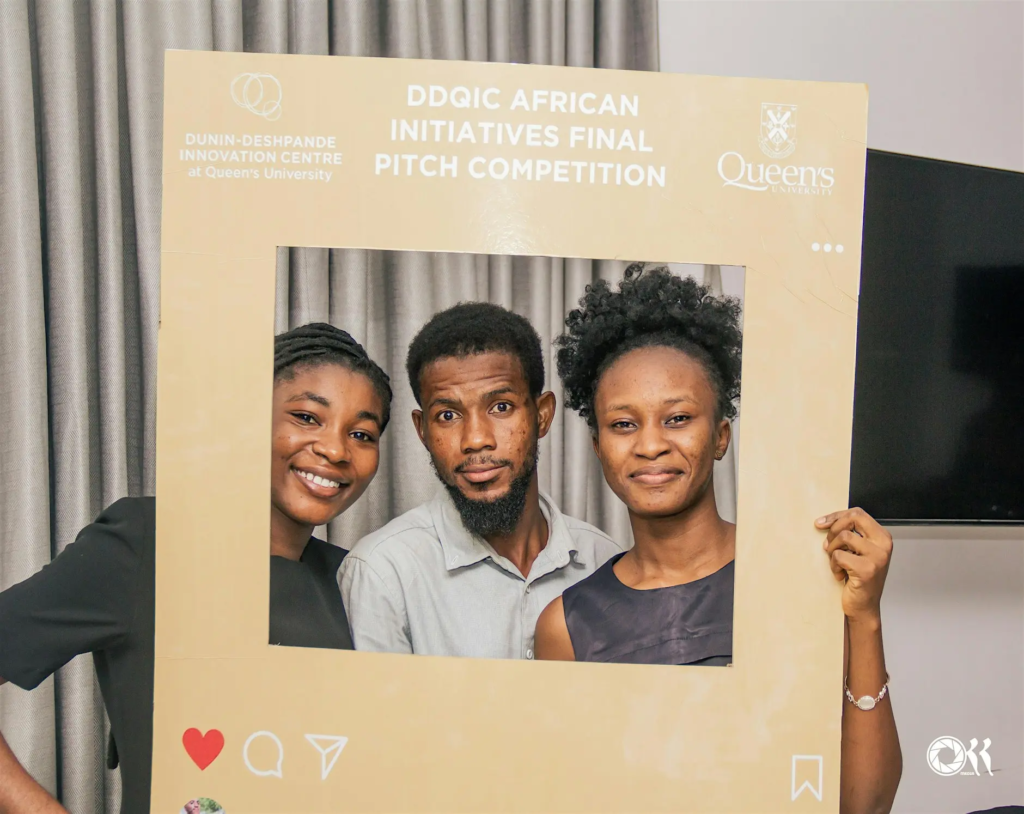
The atmosphere blends the energy of a business festival with the warmth of Ghanaian hospitality, where conversations over coffee can spark future partnerships.
For international visitors, the competition offers a window into Ghana’s growing innovation scene and the ambition driving a new generation of African entrepreneurs.
For locals, it is a chance to witness home-grown talent tackling real-world challenges with creativity and confidence.
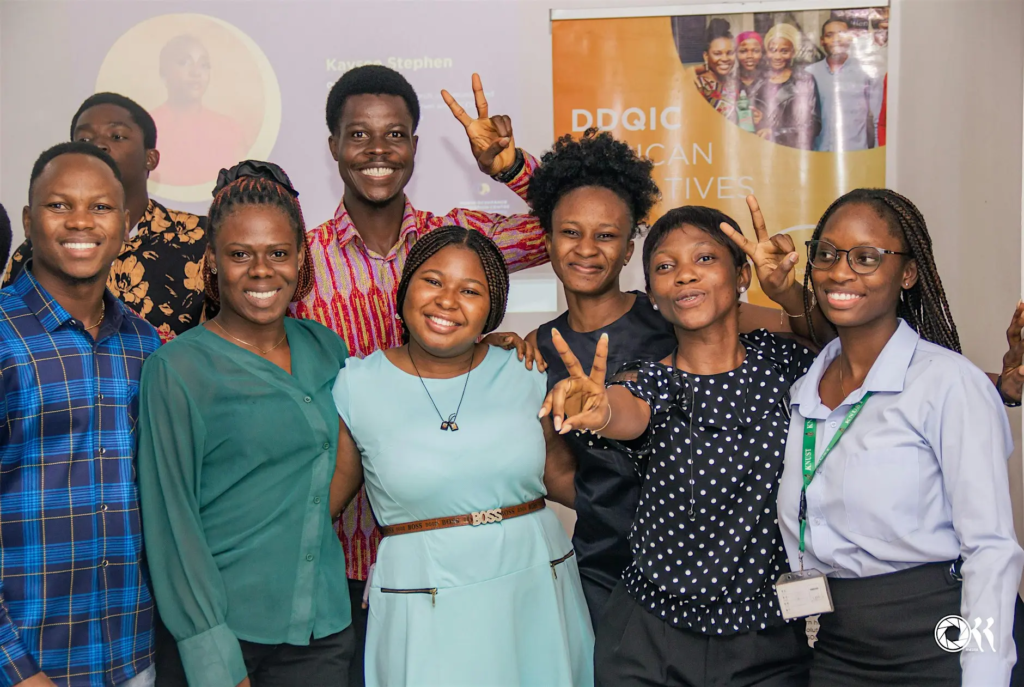
Powered by the Dunin Deshpande Innovation Centre at Queen’s University, Mastercard Foundation, and Queen’s University, this event celebrates more than entrepreneurship.
It celebrates possibility—and invites everyone to witness the ideas that could help shape Ghana’s future.
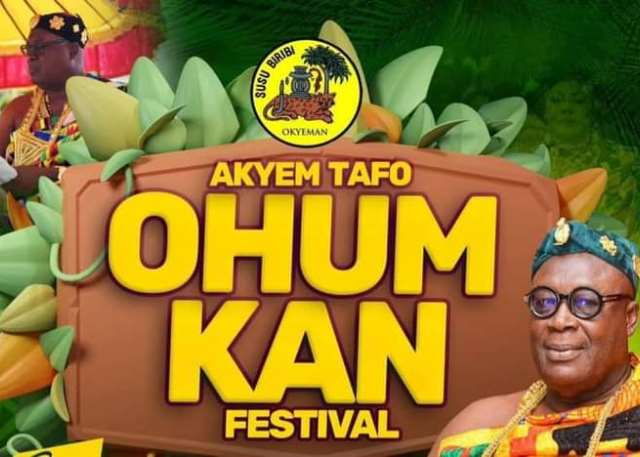
The first drumbeat arrives after weeks of waiting.
For two weeks before Ohumkan, the streets of Kibi and neighbouring Akyem communities fall into an unusual calm. Drumming stops. Dancing pauses. Even loud celebrations are set aside. Then, on Tuesday in June or July, the silence breaks.
The rhythm of traditional drums returns, chiefs emerge in colourful kente, and a celebration that honours both history and harvest fills the air.
Known as the first Ohum festival, Ohumkan marks the anniversary of the Akyem Nation while giving thanks for a successful harvest. It is one of the Eastern Region’s most cherished traditions, connecting generations through customs that have endured for centuries.
The festival centres on Kibi, the traditional capital of Akyem Abuakwa, but its spirit extends to surrounding villages where families gather, visitors return home, and public spaces come alive with music and ceremony.
The days of celebration feature grand processions of chiefs carried in palanquins beneath richly decorated umbrellas. Their arrival is greeted by the sound of talking drums, horn blowers and enthusiastic crowds dressed in vibrant cloth.
Elders perform customary rites that honour ancestors and reaffirm the community’s bond with its land, while prayers of thanksgiving recognise the blessings of the farming season.
The contrast between the quiet weeks beforehand and the joyful release of the festival gives Ohumkan its emotional power. The period of restraint encourages reflection, making the celebration feel earned rather than routine.
Today, Ohumkan remains more than a cultural spectacle. It strengthens family ties as relatives return home, provides a stage for local artisans and performers, and reminds younger generations that tradition is something to be lived, not simply remembered.
For travellers exploring Ghana’s heritage, witnessing Ohumkan offers something rare: the chance to experience a festival where silence itself becomes part of the celebration, and every returning drumbeat tells the story of a people proud of their past and hopeful for the seasons ahead.


In Ghana’s Online Politics, Personality Still Out-Engages Policy

Africa Digital Democracy: What Ghana’s Online Conversation Reveals About Elections in 2028

Trump Bans CNN, MS Now and Politico from White House in Escalating War on Press
-
 Ghana News8 hours ago
Africa Digital Democracy: What Ghana’s Online Conversation Reveals About Elections in 2028
-

 Ghana News1 day ago
Top Headlines From Ghanaian Newspapers: Friday, September 18, 2026
-
 Taste GH2 days ago
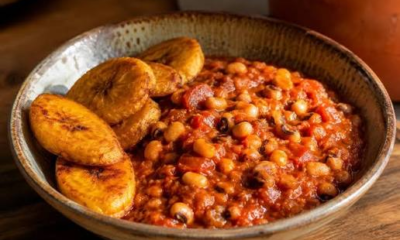
Red Red: The Ghanaian Bean Dish That Wins Hearts One Bite at a Time
-
Festivals & Events2 days ago
GJTI Expo 2026: Where Ghana and Japan Meet to Shape the Future of Trade
-

 Ghana News1 day ago
After Record Seizures, Ghana Tightens Ports in Global Drug War
-
 Ghana News9 hours ago
Trump Bans CNN, MS Now and Politico from White House in Escalating War on Press
-
 Ghana News8 hours ago
In Ghana’s Online Politics, Personality Still Out-Engages Policy
-

 Health & Wellness2 days ago
Before You Drink Activated Charcoal, Here’s What Science Actually Says