
Fashion & Style
Accra Fashion Week Wants Buyers, Not Just Applause

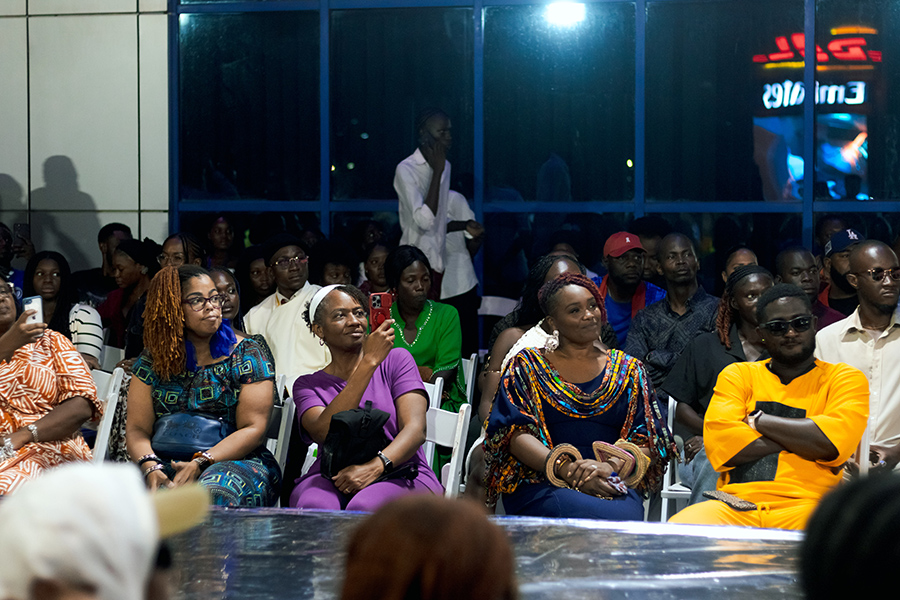
The loudest statement at the next Accra Fashion Week may not come from the runway. It may come from the order book.
As the platform moves into its second decade, founder Nana Addo Tamakloe is calling for a shift that could change how Ghana’s fashion industry measures success.
Instead of ending the story when the final model leaves the catwalk, he wants the next chapter to begin with buyers, retail partnerships and commercial distribution.
His message, which he is taking to the BRICS+ Fashion Summit, is simple: applause does not build a fashion business.
A designer’s future depends on what happens after the show—whether boutiques stock the collection, corporate buyers place orders and production continues because there is real demand.
The idea builds on Accra Fashion Week’s original mission. When the event launched in 2016, its “Batiks to Boutique” initiative encouraged Ghanaian retailers to champion local designers instead of relying heavily on imported fashion.
Now, Tamakloe believes the industry is ready for a more structured buyer-distribution system that connects designers with retailers, wholesalers and commercial partners capable of expanding their reach.
The timing reflects a wider shift across African fashion. International recognition has opened new doors for designers, but conversations are increasingly centred on manufacturing, sustainability, intellectual property and cross-border trade rather than visibility alone.
Tamakloe’s return to the BRICS+ Fashion Summit, after previously representing Ghana in Moscow, places Accra’s ambitions within a broader global conversation about emerging fashion economies.
For Ghana’s creative industry, the proposal suggests a new definition of a successful fashion week. The standout moment may no longer be the most photographed look on the runway.
It may be the collection that leaves the venue with purchase orders in hand, proving that African fashion can generate lasting business alongside bold design.








Fashion & Style
From Lagos Thrift Finds to Chanel’s Grand Palais Runway: Rachel Ojuromi’s Fashion Leap
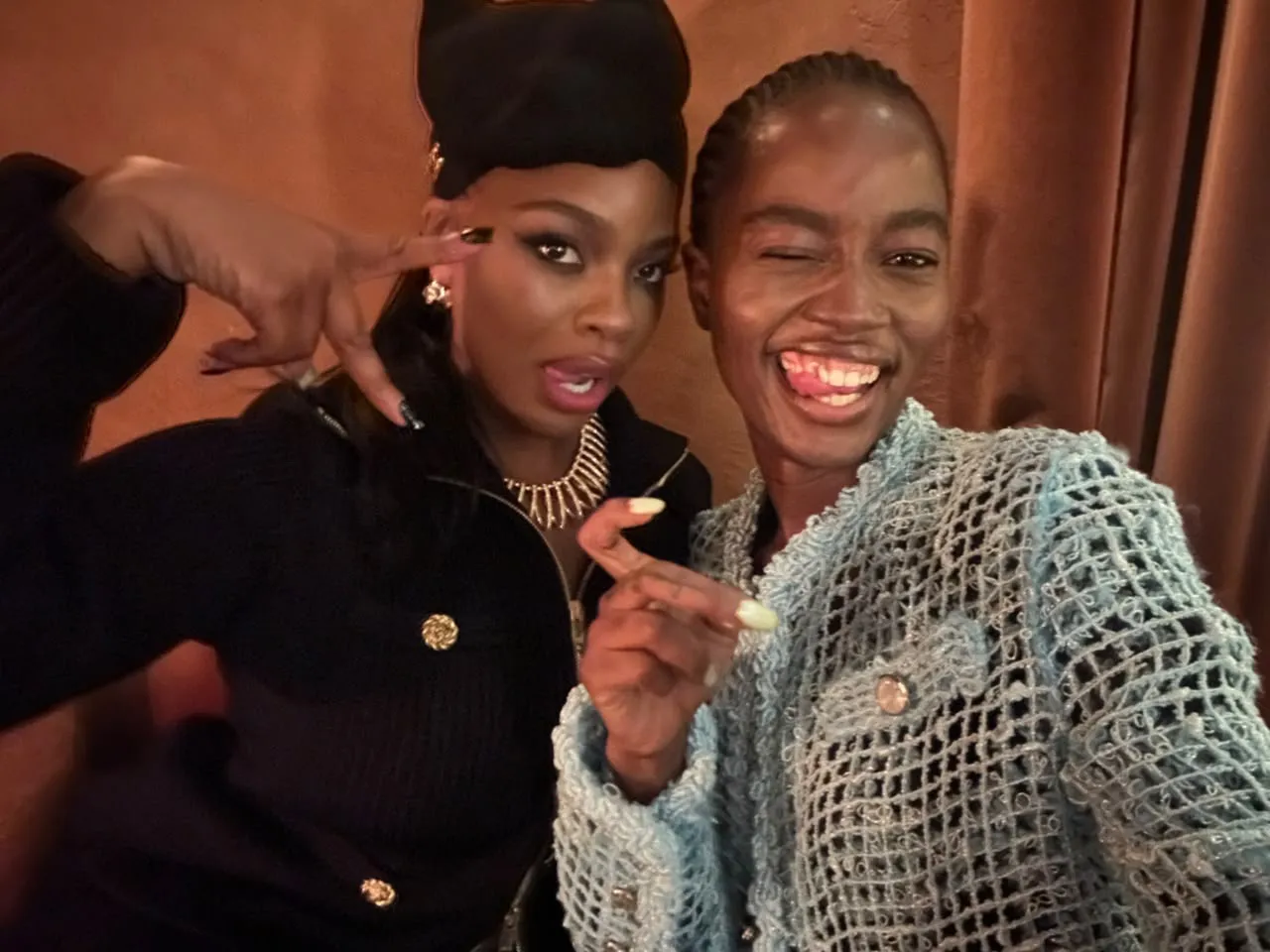
Rachel Ojuromi did not wait for a fashion house to discover her. She made the streets of Lagos her runway—and eventually, Chanel came looking.
The 22-year-old Nigerian creative had built an audience by turning everyday Lagos locations into striking fashion sets, combining dramatic styling with thrifted and reworked pieces.
Working alongside stylist and designer Debby Fasingha and photographer Odey Ikpä, Ojuromi created videos that felt closer to miniature fashion campaigns than conventional social-media posts.
The breakthrough came in July 2026, when the trio recreated Chanel’s Métiers d’Art 2026 collection on Lagos streets.
Their interpretation drew inspiration from the original show, designed by Matthieu Blazy and staged in the New York subway, but replaced the luxury house’s setting with the textures and energy of Lagos.
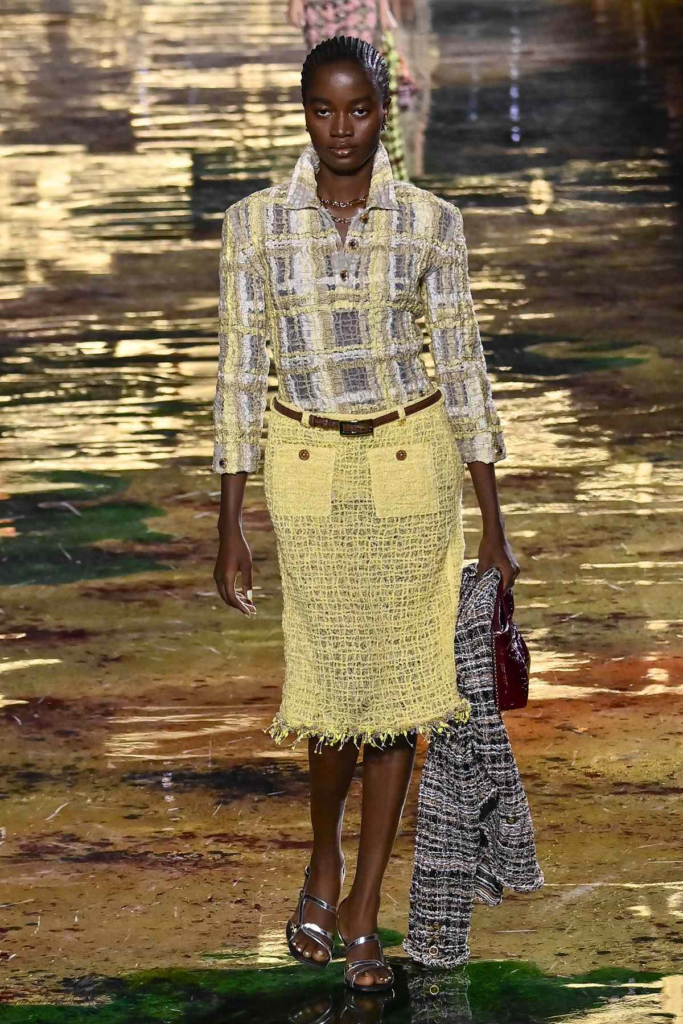
Blazy reacted to the recreation, helping propel the video further into fashion circles. Months later, Ojuromi found herself walking in his Chanel Spring/Summer 2027 collection at Paris’s Grand Palais.
Her runway look—a grey-and-yellow tweed Chanel ensemble—carried a quiet personal detail: yellow is Fasingha’s favourite colour.
But Ojuromi’s real statement had already been made in Lagos. She demonstrated that creativity does not need a luxury budget, famous location or established fashion platform to command international attention.
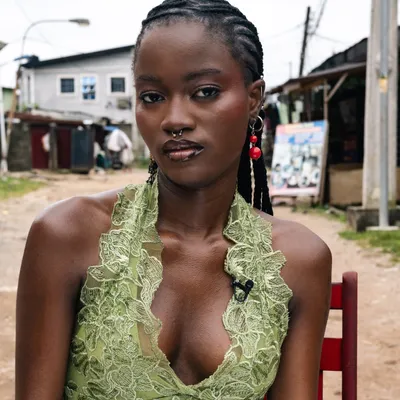
Her journey also challenges the idea that African creators must first receive approval from Paris, London or New York before their work carries global weight.
Ojuromi started with thrifted clothes, familiar streets and a strong visual identity. Chanel became part of the story later.
That may be the most important fashion lesson of all: sometimes the runway comes after you have already built your own.
Fashion & Style
Forget Buying Every Wig You See: These Four Styles Could Build a Complete Hair Wardrobe
A good wig collection does not have to mean a crowded wardrobe of barely worn hairstyles. The smarter approach may be to own a few versatile pieces that can take you from errands in Accra to dinner, work meetings and glamorous occasions without demanding hours of styling.
Four Styles, Four Moods
The bob wig is the dependable everyday option. Neat, relatively easy to maintain and effortlessly polished, it works particularly well for women who want a fuss-free style.
Length matters, though: choosing a bob that complements your face shape can make the difference between simply wearing a wig and making the haircut feel like your own.
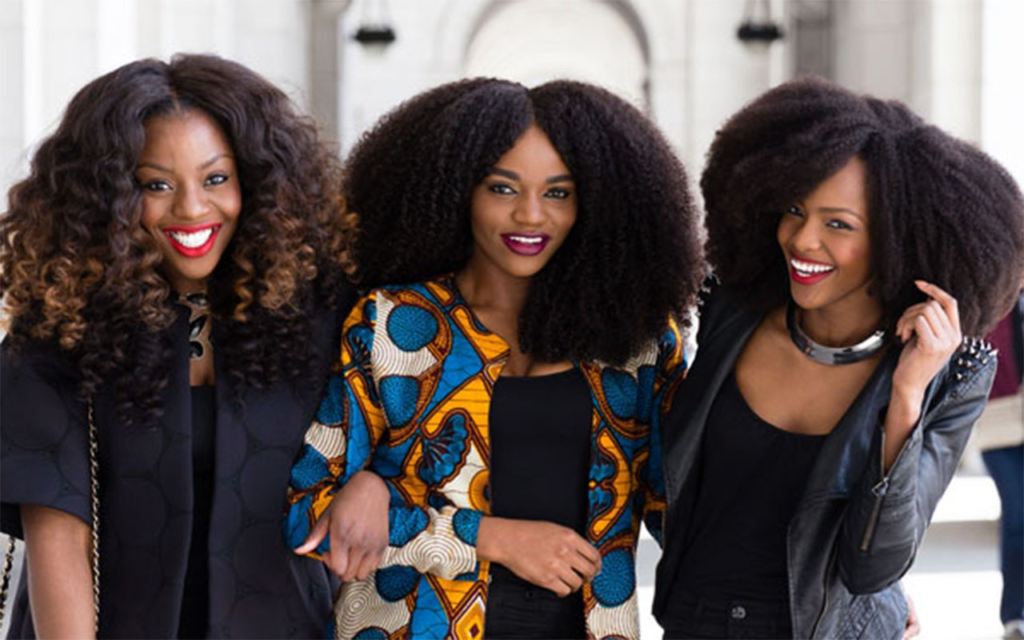
For more drama without complicated maintenance, the long straight wig brings instant length and versatility.
It can remain sleek or be curled when you want to change things up, making it one of the more adaptable pieces in a collection.
Then comes the water wave wig, with its fuller, softer texture. Its volume gives it a relaxed, feminine quality, while maintenance can be refreshingly simple. A mixture of water and conditioner can help revive the waves before gently running your fingers or a comb through the hair.
The Glamour Piece
The body wave wig completes the wardrobe with movement and soft waves. It is the option for occasions when understated polish needs a little extra glamour.
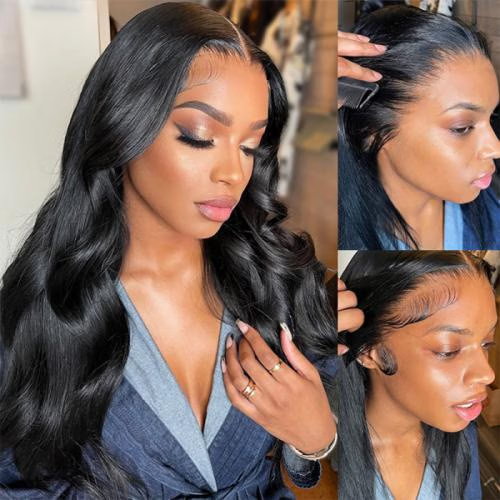
For women navigating Ghana’s busy social and professional scenes, the appeal of this four-piece approach is practical as much as fashionable. Instead of chasing every new wig trend, build a collection that reflects your lifestyle.
The best hair wardrobe isn’t necessarily the biggest one. It is the one that gives you an answer whenever you ask: “What am I wearing today?”
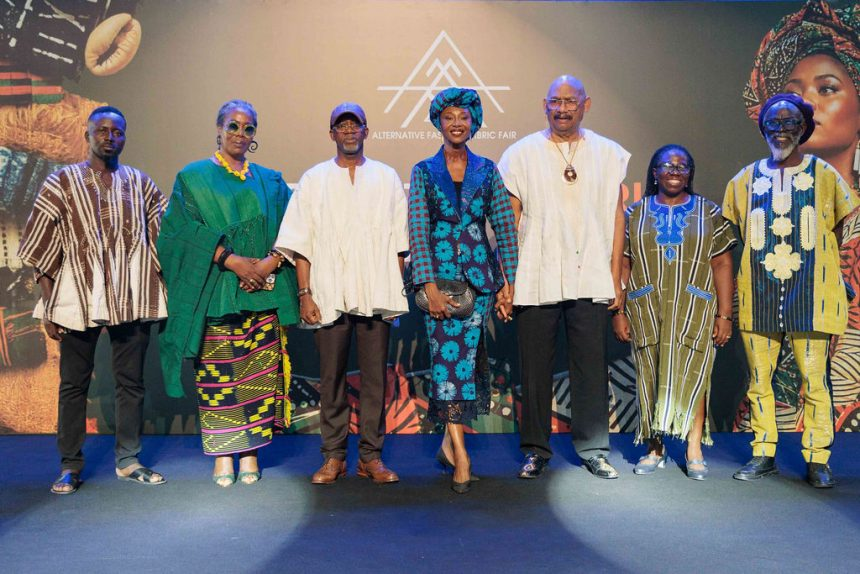
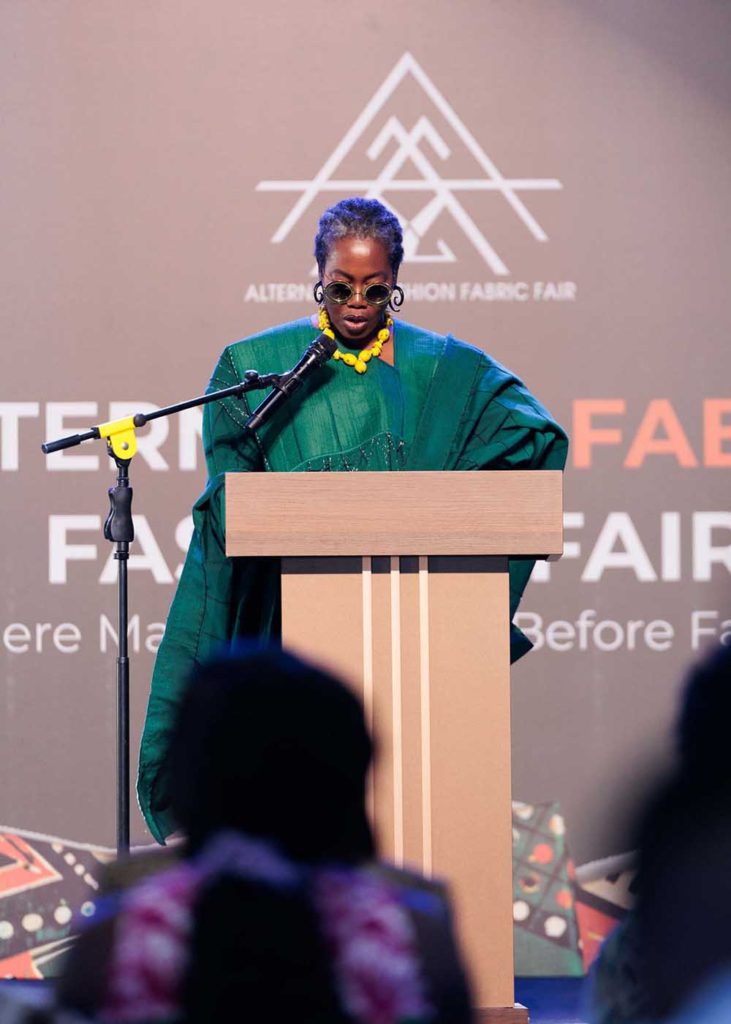
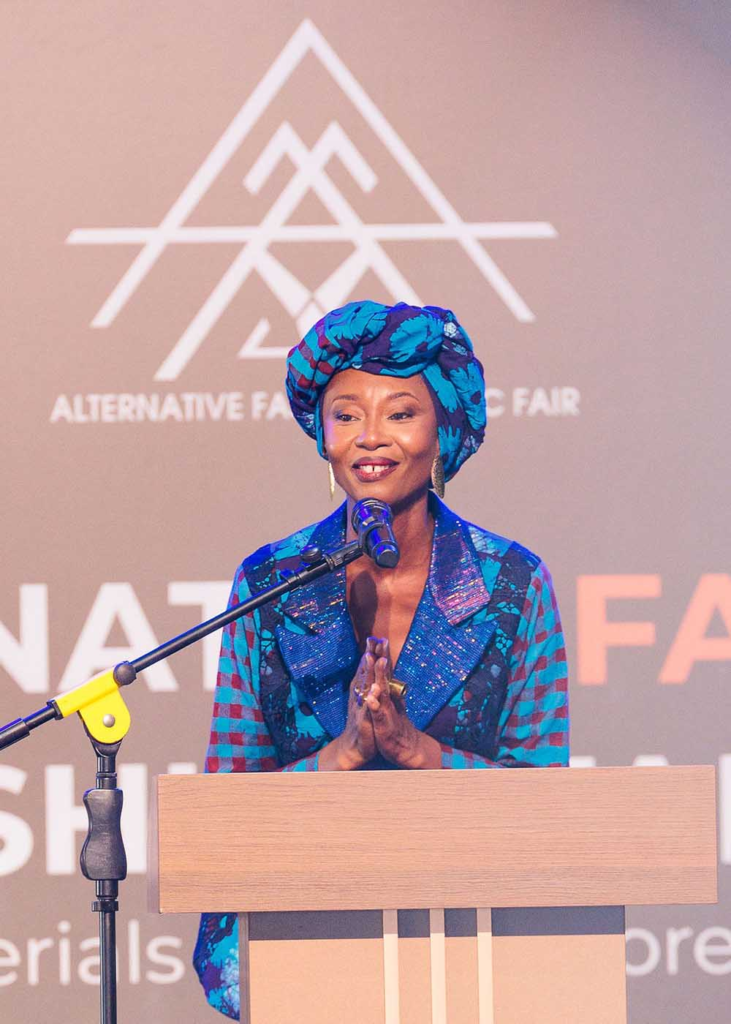
Before a designer cuts the first piece of fabric or a model steps onto a runway, there is a longer story — one involving fibres, makers, manufacturers, traditional techniques and materials.
That often-unseen story took centre stage in Accra on September 19 as the inaugural Alternative Fashion Fabric Fair (Alt.FFF) launched at the Palms Convention Centre.
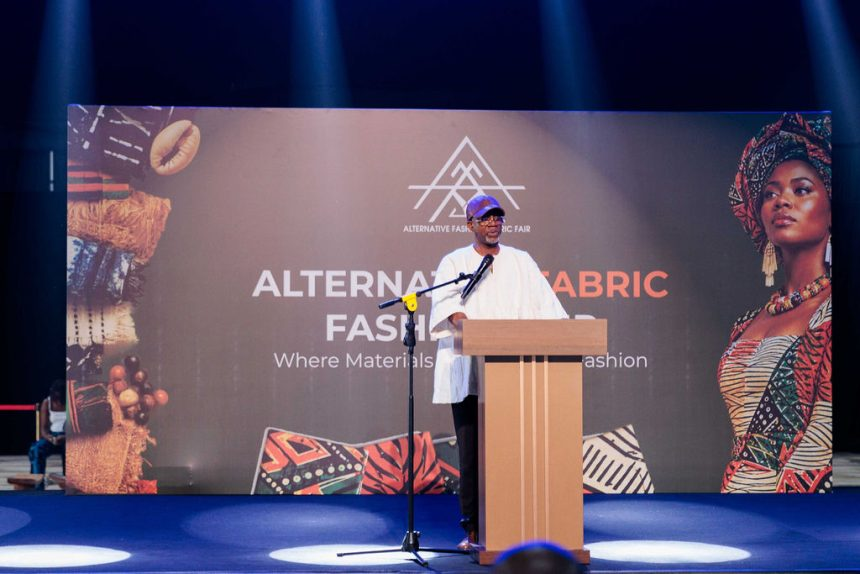
Looking Beyond the Finished Look
Held under the theme “Where Materials Speak Before Fashion,” Alt.FFF shifted attention away from finished clothing and towards the infrastructure behind Africa’s fashion industry.
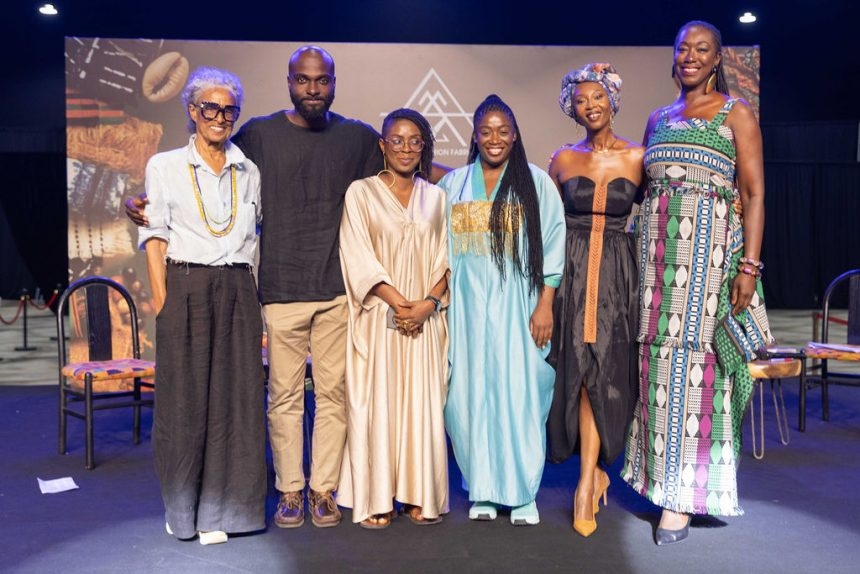
The fair brought together designers, artisans, manufacturers, material innovators and creative businesses, giving visitors the chance to explore everything from fabrics and natural materials to manufacturing processes and sustainability.
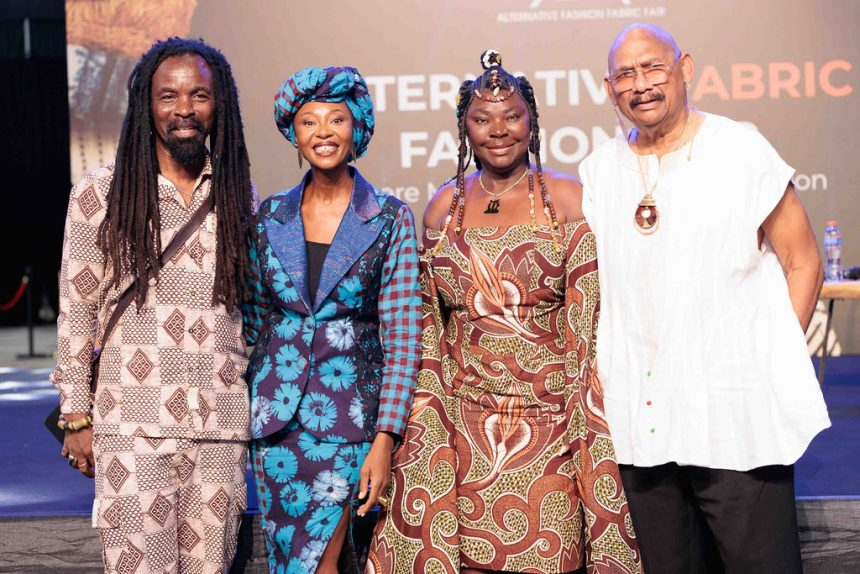
Its exhibition space featured a Sustainability Zone, Furniture Zone, Green Artist Area, Experience Hall, Moving Loom Dark Room and Workshop Area.
A special presentation of garments by legendary Ghanaian designer Kofi Ansah also connected contemporary fashion with the country’s creative heritage.
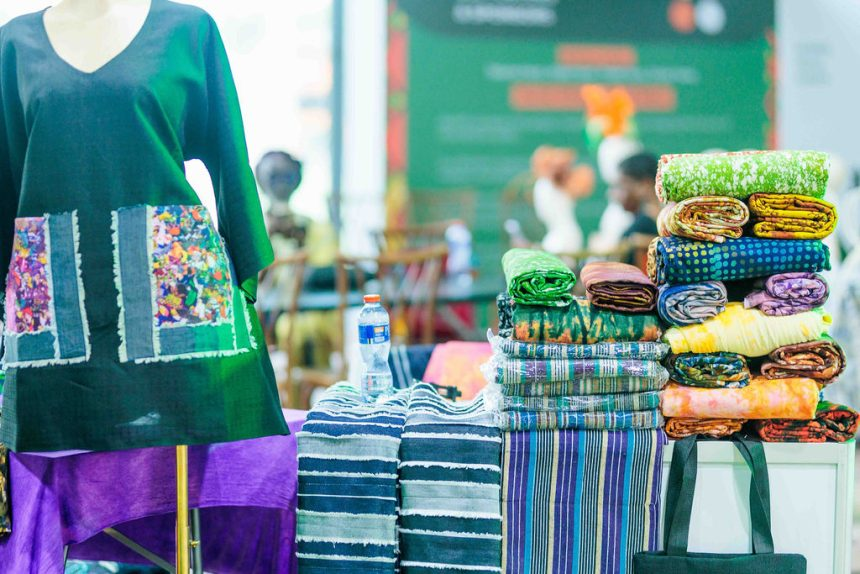
Building an African Fashion Economy
The conversations were just as important as the displays. A panel on intra-African trade and cross-border opportunities examined how producers, manufacturers and creative businesses can build stronger links across the continent.
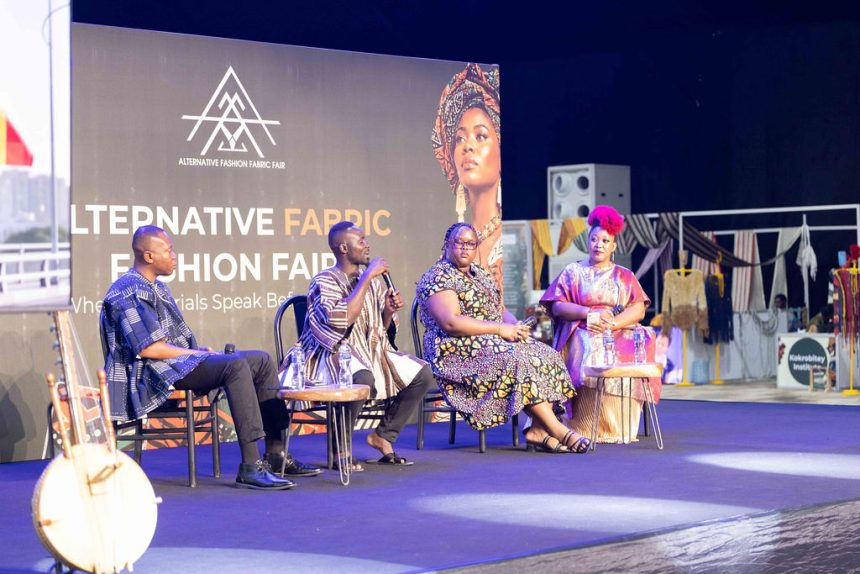
Another session, “The Future Session – The Next Market: Alt.FFF 2027,” brought together voices from fashion, art, culture, design and creative enterprise to consider where the platform could go next.
For founder and curator Makeba Nana Boateng, the fair is about making an overlooked part of fashion visible.
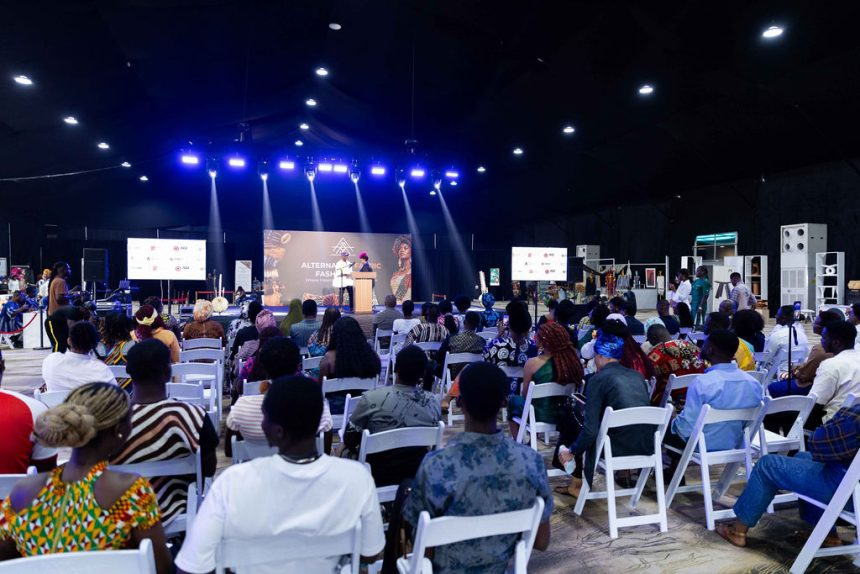
Alt.FFF’s debut suggests that the future of African fashion may not be defined only by what designers put on the runway, but also by the materials, people and industries working behind the scenes to make those designs possible.


Making Every Square Metre Count: Interior Design Tips for Ghanaian Homeowners

Poor Posture Is More Than a Bad Habit: How Four Minutes a Day Can Help

Accra’s Pool Party Brings Music, Style and Detty December Energy
-

 Commentary2 days ago
Educated, Wealthy and Still Trapped: Why Women’s Advancement Falls Short of Empowerment
-
 Ghana News2 days ago
FBI’s Kash Patel Says Ghana Scam Network Targeted 89 U.S. Victims, Stole Nearly $10 Million
-

 Perspectives1 day ago
Russia-Africa Summit: The Search for Resources, Influence and War Resilience
-
 Ghana News2 days ago
Dr Issaka Yakubu Akparibo: Ghanaian Doctor Becomes First African Inducted into Global Aviation and Space Medicine Academy
-

 Health & Wellness2 days ago
When Weight Loss Stalls, Look Beyond the Scale
-

 Ghana News12 hours ago
Ghana’s Cyber Security Authority Challenges FBI’s Kash Patel’s Account Of Major Scam Operation in Accra
-

 Ghana News12 hours ago
How to Pay Chinese Suppliers Directly From Your Ghanaian Cedi Account
-

 Reels & Social Media Highlights1 day ago
Nana Akua Addo, Dumelo, and KFC: What Ghana Was Actually Talking About on Social Media