
Festivals & Events
Why Upper East’s Gologo Celebration Should Be on Your Bucket List

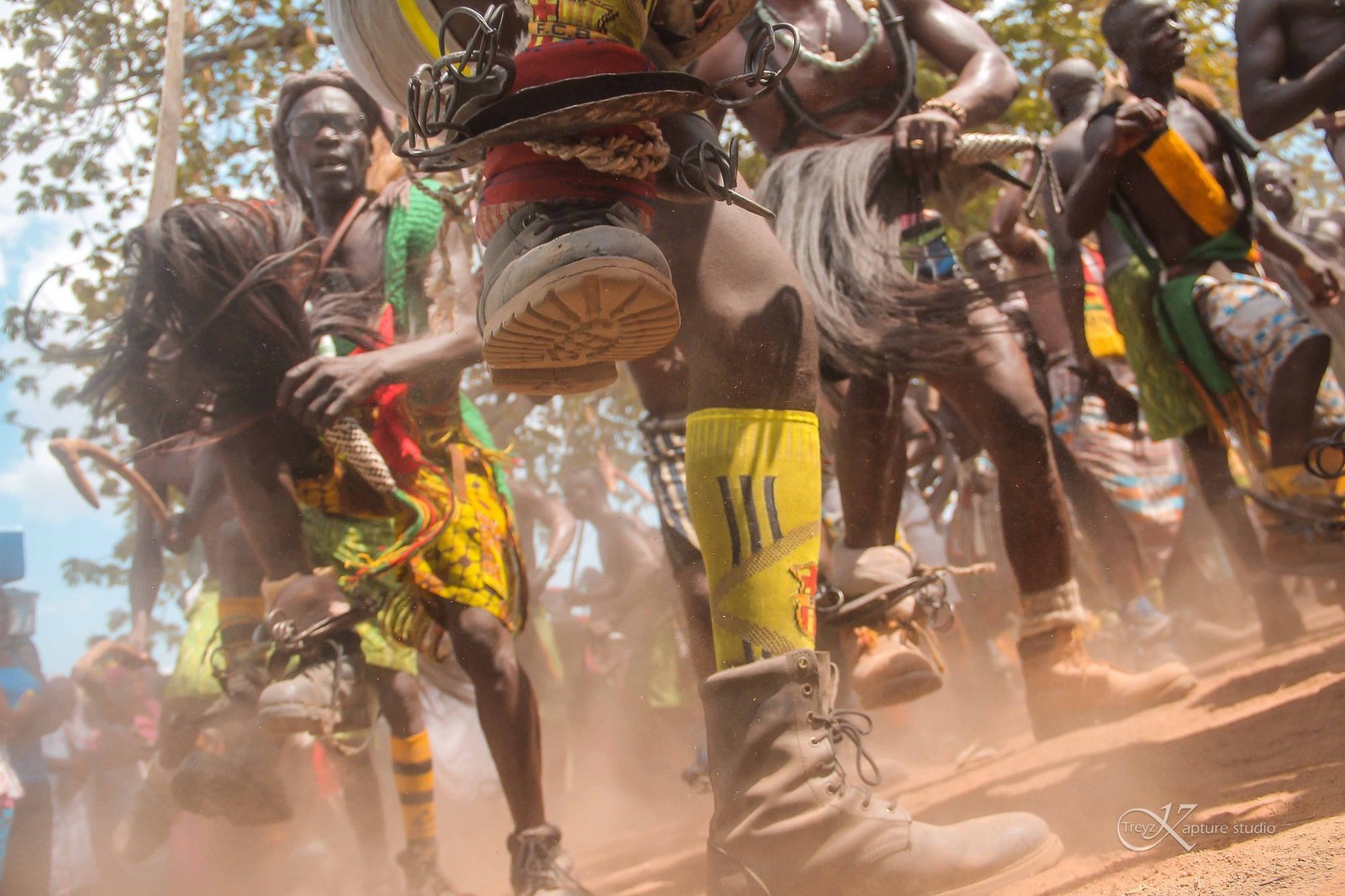
If you think you have seen everything Ghana has to offer, let me tell you about a place where time seems to stand still. Up in the Upper East Region, nestled among the rocky outcrops of the Tongo Hills, the Talensi people hold onto a tradition that refuses to fade. This is the Gologo Festival. It is not the kind of event where you show up for a quick photo and leave. It grabs hold of something deeper.
A Prayer Before the Planting
Picture this: it is the end of March, the dry season has parched the land, and the air shimmers with heat. The rains are just around the corner, and the soil waits for the first seeds. For the Talensi, you do not just rush into farming. You have to ask permission. You have to seek blessings. That is what Gologo—sometimes called the Golib Festival—is all about. It is a plea to the gods and ancestors for a good harvest, for plentiful rain, and for the community’s safety.
For three days, the celebration moves across different villages—Gorogo, Yinduri, and finally climaxes at Teng-Zug. This is not a loud, flashy street parade. It is raw and spiritual. The earth priests, known as the Tindaana, lead the way up to the sacred shrines tucked within the hills. They pour libations and offer sacrifices so that when the first millet is sown, it will grow strong.
The Look of Humility
What makes Gologo stand out from every other festival in the country is its look. If you visit during this time, you will notice something striking. The men wear only short knickers with a towel draped across their chest. The women wrap a long cloth from their chest down to their feet, their heads covered in fabric woven right there in the community. There is no room for flashy designer prints here. This simplicity is deliberate—it is about humility before the spirits. In fact, for a whole month leading up to the main event, you will not hear drums blasting or see people mourning loudly. Noise is forbidden. It is a time of quiet reflection.
Why You Belong There
As a tourist, you might wonder—is this something I can just walk into? The answer is yes, but you have to come with respect. The Ghana Tourism Authority has been pushing to repackage Gologo to attract more visitors, not to turn it into a circus, but to let the world see how culture can survive against all odds. Watching the Golob dancers move to rhythms that seem to shake the very ground is something else. They dress in what looks like war attire, clutching knives, moving with an energy that makes you forget your phone exists.
For the local Ghanaian reading this, especially those who grew up in the cities where these traditions feel distant, Gologo is a homecoming. It reminds you that our identity is not just in the highlife music or the jollof wars. It is in the earth. It is in the way our people look at the sky and talk to God before they plant a seed.
A Link to the Ancient World
The significance goes beyond the dancing. At its core, the festival reinforces the community’s belief in the Nnoo shrine, the spiritual bedrock of Talensi life. It is a time when the young learn the songs composed by the elders, when families come together, and when the past meets the present. If you time your visit right, usually around March or early April, depending on the moon, you will leave with more than just photos. You will leave with a story about people who refuse to let the modern world silence their prayers.
So pack light, leave the noisy distractions behind, and head to Teng-Zug. Let the earth shake beneath your feet.






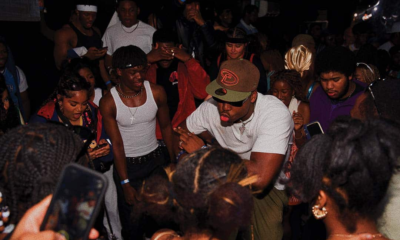

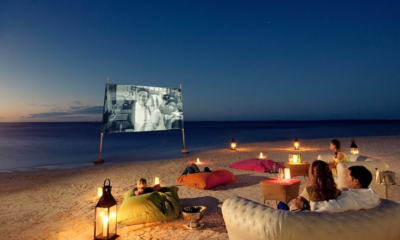

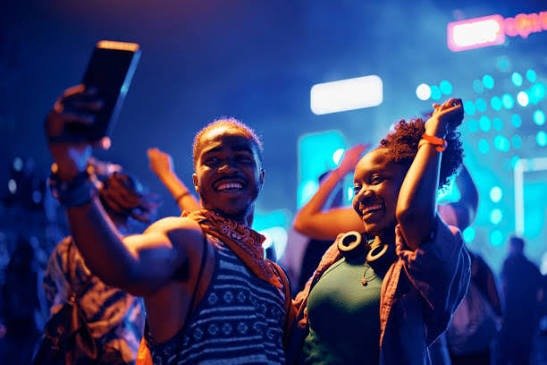
Pitch Accra sets the scene for a New Year’s Eve gathering that brings music lovers together as Ghana welcomes the first moments of 2027.
As the final hours of 2026 slip away, Accra will offer music lovers another reason to gather, celebrate and welcome a new year together. Compozers Fest Ghana Edition is scheduled for December 31, 2026, bringing the festive energy of New Year’s Eve to Pitch Accra.
Organised by December in Ghana, an events organiser with a growing following, the celebration offers an opportunity to experience Accra’s nightlife during one of the busiest periods on Ghana’s social calendar.
Music, Community and Celebration
Music has long been central to Ghanaian social life, accompanying celebrations, festivals and gatherings across generations. From highlife and hiplife to Afrobeats and contemporary African sounds, the country’s musical landscape reflects a continuing conversation between tradition and modern influences.
A festival held on New Year’s Eve provides a natural meeting point for these musical cultures and the people who enjoy them.
For Ghanaians returning home for the festive season, it offers another opportunity to reconnect with the city’s entertainment scene. International visitors can experience Accra’s year-end atmosphere alongside residents and members of the diaspora.
Although detailed information about the festival’s performers and programme has not been announced in the supplied listing, the event is scheduled to begin at 10 pm and continue into January 1, 2027.
Making New Year’s Eve Memorable
The venue, Pitch Accra, will host the gathering on Accra Road, Accra. Tickets also come with a Visa card promotion: eligible purchases receive 15 per cent back, with the refund processed within three to five working days after the event. The organiser states that tickets are non-refundable.
For visitors planning a festive-season trip, Compozers Fest Ghana Edition offers another event to consider when exploring Accra after dark.
As 2026 draws to a close, the celebration promises a chance to gather with friends, enjoy the city’s nightlife and begin 2027 in the company of fellow music lovers.
The steady beat of drums fills the air as singing voices rise and dancers bring the streets of Vane to life. In this town in Ghana’s Volta Region, November brings more than the promise of a successful harvest.
It ushers in the Amu Brown Rice Festival, a celebration that connects the rewards of the land with memories of a historic victory that secured the community’s present homeland.
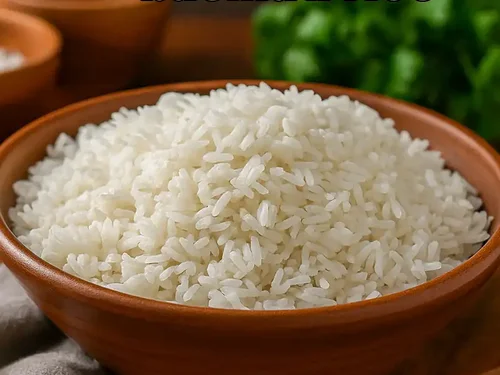
At the heart of the festival is rice, a crop that represents both agricultural achievement and the value of collective effort. As families and community members gather to mark the harvest, the occasion becomes an opportunity to celebrate the work of farmers and recognise the importance of food production to local life.
Yet the festival’s significance reaches beyond the fields. Its commemoration of a victory associated with securing the community’s homeland gives the celebration a deeper historical meaning. It recalls the struggles and determination behind the community’s settlement, connecting present generations with the experiences that shaped their identity.
The festivities feature drumming, dancing and singing, bringing traditional expression to the centre of community life.
A durbar of chiefs provides an important gathering point, bringing traditional leadership into the celebration and reinforcing the relationship between heritage, authority and communal belonging.
For younger generations, the festival offers an opportunity to encounter local history through shared participation rather than words alone.
For visitors, it provides a glimpse of how agricultural seasons, historical memory and traditional leadership continue to shape cultural life in Ghana.
As communities navigate social change, celebrations such as Amu Brown Rice help preserve inherited customs while creating space for people to gather, reconnect and pass their stories forward.
For anyone exploring Ghana beyond its familiar tourist attractions, a November visit to Vane offers a chance to experience a living tradition in which the harvest is not simply food, but a reminder of history, resilience and belonging.
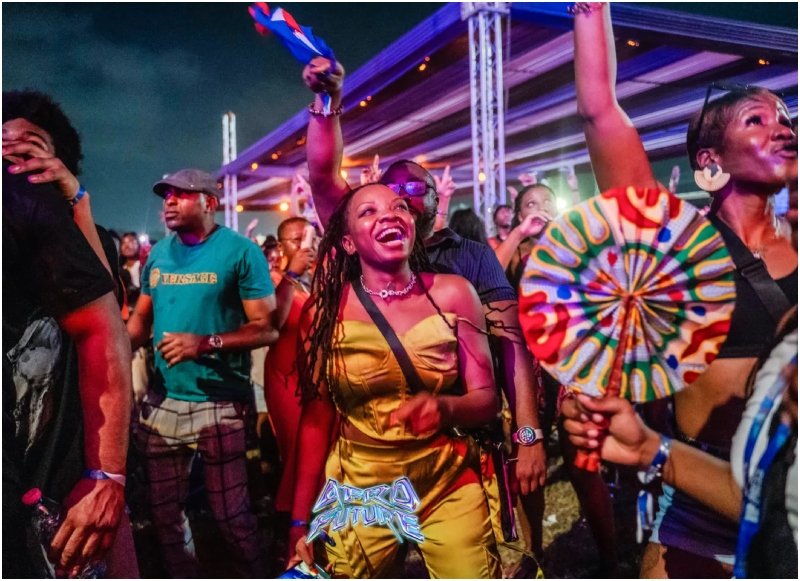
When Friday night arrives in Accra, the city comes alive with music, conversation and the irresistible pull of a good night out.
On November 13, 2026, The Turnup at Enzo invites partygoers to gather for an evening of entertainment, social connection and lively nightlife at Enzo Accra on Boundary Road.
Organised by AFROWAVE 2019, an event organiser with 32 events and more than 1,600 total attendees listed on Eventbrite, the gathering promises an in-person experience built around music, fun and good company.
Scheduled for 8 pm to 11:30 pm, the three-and-a-half-hour event offers an opportunity to enjoy Accra after dark.
While the event details do not specify particular performers, musical genres or food offerings, its central appeal is familiar to anyone who has experienced Ghanaian social life: the pleasure of meeting friends, discovering new faces and sharing music in a relaxed setting.
Accra’s nightlife forms an important part of its contemporary cultural identity, bringing together residents, returning members of the diaspora and international visitors.

From Afrobeats and highlife nights to modern DJ-led parties, music provides a common language across generations and backgrounds.
The Turnup at Enzo offers visitors an opportunity to experience this social side of the capital.
For tourists, it could be a chance to connect with Accra beyond its historic landmarks, markets and beaches. For locals, it offers another reason to step away from the week’s routines and enjoy an evening with friends.
With Enzo Accra providing the setting, the focus is on showing up, enjoying the atmosphere and making memories through shared experiences.
If you’re planning a Friday night in Ghana’s capital, The Turnup at Enzo is worth considering. Gather your friends, bring your energy and make room for an evening of music, connection and Accra nightlife.


Funding Fears Loom For Ghana’s Life-Saving Malaria Vaccine Five Years After Roll Out

‘There was a Coordinated Disclosure Plan’: AI-Discovered Flaw in PHP Triggers Global Internet Chaos as Cybercriminals Race to Exploit It
