
Sights and Sounds
Why Every Road Leads to Kwahu at Easter


Every Easter, one question echoes across Ghana: “Are you going to Kwahu?” It is asked in offices, homes, churches and markets with the certainty that everyone understands its meaning.
For many outsiders, the annual migration to the mountain towns of Kwahu looks like one giant festival filled with concerts, street parties and paragliding. Yet beneath the celebration lies a much older story—one built on faith, family and the enduring pull of home.
Long before Kwahu became Ghana’s best-known Easter destination, the season already held deep spiritual significance for the communities scattered across its cool highlands.
The spread of Christianity, particularly through early Presbyterian missionary activity, established Easter as an important period for church conventions, worship services and family gatherings.
Returning home during the season became a cherished tradition that strengthened both faith and kinship.
Economics reinforced that tradition in unexpected ways.
For generations, many Kwahu people built successful trading businesses in commercial centres such as Accra and Kumasi. Christmas, while festive, was also their busiest business period, making long journeys home almost impossible.
Easter arrived at a quieter time on the trading calendar, offering a rare opportunity to reunite with relatives, reconnect with hometowns and celebrate together. What began as a practical decision gradually evolved into a powerful annual migration.
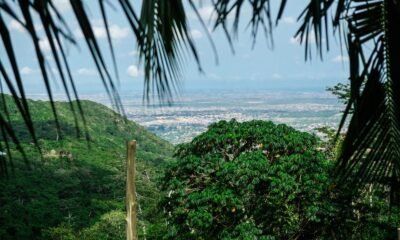
The landscape itself helped shape the experience. Rising above much of southern Ghana, Kwahu’s elevated terrain offers cooler temperatures and sweeping mountain views that contrast sharply with the heat and bustle of the country’s major cities.
For visitors escaping crowded urban life, spending Easter in Kwahu became a refreshing change of scenery. Many jokingly described the experience as feeling “like abroad,” a compliment that reflected both the climate and the atmosphere.
As more families returned year after year, businesses recognised the opportunity. Hotels expanded, restaurants welcomed larger crowds, musicians staged performances and roadside vendors transformed quiet streets into lively commercial hubs.
Today’s Easter celebrations blend religious observance with tourism, entertainment and entrepreneurship, making Kwahu one of Ghana’s most significant seasonal destinations.
Yet the heart of the celebration has remained remarkably consistent. Families gather around shared meals, old friendships are renewed and generations reconnect in the towns where their stories began.
Visitors may arrive for the festivals and breathtaking scenery, but they leave with an appreciation for a tradition rooted in belonging.
Kwahu’s Easter success was never created by concerts or commerce alone. It grew from people choosing, year after year, to make the journey home.
That spirit of reunion continues to define the celebration, reminding Ghanaians everywhere that sometimes the most meaningful destination is the place where family is waiting.










A child searching for their first picture book, a university student hunting for a prescribed textbook or a reader hoping to find their next favourite novel can all begin their search at the same place: EPP BookShop at Legon City Mall.
Located at 7 Lagoon Street, off Giffard Road, the Legon branch brings together books for different ages, interests and stages of learning.

Its appeal lies in the range of titles available, making it a useful stop for families preparing children for school, students pursuing higher education and readers looking beyond the classroom.
From a Small Accra Shop to a Growing Book Business
EPP Books began in 1991 as a modest bookshop in Accra, occupying a space of no more than 20 square metres.
Over the years, it grew into a chain with branches across the West African sub-region, expanding its reach beyond its original location.
That journey reflects the continuing need for accessible books in homes, schools and educational institutions.
For many learners, textbooks and supplementary readers are essential tools, while novels and self-help books offer opportunities for entertainment, personal growth and discovery.
Books for Different Stages of Life
At the Legon branch, the selection spans preschool materials, children’s readers, school curriculum books, secondary-school textbooks and university-level titles. Customers can also browse bestselling novels and books on personal development.
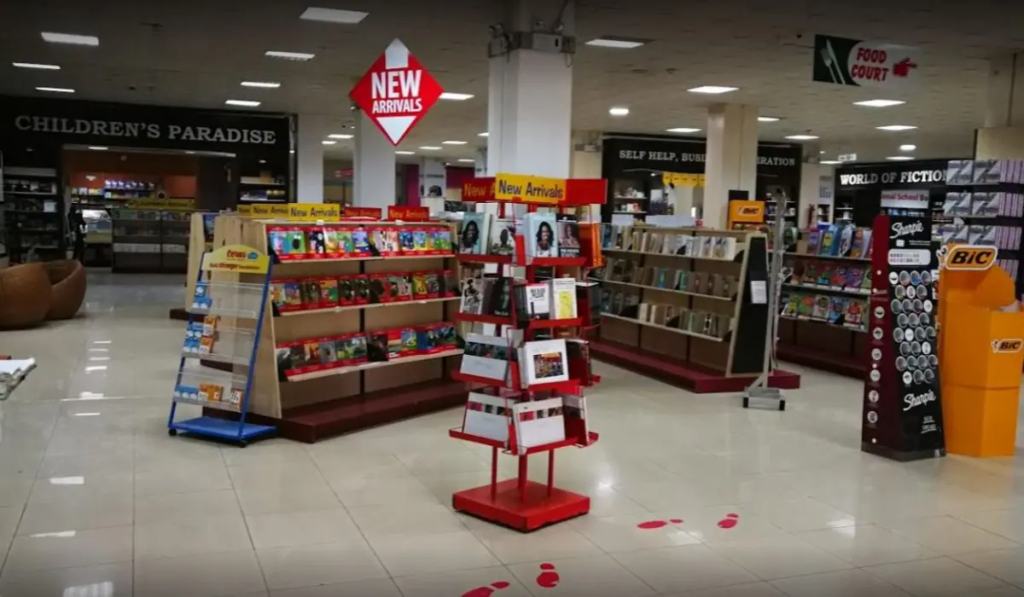
EPP BookShop serves both retail and wholesale customers, giving individual readers and organisations options for purchasing books. If a particular title is unavailable on the shelves, the shop can also arrange to order it.
For residents, students and visitors in the Legon area, the branch offers more than a place to buy reading materials. It provides a practical starting point for the search for knowledge, whether that begins with a child’s first schoolbook or a reader’s next literary adventure.

In a city where daily life can move at a relentless pace, finding a place to pause, unwind and feel refreshed can be a luxury in itself.
At Niobe Salon and Spa, located within Accra’s African Regent Hotel, beauty and relaxation come together in a contemporary setting designed to make personal care an enjoyable experience.
Niobe operates across five locations in Accra, Ghana’s bustling capital, with a philosophy built around the belief that cultivating a personal style should be rewarding, relaxing and fun. Its guiding idea, that “beauty is a feeling,” places the experience of self-care at the heart of its offering.
Facial Treatments for a Refreshed Look
At the African Regent Hotel branch, the treatment menu caters to guests seeking specialised skincare and facial care.
Options include Elemis facials, CACI lifting facials, Biotec Elemis facials, microdermabrasion and peel treatments, as well as Dr Murad facials.
These services offer visitors a range of choices, whether they are looking to refresh their complexion, explore targeted skincare treatments or set aside time for a personal wellness ritual.

The variety also makes the spa an appealing option for hotel guests and Accra residents looking to incorporate professional beauty care into their routines.
The hotel’s location adds to the appeal, offering a convenient setting for visitors who want to combine a beauty appointment with a stay or other activities in the city.
Making Time for Self-Care in Accra
Niobe Salon and Spa welcomes clients during the week and on Saturdays, with Sunday hours listed separately.
However, its published schedules contain some inconsistencies, so prospective visitors should confirm opening times before making a trip.
For travellers discovering Accra or residents seeking a dedicated beauty appointment, Niobe presents an opportunity to step away from everyday demands and make time for themselves.
At its African Regent Hotel location, the emphasis is on more than appearance: it is about making the experience of looking after oneself feel restorative, personal and rewarding.
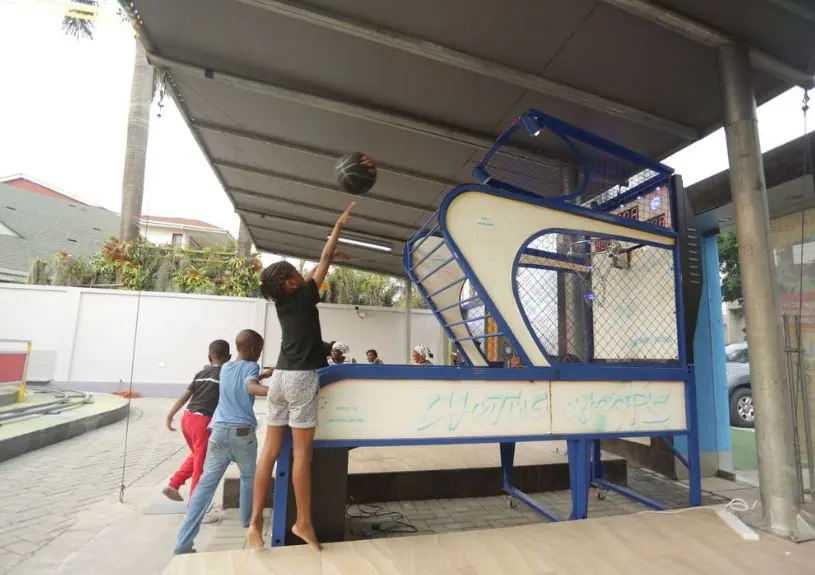
For children, a good weekend can be as simple as racing a friend, climbing onto a play structure or waiting excitedly for the next ride.
At Calabo Playground in East Legon, those small moments are at the heart of the experience.
Located on Mensah Wood Street, Calabo is a soft play and playground designed for children aged 3 to 10, giving families a dedicated space where young children can stay active, socialise and enjoy unstructured play in a secure environment.
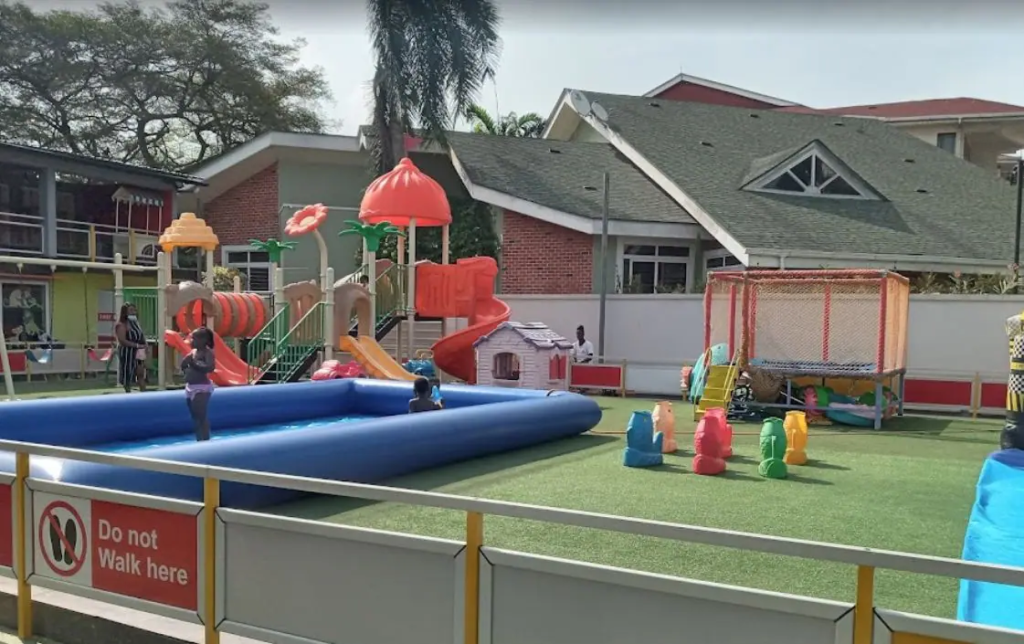
One of the attractions is the chance to climb into a canoe and race against friends—a playful competition that can quickly turn an ordinary afternoon into a hunt for bragging rights.
Children can also explore a range of indoor and outdoor equipment, with activities including a sliding pool and train rides.
The playground is particularly suited to Accra families looking for something different from spending weekends indoors. School holidays also bring an opportunity for children to spend more time playing, learning and interacting with others.
Beyond the equipment, Calabo offers a setting for children to build confidence and friendships through play. Parents can also organise parties, while homemade snacks add to the family-friendly experience.
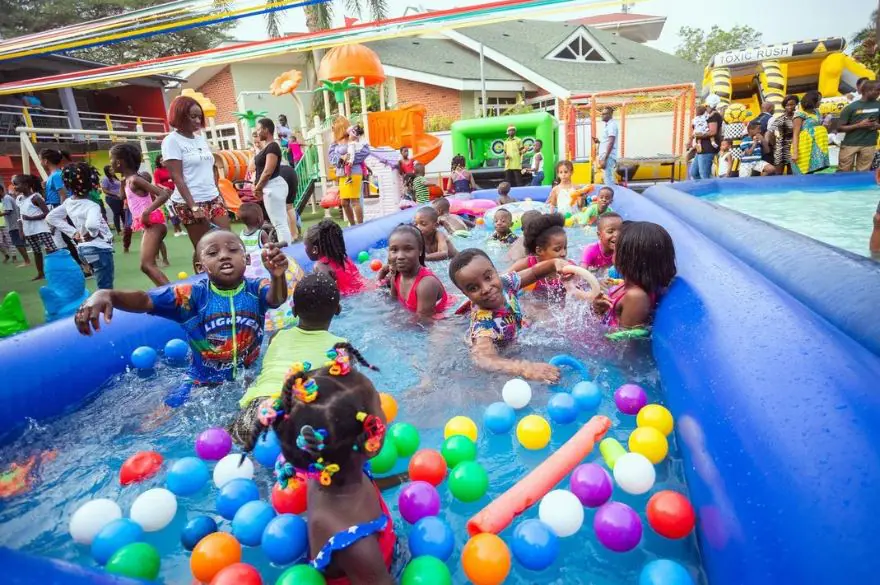
Entry is priced from GH¢30 per hour, making it an accessible option for families seeking a few hours of entertainment without committing to a full-day outing. Calabo operates on weekends and during school holidays, so families should plan their visits around those opening periods.

For visitors to Accra travelling with young children, Calabo offers a glimpse of the city’s family leisure scene. For local parents, it is a simple invitation to let the children run, race, laugh and play.

-

 Reels & Social Media Highlights2 days ago
Ghana’s Timeline Erupts: Showboy’s Crude Plea, Asantewaa’s Silence, and a Nation Divided
-

 Health & Wellness2 days ago
The Scale Can Lie: Why Lifting Weights May Help You Lose More Fat
-
 Festivals & Events1 day ago
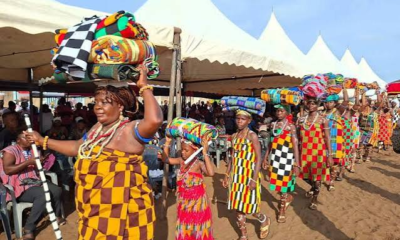
Velukusi Festival: Re-enacting the Ewe Escape to Freedom in Ve-Deme
-

 Taste GH1 day ago
Simple, Nourishing and Rooted in Tradition: Discover Ghana’s Kapala
-

 Fashion & Style2 days ago
Dressing for Your Shape: How Strategic Styling Can Transform Everyday Fashion
-

 Health & Wellness1 day ago
The Weight-Loss Plateau: How Daily Movement and Hidden Calories Can Matter