
Sights and Sounds
Above the Capital: Discovering Accra Through a Hot Air Balloon Adventure

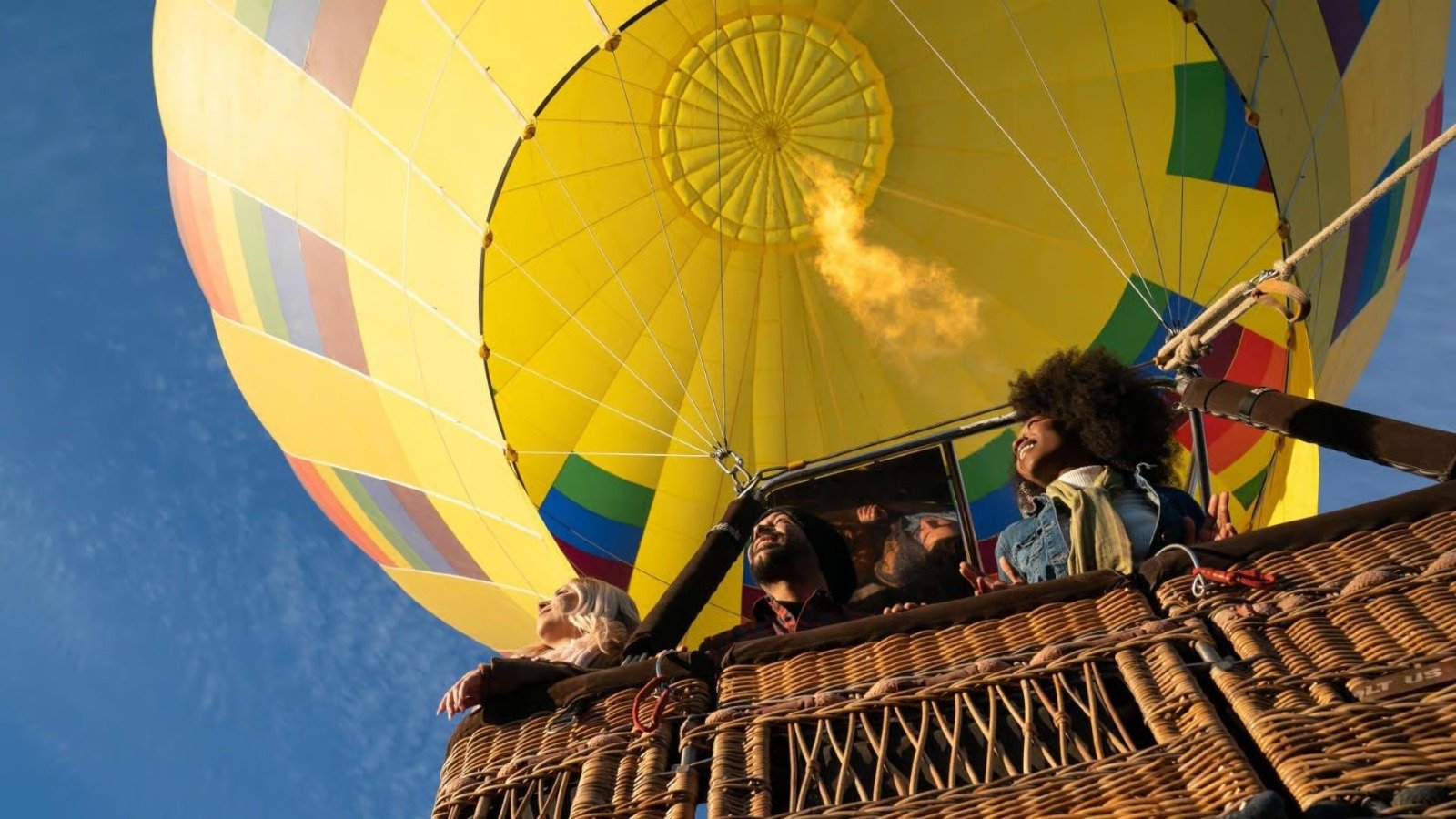
Cities reveal their true character from the ground, but they tell an entirely different story from the sky.
Imagine watching the first rays of sunlight wash over Accra’s coastline, the city’s skyline gradually coming to life, while a colourful hot air balloon drifts quietly above it all.
It is a perspective few people have experienced—one that could redefine how visitors discover Ghana’s bustling capital.
Known for its energetic markets, lively beaches, historic landmarks and thriving arts scene, Accra has long attracted travellers seeking authentic West African experiences. Yet most adventures unfold at street level.
A hot air balloon tour introduces a fresh dimension, replacing traffic noise with silence and transforming familiar neighbourhoods into a sweeping landscape of colour, architecture and coastline.
Unlike helicopters or sightseeing planes, hot air balloons move gently with the wind, creating a calm and immersive journey. There is no rush from one attraction to another.
Instead, passengers are encouraged to slow down and appreciate the city’s geography, from the Atlantic shoreline stretching into the distance to the mosaic of homes, business districts, and green spaces that define modern Accra.
The experience also highlights how tourism continues to evolve in Ghana. Travellers increasingly seek memorable activities rather than simply checking landmarks off an itinerary.
Experiences that combine adventure, photography, and storytelling have become particularly attractive to younger visitors and international tourists looking for something distinctive.
Viewed from above, Accra reveals striking contrasts. Contemporary developments stand alongside historic communities, while busy roads weave towards the coast where fishing traditions continue much as they have for generations.
This aerial perspective offers more than beautiful scenery; it tells the story of a city balancing rapid growth with enduring cultural identity.
For photographers and content creators, a balloon flight provides an unrivalled canvas. The changing light, expansive horizons, and uninterrupted views create opportunities to capture images rarely seen in travel brochures. Every journey becomes unique, shaped by weather conditions, the direction of the wind, and the time of day.
As Ghana works to strengthen its position as one of Africa’s leading tourism destinations, experiences like hot air balloon tours reflect a growing emphasis on experiential travel.
Visitors are no longer satisfied with simply seeing a destination—they want to feel connected to it in unexpected ways.
Floating above Accra offers precisely that connection. It invites travellers to pause, look beyond the city’s busy rhythm and appreciate its beauty from an entirely new perspective.
Sometimes the best way to understand a place is not by walking its streets, but by quietly rising above them.








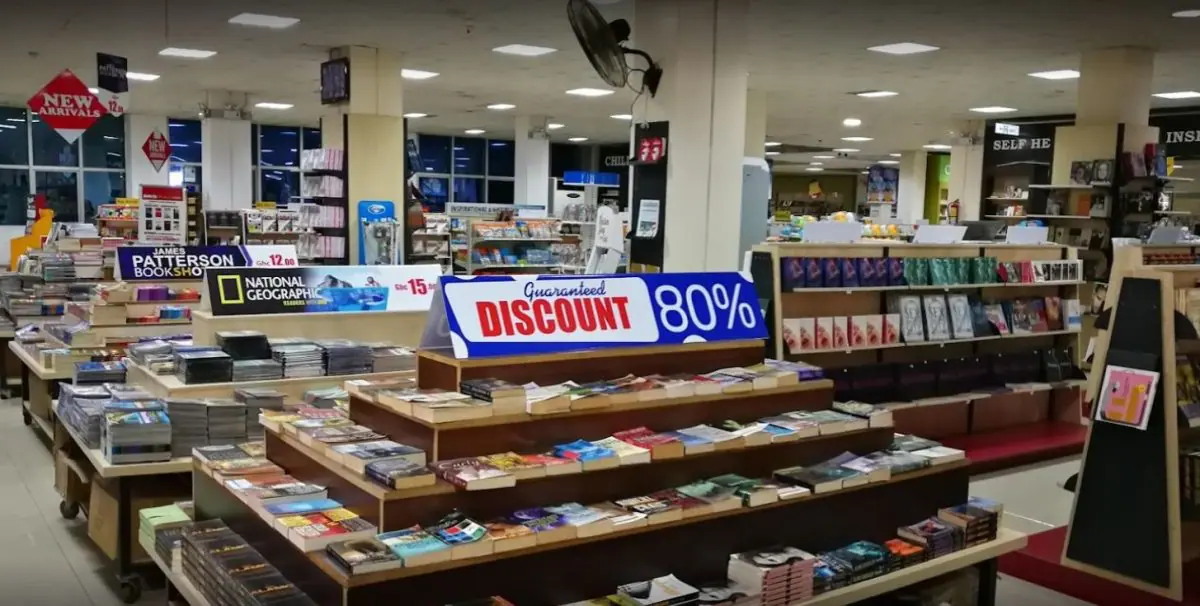
A child searching for their first picture book, a university student hunting for a prescribed textbook or a reader hoping to find their next favourite novel can all begin their search at the same place: EPP BookShop at Legon City Mall.
Located at 7 Lagoon Street, off Giffard Road, the Legon branch brings together books for different ages, interests and stages of learning.
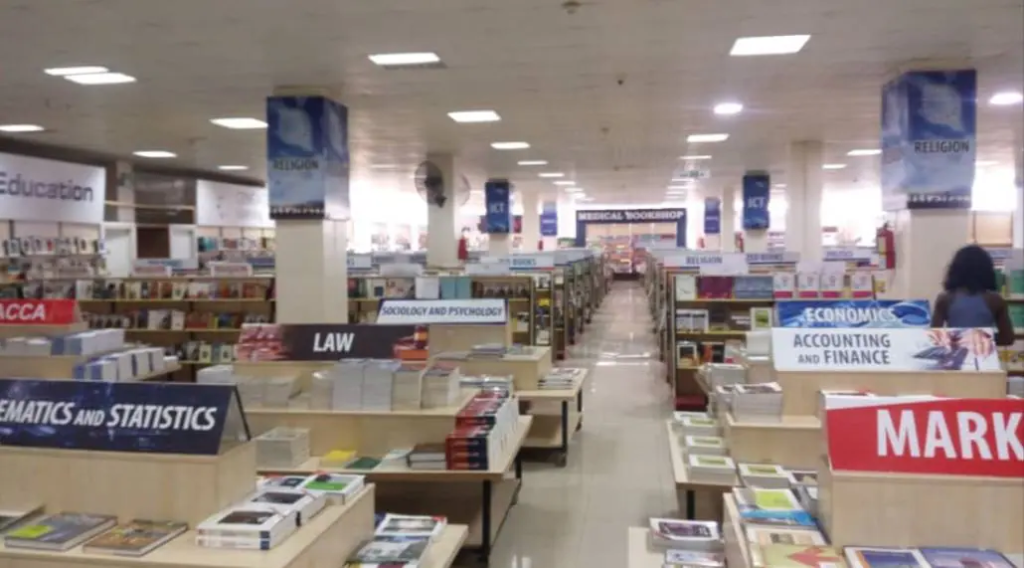
Its appeal lies in the range of titles available, making it a useful stop for families preparing children for school, students pursuing higher education and readers looking beyond the classroom.
From a Small Accra Shop to a Growing Book Business
EPP Books began in 1991 as a modest bookshop in Accra, occupying a space of no more than 20 square metres.
Over the years, it grew into a chain with branches across the West African sub-region, expanding its reach beyond its original location.
That journey reflects the continuing need for accessible books in homes, schools and educational institutions.
For many learners, textbooks and supplementary readers are essential tools, while novels and self-help books offer opportunities for entertainment, personal growth and discovery.
Books for Different Stages of Life
At the Legon branch, the selection spans preschool materials, children’s readers, school curriculum books, secondary-school textbooks and university-level titles. Customers can also browse bestselling novels and books on personal development.
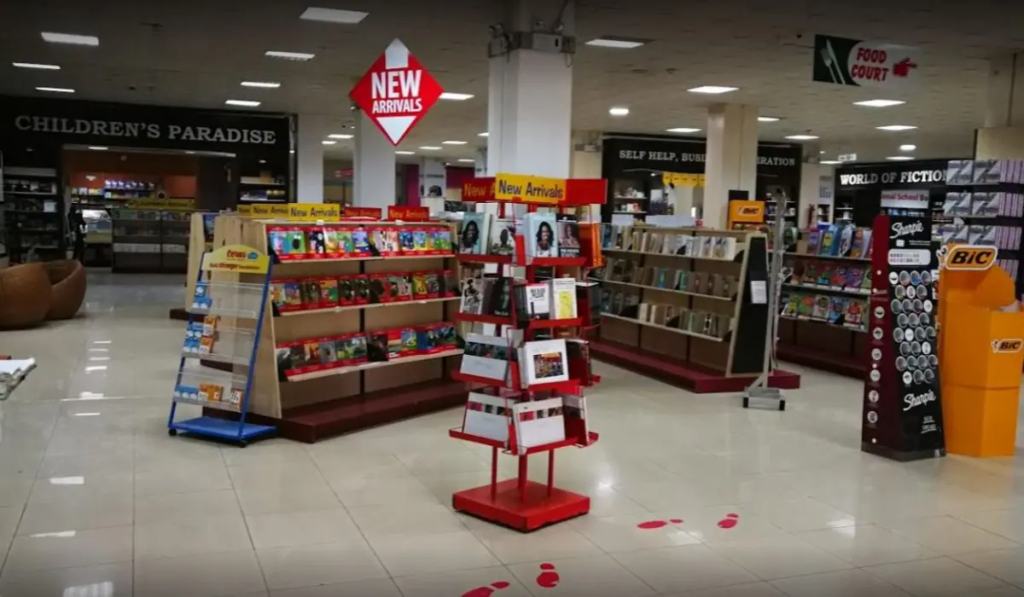
EPP BookShop serves both retail and wholesale customers, giving individual readers and organisations options for purchasing books. If a particular title is unavailable on the shelves, the shop can also arrange to order it.
For residents, students and visitors in the Legon area, the branch offers more than a place to buy reading materials. It provides a practical starting point for the search for knowledge, whether that begins with a child’s first schoolbook or a reader’s next literary adventure.

In a city where daily life can move at a relentless pace, finding a place to pause, unwind and feel refreshed can be a luxury in itself.
At Niobe Salon and Spa, located within Accra’s African Regent Hotel, beauty and relaxation come together in a contemporary setting designed to make personal care an enjoyable experience.
Niobe operates across five locations in Accra, Ghana’s bustling capital, with a philosophy built around the belief that cultivating a personal style should be rewarding, relaxing and fun. Its guiding idea, that “beauty is a feeling,” places the experience of self-care at the heart of its offering.
Facial Treatments for a Refreshed Look
At the African Regent Hotel branch, the treatment menu caters to guests seeking specialised skincare and facial care.
Options include Elemis facials, CACI lifting facials, Biotec Elemis facials, microdermabrasion and peel treatments, as well as Dr Murad facials.
These services offer visitors a range of choices, whether they are looking to refresh their complexion, explore targeted skincare treatments or set aside time for a personal wellness ritual.

The variety also makes the spa an appealing option for hotel guests and Accra residents looking to incorporate professional beauty care into their routines.
The hotel’s location adds to the appeal, offering a convenient setting for visitors who want to combine a beauty appointment with a stay or other activities in the city.
Making Time for Self-Care in Accra
Niobe Salon and Spa welcomes clients during the week and on Saturdays, with Sunday hours listed separately.
However, its published schedules contain some inconsistencies, so prospective visitors should confirm opening times before making a trip.
For travellers discovering Accra or residents seeking a dedicated beauty appointment, Niobe presents an opportunity to step away from everyday demands and make time for themselves.
At its African Regent Hotel location, the emphasis is on more than appearance: it is about making the experience of looking after oneself feel restorative, personal and rewarding.
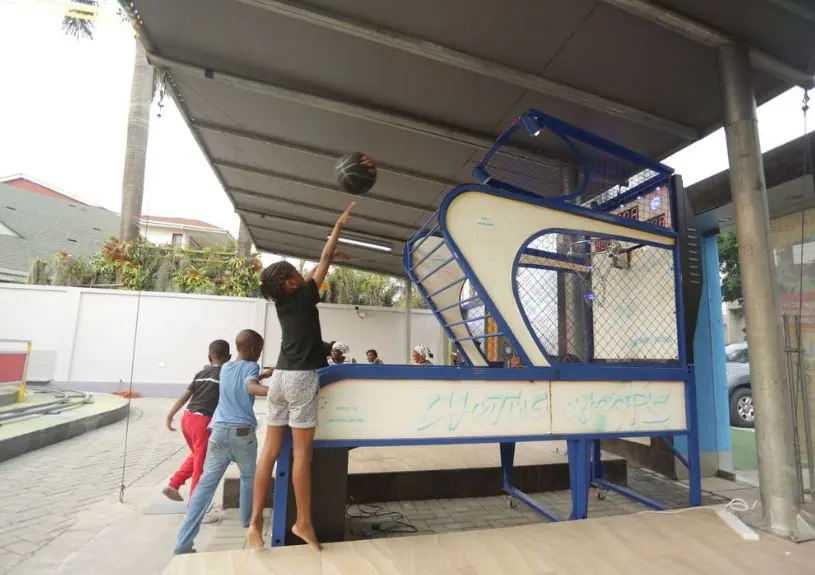
For children, a good weekend can be as simple as racing a friend, climbing onto a play structure or waiting excitedly for the next ride.
At Calabo Playground in East Legon, those small moments are at the heart of the experience.
Located on Mensah Wood Street, Calabo is a soft play and playground designed for children aged 3 to 10, giving families a dedicated space where young children can stay active, socialise and enjoy unstructured play in a secure environment.
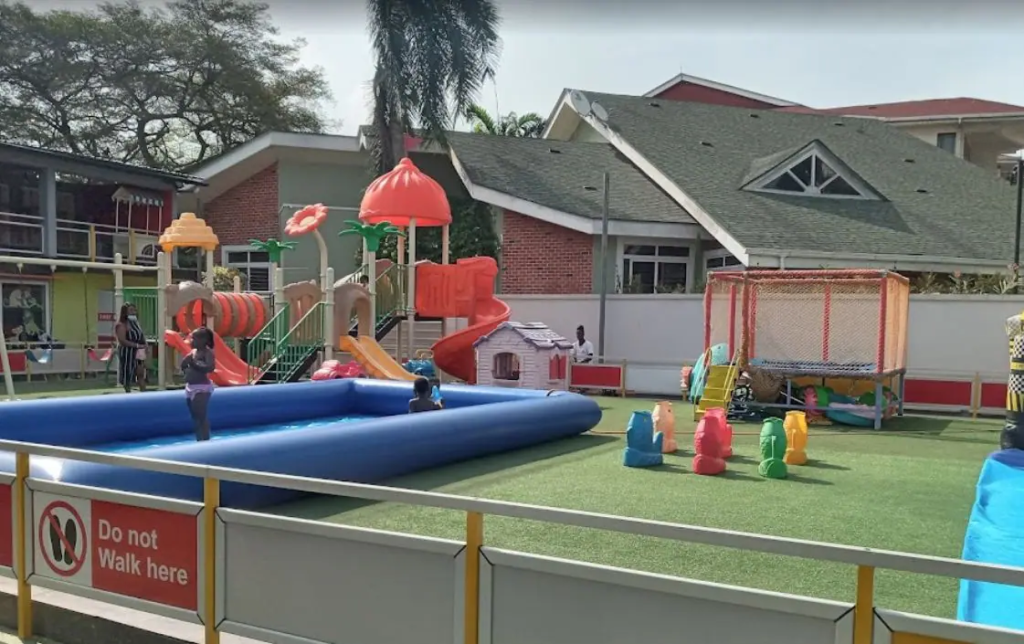
One of the attractions is the chance to climb into a canoe and race against friends—a playful competition that can quickly turn an ordinary afternoon into a hunt for bragging rights.
Children can also explore a range of indoor and outdoor equipment, with activities including a sliding pool and train rides.
The playground is particularly suited to Accra families looking for something different from spending weekends indoors. School holidays also bring an opportunity for children to spend more time playing, learning and interacting with others.
Beyond the equipment, Calabo offers a setting for children to build confidence and friendships through play. Parents can also organise parties, while homemade snacks add to the family-friendly experience.
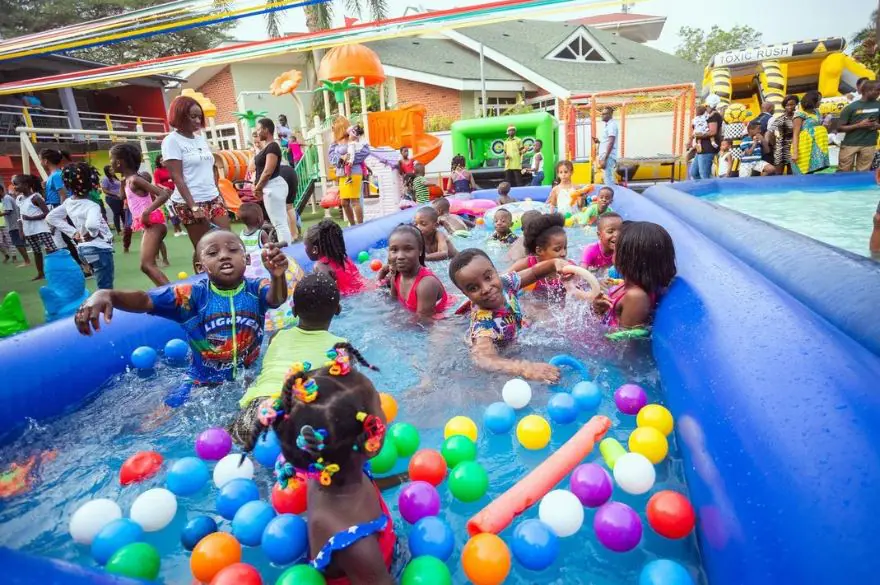
Entry is priced from GH¢30 per hour, making it an accessible option for families seeking a few hours of entertainment without committing to a full-day outing. Calabo operates on weekends and during school holidays, so families should plan their visits around those opening periods.

For visitors to Accra travelling with young children, Calabo offers a glimpse of the city’s family leisure scene. For local parents, it is a simple invitation to let the children run, race, laugh and play.


Dressing for Your Shape: How Strategic Styling Can Transform Everyday Fashion

The Scale Can Lie: Why Lifting Weights May Help You Lose More Fat

Ghana’s Timeline Erupts: Showboy’s Crude Plea, Asantewaa’s Silence, and a Nation Divided
-

 Ghana News18 hours ago
OBITUARY: Gamal Gorkeh Nkrumah, Son of Ghana’s Founding President, Dies in Cairo
-

 Festivals & Events2 days ago
LALID LIVE 2026: An Evening of Entertainment and Connection in Accra
-
 Sights and Sounds1 day ago
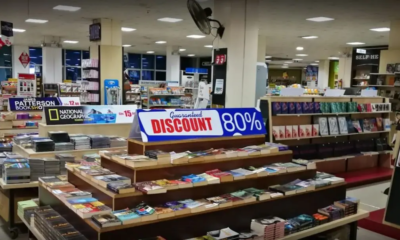
EPP BookShop at Legon: A Destination for Students, Families and Book Lovers
-
 Health & Wellness21 hours ago
Walking Is More Than Exercise: Small Steps That Can Transform Your Health
-

 Festivals & Events16 hours ago
MaddFest 2027: Welcome the New Year with a Night of Celebration in Accra
-
 Taste GH2 days ago
From Waakye to Fufu: How to Enjoy Ghanaian Food and Eat Well
-
 Homes & Real Estate1 day ago
Building Smarter in Ghana: Could Plastic Rebar Clips Improve Construction Efficiency?
-
 Arts and GH Heritage22 hours ago
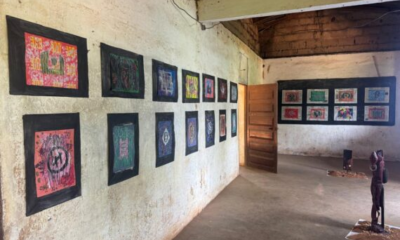
Inside Togo’s Abandoned Colonial Building, African Artists Reclaim Cultural Memory