
Health & Wellness
Why Eating More Can Sometimes Help You Lose Fat

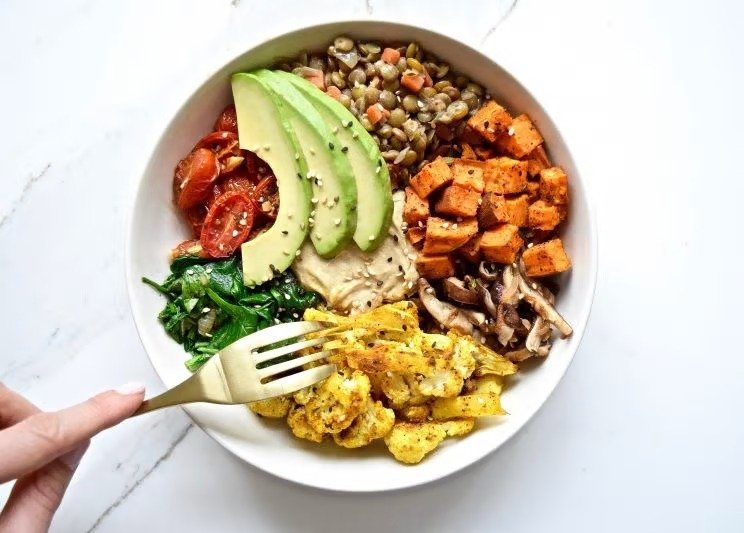
For years, the dominant message in weight loss has been simple: eat less. Many people assume that the path to a leaner body is to keep lowering calories until the scale finally moves.
But for some individuals—especially those who have dieted for a long time—eating less can actually make progress harder.
The human body is not a machine that runs indefinitely on minimal fuel. When food intake stays too low for too long, the body adapts in ways that slow down fat loss rather than accelerate it.
Understanding how metabolism responds to food intake can help explain why sometimes the answer is not eating less, but eating smarter.
Chronic Undereating Can Slow Your Metabolism
Think of the body like an engine. If it constantly receives too little fuel, it begins to conserve energy to survive.
When someone consistently eats very low calories—such as 1,200 calories per day for long periods—the body responds by slowing its metabolic processes.
Hormones adjust, energy expenditure drops, and the body becomes more efficient at using fewer calories. This adaptation is the body’s natural way of protecting itself during perceived food scarcity.
Over time, this can lead to fatigue, stalled weight loss, and intense frustration. Despite strict dieting, progress slows because the body has shifted into energy-conservation mode.
Low Calorie Can Lead to Muscle Loss
Another major downside of chronic undereating is the loss of lean muscle.
Muscle tissue requires energy to maintain. When calorie intake is too low—especially without sufficient protein or resistance training—the body may break down muscle for energy.
As muscle mass declines, metabolism slows even further, since muscle burns more calories than fat at rest.
This creates a difficult cycle. People eat less in an attempt to lose fat, but the loss of muscle reduces the number of calories their bodies burn each day. The result can be a plateau that feels impossible to break.
Fuel and Strength Training Help Rebuild the “Engine”
The solution for some people may involve gradually increasing calorie intake while prioritising strength training.
Adding more nutritious food back into the diet provides the body with the energy it needs to support muscle growth and recovery. Resistance training—such as lifting weights—stimulates muscle development, which in turn increases the body’s energy demands.
As lean muscle mass improves, the body becomes more efficient at burning calories throughout the day. In this context, higher calorie intake does not automatically lead to weight gain. Instead, those calories become fuel for training, muscle maintenance, and metabolic activity.
In other words, the body begins to use energy rather than store it.
A Balanced Approach to Nutrition
This does not mean that everyone should dramatically increase their calorie intake overnight. Individual energy needs vary widely depending on body size, activity level, and health goals.
However, for people stuck in a cycle of extremely low-calorie dieting, rebuilding a healthier relationship with food—and supporting the body with adequate nutrition—may be the step that finally moves progress forward.













Health & Wellness
How to Build the Perfect Protein Plate: Benefits, Practical Tips, and Expert Advice


Protein has become one of the most talked-about nutrients in wellness circles, and for good reason.
Beyond its traditional role in muscle building, protein is increasingly recognised as a daily health essential that supports hormone production, blood sugar stability, healthy aging, and overall metabolic function.
In a recent segment on the Today show, registered dietitian and best-selling author Rachael DeVaux broke down why protein should be viewed not just as a fitness nutrient but as a foundational part of everyday nutrition.
“It’s made with amino acids and helps with hormone production, blood sugar stability, healthy aging and, of course, muscle recovery and maintenance,” she explained.
DeVaux emphasised that protein becomes increasingly important with age, as the body naturally begins to lose muscle mass over time. Higher protein intake can help protect against this decline and support long-term strength and mobility.
How Much Protein Do You Need?
The USDA recommends adults consume between 0.54 and 0.73 grams of protein per pound of body weight. For a 150-pound person, that translates to roughly 81 to 110 grams per day. However, DeVaux suggests aiming a bit higher — around 0.8 to 1.0 grams per pound — depending on age, activity level, and personal goals.

She recommends “front-loading” protein by starting the day with 30 to 40 grams. This approach helps stabilise blood sugar, reduce mid-morning cravings, and set a positive tone for the rest of the day’s eating.
Practical Ways to Hit Your Protein Goals
DeVaux shared several simple, realistic strategies:
- Breakfast Power Move: Prepare make-ahead breakfast sandwiches with eggs, chicken sausage, and cheese for around 32 grams of protein per serving. These can be wrapped and frozen for busy mornings.
- Smart Swaps: Cook rice or other grains in bone broth instead of water to add an extra 5 grams of protein per serving while enhancing flavour.
- Convenient Snacks: Air-fried chickpeas deliver 11 grams of protein per serving and make an easy, crunchy snack. Protein powders can also be a helpful tool when whole-food sources are limited, but she advises choosing clean options with minimal ingredients, no artificial sweeteners, and third-party testing for purity.
DeVaux stressed that while protein powders are convenient, the bulk of daily intake should come from whole, minimally processed foods.
The Bottom Line
Whether your goal is muscle maintenance, better blood sugar control, healthy aging, or simply feeling more energised throughout the day, prioritising protein at every meal can deliver meaningful benefits. Starting the day strong with 30–40 grams and spreading intake evenly appears to be an effective strategy for most people.
As protein continues to dominate wellness conversations, experts agree: it’s not just about building muscle — it’s about supporting overall health from the inside out.
Health & Wellness
The Muscle Clock: What Happens to Your Body After 30—and Why Lifting Weights Matters

“You’ve been losing about one percent of your muscle every year since you turned thirty if you’re not lifting weights.”
It sounds like a warning, but it is really a wake-up call.
Many people still think of strength training as something reserved for athletes or bodybuilders. In reality, it might be one of the most important habits anyone can develop—especially after the age of 40.
The gradual loss of muscle mass, known in the fitness world as age-related muscle decline, quietly begins long before most people notice it.
By the time someone reaches their 50s, the difference in strength and mobility can be significant.
Yet examples of people staying powerful and energetic well into midlife continue to shift the conversation about aging and fitness.
When people talk about celebrities who appear remarkably fit in their 50s, the conversation often focuses on appearance.
But behind the visible results is something far more practical: consistent resistance training.
Muscle is not just about looking toned. It acts like a metabolic engine for the body. Strong muscles support joints, improve balance, and make everyday activities—from climbing stairs to carrying groceries—easier.
For older adults, maintaining muscle can mean the difference between independence and physical struggle later in life.
What surprises many beginners is how little time is actually needed to start seeing results. Fitness coaches often recommend a simple routine: about 30 minutes of resistance training three times a week.
That might include squats, push-ups, or lifting moderate to heavy weights with proper form. The key principle is progressive overload—gradually increasing the challenge so the muscles adapt and grow stronger.
Across cities like Accra, Kumasi, and Takoradi, more people are discovering that gyms are no longer just spaces for young athletes.
Early morning sessions now include professionals before work, parents squeezing in a workout after school drop-offs, and older adults determined to stay active.
The benefits go beyond physical strength. Research increasingly links higher muscle mass with improved long-term health. Some studies suggest that people with above-average muscle levels may experience significantly lower risks of early death from various causes.
That statistic alone has encouraged many doctors and health experts to advocate for resistance training as part of regular wellness routines.
Still, the biggest challenge is not knowledge—it is consistency. Life fills up quickly with work, family responsibilities, and countless distractions.
Yet many people who successfully maintain fitness into their 50s and 60s share a similar approach: they simply show up. Week after week.
Not everyone will end up with the physique of a celebrity, and that was never the real goal anyway. The deeper reward is something far more valuable—strength that supports a longer, healthier, and more active life.
Sometimes the most powerful change begins with something simple: picking up a weight and refusing to put your health on pause.

Your first drink of the day can quietly shape how your body feels for the next several hours. Around the world, many traditional wellness routines begin not with coffee, but with simple infused waters made from seeds, spices, and natural fats.
These morning blends are valued for their ability to gently wake up digestion, soothe irritation, and support metabolic health.
While they’re not miracle solutions, these drinks can be a simple way to start your day with intention. Here are three morning infusion habits that people across different cultures use to support everyday health.
A Gentle Detox With Coriander Seed Water
Coriander seeds are a staple in kitchens from West Africa to South Asia, but they also have a long history in traditional wellness practices. One simple remedy involves boiling a small amount of coriander seeds in water and drinking the strained liquid first thing in the morning.
This warm infusion is believed to help flush out unwanted bacteria from the body and support urinary health, making it popular among people who experience frequent urinary tract infections. Coriander seeds also contain plant compounds that may help stimulate digestion and metabolic processes.
Drinking the infusion on an empty stomach allows the body to absorb its natural compounds before other foods are introduced. While it shouldn’t replace medical treatment, coriander seed water can be a gentle addition to a healthy morning routine.
Cooling the Stomach With Soaked Sabja Seeds
For people who wake up with acid reflux, burning sensations, or stomach irritation, sabja seeds—often called basil seeds—may provide relief.
When soaked in water, these tiny black seeds expand dramatically, forming a jelly-like coating that can hold many times their weight in liquid. This gel helps retain moisture in the stomach and may help calm irritation in the digestive tract.
Many people find that consuming soaked sabja seeds helps reduce acidity and creates a cooling sensation in the stomach. A teaspoon soaked overnight in water usually produces the soft, gel-like texture needed for easy consumption the next morning.
Because of their hydration properties, sabja seeds are also commonly used in warm climates to help the body stay cool.
Spice Infusions That Wake Up Digestion
If bloating, gas, or sluggish digestion is a frequent problem, warming spices may help kickstart your digestive system early in the day.
One popular combination is the trio of cumin, coriander, and fennel seeds—often referred to as CCF tea. Lightly boiling these seeds in water releases compounds that may stimulate digestive enzymes, helping the body process food more efficiently throughout the day. The infusion is typically strained and sipped warm, while the softened seeds can be chewed afterward.
Another metabolism-supporting option is warm water infused with grated ginger, lemon, and a clove. Ginger is widely known for its ability to stimulate digestion, while lemon adds freshness and may encourage digestive juices to flow.
Together, these ingredients create a warming drink that can help the body shift out of sleep mode and into active digestion.
Small Rituals, Lasting Benefits
Morning infused waters are simple, affordable, and easy to prepare—yet they can play a meaningful role in building healthier habits. Whether it’s coriander seed water for gentle cleansing, sabja seeds for soothing acidity, or spice infusions to wake up digestion, these drinks offer a natural way to support the body at the start of the day.
The key is consistency. A small daily ritual can often deliver the biggest long-term benefits.


How 81 Controversial Road Contracts Are Threatening to Dim Mahama’s Second-Term Goodwill

Church Building Collapse Claims 3 Lives, Sole-Sourced Contracts Dims Mahama’s 2nd Term Goodwill, and Other Big Stories in Ghana Today

Newspaper Headlines Today: Monday, March 30, 2026
-

 Ghana News2 days ago
Ghana Has Six Weeks of Petroleum Reserves as Middle East Conflict Rattles Global Oil Prices
-

 Ghana News16 hours ago
Ghana Prepares for Nationwide Biometric SIM Re-Registration: What You Need to Know
-

 Ghana News2 days ago
ECG Metering and Billing Soon to be Handled by Private Concessionaires
-

 Ghana News22 hours ago
Catholic Bishops Back President Mahama on LGBTQ+, Call for Swift Passage of Anti-Gay Bill
-

 Ghana News2 days ago
EU Clarifies Abstention on Ghana’s Slavery Resolution: “It Does’nt Mean Don’t Support the Moral Underpinnings”
-

 Ghana News2 days ago
Content Creator Priscilla Ansong Arrested, Otumfuo Urges Timely Completion of KNUST Hospital and Other Big Stories in Ghana Today
-

 Ghana News22 hours ago
Power Cuts to Hit Several Accra Communities from April 8 to 17
-

 Ghana News17 hours ago
Meet Zaina Adamu: Political Communications Strategist Ranked Among 40 Most influential People of African Descent