
Festivals & Events
When Accra Meets Dubai: Why the Hottest Real Estate Ticket This March Isn’t a Flight Ticket
The city is buzzing with a new kind of energy that has little to do with the usual traffic on the Spintex Road and everything to do with ambition.


There is a certain electricity in the air in Accra right now. The city is buzzing with a new kind of energy that has little to do with the usual traffic on the Spintex Road and everything to do with ambition. We are witnessing a shift. For years, the conversation about global real estate investment felt like a one-way street. To get in on the action, you had to get on a plane.
That changes this month.
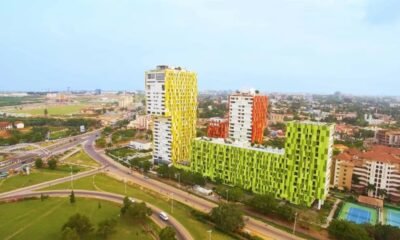
From the 24th to the 26th of March, 2026, Nationwide Africa Properties Ltd is transforming the Pelican Hotel in Cantonments into a bridge between two of the most dynamic real estate markets in the world: Ghana and the UAE. This isn’t just another property exhibition with glossy brochures and polite smiles. It is a curated experience designed for the visionary investor—whether you are a native of this soil or a tourist who fell in love with the warmth of Accra and is now considering putting down roots here.
Why This Synergy Matters Now
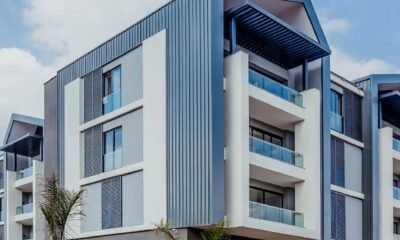
If you have been watching the landscape, you know that Ghana’s housing story is one of immense potential. The demand for quality housing continues to outstrip supply, creating a unique window for smart capital. We are seeing a pivot towards vertical living and luxury finishes in areas like Airport West and Cantonments, signaling a maturity in what the market offers and what buyers expect. This is no longer just about finding a roof over your head; it is about securing a legacy asset in a country that is rapidly urbanizing.
Simultaneously, Dubai continues to prove it is not just a city of glittering towers, but a landscape of high-yield opportunity. With a regulatory environment that welcomes international investors and a focus on off-plan innovations and logistics hubs, the UAE remains a fortress for those looking to diversify their portfolios.
Bringing these two worlds together under one roof in Accra isn’t just convenient; it’s strategic. It acknowledges that the modern investor thinks globally but acts locally.
Three Days, Two Markets, One Future
So, why should you walk through those doors at the Pelican Hotel?
For the Native Ghanaian: This is your chance to play on an international field without leaving home. For too long, investing in Dubai felt like a distant dream reserved for those with insider knowledge. At this event, the distance collapses. You get face-to-face access to industry leaders who understand the UAE market inside and out. Whether you are looking for capital appreciation in emerging Dubai corridors or want to understand how to leverage off-plan purchases, the expertise is coming to you .
For the Tourist and Diaspora Visitor: You came to Ghana for the experience, the culture, the rhythm. But imagine leaving with more than just memories. Imagine securing a piece of the continent’s rise. Accra is becoming a hospitality and business hub, with luxury hotel brands setting up shop and a growing class of corporate tenants looking for premium living spaces. A property here, purchased during this event, isn’t just a vacation home; it is a high-ROI asset in a city on the move.
More Than Bricks and Mortar
What excites me most about this event is the subtext. It speaks to the growing confidence in the Ghanaian economy and its connection to global financial hubs like Dubai. The recent $1 billion investment deal between Ghana and the UAE signaled to the world that we are open for serious business. This event at the Pelican Hotel is the tangible next step—a chance for you, the individual investor, to participate in that macro-economic story.
We are talking about premium properties that redefine modern living. We are talking about connecting with leaders who don’t just sell houses, but build communities.
The future of real estate is borderless. You don’t need to choose between the vibrant pulse of Accra and the futuristic vision of Dubai. At this event, you get to claim your stake in both.
Save the dates. Bring your questions. Bring your vision. Let’s meet at the intersection of Ghanaian warmth and Emirati ambition.
We look forward to welcoming you to the Pelican Hotel.











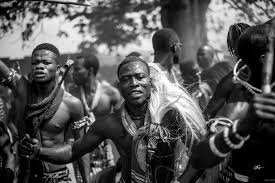
As the harsh harmattan winds of the north begin to soften and the cracked earth of the Upper East Region thirsts for relief, a transformation takes place in the hills of Tengzug.
While much of the world is caught in the frantic pace of the modern spring, the Talensi people are stepping back into a rhythm as old as the rocks themselves.
Throughout March 2026, the Gologo Festival (often called the Golib) serves as a profound spiritual negotiation between humanity and the divine for the survival of the coming year.
The Divine Regulator of the Harvest
To understand Gologo, you must understand the relationship the Talensi have with their land. This isn’t just a party; it is a vital agricultural necessity. The festival is centered around the Nnoo Shrine and the Golib god, the deity believed to hold the keys to the heavens.
In a region where the success of the early millet crop determines the well-being of every household, the stakes are high.
From March 1 to March 31, the air in the Tengzug hills is thick with the scent of traditional brews and the smoke of sacred sacrifices.
The chiefs and elders lead the community in seeking protection from the earthly gods, ensuring that when the seeds finally hit the soil, the rains will follow in abundance.
Read Also: The Sacred Weight of the President’s Sword
A Sensory Journey for the Global Soul
If you are a tourist venturing into Ghana this March, the Gologo Festival offers an experience that defies the typical “safari and beach” itinerary.
Tengzug is famous for its unique architecture and its incredible rock formations, which are integrated into the very homes of the people.
During the festival, these rocks become the stage for mesmerizing dances and rhythmic chanting that vibrate through your chest.
Participating in Gologo means stepping into a living museum. You aren’t just a spectator; you are a witness to a community reinforcing its identity.
You’ll see the traditional attire—richly woven smocks and intricate beadwork—and hear the distinct sounds of the Talensi flutes that signal the transition from the dry season to the life-giving rains.
For the native Ghanaian, Gologo is a powerful reminder of our indigenous resilience. In an era of climate uncertainty, there is something deeply grounding about watching a community come together to honor the earth.
It is a time to strip away the complexities of city life in Accra or Kumasi and reconnect with the foundational belief that we are stewards of the land, dependent on the grace of the ancestors and the environment.
Why You Can’t Miss the 5:00 PM Finale on March 31
The month-long celebration builds toward a crescendo that balances solemnity with communal joy.
By the time the festival officially concludes at 5:00 pm on March 31, the spiritual “green light” has been given for the sowing of the early millet.
To be present during these final hours is to feel a collective sigh of relief and hope. It is the moment when the community shifts from petition to preparation, ready to face the planting season with the backing of the Golib god.
Recommendation
If you make the trip to the Upper East Region, stay in Zuarungu or Bolgatanga and hire a local guide who understands the nuances of Talensi customs.
To truly appreciate the heritage, visit the Tongo Whistling Rocks, where the wind through the stones creates a haunting melody that many locals believe is the voice of the spirits themselves.
Pack light, stay hydrated, and bring an open heart; the dust of Tengzug will wash off, but the memories of the Gologo songs will stay with you forever.

If you think a festival is just about the drumming and the dancing, you’ve clearly never been to Techiman during Apoɔ.
Imagine a place where, for a few weeks, the social hierarchy dissolves, and you are legally and spiritually permitted to tell your boss, your neighbor, or even the highest King exactly what you think of them—without fear of retribution.
This isn’t a modern social media “call-out” culture; it is a sacred, ancient Bono tradition of psychological and spiritual purging that has kept this community vibrant for centuries.
From March 7 to April 5, 2026, the Techiman Traditional Council invites the world to witness this extraordinary spectacle under the theme: “Showcasing our heritage and uniting for ancestral blessings.”
The Art of “Rejecting” Evil
The word Apoɔ comes from the Bono root “po,” which literally means to reject. Historically, the festival emerged as a response to the authoritarian rule of past leaders. The people needed a vent for their frustrations, so they consulted the gods, who sanctioned a period where grievances could be aired through proverbs, songs, and lampoons.
Today, this “rejection” isn’t just about politics; it’s a massive spiritual cleanup. Before the main events, you’ll see priests performing Hyiretuo (spiritual cleansing) and women gathering white clay from the Aponkosu River to decorate shrines. It is a time when the “dirty” air of grudges and social evils is cleared to make room for fresh ancestral blessings.
Why You Must Be in Techiman This Year
For the global traveler, Apoɔ is a masterclass in indigenous democracy. Watching the Akokobonee (early morning songs) or the flamboyant processions where participants smear themselves in charcoal and clay is a sensory overload in the best way possible. It is one of the few places on earth where you can see ancient African conflict resolution in its rawest, most artistic form.
For the native Ghanaian, especially those in the diaspora, this is a homecoming with a purpose. After the disruptions of the past few years, the 2026 festival is a pivotal moment for “uniting for ancestral blessings.” It is about settling family feuds, reconnecting with the Bono-Manso roots, and standing in the presence of the Omanhene as he pours libation to the ancestors who founded one of the earliest Akan states.
What to Expect
As the festival climaxes toward the final 5:00 pm curtain call on April 5, expect the town of Techiman to be a kaleidoscope of color. You will witness:
- The Apoɔ Procession: A rhythmic, satirical parade where “insults” are turned into high art.
- Ancestral Rites: Solemn visits to the royal cemetery to bridge the gap between the living and the dead.
- The Great Friday: The peak of the celebrations, where the unity of the Bono people is most palpable.
Recommendation
If you are planning to attend, book your accommodation in the Bono East Region early. Beyond the festival grounds, take a day trip to the nearby Boabeng-Fiema Monkey Sanctuary or the Fuller Falls.
To truly “humanize” your experience, don’t just watch from the sidelines—learn a few Bono proverbs and join the singing. There is no better way to feel the pulse of Ghana than by participating in the “rejection” of the old to welcome the new.
Fashion & Style
The Global Runway Awaits: Inside the British Council’s 16-Week Blueprint for Ghana’s Creative Future

In the heart of Accra’s buzzing fashion districts—from the tailors of Osu to the high-end ateliers in East Legon—there has never been a shortage of “vibes.”
Ghanaian designers possess a unique, innate ability to weave heritage into every seam. Yet, for many early-stage brands, the path from a stunning runway collection to a sustainable, bankable business remains a complex puzzle.
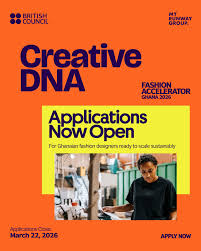
Enter Creative DNA, a 16-week accelerator program that is finally bridging the gap between raw creative talent and commercial dominance.
A collaboration between the British Council Ghana and MyRunwayGroup, this initiative is the first of its kind in the country, specifically engineered to turn “one-man-show” fashion brands into globally competitive enterprises.
More Than Just a Runway
While the fashion world often fixates on the final walk, Creative DNA focuses on the “DNA” of the business itself. The program isn’t looking for perfection; it’s looking for potential. For 16 intensive weeks, selected participants will transform through:
- Business Mastery: Moving away from unstructured operations toward scalable growth strategies.
- Direct Mentorship: Gaining a seat at the table with industry titans who have already navigated the global market.
- Market Pipelines: Opening doors to international audiences, effectively shattering the “saturated market” myth by connecting local brands to the UK and beyond.
The £15,000 Catalyst
One of the most significant barriers for Ghanaian designers has always been capital. Creative DNA addresses this head-on with a £15,000 grant pot.
This isn’t just a handout; it is a strategic injection of funds designed to help designers refine their production, improve quality control, and prepare for the rigors of international trade.
It is the fuel intended to take a brand from a local workshop to a global digital storefront.
Don’t Wait for the Next Season
The fashion industry moves at lightning speed, and opportunities like this are the “limited edition” drops of the business world. Whether you are an emerging designer or a brand looking to scale, the structure and visibility offered here are the missing threads in your success story.
The clock is ticking. Applications are currently open but will close on March 22, 2026. If you’re ready to trade the struggle for strategy, visit www.myrunwaygroup.com or head over to the Instagram pages of My Runway Group and British Council Ghana to secure your spot.


The Taste of the Sidewalk: Chasing Ghana’s Perfect Bite of Ghana’s Kofi Broke Man

The Night They Banned the Song: How a Highlife Guitar Felled a General and Renamed an Airport

5 Realistic Guide to Weight Loss on Ghanaian Foods
-

 Ghana News2 days ago
Newspaper Headlines Today: Wednesday, March 18, 2026
-

 Ghana News2 days ago
UK Engages Ghana on Counterterrorism and Maritime Security
-
Ghana News23 hours ago
Newspaper Headlines Today: Thursday, March 19, 2026
-

 Ghana News2 days ago
Two Scrap Dealers Lynched, Video of Mahama’s Reaction After Atta Mills’ Death Resurfaces and Other Trending Issues Today (March 18, 2026)
-

 Ghana News23 hours ago
New Video Captures Victims Piloting Microlight Before Fatal Crash, Dormaahene Breaks Down in Tears and Other Trending Issues Today (March 19, 2026)
-
 Ghana News2 days ago
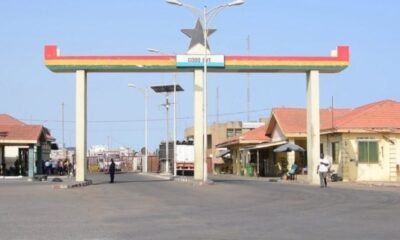
Germany Hands Over Four Operational Shelters to Ghana Immigration Service at Aflao Border
-

 Ghana News22 hours ago
Ghana to Table Landmark UN Resolution on Slave Trade in September
-

 Ghana News22 hours ago
54 Ghanaian Soldiers Return Home After Successful Hurricane Relief Mission in Jamaica