
Health & Wellness
The Overlooked Back Muscles That Shape Strength and Posture

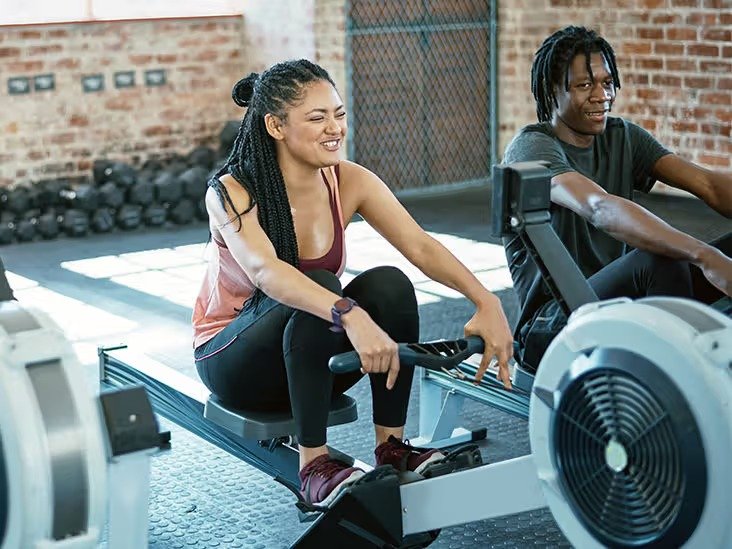
For many gym-goers, fitness often revolves around visible muscles — bigger arms, flatter stomachs, sculpted legs.
Meanwhile, one of the body’s hardest-working muscle groups quietly gets ignored until pain, poor posture, or weakness forces attention: the lats.
The latissimus dorsi, commonly called the lats, are the large muscles stretching across the upper back.
They help people pull, lift, climb, breathe deeply, and stabilize the shoulders. Yet outside serious fitness circles, few people actively train them. H
ealth experts say that may be one reason why so many adults struggle with back tension, shoulder discomfort, and posture problems linked to long hours of sitting and screen time.
The Muscles Modern Life Is Weakening
Across cities like Accra, daily life increasingly happens in chairs — office desks, traffic, sofas, and screens. Over time, inactive back muscles weaken while shoulders roll forward and neck strain increases. The result often appears as stiffness, fatigue, or persistent aches people dismiss as ordinary stress.
Strong lats help counter that pattern by supporting the spine and shoulders during everyday movement.
They also assist with pulling motions, whether carrying shopping bags, lifting children, moving furniture, or even climbing stairs while holding heavy loads.
Fitness trainers say strengthening the back is not only about aesthetics. It improves posture, balance, mobility, and overall functional strength.
Three exercises continue to stand out for building healthier back muscles: lat pulldowns, pull-ups, and rows. Pull-ups remain one of the most effective upper-body exercises because they engage multiple muscle groups at once.
Rows help improve posture and shoulder stability, while lat pulldowns offer a beginner-friendly option for people building strength gradually.
Strength Beyond Appearance
What makes lat training particularly valuable is how it supports the rest of the body. Strong back muscles reduce strain on smaller muscles in the shoulders, neck, and arms. They also improve performance in sports, manual work, and everyday physical activity.
Fitness coaches increasingly encourage people — especially beginners — to focus less on lifting heavy weights and more on controlled movement and proper form.
Swinging weights or rushing repetitions often place unnecessary pressure on joints rather than strengthening muscles effectively.
Building a Stronger Body From the Back Forward
There is something symbolic about training the muscles people rarely see. The lats work quietly in the background, supporting movement, posture, and endurance long before anyone notices them in the mirror.
In many ways, good health works the same way. The strongest foundations are often the ones hidden beneath the surface — built slowly, consistently, and with intention.


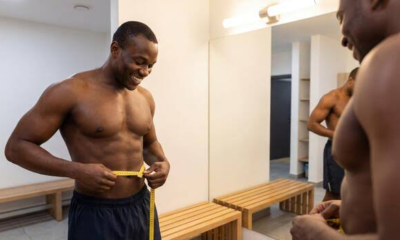







The person who loses the most weight is not always the person who loses the most fat. That surprising distinction could change how you approach your next weight-loss journey.
When the number on the bathroom scale refuses to drop quickly, your workouts may be working better than you think.
Why Strength Training Changes the Picture
A study described in the research behind this debate compared people following a calorie-restricted diet while doing resistance training, cardio or dieting alone. Its reported findings suggest that people who lifted weights lost more fat while preserving, and sometimes gaining, lean mass.
The reason is important. Your body weight includes fat, muscle, water and other tissues. When you lose weight through dieting alone, some of that loss can come from muscle.
Cardio can support fat loss and improve heart health, but without resistance exercise, preserving muscle may be more difficult during a calorie deficit.
Strength training gives your body a reason to retain muscle while using stored fat for energy. Because muscle contributes to your shape, strength and everyday function, the results may show up in your waist measurement, clothing fit and physical ability before the scale tells the full story.
Making It Work in Everyday Life
You do not need an expensive gym membership to begin. Squats, wall push-ups, resistance bands and lifting household weights can provide a starting point.
Gradually increase the challenge as your strength improves, and include protein-rich foods such as eggs, beans, fish and yoghurt to support muscle maintenance.
Walking, cycling and other cardio activities remain valuable, too. Combining them with strength training and a sustainable eating pattern can support both fat loss and overall health.
The lesson is not to abandon your bathroom scale, but to stop treating it as the only judge of progress.
Measure your waist, notice how your clothes fit and celebrate getting stronger. Lasting progress is about improving your body composition, not simply becoming lighter.
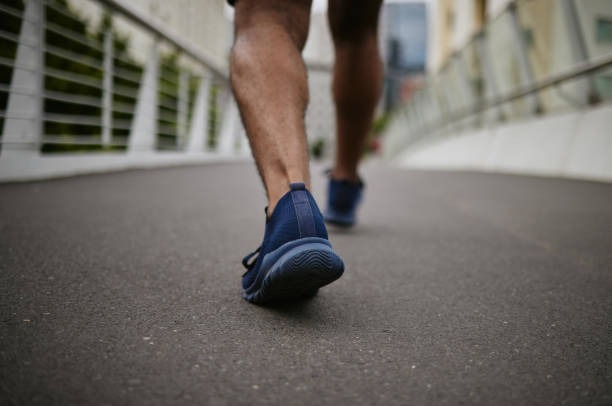
Walking is often treated as the workout you do when you have no time for the gym.
But that daily stroll to the bus stop, a lunchtime walk or an evening lap around your neighbourhood could be doing far more for your health than you realise.
What Happens When You Walk?
Your body begins responding almost immediately. Working muscles draw glucose from the bloodstream for energy, helping regulate blood sugar.
Regular movement can also lift your mood, ease stress and support better sleep.
Walking benefits more than your muscles. Physical activity supports immune function and brain health, while consistent exercise can help maintain memory and thinking skills as you age.

These benefits build over time, making a regular walking habit valuable even when each individual walk feels unremarkable.
For people who spend long hours sitting at a desk, driving or working from home, walking offers a practical way to interrupt sedentary routines.
In Ghana, it might mean taking a brisk walk before work, getting off public transport a stop earlier where safe, or moving around the neighbourhood after dinner.
Can Walking Help Reduce Belly Fat?
Walking can contribute to weight management, including reductions in abdominal fat, but results vary.
Changes depend on factors such as pace, consistency, diet, sleep and individual health. It is not a guaranteed way to lose a specific amount of fat without changing eating habits.
Over time, regular walking can improve cardiovascular fitness and help lower the risk of conditions such as type 2 diabetes and heart disease.
Start Small and Keep Going
A useful goal for many adults is around 6,000 to 7,000 steps a day, adjusted to personal ability. Alternatively, aim for about 30 minutes of brisk walking and gradually build towards 50 minutes on most days.
You do not need to begin with a perfect routine. Start where you are, choose a safe route and keep showing up.
The real power of walking is not one long session; it is the many small journeys that become part of your life.
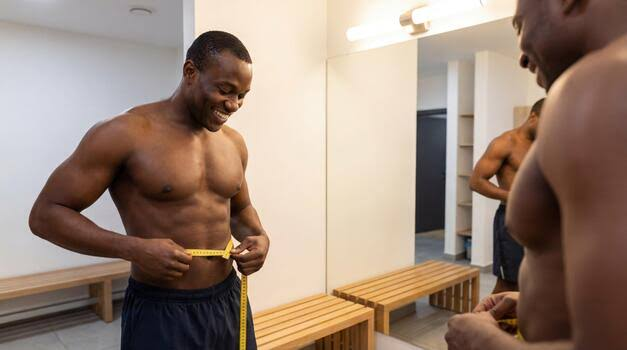
Losing weight does not have to mean turning your life upside down overnight. In fact, one of the smartest approaches may be to reverse the process that caused the weight gain in the first place: gradually, one habit at a time.
Small Habits, Lasting Change
Weight gain often happens quietly. A little less walking, an extra snack after work, larger portions at dinner or sugary drinks becoming a daily routine can add up over months and years.
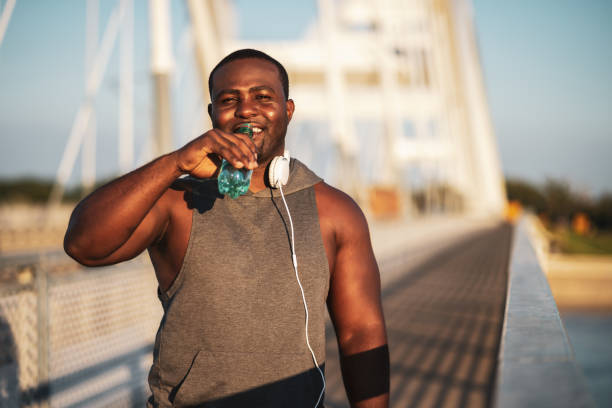
Because these changes accumulate gradually, expecting the weight to disappear in a few weeks can set people up for frustration.
A more sustainable approach is to make manageable adjustments and repeat them consistently.
Someone in Accra who usually takes a taxi for short journeys might walk part of the way. Another person could swap a sugary drink for water more often, reduce oversized portions or add vegetables and protein to meals.
None of these changes seems dramatic on its own. Together, however, they can help create the consistent habits that support weight management.
Progress Beyond the Scale
Slow weight loss is not simply about eating less. Preserving muscle, staying active and getting enough sleep all matter.
Strength training, regular walking and balanced meals can support health while someone works towards a weight goal.
Crash diets and punishing exercise routines may promise rapid results, but they can be difficult to maintain.
Restrictive eating may also leave people tired, hungry and more likely to return to old habits. A gradual approach gives them time to discover routines that fit their work, family responsibilities, budget and food culture.
Make Change Repeatable
The goal is not perfection every day. It is building a pattern that can survive busy weeks, celebrations and occasional setbacks.
Weight gained little by little rarely needs to be addressed through an overnight transformation.
Focus on the next healthy choice, then repeat it tomorrow. Lasting progress often comes from ordinary decisions made consistently, not dramatic promises made on Monday.


Dressing for Your Shape: How Strategic Styling Can Transform Everyday Fashion

The Scale Can Lie: Why Lifting Weights May Help You Lose More Fat

Ghana’s Timeline Erupts: Showboy’s Crude Plea, Asantewaa’s Silence, and a Nation Divided
-

 Ghana News21 hours ago
OBITUARY: Gamal Gorkeh Nkrumah, Son of Ghana’s Founding President, Dies in Cairo
-

 Festivals & Events2 days ago
LALID LIVE 2026: An Evening of Entertainment and Connection in Accra
-

 Sights and Sounds1 day ago
EPP BookShop at Legon: A Destination for Students, Families and Book Lovers
-
 Health & Wellness23 hours ago
Walking Is More Than Exercise: Small Steps That Can Transform Your Health
-

 Festivals & Events19 hours ago
MaddFest 2027: Welcome the New Year with a Night of Celebration in Accra
-

 Taste GH2 days ago
From Waakye to Fufu: How to Enjoy Ghanaian Food and Eat Well
-

 Homes & Real Estate1 day ago
Building Smarter in Ghana: Could Plastic Rebar Clips Improve Construction Efficiency?
-

 Arts and GH Heritage24 hours ago
Inside Togo’s Abandoned Colonial Building, African Artists Reclaim Cultural Memory