
Sights and Sounds
The Fante Surname: How Trade and Tradition Created Ghana’s Most Unique Names

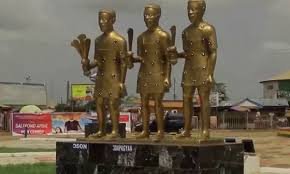
In the bustling coastal markets of Cape Coast and the historic streets of Elmina, a peculiar roll call echoes through the ages.
You will hear names like Blankson, Ferguson, and Bates—surnames that sound more like the streets of London or Liverpool than the central coast of Ghana.
While many post-colonial nations have sought to strip away the nomenclature of their former occupiers, for the Fante people, these European names have become an indelible, complex part of their cultural DNA.
The story of the “English-named” Fante is not merely one of colonial imposition; it is a fascinating case study in trade, social climbing, and the fluid nature of identity.
The Trade Desk and the Baptismal Font
The roots of this naming convention stretch back centuries to when the Fante were the primary intermediaries between the European powers and the interior of the Gold Coast.
Living along the coast in places like Takoradi and Sekondi, the Fante were the first to engage in the intensive exchange of textiles, metals, and alcohol.
Over decades of close contact, the lines between business and personal identity began to blur. A local man working for a British trader named Bates might eventually adopt the name for professional convenience.
When the waves of Christian missionaries followed the traders, the process accelerated. To be baptized was to be “civilized” in the eyes of the Church, and baptism often required an English name.
These names were easier for the British to pronounce and, more importantly, they signaled a high level of association with the ruling power.
For a Fante father in the 1800s, naming his son “Jason Kwame Bates” wasn’t seen as an abandonment of his heritage, but rather as equipping his child with a “passport” to better opportunities.
When Association Becomes Status
As the decades passed, what began as a tool for trade evolved into a marker of prestige. English names became tied to high social status.
This psychological shift was famously critiqued by the revered Ghanaian filmmaker Kwaw Ansah in his masterpiece, Heritage Africa.
In the film, the protagonist, Kwesi Atta Bosomefi, chooses to reinvent himself as “Quincy Arthur Bosumfield.” While the change sounds creative, the narrative serves as a cautionary tale: in his desperate bid to climb the colonial social ladder by changing his name and ideals, he ultimately loses his sense of self.
It was a poignant reflection of a reality for many: the fear that in adopting the world of the “other,” one might inadvertently erase their own.
Living in Both Worlds
Today, the presence of these names in Ghana is no longer viewed through the narrow lens of colonial submission. Instead, it represents a unique synthesis of history. The modern Fante perspective suggests a form of dual citizenship of the soul.
The lesson hidden in this naming history is profound: one can be “Kofi” and “Joseph” simultaneously. Having a European surname does not negate one’s Ghanaian essence.
The challenge, as the history of the coast teaches us, is to move freely between both worlds without ever forgetting which one truly belongs to you.









Sights and Sounds
Mind Craft Camps Accra Turns School Holidays into Adventures in Creativity and Discovery
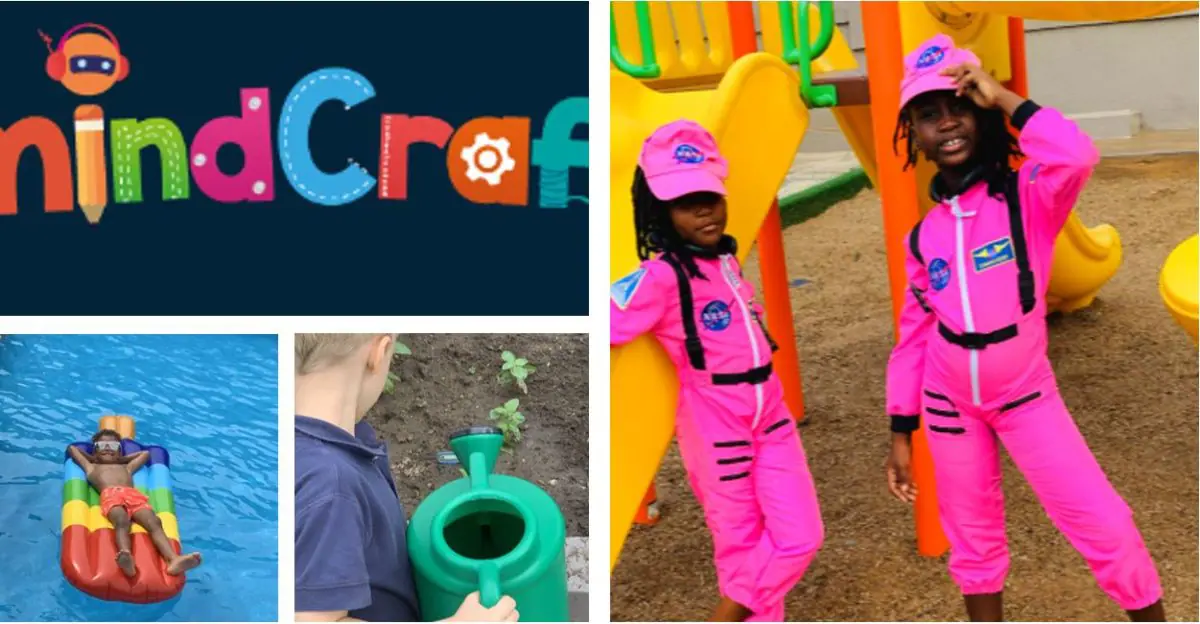
For children, a school holiday is an invitation to explore, imagine and play. For parents, finding activities that keep young minds engaged while providing a safe, supervised environment can be a challenge.
In Accra, Mind Craft Camps offers a way to bring both needs together, turning school breaks into opportunities for creativity, discovery and practical learning.
Organised by Cheeky Monkey Club, a provider of holiday camps in Ghana’s capital, Mind Craft is a multi-activity, outdoor-based programme built around invention literacy and skill development.
Its approach gives children room to enjoy their holidays while engaging in imaginative activities designed to encourage curiosity and new skills.
The camps run around school holidays throughout the year, with the summer programme taking place from July through August. Sessions run from 9am to 3pm and welcome children aged three to 12, offering families a structured option during the long school break.
A key feature is the way children are grouped according to age. Participants aged three to five, six to eight, and nine to 12 are placed in separate groups, allowing activities to be suited to their different stages of development.
This arrangement helps ensure that younger children and older participants can engage with programmes appropriate to their abilities and interests.
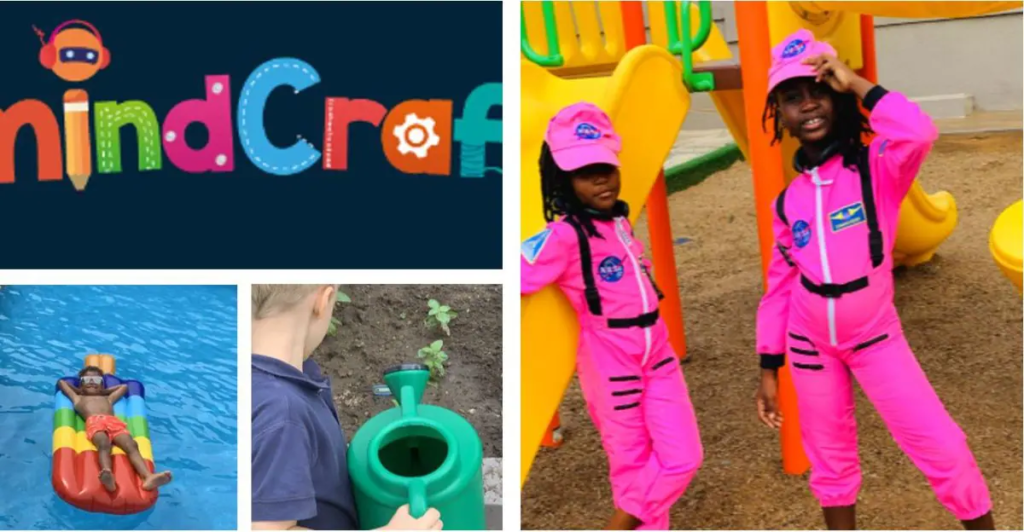
Located in East Legon and Cantonments, Mind Craft also offers parents flexibility when planning their children’s holiday schedules. Depending on availability, families can choose drop-in sessions, half-day or full-day attendance, bookings for the entire summer, or weekly packages.
Fees are charged in Ghanaian cedis, with options starting from GH₵100, making it possible for parents to consider different arrangements based on their schedules and budgets.
By combining outdoor activities, supervised play and skill-building, Mind Craft Camps presents school holidays as more than a pause from classroom learning.
They become an opportunity for children to experiment, make discoveries and develop their abilities while enjoying the freedom of play.
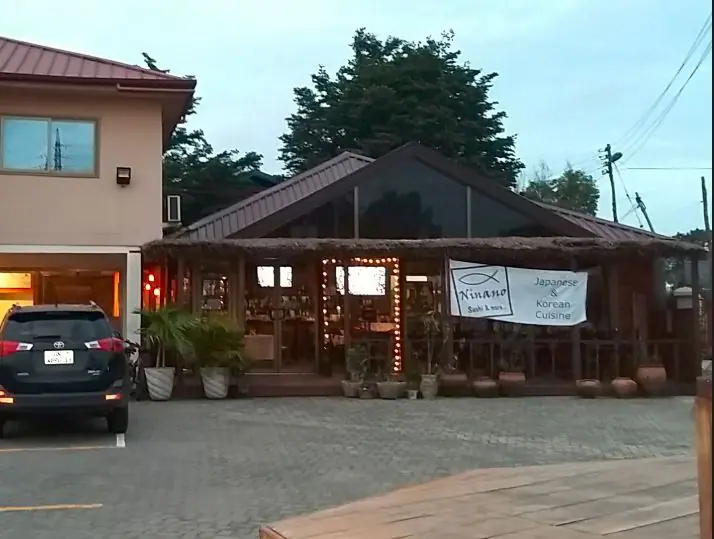
Step inside Ninano Korean and Japanese Restaurant, and the atmosphere offers a welcome escape from the familiar.
With its distinctive wooden interiors, freshly prepared sushi and traditional East Asian dishes, the restaurant brings a taste of Japan and Korea to Ghana, creating a dining experience that has attracted both international attention and expatriate diners.
For Japanese and Korean nationals living and working in Ghana, Ninano offers familiar flavours far from home.
For other diners, it presents an opportunity to explore two celebrated Asian culinary traditions under one roof.
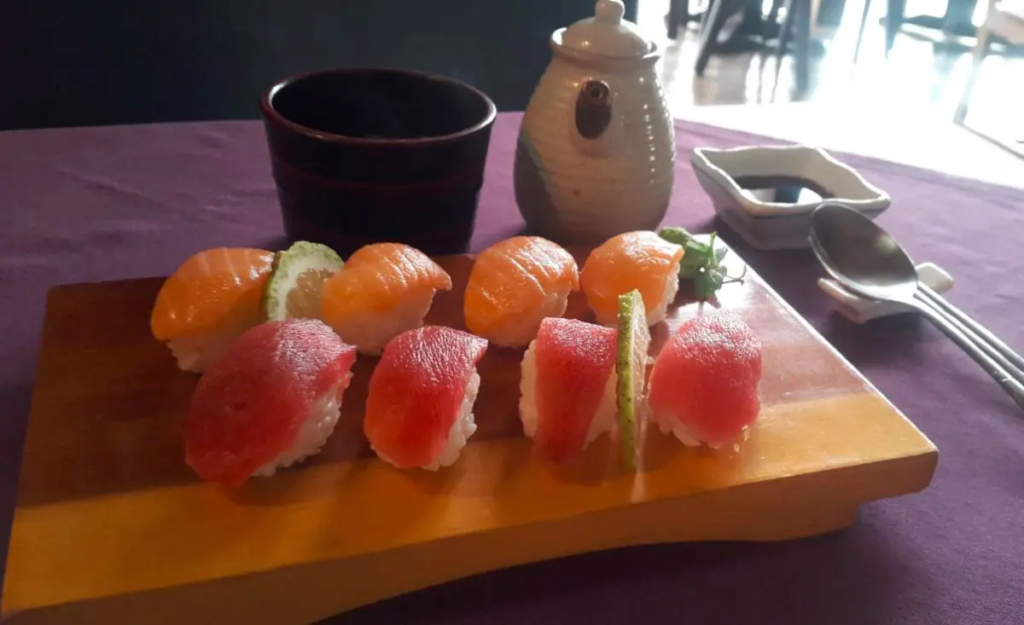
Japanese cuisine takes centre stage through freshly prepared sushi and udon noodles. Thick and satisfying, udon is a Japanese wheat-flour noodle commonly served in a hot broth, offering a comforting alternative to lighter dishes.
Sushi, meanwhile, provides a fresh, carefully prepared option that has helped the restaurant gain recognition beyond Ghana, including a feature on Japanese television.
Korean food brings a different character to the menu. Bulgogi, a popular Korean dish whose name translates roughly to “fire meat”, features thin slices of beef or pork marinated before being grilled.
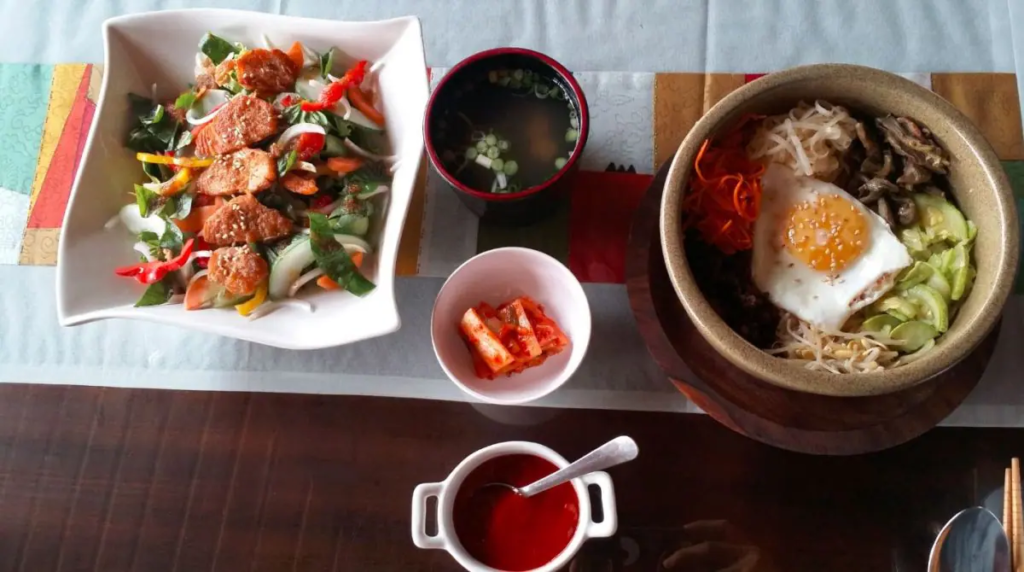
Its savoury, richly seasoned flavour makes it a natural companion to the restaurant’s Japanese offerings.
Yet Ninano’s appeal extends beyond the food. Live music adds to the atmosphere, while large-screen televisions occasionally show live sports and other events.
The bar serves cocktails, wines, soft drinks and Japanese and Korean favourites, giving guests another reason to linger after their meal.
Service and ambience also contribute to the experience. Previous diners have praised the speedy service and quality of the food, describing the restaurant’s wooden setting as an environment that can momentarily make them feel as though they have travelled beyond Ghana’s borders.
Ultimately, Ninano offers more than a menu of Asian specialities. It provides a meeting point for familiar tastes and new discoveries, making it a distinctive destination for sushi lovers, Korean food enthusiasts and anyone seeking an East Asian dining experience in Ghana.
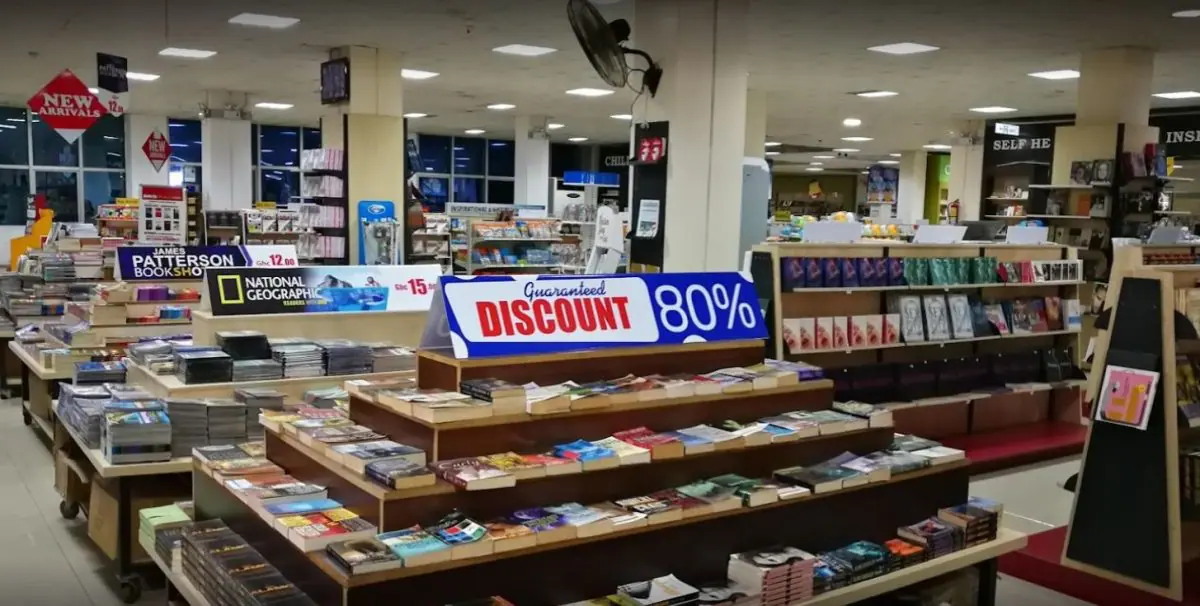
A child searching for their first picture book, a university student hunting for a prescribed textbook or a reader hoping to find their next favourite novel can all begin their search at the same place: EPP BookShop at Legon City Mall.
Located at 7 Lagoon Street, off Giffard Road, the Legon branch brings together books for different ages, interests and stages of learning.
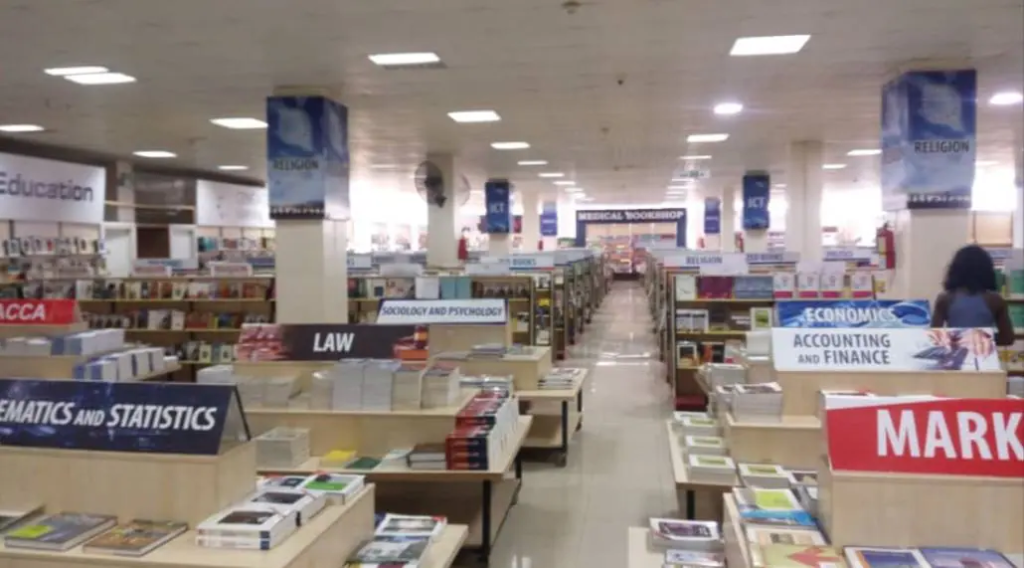
Its appeal lies in the range of titles available, making it a useful stop for families preparing children for school, students pursuing higher education and readers looking beyond the classroom.
From a Small Accra Shop to a Growing Book Business
EPP Books began in 1991 as a modest bookshop in Accra, occupying a space of no more than 20 square metres.
Over the years, it grew into a chain with branches across the West African sub-region, expanding its reach beyond its original location.
That journey reflects the continuing need for accessible books in homes, schools and educational institutions.
For many learners, textbooks and supplementary readers are essential tools, while novels and self-help books offer opportunities for entertainment, personal growth and discovery.
Books for Different Stages of Life
At the Legon branch, the selection spans preschool materials, children’s readers, school curriculum books, secondary-school textbooks and university-level titles. Customers can also browse bestselling novels and books on personal development.
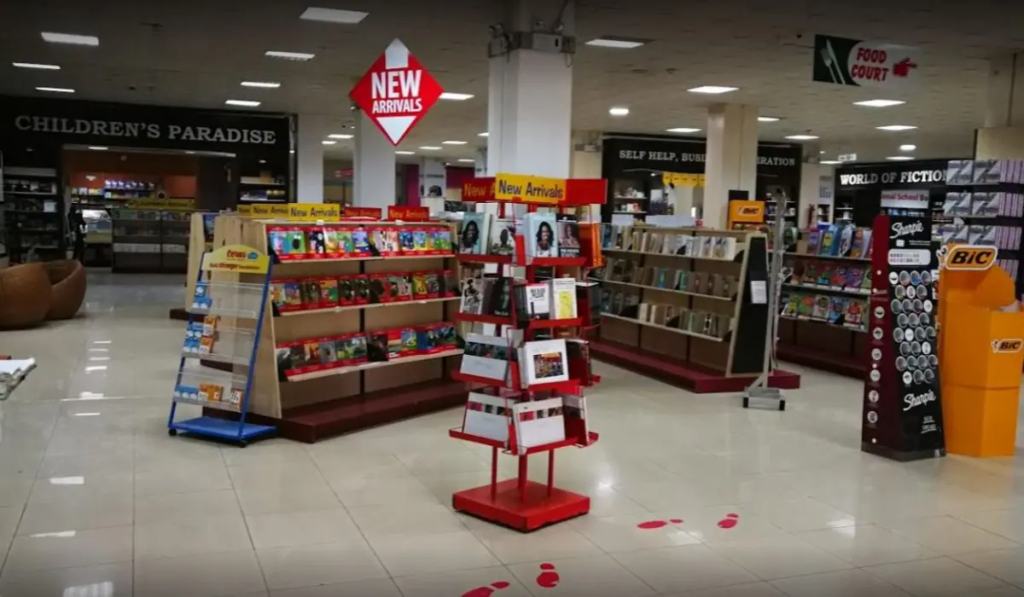
EPP BookShop serves both retail and wholesale customers, giving individual readers and organisations options for purchasing books. If a particular title is unavailable on the shelves, the shop can also arrange to order it.
For residents, students and visitors in the Legon area, the branch offers more than a place to buy reading materials. It provides a practical starting point for the search for knowledge, whether that begins with a child’s first schoolbook or a reader’s next literary adventure.


Funding Fears Loom For Ghana’s Life-Saving Malaria Vaccine Five Years After Roll Out

‘There was a Coordinated Disclosure Plan’: AI-Discovered Flaw in PHP Triggers Global Internet Chaos as Cybercriminals Race to Exploit It
