
Homes & Real Estate
Six Low-Cost Upgrades That Can Increase Your Home’s Value in Ghana

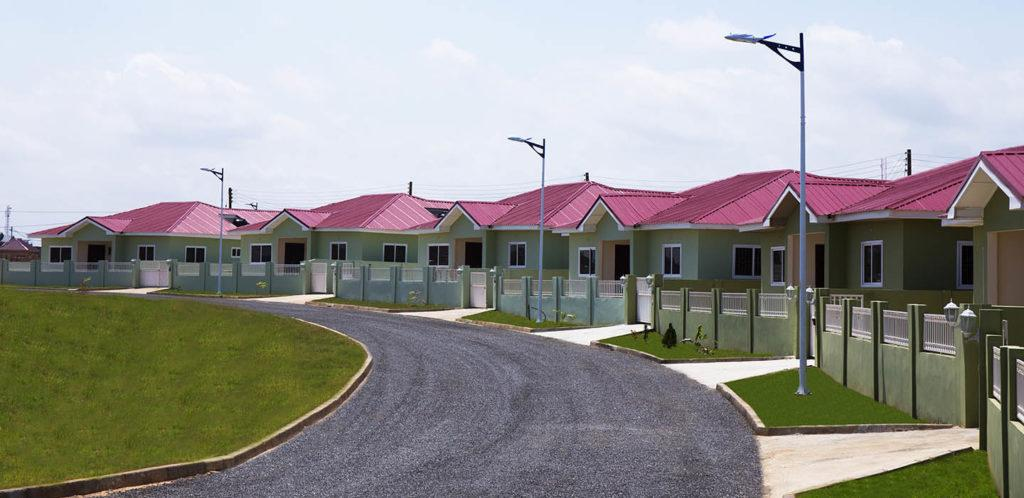
In Ghana’s property market, location may grab the headlines, but maintenance often determines whether a home commands a stronger selling price.
As buyers become more selective, well-kept homes with practical upgrades are increasingly standing out during valuations.
Start With the Basics
The quickest way to protect a property’s value is through consistent maintenance. Fixing leaking roofs, faulty wiring and plumbing issues before they become major problems can save money while making a home more attractive to future buyers.
A fresh coat of paint can also transform tired interiors and improve first impressions without requiring a major renovation.
Remodel With Buyers in Mind
Not every upgrade delivers the same return. Instead of expensive overhauls, homeowners can focus on improvements that suit their likely buyer.
A functional kitchen, refreshed bathrooms and flexible living spaces often appeal to families looking for move-in-ready homes.
Space Sells
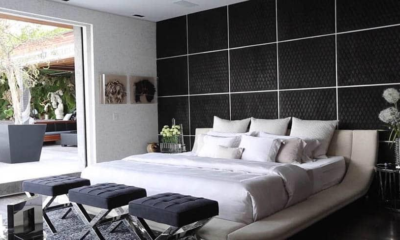
Clutter can make even a generous house feel cramped. Removing unnecessary furniture and improving storage creates a sense of openness that helps buyers picture themselves living in the space.
Don’t Ignore the Outdoors
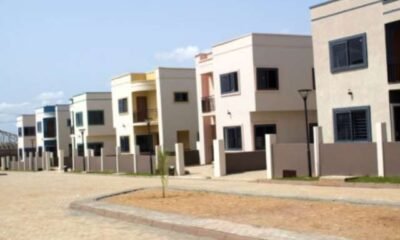
In many Ghanaian neighbourhoods, a home’s exterior is judged before anyone steps inside.
Trimmed lawns, healthy plants and tidy pathways can strengthen curb appeal and reinforce the impression that the property has been well cared for.
Modern Touches Add an Edge
Simple technology upgrades, including smart locks, security cameras and efficient lighting, can give a home a contemporary feel.
Combined with well-maintained appliances, these additions signal convenience and reduce concerns about immediate repair costs.
For homeowners, the lesson is straightforward: increasing a property’s value is rarely about one dramatic renovation.
A series of thoughtful improvements, maintained over time, can make the difference between an ordinary listing and one that attracts stronger offers.








Homes & Real Estate
The Smart Cooling Secrets Behind Desert Airports and Why They Matter for Ghanaian Homes

Step into a modern airport beside a desert, and the first surprise is not the architecture. It is the cool, fresh air that greets you despite the scorching heat outside.
That comfort is not simply the result of powerful air conditioners.
It begins with design decisions made long before construction starts, a lesson that carries growing relevance for Ghana’s property market as rising temperatures and electricity costs push homeowners to rethink how buildings stay comfortable.
Cooling Begins on the Drawing Board
One of the most effective strategies is high ceilings. Warm air naturally rises, and taller spaces allow heat to collect above occupied areas rather than trapping it where people live and work.
This principle, known as stack ventilation, has long influenced climate-responsive architecture and can be applied to homes as well as large public buildings.
Another key feature is carefully designed glazing. Airports often use glass systems that admit daylight while limiting solar heat gain, reducing the burden on cooling equipment without sacrificing bright interiors.
Why Fresh Air Matters
Modern ventilation systems also play a crucial role. Instead of simply recirculating cooled air, they introduce fresh air while exhausting warmer air, creating interiors that feel healthier and more comfortable.
For Ghana’s developers, these ideas are becoming increasingly important. Many new homes rely heavily on air conditioning, yet passive design features such as higher ceilings, shaded windows, strategic openings and better ventilation can reduce energy demand before the AC is even switched on.
Smarter Buildings for a Hotter Future
Few homeowners need airport-sized cooling systems, but they can borrow the thinking behind them.
In Ghana’s warm climate, buildings that work with nature rather than against it can deliver lower energy bills, greater comfort and stronger long-term property value.
A lighter slab might save money today, but it could cost you peace tomorrow.
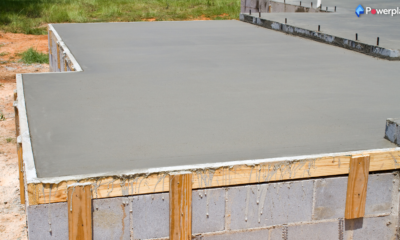
As Ghana’s construction industry embraces alternatives like polystyrene and beam-and-block slabs, many homebuyers and developers are asking the same question: which slab is best?
The answer, according to structural engineering principles, depends less on personal preference than on the building itself.
The Right Slab Depends on the Site
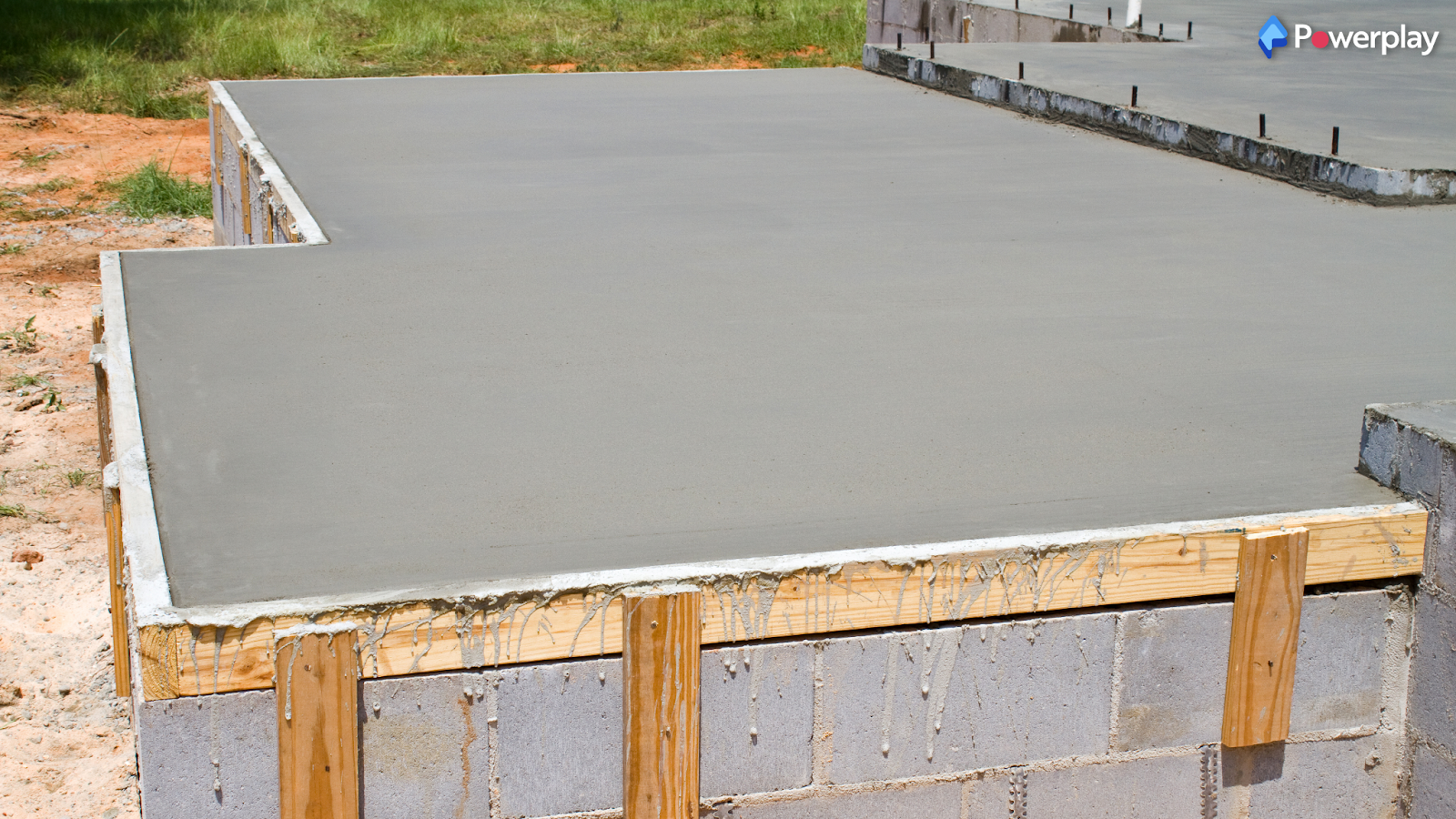
Slab systems are designed around technical factors that homeowners rarely see. Soil strength, building load, span requirements and the intended use of the property all influence the safest and most economical choice.
Lightweight options such as polystyrene and beam-and-block slabs have become increasingly attractive because they reduce the amount of concrete required and place less weight on foundations.
On sites with weaker soils, that lower weight can translate into significant savings during construction.
When Saving Money Changes the Living Experience
Cost, however, is only part of the equation.
In apartment buildings, where families live above and below one another, sound becomes a major consideration.
Lightweight slabs generally transmit more impact noise from footsteps and more airborne sound than heavier concrete slabs, often requiring additional soundproofing to achieve comfortable living conditions.
For a private duplex, those trade-offs may be less noticeable. In a multi-storey residential development, they can shape everyday life.
Why Collaboration Matters
In Ghana’s growing property market, architects can recommend options and clients can raise preferences, but the final decision belongs with the structural engineer.
Their role is to balance cost, safety, durability and comfort using calculations tailored to each project.
The smartest building choice is rarely about following trends. It is about matching the structure to the conditions beneath it and the people who will live inside it.

Owning land in Ghana can be one of the most rewarding investments you make, but it can also become one of the most expensive mistakes if the paperwork is ignored.
As demand for land continues to rise around Accra, Tema and other fast-growing communities, proper land registration has become just as important as choosing the right location.
Start With Due Diligence
The safest property purchases begin long before money changes hands. Buyers should confirm that the land is genuinely available for sale, investigate whether it falls within government development plans, and assess practical issues such as flooding risks.
Consulting a land lawyer and relevant agencies, including institutions like the Tema Development Corporation where applicable, can prevent costly disputes later.
Secure the Right Documents
Once ownership has been verified, negotiating directly with the rightful owner reduces unnecessary risks.
The sale agreement should then be professionally endorsed by a lawyer, accompanied by an approved site plan certified by licensed surveyors.
Independent witnesses representing both buyer and seller add another layer of legal protection.
Complete the Official Process
The remaining steps move through Ghana’s formal registration system. Endorsed documents are submitted to the Lands Commission for processing and valuation before tax obligations are cleared with the relevant revenue authorities.
The process concludes only when the buyer receives the original registered land title or deed documents.
Why It Matters
Land disputes remain a persistent challenge in parts of Ghana, often arising from overlapping ownership claims or incomplete documentation.
Following the registration process may require patience, but it significantly reduces the risk of future litigation.
For first-time buyers, diaspora investors and seasoned developers alike, registered land offers something every property owner values: confidence that today’s investment will remain secure for years to come.


In Ghana’s Online Politics, Personality Still Out-Engages Policy

Africa Digital Democracy: What Ghana’s Online Conversation Reveals About Elections in 2028

Trump Bans CNN, MS Now and Politico from White House in Escalating War on Press
-
 Ghana News8 hours ago
Africa Digital Democracy: What Ghana’s Online Conversation Reveals About Elections in 2028
-

 Ghana News1 day ago
Top Headlines From Ghanaian Newspapers: Friday, September 18, 2026
-
 Taste GH2 days ago
Red Red: The Ghanaian Bean Dish That Wins Hearts One Bite at a Time
-
Festivals & Events2 days ago
GJTI Expo 2026: Where Ghana and Japan Meet to Shape the Future of Trade
-

 Ghana News1 day ago
After Record Seizures, Ghana Tightens Ports in Global Drug War
-
 Ghana News9 hours ago
Trump Bans CNN, MS Now and Politico from White House in Escalating War on Press
-
 Ghana News8 hours ago
In Ghana’s Online Politics, Personality Still Out-Engages Policy
-
 Health & Wellness2 days ago
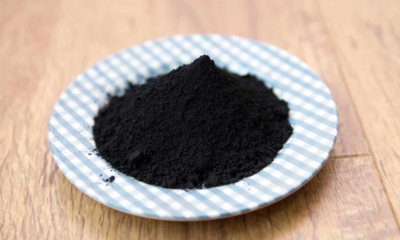
Before You Drink Activated Charcoal, Here’s What Science Actually Says