
Health & Wellness
Rosemary and Thyme: Can Everyday Kitchen Herbs Help Protect Against Cancer?

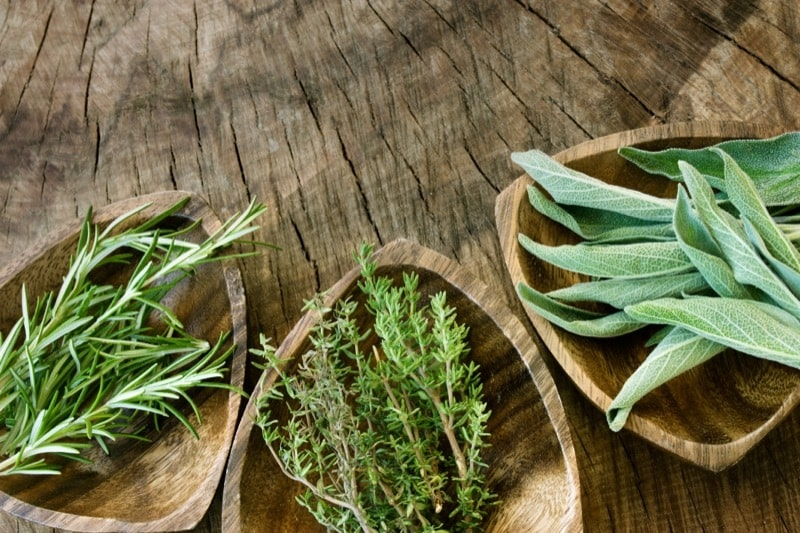
A pinch of thyme in a pot of soup or rosemary rubbed over roasted meat does more than add fragrance and flavour. These familiar culinary herbs contain plant compounds that scientists are investigating for their potential role in slowing cancer development.
For health-conscious cooks in Ghana and around the world, the research offers an interesting reason to pay closer attention to the herbs used in everyday meals.
What researchers have discovered
Thyme contains terpenoids, naturally occurring plant compounds with antioxidant and anti-inflammatory properties. A 2019 study published in the International Journal of Molecular Sciences examined thyme’s potential anti-tumour effects, reporting significant reductions in tumour growth in animal experiments.
Rosemary has attracted similar scientific interest. It contains carnosol and rosmarinic acid, compounds being studied for their antioxidant properties and possible ability to interfere with cancer cell growth.
Research has also explored rosemary extract’s potential to reduce harmful compounds formed when meat is cooked at very high temperatures. This is particularly relevant for people who enjoy grilled and barbecued foods.
Flavourful additions, not cancer cures
These findings are promising, but an important distinction remains: much of the evidence comes from laboratory experiments and animal studies. It does not establish that eating rosemary or thyme prevents or treats cancer in humans.
That does not mean these herbs have no place in a healthy diet. Adding thyme to soups, stews and vegetable dishes, or rosemary to roasted potatoes and grilled foods, is an easy way to introduce more plant compounds into meals.
The takeaway: Enjoy these herbs for their flavour and potential nutritional benefits, but do not mistake a kitchen ingredient for cancer treatment. A varied diet, regular physical activity and appropriate cancer screening remain important parts of protecting long-term health.


“I don’t have time” is perhaps the most familiar excuse for skipping exercise. Between demanding jobs, family responsibilities, commuting and household chores, finding time to work out can feel like another impossible task.
Yet what if improving your health didn’t require an hour at the gym or an elaborate fitness programme? Just 30 minutes of purposeful movement each day could make a meaningful difference.
Small pockets of movement add up
Exercise is often treated as an activity that requires dedicated time, special equipment and a gym membership. This thinking can discourage people from getting started. However, physical activity can be built into routines that already exist.
A brisk morning walk, climbing stairs at work, dancing while preparing meals or walking with a friend after dinner can all contribute to daily movement. Even three 10-minute sessions spread throughout the day can help people meet recommended activity targets.
The key is consistency. Regular physical activity supports heart health, improves blood sugar regulation, strengthens muscles and bones, and can help manage stress. It also contributes to better sleep and overall well-being.
For busy professionals, parents, and students in Ghana, walking to nearby destinations instead of always taking transport, using lunch breaks for a short walk, or choosing active weekend outings can provide practical starting points.
Make exercise part of everyday life
You do not need to reorganise your entire life to become more active. Start by replacing 30 minutes of scrolling or television with an activity you enjoy.
The goal is not to find more hours in the day, but to make better use of the hours you already have. Your health deserves a place on your daily schedule.

Small movement breaks throughout the working day could help protect your health, even if you exercise regularly.
Sitting for hours takes a toll
You may spend eight hours at your desk, barely leaving your chair except to collect lunch, attend meetings or use the washroom.
By the time you get home, another evening on the sofa can follow. This familiar routine may seem harmless, but prolonged sitting can quietly undermine your health.
Physical inactivity is associated with an increased risk of cardiovascular disease, type 2 diabetes and other chronic conditions.
For office workers in Ghana and elsewhere, long hours spent behind computers make movement an important part of workplace wellness.
Make movement part of your routine
The answer does not necessarily involve joining a gym or finding an extra hour for exercise. Small, consistent changes can make a difference.
Try standing up every 30 minutes, walking around while taking phone calls or using part of your lunch break for a brisk walk. Taking the stairs instead of the lift and organising walking meetings are other practical ways to interrupt long periods of sitting.
You can also introduce simple desk exercises, such as standing calf raises, gentle squats and wall push-ups. A standing desk may help vary your working position, although standing alone is not a substitute for physical activity.
Build a healthier office culture
Regular exercise remains important, but movement should not be confined to the gym or weekends. Your working day offers opportunities to stay active.
Sometimes, protecting your health begins with something as simple as getting out of your chair.
Health & Wellness
Your Phone Doesn’t Belong on the Toilet: Why Prolonged Sitting Could Harm Your Health

A quick bathroom visit can easily turn into a ten-minute scrolling session. But according to gastroenterologists, that seemingly harmless habit could put unnecessary pressure on your bottom.
When a Bathroom Break Becomes Too Long
Taking your phone to the toilet may seem like a convenient way to catch up on messages or social media. The problem is that scrolling can make you lose track of time, keeping you seated long after you have finished trying to pass stool.
Prolonged sitting on the toilet can increase pressure on the veins around the anus, potentially contributing to haemorrhoids, commonly known as piles. Straining during bowel movements can also increase the risk of haemorrhoids and anal fissures, which are small tears in the lining of the anus that may cause pain and bleeding.
Five minutes is a useful practical limit, although there is no universal medical rule that makes every bathroom visit beyond that time harmful. The key is to avoid lingering or forcing a bowel movement.
Help Your Gut Find Its Rhythm
For people who struggle with constipation, a few simple habits may help. Drinking enough water, eating fibre-rich foods such as beans, vegetables, fruits and whole grains, and staying physically active can support regular bowel movements.
Establishing a relaxed morning routine may also help. The bowel often becomes more active after eating, so allowing time for a toilet visit after breakfast can be useful. Respond to the urge to go rather than repeatedly postponing it.
If nothing happens after a few minutes, get up and try again when the urge returns. Avoid excessive straining, and consider using a small footstool to raise your knees above your hips, which may make passing stool easier.
Leave the Scrolling for Later
Persistent constipation, rectal bleeding or ongoing pain should not simply be dismissed as ordinary bathroom trouble. Seek medical advice, particularly if symptoms persist or worsen.
Your toilet routine may seem insignificant, but small habits matter. Put the phone aside, listen to your body and remember: the bathroom is for answering nature’s call, not catching up on your feed.


Rosemary and Thyme: Can Everyday Kitchen Herbs Help Protect Against Cancer?

Too Busy to Exercise? How 30 Minutes a Day Can Transform Your Health

The Hidden Health Cost of Sitting All Day: Why Office Workers Need to Move More
-

 Global Update1 day ago
2026 U.S. Midterms: The 10 Key Takeaways From a Historic Democratic Wave
-

 Arts and GH Heritage1 day ago
Frederick Ebenezer Okai Finds Unity in Broken Ceramics
-

 Taste GH2 days ago
Is Ghana’s Kpogulo a Dumpling? Exploring a Northern Ghanaian Food Tradition
-

 Festivals & Events2 days ago
Inspire Cape Coast 2026: Can Tourism, Events and Media Put Oguaa on the Global Map?
-

 Ghana News2 days ago
Ghanaian Community in the Bronx Reels After Second Tragedy: 24-Year-Old Church Organist Found Dead at Dumpsite
-

 Sights and Sounds2 days ago
Building Africa’s Architectural Future: Inside the African Futures Institute
-

 Fashion & Style24 hours ago
Hazza: Turning Accra’s Discarded Fabrics into Contemporary African Fashion
-
 Health & Wellness13 hours ago
The Hidden Health Cost of Sitting All Day: Why Office Workers Need to Move More