
Reels & Social Media Highlights
Ghana’s Social Media Split Screen: Culture, Crisis and a Minister’s Apology

Ghana’s timelines on Thursday, November 5, 2026, felt like a nation scrolling with one thumb on humour and the other on heartbreak.
The mood swung between righteous laughter over a sacred cloth and sober anger over the safety of schoolchildren, a split-screen energy that defines the country’s digital public square.
The loudest viral moment came from a livestream clash between Nigerian creator Carter Efe and Ghanaian streamer Made in Ghana. A clip of Carter Efe attempting to lay a Kente cloth on the ground for his girlfriend was swiftly shut down with the now-iconic line: “No bro, you can’t put this one down oo. No, it’s for kings”.
The exchange ignited a fierce debate about cultural respect, with Ghanaians praising Made in Ghana for defending heritage while questioning the boundaries of cross-border content collaboration.
Meanwhile, a far more sombre conversation dominated political Twitter. Minister for Communication Sam George faced backlash and then clarification after a viral video showed him confronting a military officer in Ningo-Prampram.
In a Facebook post on November 5, he insisted his remarks were “never intended as an attack on the Ghana Armed Forces,” following a meeting with military high command over the assault of residents and a shooting incident.
The episode fuelled ongoing tensions about accountability and the treatment of civilians by security forces.
Amid these debates, a persistent campaign for #JusticeForRansford continued to circulate, demanding answers after a 16-year-old footballer died following alleged sexual abuse by his coach . The hashtag’s staying power reflects a growing public refusal to let institutional failures fade from the feed.
What ties these threads together is a distinctly Ghanaian digital instinct: outrage is rarely performed without context, and humour is often the spoon that makes hard truths swallowable.
Whether it’s protecting Kente from a foreign guest’s misstep or demanding justice for a young athlete, the timeline is less a place for passive scrolling and more a live negotiation of national values.








Ghana’s social media space on Thursday, October 29, 2026, felt less like a news cycle and more like a packed concert where every act refused to leave the stage.
The mood swung wildly between political scorn, communal anger and the kind of petty internet drama that keeps timelines refreshing long past midnight.
At the centre of the storm was Dr. Mahamudu Bawumia, whose promise to make tuo zaafi freely available if elected in 2028 detonated into a full-blown ridicule fest. Netizens questioned his seriousness, with one viral quip asking whether the NPP flagbearer was “a product of Temu or Jumia”.
The mockery wasn’t just about food—it tapped into a deeper frustration with political gestures that feel hollow against Ghana’s economic realities.
https://ghananewsglobal.com/ghanas-digital-heartbeat-outrage-satire-and-the-fight-for-accountability/
Meanwhile, the #AaagbewoDemo brought raw tension to Jubilee House as Ga-Dangme protesters clashed with police over beach demolitions, with one demonstrator’s viral declaration that they would “sleep here until we are allowed to use the main entrance” capturing the defiance of the day.
The same demo produced a bizarre viral moment when a protester publicly apologised to Akufo-Addo and Bawumia for voting NDC, sparking debates about political regret and representation.
And then there was the celebrity chaos: influencers Asantewaa and Hagar Brobbey allegedly robbed of iPhones at a Kumasi hotel, with fans dissecting the police-station footage for clues.
It was messy, funny and deeply human—exactly the kind of content Ghanaian timelines devour.
What united these conversations was a distinctly Ghanaian alchemy: political frustration transformed into humour, communal grievance expressed through viral spectacle, and celebrity drama consumed with equal parts concern and suspicion.
In a single day, the timeline held up a mirror to a nation that laughs to keep from shouting—and shouts when laughing no longer works.
Reels & Social Media Highlights
Ghana’s Digital Heartbeat: Outrage, Satire, and the Fight for Accountability
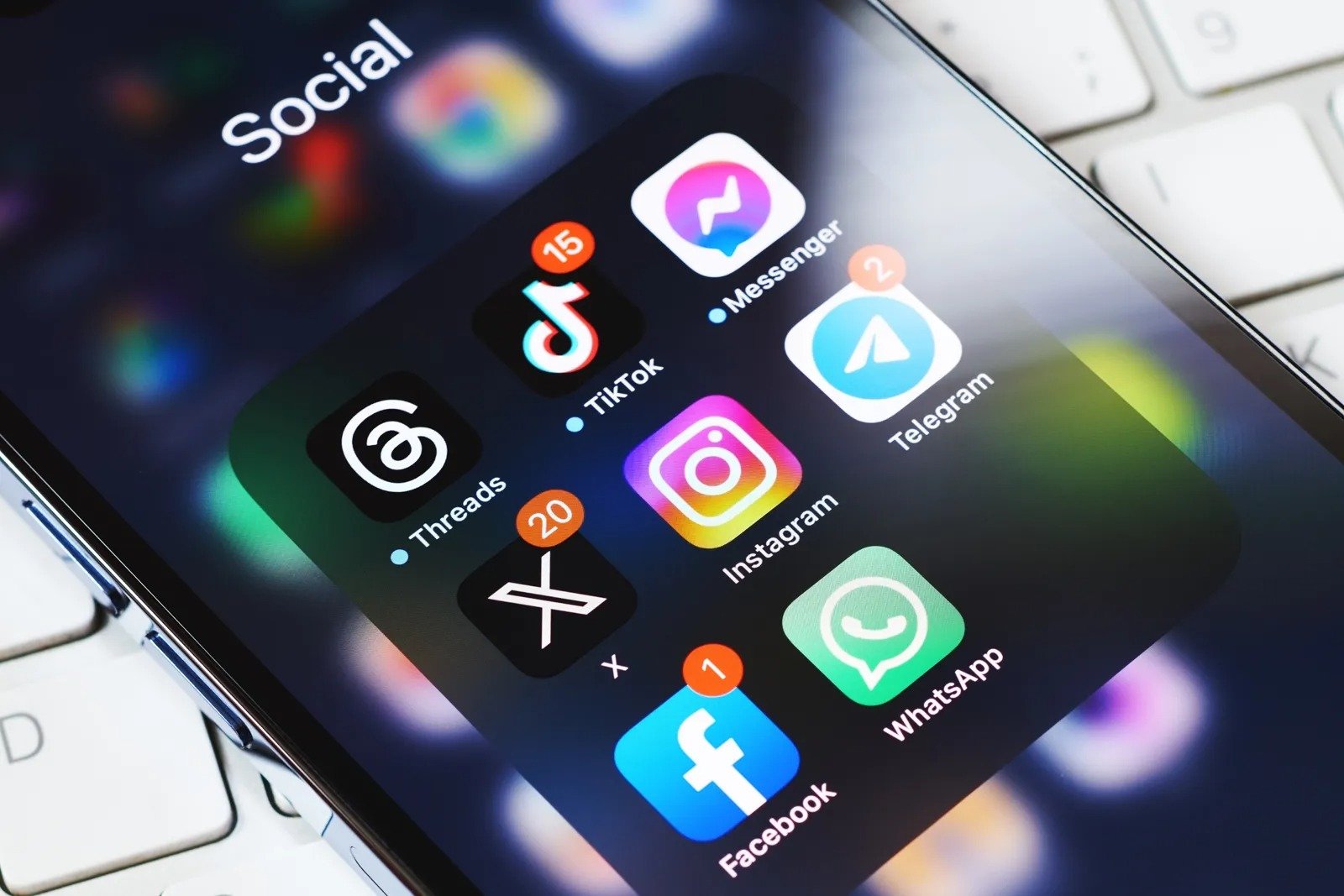
Ghana’s social media space on Wednesday, October 21, 2026, felt less like a scrolling feed and more like a pressure cooker.
Between the crimson solidarity of #RedWednesday, the dust of a collapsing high-rise, and the astonishing unravelling of a political spokesperson, Ghanaians were simultaneously furious, entertained, and deeply skeptical.
The day’s emotional center was the Obuasi SHTS sexual abuse scandal. Activists declared “Red Wednesday,” urging citizens to wear red in solidarity with the alleged victims.
The mood turned from grief to rage when a leaked clip showed NDC communicator Daniel Nortey dismissing the allegations with the callous remark, “He’s a rapist, so what?”
The backlash was immediate and fierce, with figures like Nana Aba Anamoah condemning the comment, forcing Nortey into a swift, televised apology . Meanwhile, a very different kind of accountability played out in satire.
A viral video, amplified by Ashanti Regional Minister Frank Amoakohene, juxtaposed Dr. Mahamudu Bawumia’s past claims of completing the Pwalugu Dam against his recent promise to build it, using the “A few moments later” meme to devastating effect .
Amidst the politics, raw reality intruded. A video of concrete blocks raining down from the Villagio construction site in Accra sparked safety fears, but it was the cameraman’s subsequent claim that the company threatened him with “police and lawyers” that truly ignited the timeline.
Even the beach wasn’t safe from scrutiny: creator Ivy Prosper’s on-the-ground photos of a still-littered Labadi Beach exposed the polished, viral images of a “Miami-style” shoreline as misleading, triggering a wave of cynical “smoke and mirrors” commentary.
What united these disparate moments was a collective demand for transparency. Whether mocking a politician’s memory, calling out a spokesperson’s inhumanity, or fact-checking a pretty picture, Ghanaian netizens were not merely consuming content—they were actively auditing the world around them, one screenshot at a time.
Reels & Social Media Highlights
Ghana’s Social Media Erupts Over Mining Violence and Celebrity Controversy
Ghana’s timeline in its familiar state: equal parts outrage, meme-making, and moral negotiation.
By midday, one video had already set the tone. Footage from Wassa Esaman showed the NAIMOS task force physically restraining suspected illegal miners, and the reactions split immediately—some praising the crackdown as long overdue, others questioning the rough tactics and predicting the suspects would be back on the streets within days.
The galamsey debate never really leaves Ghanaian social media; it just changes faces.
Then came Shatta Wale. Fresh off his ShattaFest performance at the Accra Sports Stadium, clips of the dancehall star declaring he has “plenty fraud boys” as friends—and that he won’t snitch because “the country no good”—detonated across Facebook and X.
The remarks landed awkwardly in a nation where economic hardship and fraud are tangled in uncomfortable ways, and where public figures are increasingly expected to pick a side.
Meanwhile, Sarkodie found himself clarifying that a casual post about returning to “gari soakings” had nothing to do with President Mahama’s government—a reminder that in Ghana’s current mood, even a bowl of gari can become a political statement.
What tied these conversations together was a shared suspicion: that institutions protect the powerful while ordinary people bear the cost.
Whether the topic was mining, fraud, or the price of a meal, Ghanaians on Monday weren’t just reacting—they were keeping score.


Too Busy to Exercise? How 30 Minutes a Day Can Transform Your Health

The Hidden Health Cost of Sitting All Day: Why Office Workers Need to Move More

Ghana’s Social Media Split Screen: Culture, Crisis and a Minister’s Apology
-
 Global Update23 hours ago
2026 U.S. Midterms: The 10 Key Takeaways From a Historic Democratic Wave
-

 Taste GH1 day ago
Is Ghana’s Kpogulo a Dumpling? Exploring a Northern Ghanaian Food Tradition
-
 Festivals & Events1 day ago
Inspire Cape Coast 2026: Can Tourism, Events and Media Put Oguaa on the Global Map?
-
 Arts and GH Heritage13 hours ago
Frederick Ebenezer Okai Finds Unity in Broken Ceramics
-

 Ghana News1 day ago
Ghanaian Community in the Bronx Reels After Second Tragedy: 24-Year-Old Church Organist Found Dead at Dumpsite
-
 Sights and Sounds1 day ago
Building Africa’s Architectural Future: Inside the African Futures Institute
-
 Fashion & Style12 hours ago
Hazza: Turning Accra’s Discarded Fabrics into Contemporary African Fashion
-
 Health & Wellness54 minutes ago
The Hidden Health Cost of Sitting All Day: Why Office Workers Need to Move More