
Culture
MrBeast to Transform a Ghanaian Village in Ambitious Humanitarian Project

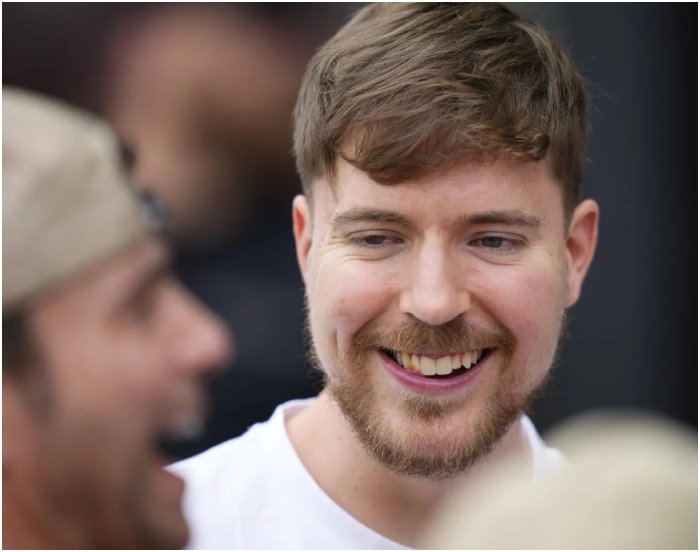
Ghana is set to become the center of one of the most ambitious creator-led humanitarian initiatives yet.
Global YouTube sensation MrBeast announced plans to visit the country later this year to transform an entire village. The project will focus on building critical infrastructure, including a hospital, wells for clean water, educational facilities, and food support for residents.
The initiative is part of MrBeast’s 1 Billion Acts of Kindness campaign, which encourages creators worldwide to leverage their platforms for meaningful social impact. In Ghana, MrBeast will be joined by Africa’s leading creator Wode Maya and a selection of top creators from around the globe, forming a team dedicated to documenting and amplifying the mission.
“There’s this village that desperately needs help. We’re going to build a hospital, provide water and education, and completely transform the entire village,” MrBeast said during the announcement, emphasizing the project’s goal of inspiring global audiences to take action and contribute to positive change.
Out of over 177,000 submissions worldwide, ten creators were selected to travel to Ghana and participate directly in the project.
They were chosen for their creativity, commitment to community, and ability to demonstrate how digital platforms can drive real-world change. The group includes diverse voices such as Priya and Sid, Walid Elmusrati, Ella Loren Y. Bulatao, and Godfrey Wavonya.
The mission will be captured on video for MrBeast’s social channels, which boast over 1 billion followers, highlighting the tangible effects of combining storytelling with direct humanitarian action. The project also emphasizes the distinction between performative “niceness” and lasting kindness that requires effort, resources, and long-term commitment, a principle central to MrBeast’s philanthropic philosophy.
The initiative has the potential to transform the targeted village and set a precedent for influencer-led community development projects across Africa, demonstrating how digital content creators can make measurable contributions to social welfare.











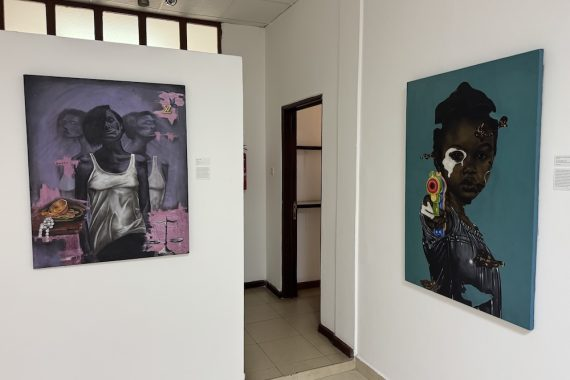
At the Dei Centre in Accra, contemporary artists examine how tenderness, desire and violence occupy the same emotional and social spaces.
Softness can be deceptive. A velvet surface invites touch with its luxurious texture, yet beneath its gentle appearance lies a material historically associated with authority, mourning, seduction and concealment.
It is this contradiction that gives Velvet Tensions, a group exhibition in Accra, its compelling artistic premise.
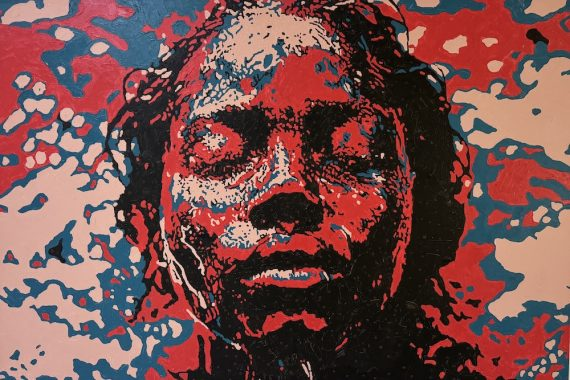
When beauty carries uncomfortable truths
Curated by Nana Ama Dei, the exhibition at the Dei Centre uses velvet as a metaphor for the complexities of human relationships and the emotions that shape society. Its central question reaches beyond aesthetics: what happens when the things we find beautiful also carry histories of pain, control or discomfort?
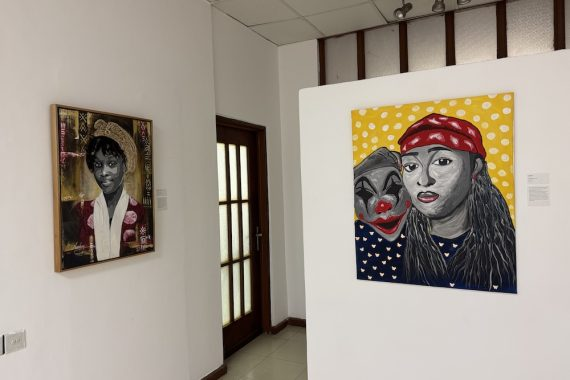
The question resonates within Ghana’s contemporary art scene, where artists increasingly use visual expression to investigate identity, power, memory and personal experience. Beauty is rarely neutral. What appears polished on the surface may conceal difficult histories, unequal relationships and unresolved tensions.
Featuring 23 artists, including Kofi Boachie-Ansah, Tracy Lee-Garshong, Marian Dellor, Setor Mensah, Adam Gasakor and Nuria Alliet, Velvet Tensions brings different artistic perspectives into conversation.
Looking beyond the surface
Rather than offering comfortable interpretations, the exhibition encourages visitors to question their first impressions. Its exploration of tenderness alongside violence also speaks to the contradictions of everyday life, where affection can coexist with conflict and intimacy can become a source of vulnerability.
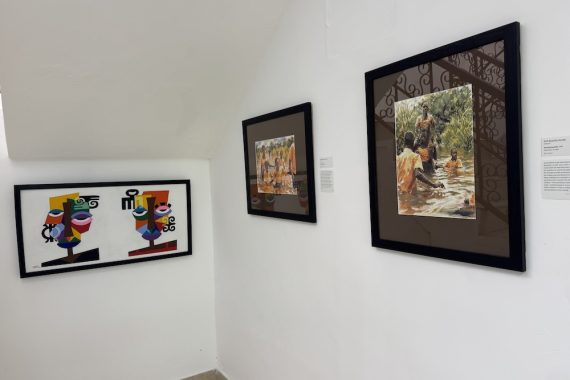
At a time when visual culture often rewards immediate beauty, Velvet Tensions asks audiences to look longer and think deeper. Running until January 2, 2027, the exhibition positions contemporary art as a space for confronting what society sometimes prefers to leave unspoken.
Reels & Social Media Highlights
Heritage Notes and Heartbreak: Ghana’s Social Media Mood on November 12


Ghana’s social media timelines on Thursday, November 12, 2026, felt like a national conversation with the volume turned all the way up. The day opened with football frustration as Black Stars captain Jordan Ayew missed a 14th-minute penalty against Somalia in a World Cup qualifier, triggering a flood of exasperated posts on X.
Fans questioned his form, his selection, and whether the captain’s armband had become a curse rather than an honour.
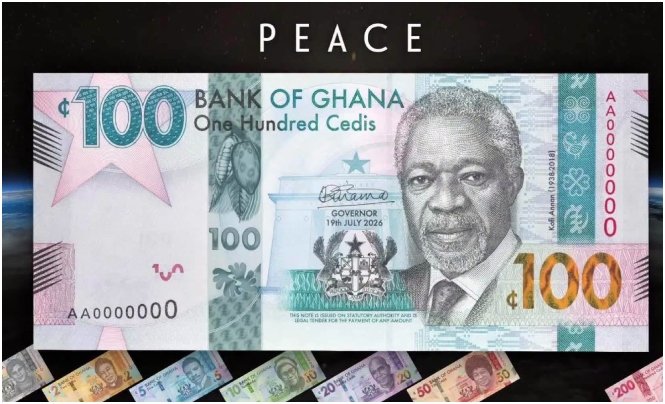
But the mood swung quickly. By afternoon, the Bank of Ghana unveiled its new “Heritage Notes,” and Facebook erupted—not just over the designs, but over a fake GH₵38 note bearing former Vice President Mahamudu Bawumia’s face that spread faster than the real currency news.
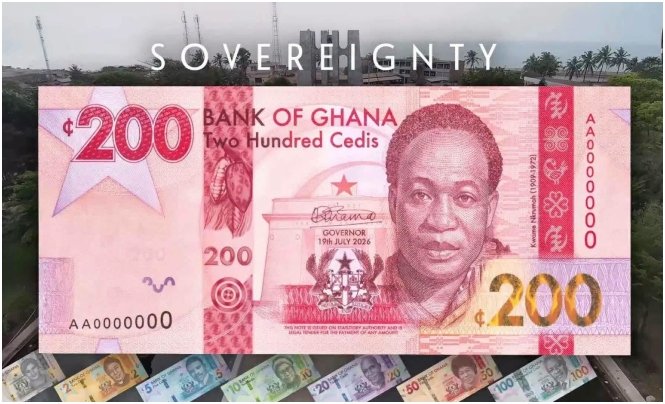
The meme became a canvas for political roasting, with commenters joking about the National Cathedral and linking the number 38 to NPP banter. Meanwhile, an old video of President Mahama criticising the 2019 introduction of GH₵100 and GH₵200 notes resurfaced, adding a layer of political irony to the currency chatter.
https://ghananewsglobal.com/the-day-ghana-argued-with-itself-and-laughed-while-doing-it/
The day’s darker thread came from Assin South MP John Ntim Fordjour, who took to X demanding answers on cocaine trafficking investigations, citing international seizures linked to Ghana . His post sparked debate about national image and accountability, cutting through the humour with a sharper edge.
What united these conversations was a distinctly Ghanaian blend of humour, frustration, and civic engagement. The Ayew penalty became a collective groan; the fake Bawumia note became a shared joke; the cocaine question became a call to conscience. On a single Thursday, Ghanaians laughed, argued, and demanded better—all within the same scroll.
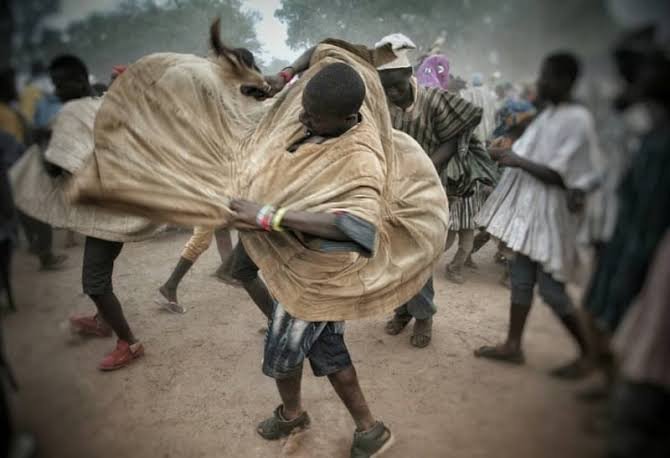
As the farming season gives way to harvest, Bawku in Ghana’s Upper East Region prepares for a celebration filled with traditional drumming, dancing and colourful cultural displays.
Families gather, traditional leaders come together and the sounds of celebration fill the community as the Kusasi people mark Samanpiid, an annual festival of thanksgiving, renewal and togetherness.
Celebrated in November or December, Samanpiid is rooted in the agricultural traditions of the Kusasi people of the Kusaug Traditional Area. For generations, farming has been central to community life, making a successful harvest a moment of profound gratitude.
The festival provides an opportunity to thank God, ancestral spirits, and the spiritual forces believed to protect the people and bless their farms.
The name Samanpiid is commonly interpreted as ‘sweeping the compound’. Beyond the physical act of cleaning, it carries a deeper message of clearing away difficulties, settling disagreements and making room for a fresh beginning.
The occasion encourages forgiveness and reconciliation among families and neighbours, particularly after the demands and occasional disputes of the farming season. UEW Scholar+1
Traditional observances include sacrifices and offerings expressing gratitude for the harvest and seeking continued protection and prosperity. These spiritual activities are followed by public celebrations featuring traditional music, energetic dancing and colourful costumes.
A grand durbar, bringing together chiefs, elders and community members, provides a focal point for the festivities. UERCC+1
Over time, Samanpiid has also developed into an important occasion for discussing the future of Kusaug. Community development, education, peace and social unity feature in the wider celebrations.
Families living elsewhere return home, strengthening relationships and passing cultural values to younger generations. NewsGhana+1
For international visitors, Samanpiid offers an opportunity to encounter the agricultural heritage, spiritual traditions and community life of northern Ghana. For Ghanaians, particularly those reconnecting with their roots, it is a reminder of the importance of gratitude, belonging and shared responsibility.
Experiencing Samanpiid is an invitation to discover Bawku through the traditions of its people, where thanksgiving for the harvest becomes a celebration of identity, renewal and hope.


Managing Diabetes Starts with Self-Compassion, Not Self-Criticism

Sunshine and Vitamin D: Why Your Body Needs More Than Just a Little Daylight

Europe Faces Wave of Hoax Bomb Threats Amid Growing Fears of Hybrid Warfare
-

 Health & Wellness2 days ago
Building Stronger Glutes After 35: Why Strength Training Matters More Than Cardio
-

 Global Update2 days ago
A New COVID-19 Variant is Raising Interest as Cases Increase in Parts of the World
-
 Ghana News1 day ago
Ghana Unveils New Cedi Notes Featuring Nkrumah, Kofi Annan and Trailblazing Women
-

 Fashion & Style2 days ago
Beyond Fashion: How African Skincare Brands Are Redefining Beauty for Melanin-Rich Skin
-

 Ghana News2 days ago
Ghanaian Regulators Test Local Innovator’s Plastic-Derived Fuel, Finds Petrol and Diesel Fall Short of Required Standards
-
 Ghana News2 days ago
Ghana Coconut Shipment Used to Conceal 2.6 Tons of Cocaine Bound for Europe
-

 Health & Wellness1 day ago
Flu Prevention Starts at Home: Five Everyday Habits That Protect Your Family
-

 Ghana News14 hours ago
Ghana Targets Industrialization in 2027 as $10 Billion Economic Transformation Plan Unveiled in 2027 Budget