
Health & Wellness
How Often Should You Wash Workout Clothes? Dermatologists Say It Depends on Your Sweat

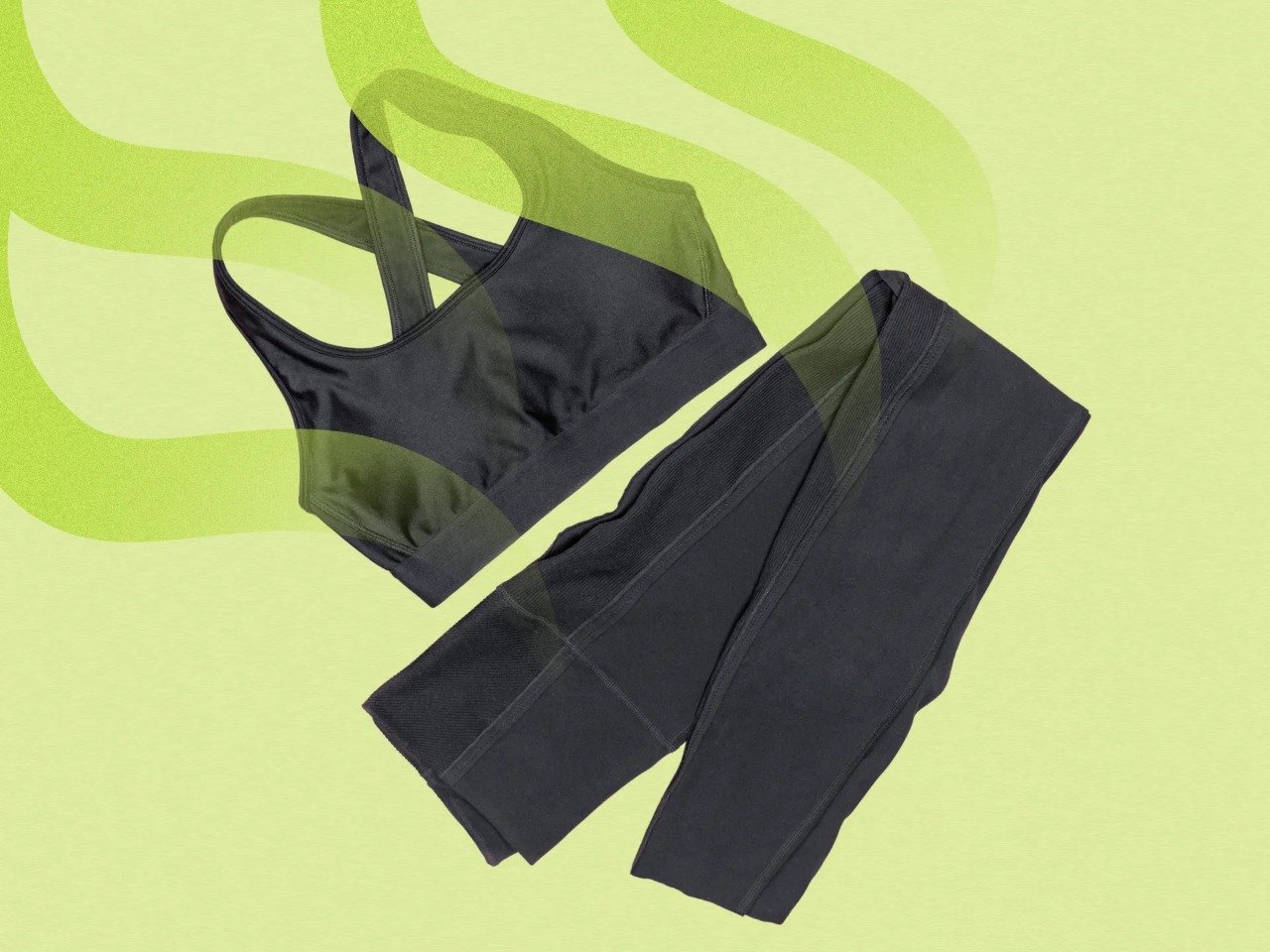
For many people trying to stay active while balancing work, errands, and daily life, laundry can feel like a never-ending chore. So the temptation to rewear workout clothes—especially after a light session—can be strong.
If the exercise didn’t produce buckets of sweat, is it really necessary to wash those leggings or that T-shirt right away?
According to dermatologists, the answer is more nuanced than a simple yes or no.
While sweat itself is mostly harmless, the real concern begins when moisture mixes with the bacteria that naturally live on the skin. Once sweat becomes trapped in fabrics—particularly synthetic workout gear—it can create the perfect environment for bacteria to thrive.
Over time, that combination can lead to unpleasant odours and, more importantly, skin irritation.
Dr. Brianna Olamiju, a New York–based dermatologist, explains that prolonged contact between sweaty fabric and skin can trigger breakouts on the chest, shoulders, and back.
Many active individuals experience what dermatologists sometimes call “workout acne,” which occurs when sweat, bacteria, and friction irritate the skin.
The problem can worsen when people remain in their sweaty clothes long after a workout ends—something that’s increasingly common in busy modern routines.
Someone might finish a gym session, run errands, sit through meetings, or meet friends without changing. The longer bacteria stay on the skin through damp clothing, the higher the chance of irritation or clogged pores.
Even when clothing is removed and worn the next day again, bacteria from the previous workout may still linger in the fabric.
However, not every workout carries the same risk.
High-intensity activities such as running, spin classes, or heated yoga sessions typically produce the most sweat and therefore pose the greatest chance of bacterial buildup. In those cases, washing workout gear after each session is the safest option.
Lower-intensity activities—like walking, stretching, Pilates, or gentle yoga—may produce less sweat, making it slightly more reasonable for some items to be worn again.
Still, individual sweat levels vary widely, so what feels like a light workout to one person may still leave another soaked.
Certain clothing items also demand stricter hygiene than others.
Garments worn closest to the skin—including sports bras, underwear, and socks—should always be changed after each workout.
These items absorb the most sweat and bacteria, increasing the risk of skin irritation if reused.
Fabric choice can also influence hygiene. Many activewear brands rely heavily on polyester and other synthetic materials designed to wick moisture away from the body.
While effective for performance, these fabrics can trap odours and bacteria more easily than natural fibres such as cotton, which tends to be more breathable.
For people hoping to extend the life of their gym outfits between washes, a few simple habits can help reduce risk. Hanging clothes to dry immediately after exercise allows airflow to remove moisture that bacteria thrive on.
Leaving damp clothing crumpled in a gym bag or laundry pile creates the opposite effect.
Changing out of sweaty clothes soon after a workout is another important step. The longer they remain on the body, the more opportunity bacteria have to irritate the skin.
A quick smell and texture check can also be useful. If the clothing still feels damp or carries even a faint odour, it is better to wash it.
Antibacterial activewear sprays may provide a temporary refresh between washes, but they should not replace proper laundering after intense workouts.
Ultimately, dermatologists agree that washing workout clothes after every wear remains the safest standard. But for lighter exercise sessions, careful judgment and good hygiene practices can offer some flexibility.
For anyone juggling fitness with busy modern life, the takeaway is simple: when in doubt, choose clean gear. Your skin will appreciate it.



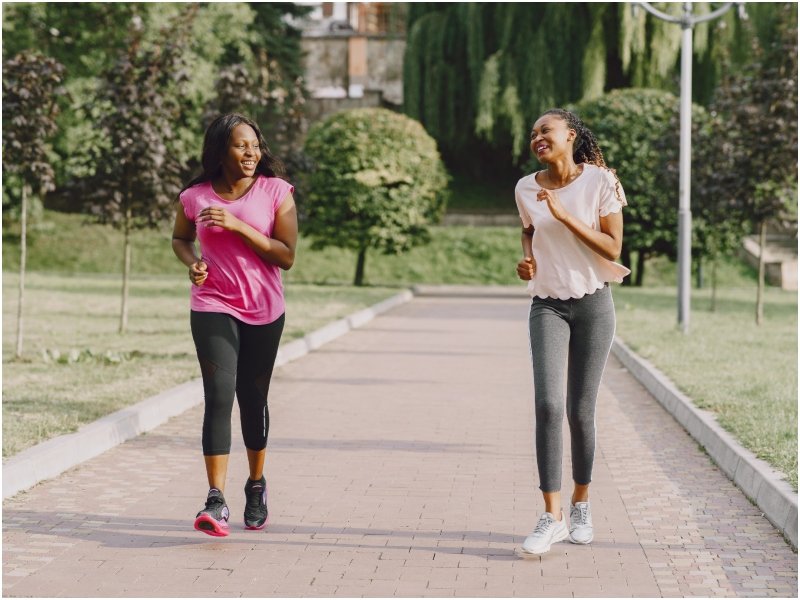
If you have ever felt that “getting fit” requires an expensive gym membership or a grueling marathon training schedule, science has some refreshing news: the most effective tool for transforming your health might already be sitting by your front door in the form of your favorite pair of walking shoes.
In an era of high-intensity interval training and complex fitness apps, the humble walk is emerging as a heavyweight champion of wellness.
For the modern professional—whether navigating the hilly terrain of Aburi or the paved streets of a global metropolis—walking offers a rare combination of accessibility and profound biological impact.
It isn’t just a way to get from point A to point B; it is a metabolic reset that targets some of our most stubborn health challenges, including visceral “belly” fat.
The Calorie Equation and Muscle Preservation
At its core, weight loss is a simple, albeit difficult, balance of energy. To shed pounds, you must burn more calories than you consume.
While a single mile walk burns approximately 107 calories, the real magic lies in what walking does for your muscles.
Unlike extreme dieting, which often causes the body to burn muscle for energy, regular walking helps preserve lean tissue.
This is a critical distinction because muscle is metabolically “expensive”—it burns more calories at rest than fat does.
By walking, you keep your metabolic engine running hot, even after you’ve kicked off your shoes.
Targeting the “Danger Zone”
Perhaps the most compelling argument for walking is its impact on abdominal obesity. Health experts define a waist circumference over 40 inches (102 cm) for men and 35 inches (88 cm) for women as a significant health risk.
This “visceral” fat isn’t just an aesthetic concern; it’s an active organ that secretes hormones linked to heart disease and diabetes.
Research indicates that 30 to 60 minutes of aerobic activity, like brisk walking, performed just three times a week, can significantly shrink these fat stores.
It is one of the few exercises that specifically targets the fat tucked deep inside the abdomen, surrounding your vital organs.
The 22-Minute Milestone
The hurdle for most people is time. However, the CDC’s gold standard for health—150 minutes of moderate activity per week—breaks down to just 22 minutes a day.
In the context of a busy Ghanaian lifestyle or a high-pressure global corporate job, this can be integrated through “micro-habits.”
Taking a walking meeting, pacing during a long phone call, or choosing a grocery store a few blocks further away can bridge the gap between a sedentary life and an active one.
Ultimately, the data shows that the best exercise is the one you actually do. Because walking improves mood by stimulating endorphins and serotonin, it feels less like a chore and more like a mental break.
For the 94% of people who successfully maintain significant weight loss, walking isn’t just a phase; it’s a permanent part of their daily rhythm.

Smoking is the single biggest lifestyle threat to your heart. But it’s not the only one.
According to the American Heart Association and the CDC, tobacco use remains a top controllable risk factor for heart disease.
Yet even non-smokers can unknowingly harm their hearts daily—through desk jobs, salty takeout, chronic stress, and skipped breakfasts. The good news? Small, enjoyable changes can dramatically lower your risk.
Why Heart Health Demands More Than One Fix
Heart disease doesn’t strike suddenly. It builds over the years from high blood pressure, unhealthy cholesterol, belly fat, and inflammation.
While quitting tobacco is the most urgent step, experts from the Journal of the American College of Cardiology and the New England Journal of Medicine point to two overlooked culprits: excess belly fat and hidden salt.
Processed and restaurant foods load Americans with nearly double the recommended daily salt, a leading driver of rising healthcare costs. But diet alone isn’t the answer.
Eat Smarter, Not Perfectly
You don’t need a drastic diet. Start with soluble fiber—oats, beans, pears, avocados—which lowers “bad” LDL cholesterol.
Eat fish twice a week; salmon and sardines deliver omega-3s that protect arteries. Swap saturated fats (red meat, butter) for healthy ones like olive oil, avocados, and eggs.
And yes, dark chocolate (in moderation) contains heart-protective flavonoids. Even one to three cups of green or black tea daily is linked to fewer heart attacks.
Move More Without the Gym
Sitting for hours shortens your lifespan, warn studies in the Archives of Internal Medicine. But you don’t need a gym membership.
Take the stairs. Walk during lunch. Vacuum with extra energy. Dance. Have sex. Each of these counts as aerobic activity.
Strength training twice a week builds muscle, which burns more calories even at rest. Interval training—short bursts of intense movement followed by rest—boosts calorie burn significantly.
Don’t Ignore Your Mood
Chronic stress, anxiety, and anger raise heart disease risk as much as a poor diet. Laughter lowers stress hormones and raises “good” cholesterol.
Knitting, woodworking, or jigsaw puzzles relieve tension. Even owning a pet improves heart and lung function. And meditation? Ten minutes daily reduces cortisol.
The Bottom Line
Your heart responds to everything—what you eat, how you move, and how you feel. Quit smoking first. Then add fiber, fish, stairs, and laughter. Small daily choices build a healthier heart faster than any crash diet.
You spend roughly a third of your life asleep—but the way you sleep may quietly be shaping your posture, spinal health, and even how you feel when you wake up each morning.
Sleep experts say that while most people focus on getting enough hours of rest, few think about how their sleeping position affects their body overnight. Yet the posture you maintain while sleeping—often for hours at a time—can place pressure on muscles, joints, and the spine.
According to spinal and orthopedic surgeon Gbolahan Okubadejo, sleep positions are considered “static” by medical professionals.
That means even though people naturally shift during the night, the body often stays in the same alignment for extended periods. Over time, that alignment can either support the spine or create unnecessary strain.
“The goal is to keep the spine in a neutral position,” Okubadejo explains. The human spine naturally forms a gentle “S” shape, with a curve in the upper back and another in the lower back. When sleeping positions exaggerate or flatten those curves, the result can be stiffness, soreness, or even chronic pain.
Sleep specialist Fariha Abbasi-Feinberg notes that while there is no single perfect sleep position, some positions place less stress on the body than others. In general, side sleeping ranks as the most supportive, followed by back sleeping, while stomach sleeping tends to be the least friendly to spinal alignment.
Still, comfort matters. Experts say the best sleep position is often the one you can maintain without constantly waking or adjusting.
Why Sleep Position Matters
Modern lifestyles may be making the issue even more important. Many people spend their days hunched over laptops, smartphones, or desks. If poor posture continues during sleep, the spine may never get the chance to recover from daytime strain.
“When spinal balance is disrupted, there’s a higher likelihood of pain,” Okubadejo says.
Fortunately, small adjustments—often involving pillows or mattress support—can dramatically improve sleep posture without forcing someone to change their preferred position.
Adjusting Common Sleep Positions
Stomach sleeping can place significant pressure on the lower back while forcing the neck to twist to one side for breathing. Over time, this can create tension or discomfort. Experts suggest using a very thin pillow—or no pillow—to reduce neck strain. Placing a pillow under the abdomen can also help prevent excessive arching of the lower back.
Back sleeping distributes body weight evenly and can support healthy alignment when done properly. A supportive pillow that keeps the neck in line with the spine is important. Placing a pillow under the knees can also reduce pressure on the lower back by maintaining the spine’s natural curve.
Side sleeping, widely considered the most spine-friendly position, naturally keeps the body in a neutral alignment. However, posture still matters. If the top leg is pulled too high toward the chest, the hips can rotate and strain the lower back. Experts recommend bending both knees slightly and placing a pillow between them to keep the hips aligned.
Upright sleeping, common during travel, presents its own challenges. Sitting fully upright can cause the head to fall forward or sideways, straining the neck. A neck pillow and a slightly reclined seat can help support the head and maintain better alignment.
Listening to Your Body
Ultimately, sleep should feel comfortable rather than forced. According to Abbasi-Feinberg, signs of poor sleep posture often show up as numbness, tingling, or persistent aches after waking.
But if someone wakes feeling refreshed and pain-free, their sleep setup is likely working.
In a world where many people already spend hours sitting at desks or staring at screens, nighttime may be one of the few opportunities for the spine to truly rest. Paying attention to sleep posture—and making small adjustments when needed—can help ensure those hours support recovery rather than contribute to discomfort.


Digital Ancestry: Why Synaptic Resonances is the Future of African Performance

Wasawasa: The Ghanaian Dish That Turns Yam Peels into Culinary Gold

From Records to Roots: Discover Your Family Story in This Global Webinar
-

 Business2 days ago
Netherlands Reclaims Position as World’s Top Exporter of Cocoa Products, Ghana Remains Key Supplier
-

 Festivals & Events16 hours ago
A Sunday to Remember: Immersing in the Soulful Power of ‘Before His Throne’
-

 Ghana News24 hours ago
Ghana Leads African Central Banks in Gold Reserve Accumulation as Global Buying Wave Hits $2 Billion
-

 Africa Watch2 days ago
U.S. Warns Citizens to Reconsider Travel to Nigeria Citing Terrorism
-

 Africa Watch2 days ago
Pope Leo XIV to Embark on Ambitious 10-Day Tour of Four African Nations
-

 Ghana News1 day ago
Catholic Bishops Reject Trivialization of LGBTQ+ Debate by Mahama Government: ‘Nations Do Not Live by Bread Alone’
-

 Fashion & Style17 hours ago
How Bondaana Tailored Mahama’s Power Move in Paris
-

 Ghana News24 hours ago
LGBTQ Debate Intensifies After Mahama Comments, Moody’s Upgrades Ghana Outlook and Other Big Stories Today