
Reels & Social Media Highlights
How NAM1, Sam George, and Amoako Attah Stole April 2nd

If you listened closely to the Ghanaian internet on Thursday, April 2nd, 2026, you didn’t hear silence. You heard a dondo—a talking drum—beating three different rhythms at once.
One for justice delayed. One for a politician’s ghost of promises past. And one for a man of God who says the sky is bending low.
Let me walk you through the feeds.
The Gold That Would Not Speak
It started in the morning. A court in Accra opened its doors, and the ghost of Menzgold walked in.
Nana Appiah Mensah—NAM1—was supposed to testify via video link. Thousands of customers, their life savings turned to dust, leaned forward on their phones. They wanted to see him answer.
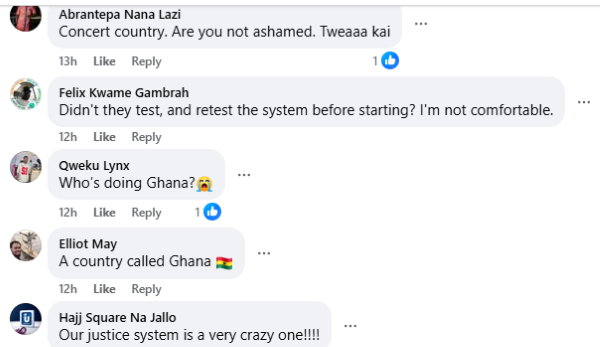
Instead, the court said: “Technical challenges.”
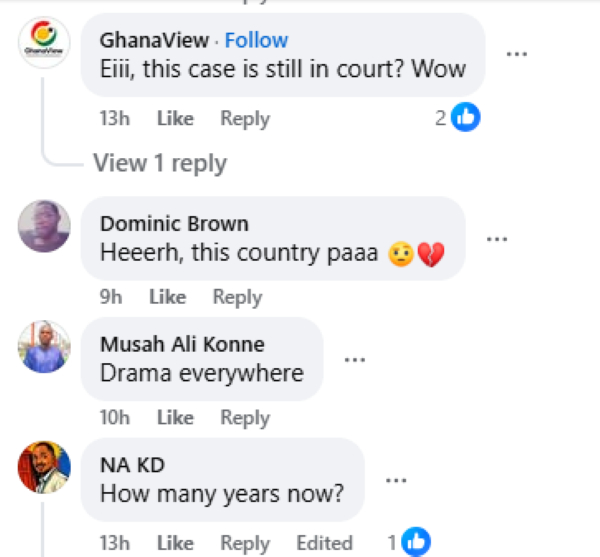
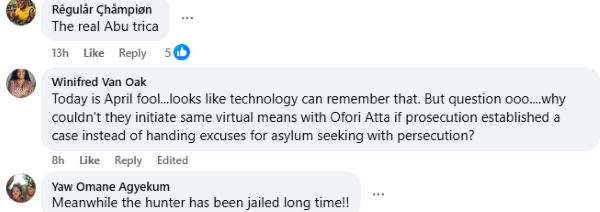
Just like that, the case slipped to April 16th. Twitter erupted. A user named @RealAbuTrica posted the line that became the anthem of the day:
“The real Abu Trica. Meanwhile, the hunter who stole a fowl has been jailed for three years.”
You see, in Ghana, we remember. A few weeks ago, a man was sentenced for stealing a hunter’s catch. But a gold dealer? He walks free, delayed by “bad Wi-Fi.” The joke wrote itself. The anger was real.
The Video That Refuses to Die
Just as the NAM1 storm was peaking, a different ghost appeared.
Sam George—the fiery Communications Minister—was trending for something he used to say. Old clips crawled out of the archives. In them, a younger, opposition Sam George points a finger at then-candidate John Mahama:
“You will know no peace until the anti-LGBTQ+ bill is passed.”
The comments section became a courtroom. “He was loud when he had nothing,” one person wrote. “He is quiet now that he has power.”
Then musician Wanlov stepped in. He posted:
“Encouraging to see Mahama shift focus. The bill is a distraction.”
And just like that, the political internet split in two. Old loyalties vs. new realities. The video kept looping. The debate kept burning.
The Prophet and the Panic
By afternoon, the tone shifted.
Apostle Francis Amoako Attah released a video. His voice was low. Urgent. He didn’t name the danger, but he said: Pray. Fast. Watch.”
Within hours, Facebook Live streams were filled with trembling voices. Some called for three days of national fasting. Others rolled their eyes. “He has done this before. Nothing will happen. Stop spreading anxiety,” read a top comment on his Facebook page.
But that’s the thing about prophecies in Ghana. Even the skeptics check their doors twice. Even the non-believers share the video—just in case. The algorithm loved it. The people? Half terrified, half exhausted.
Why This All Matters
Ghanaian social media is not just entertainment. It is a living archive of our contradictions.
We chase justice for the poor while the rich buy adjournments. We demand fire from our leaders, then punish them when the fire burns too hot. We laugh at prophecies, but we don’t sleep soundly after watching them.
On April 2nd, 2026, the internet didn’t just trend. It told a story about who we are right now: angry, hopeful, spiritual, and deeply, deeply online.
And somewhere in Accra, a young person refreshed their feed at midnight, smiled at the chaos, and whispered:
“Only in Ghana.”








Reels & Social Media Highlights
A Bow, a Blow, and a Win: How Ghanaians Are Roasting, Celebrating, and Grieving All at Once on Social Media
It has been a weekend of emotional whiplash for Ghanaians online. While the nation secured a major diplomatic victory on the global stage, the streets (and timelines) are buzzing about a heavy football defeat and a political gesture that has everyone talking.
The Viral Moment: A Bow or a Nod?
The internet is divided over a clip of Ashanti Regional Minister Frank Amoakohene appearing to bow to a portrait of former President Nana Akufo-Addo.
Critics call it excessive loyalty, while supporters argue it was a simple nod. Amoakohene, who recently taunted the NPP by claiming he is “more popular” than their flagbearer, Dr. Mahamudu Bawumia, has successfully kept the opposition party at the center of online chatter.
The moment Ashanti Regional Minister Dr Frank Amoakohene paused to admire the portrait of former president Nana Addo Dankwa Akufo-Addo.#MGCC #TV3GH pic.twitter.com/xm1IUvnHsn
— #TV3GH (@tv3_ghana) March 26, 2026
Football Frustration
Meanwhile, the Black Stars’ 5-1 thrashing by Austria has triggered a wave of national sorrow. A hilarious clip of actress Nana Ama McBrown reacting in shock during a live event has gone viral, offering a moment of comic relief.
“Never lose hope” but Nana Ama McBrown lost hope in the Black Stars 😭💔 Watch the moment Her Excellency noticed the team has conceded another goal 😂#OnuaTV pic.twitter.com/8kUtdNxePq
— #OnuaTV (@OnuaTV) March 27, 2026
However, the defeat has reignited a political firestorm, with critics resurrecting President Mahama’s 2016 assertion that “nothing is working”—suggesting the rot has spread to the national team.
A Diplomatic High
Amidst the noise, Ghana is celebrating a diplomatic win. Jamaica officially endorsed the Ghana-led UN resolution recognizing slavery as a crime against humanity.
Despite the EU clarifying its abstention, Ghanaians are engaging in proud conversations about justice and heritage.
Reels & Social Media Highlights
What’s Trending in Ghana: Football, Influencers and Politics Take Over Social Media

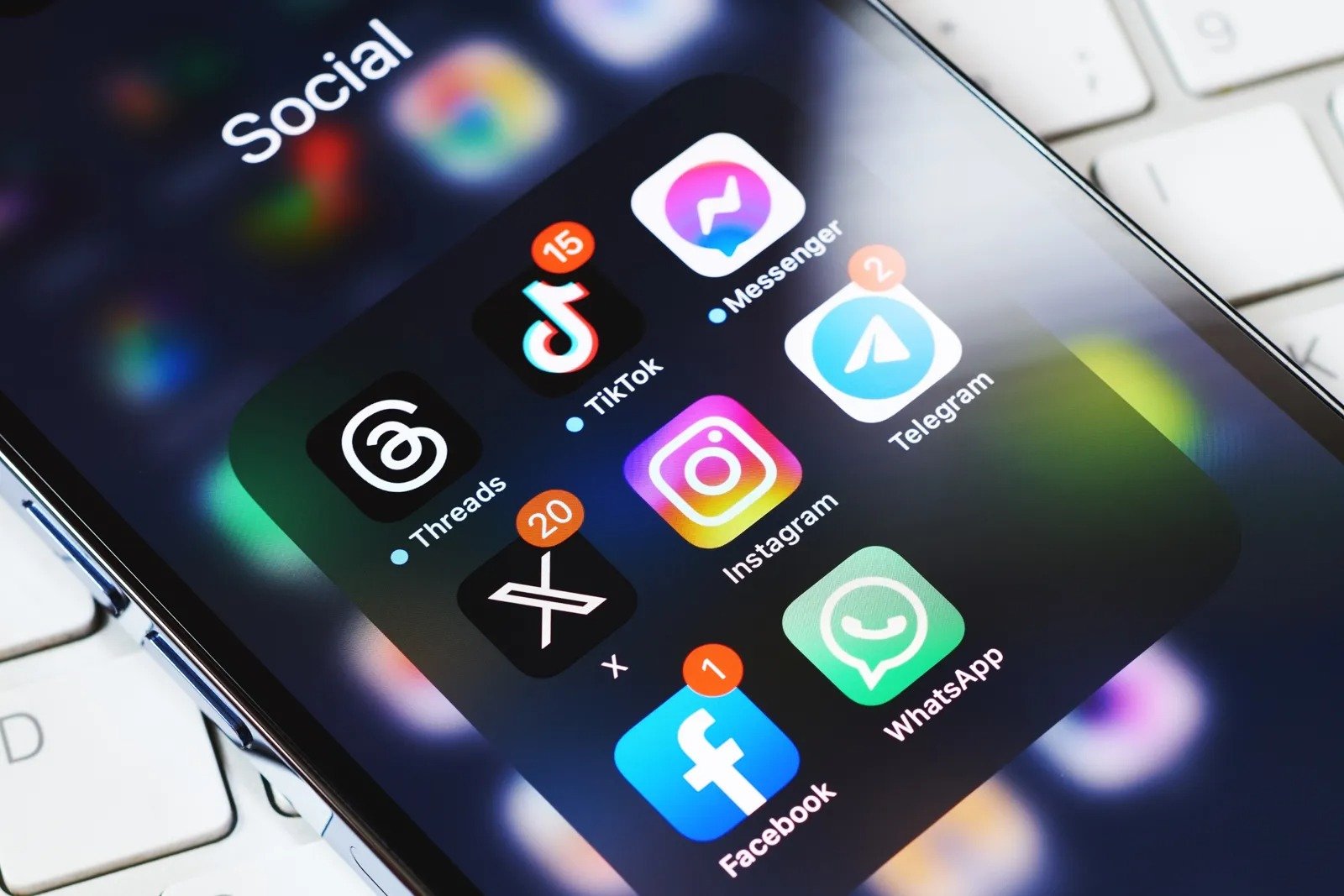
Social media timelines in Ghana were buzzing with a mix of football debates, influencer conversations, and political chatter.
Platforms like Facebook and X reflected what Ghanaians were talking about in real time—showing once again how sport, entertainment, and politics dominate the country’s online discussions.
One of the biggest conversations revolved around European football. The names Antoine Semenyo and Thomas Partey sparked heated debates among fans, especially alongside trending discussions about Arsenal F.C. and its manager, Mikel Arteta.
From Mikel Arteta's interview that the sole reason for starting Kepa was because it wouldn't have been fair for him, if he hadn't started clearly tells you that he uses emotions when doing team selection. And it'll cost him badly, had he started Raya we would have gotten… pic.twitter.com/akb3wywxop
— all arsenal news (@Alarsenalnews_) March 24, 2026
Football remains Ghana’s most powerful online conversation driver, and supporters used X to argue tactics, celebrate performances, and speculate about upcoming matches.
Another topic gaining traction involved Ghanaian influencer culture. Popular YouTuber Kwadwo Sheldon trended heavily after online debates about commentary on entertainment and celebrity issues.
Social media users dissected clips from his platforms and debated the growing influence of digital commentators on public opinion.
This Kwadwo Sheldon guy be ungrateful waaa
— Gh Durk 🇬🇭🌎 (@Gh_Durk) March 16, 2026
2 years ago Medikal bought a plane ticket for you to London without asking you for anything
Today you want TGMA to remove his album from this category and replace it with your favourites just because you no longer get food from him… https://t.co/lNrpyNIPfN pic.twitter.com/GRdOnDBIlT
Discussions like these highlight how Ghana’s creator economy continues to shape online narratives, with influencers often setting the agenda for wider debates.
This guy came all out for Kwadwo Sheldon
— KASOA REPUBLIC 🕊️ (@_Lakerz_) March 23, 2026
• Says Sheldon only picks on “small boys” like Prosper BYK, Ruf_ayi and the Uni Boys
• He said he dragged Sheldon’s wife, saying her toenails are “dead” and Sheldon couldn’t retaliate.
• He said Sheldon can never match up to Kobby… https://t.co/Zty0NKCiku pic.twitter.com/ultSYRv1VI
Politics also made its way into trending topics. Mentions of Sammy Gyamfi and debates about local governance—including conversations around the Accra mayoral position—sparked strong opinions.
Political conversations on X often blend serious policy debate with sharp humour and memes, making them some of the most widely shared posts of the day.
Together, these trends show the unique mix that defines Ghana’s digital culture: passionate football fandom, outspoken online personalities, and politically engaged citizens.
In a country where social media acts as both a public square and an entertainment hub, the conversations that trend each day offer a snapshot of what truly captures the nation’s attention.
If Ghana’s social media landscape were a marketplace, today’s chatter on Facebook and X would be the busiest stalls, hawking a mix of political tension, societal grief, and delicious carbs.
On March 18th, 2026, three distinct conversations are vying for the nation’s attention, reflecting a country grappling with the rule of law, public safety, and cultural identity.
The ‘Free Abu Trica’ Movement Intensifies
The courtroom drama surrounding businessman Abu Trica has exploded onto the streets and timelines. Following his court appearance at the Gbese High Court today, tensions in Swedru escalated as youth protested his potential extradition to the U.S. on fraud charges.
Read Also: Ghana’s Social Media Pulse: From Viral Dances to Political Firestorms
A video of community members making a direct, emotional appeal to President Mahama has gone viral, with one protester pleading, “President Mahama, do not let a few sell seekers destroy your government”.
The debate on X is razor-sharp; while some see nationalism, others argue, “no one is above the law”.
This is not a political issue, but we are all praying for Trica. Laws shouldn’t work because you voted for a party. Let him prove himself against the law.
— Afia Papabi (via Yen.com.gh)
Mob Justice: A “Too Frequent” Tragedy
A darker narrative is unfolding in the Ashanti Region. The lynching of two scrap dealers, Alhassan and Nagolo, at Ntensere has sparked national outrage.
Residents accused the men of attempting to steal a child, leading to a brutal mob killing that has left the Scrap Dealers Association president crying out against the frequency of such attacks.
This tragedy has reignited a fierce conversation on X about jungle justice, with users demanding police reform and condemning the ease with which communities resort to violence.
The ‘Akyeke’ Takeover
On a lighter note, your timeline is likely making you hungry. As part of Heritage Month, the Ivorian-adopted dish, Akyeke, is officially the trending cuisine.
From street vendors in Sunyani to high-end Accra brunch spots, the fermented cassava dish is being served as “Akyeke Jollof” or with grilled tilapia.
It’s a delicious debate on cultural integration, with foodies celebrating how Ghana has “naturalized” the dish as its own.


Renowned Global Bodies Warn Middle East War Will Scuttle Africa’s 2026 Growth

Ex-President Akufo-Addo and President Mahama Exchange Pleasantries on Easter

Mahama Calls Christ’s Birthplace an ‘Epicentre of War’, New Airport Concourse Planned and Other Big Stories in Ghana Today
-

 Business2 days ago
Ghana Turns to Russian Fuel to Cushion Impact of Global Energy Crisis
-
 Tourism2 days ago
5 Things You Need to Know About Ghana’s Visa-Free Entry for All Africans
-
 Ghana News10 hours ago
Ghana President Convenes Emergency Cabinet Meeting to Cushion Ghanaians from Soaring Fuel Prices
-
 Ghana News10 hours ago
Mahama Calls Christ’s Birthplace an ‘Epicentre of War’, New Airport Concourse Planned and Other Big Stories in Ghana Today
-
 Ghana News10 hours ago
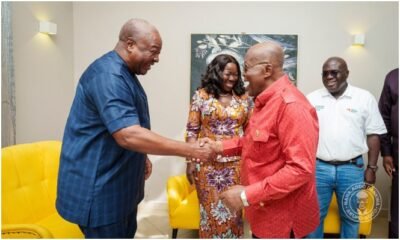
Ex-President Akufo-Addo and President Mahama Exchange Pleasantries on Easter
-
 Ghana News2 days ago
Ghanaian Stowaways Bound for Europe End Up in Nigeria After Five Days at Sea
-
 Ghana News2 days ago
Here Are the 10 Key Agreements Signed Between Ghana and Zimbabwe During Mnangagwa’s State Visit
-

 Health & Wellness2 days ago
3 Surprising Signs Your Body Is Building Muscle