
Ghana News
Ghana News Live Updates: Catch up on all the Breaking News Today (Feb. 10, 2026)


Stay tuned for real-time developments shaping Africa and the world. Bookmark this page and return often for fresh summaries as stories evolve. (Updated February 10, 2026)
Police Shoot Suspect Dead, Recover Stolen Hilux in Residential Robbery Case
The Ghana Police Service has shot and killed a suspected armed robber and recovered a stolen Toyota Hilux pickup, an iPhone 16 Pro Max, and other exhibits following an intelligence-led operation in Accra.
Source: GhanaNewsGlobal
GH¢1 Billion Bawku Restoration Fund Announced
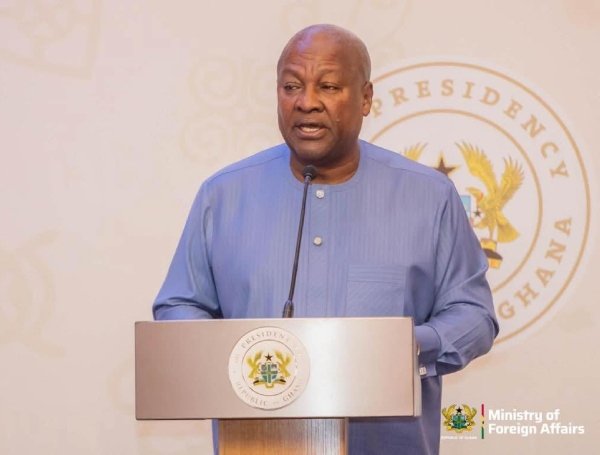
President John Dramani Mahama has announced a GH¢1 billion Bawku Restoration Fund to accelerate development in the six districts that constitute the Bawku area, as relative calm returns to the conflict-affected region. The President made the announcement on Tuesday at the Jubilee House during a courtesy call by the Upper East Regional House of Chiefs.
Source: ISD
Mahama Orders Investigation into District Assembly’s Alleged Taxation of Illegal Mining Equipment
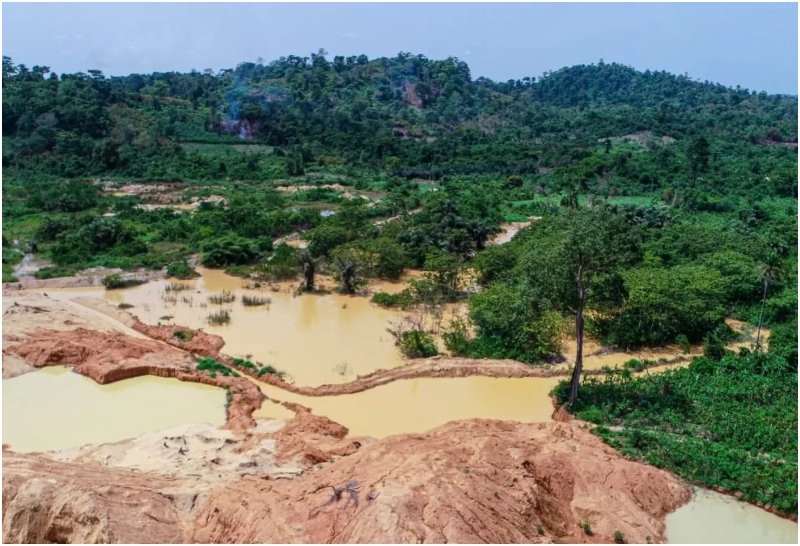
President John Dramani Mahama has directed the Minister for Local Government, Chieftaincy and Religious Affairs, Ahmed Ibrahim, to immediately investigate allegations that the Amansie Central District Assembly has been collecting fees from illegal miners operating banned changfang mining equipment. The order follows a JoyNews Hotline Documentary exposé titled “A Tax For Galamsey,” which revealed a system where miners allegedly pay GH₵6,000 annually for stickers permitting the use of prohibited mechanised floating platforms that pollute water bodies. The assembly denied introducing the system for profit, stating it inherited an existing arrangement from 2008 across administrations. The President’s directive aims to enforce the nationwide ban on changfangs and ensure accountability for local authorities.
Source: MyJoyOnline
Angry NDC Executives Close Down Tema Central NHIS Office
Executives of the National Democratic Congress (NDC) forcibly closed the Tema Central office of the National Health Insurance Scheme (NHIS) on February 10, 2026, by locking it with chains and padlocks in protest against alleged unfair and exclusionary appointments. They accused authorities of sidelining loyal party members and favoring individuals with no NDC ties. The action halted NHIS operations, preventing residents from accessing healthcare services. Discussions are ongoing to resolve the impasse, with no immediate police or security intervention reported.
Source: GhanaWeb
Baba Jamal Interrogated by Special Prosecutor Over Vote-Buying Claims
Mohammed Baba Jamal Ahmed, NDC MP-elect for Ayawaso East, was interrogated by the Office of the Special Prosecutor (OSP) on February 10, 2026, over allegations of vote-buying during the February 7 parliamentary primaries. His mobile phones were seized, and he reportedly spent the night in OSP custody while investigators continued their work. Baba Jamal admitted giving out gifts, including TV sets, during the primary week. He was later released on self-recognisance bail. The probe is part of broader investigations into vote-buying in recent NPP and NDC primaries.
Source: MyJoyOnline
Mahama to Hold Emergency Cabinet Meeting on Cocoa Sector Challenges
President John Dramani Mahama has scheduled an emergency Cabinet meeting for Wednesday, February 11, 2026, to address severe financing challenges, liquidity shortfalls, and delayed payments to cocoa farmers and Licensed Buying Companies (LBCs). Minister for Government Communications Felix Kwakye Ofosu announced the session via X, noting the issues threaten sector stability. The meeting follows warnings from the Licensed Cocoa Buyers Association of Ghana (LICOBAG) that emergency financing is needed for 300,000 tonnes of beans through September to avert collapse.
Source: MyJoyOnline
High Court Dismisses Gifty Oware’s Application for Supreme Court Referral
The High Court in Accra has dismissed an application by Gifty Oware-Mensah, former Deputy Executive Director of the National Service Authority (NSA), seeking to halt her trial and refer constitutional issues to the Supreme Court. Oware-Mensah, on trial for stealing, causing financial loss to the state, using public office for profit, and money laundering in the alleged GH¢38 million National Service ghost names scandal, challenged a Practice Direction requiring disclosure of witnesses at case management. Justice Audrey Kocuvie-Tay ruled the defence failed to show a genuine constitutional question. The case was adjourned to February 18, 2026, with a stay of proceedings pending a motion.
Source: MyJoyOnline
Ayawaso East Vote-Buying Probe Committee to Submit Report Today
The special committee set up by the NDC to investigate allegations of vote-buying and inducement during the February 7 Ayawaso East parliamentary primaries is expected to submit its findings today, February 10, 2026. The probe was launched after reports surfaced of delegates receiving items such as boiled eggs, mobile phones, and flat-screen TVs. The committee’s report will inform any disciplinary actions, with the party already condemning the alleged breaches of its reset agenda and electoral principles.
Source: Citi Newsroom
Ghana’s Anti-Corruption Efforts Stagnate as CPI Score Remains 43
Ghana’s score on Transparency International’s Corruption Perceptions Index (CPI) has remained stuck at 43 out of 100 for the third consecutive year, according to the 2025 ranking released February 9, 2026. The country ranks 70th out of 180 nations, unchanged from 2024, despite government promises of stronger enforcement. Analysts attribute the stagnation to persistent challenges in public procurement, political financing, and judicial independence, calling for urgent institutional reforms to improve perceptions and outcomes.
Source: MyJoyOnline
Prices Have Come Down Across the Board – GUTA President Pushes Back at Doubts
Ghana Union of Traders Association (GUTA) President Dr. Joseph Obeng has insisted that consumer prices have fallen significantly in recent months, countering public complaints that cost-of-living relief is not being felt. Speaking on February 9, 2026, he pointed to lower fuel prices, stable food imports, and reduced port charges as drivers, urging Ghanaians to acknowledge macroeconomic gains even as some traders and households report lingering high costs for essentials.
Source: MyJoyOnline
Abu Trica Sues Interior Minister, AG, NACOC, FBI & EOCO for GH¢10m in Damages
Businessman Abu Trica has filed a GH¢10 million lawsuit against Interior Minister Muntaka Mohammed-Mubarak, Attorney-General Dominic Ayine, NACOC, FBI, and EOCO, alleging malicious prosecution, defamation, and rights violations stemming from his 2023 arrest and detention over alleged drug trafficking links. The suit, filed February 9, 2026, claims the agencies acted without evidence and damaged his reputation, seeking compensation and a public apology.
Source: MyJoyOnline
Late Major-General Kotoka’s Family, Chiefs Oppose Airport Renaming
The family of the late Major-General Emmanuel Kwasi Kotoka and chiefs from the Volta Region have strongly opposed any move to rename Kotoka International Airport, arguing it would erase a key historical figure who helped liberate Ghana from perceived authoritarian rule in 1966. Speaking on February 9, 2026, they described the proposal as disrespectful to Kotoka’s legacy and the region’s contribution to national history, urging Parliament to preserve the name.
Source: GhanaWeb
Dropout at Class 6, Married to a 35-Year-Old: Obolo Shares Touching Story
A young Ghanaian woman known as Obolo has shared her inspiring life story on social media, revealing she dropped out of school at Class 6, faced early marriage at 15 to a 35-year-old man, endured hardship, but eventually built a successful small business. Her February 2026 post has gone viral, inspiring many with its message of resilience, self-belief, and overcoming adversity despite limited formal education.
Source: GhanaWeb
Oforikrom MP Sets Record Straight on Alleged Abandonment of Afenyo-Markin
Oforikrom MP Dr. Zanetor Agyeman-Rawlings has refuted claims that NPP MPs abandoned Minority Leader Alexander Afenyo-Markin during a recent parliamentary session, clarifying that she and others were present and actively supporting party positions. In a February 9, 2026, statement, she described the allegations as misleading and politically motivated.
Source: GhanaWeb
Woman Sets Alpha Hour Convener’s Church Auditorium on Fire
A woman has been arrested after allegedly setting fire to the auditorium of Alpha Hour convener Rev. Obofuor in Kumasi on February 8, 2026. Police say the suspect confessed to the act, citing personal grievances. The fire caused significant damage to the structure but no casualties were reported. Investigations continue.
Source: GhanaWeb
Ghana Quietly Ditching ATMs as Mobile Money Takes Over Banking
A new report shows Ghana is rapidly shifting away from traditional ATMs, with mobile money transactions now dominating daily banking activity. Data from the Bank of Ghana and fintech analysts indicate that in 2025, mobile money volumes surpassed ATM withdrawals by over 300%, driven by widespread adoption of platforms like MTN MoMo, Vodafone Cash, and AirtelTigo Money. Experts say the trend reflects growing digital trust, convenience, and inclusion.
Source: Citi Newsroom









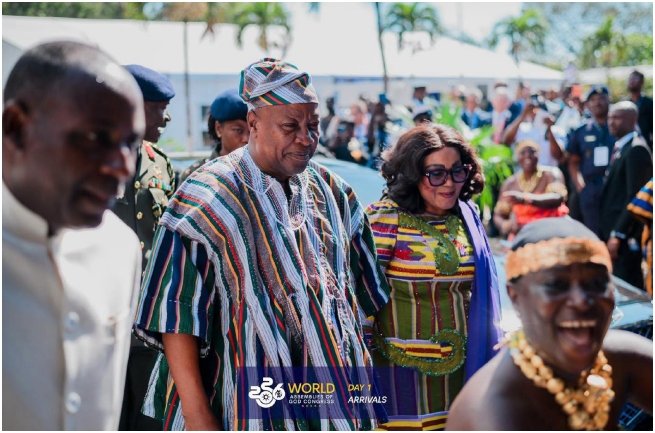
President John Dramani Mahama has challenged thousands of church delegates gathered in Ghana’s capital to measure the success of their global congress not by the eloquence of its sermons, but by the lives they transform after the final prayer is said.
“The lasting story of this conference, this congress, will be written in the lives that we touch after the closing prayer,” Mahama told more than 10,000 participants at the opening ceremony of the 10th Triennial Congress of the World Assemblies of God Fellowship on Wednesday, October 14, 2026.
The president urged delegates to return to their home countries with concrete plans to serve their communities — mentoring young people, supporting schools, strengthening health ministries and standing beside congregations serving under difficult conditions.
Faith Must Be Tangible
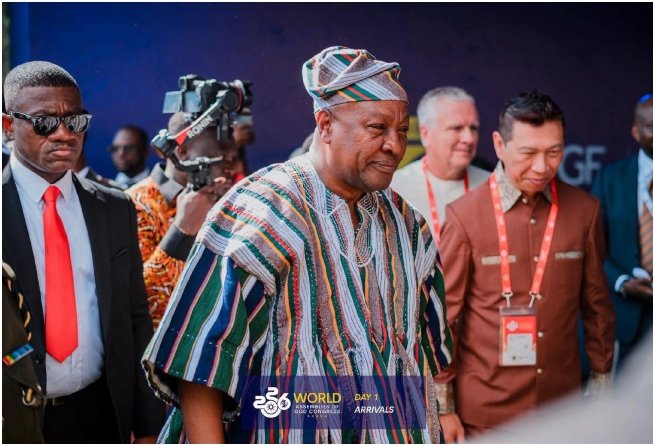
Mahama argued that faith becomes real only when it meets human need. He offered a vivid portrait of what practical Christianity looks like: a hungry child receiving a meal, a patient treated with compassion, a young person acquiring a skill, a widow finding companionship, and a struggling family receiving support from its community.
He called on the church to give greater attention to the relationship between preaching the gospel and serving people in practical ways, saying the two must not be separated.
“Spiritual authority entails a duty of care,” the president said, stressing that churches must provide safe environments for children and vulnerable people. He warned that spiritual leadership carries a responsibility to protect the trust placed in it through responsible conduct.
A Warning on Youth and Technology
Turning to youth development, Mahama acknowledged that young people today are growing up in a world of extraordinary opportunity, but also considerable pressure. Technology, he said, connects young people across continents while simultaneously exposing them to constant comparisons, misinformation and competing expectations about who they should become.
He urged churches and families to create environments where young people can ask questions freely, receive guidance, develop their abilities and take on meaningful responsibilities. Delegates, he said, should mentor young people by listening to them, offering opportunities for service and modelling integrity.
The president also called on the church to recognise the contributions of women of faith, saying their wisdom, talents and leadership deserve full recognition.
A Call for Global Solidarity
Addressing the global nature of the fellowship, Mahama expressed hope that members with greater resources would find ways to support those with fewer. The fellowship, he said, would grow stronger when its members shared their gifts and stood with one another through difficult times.
He also spoke directly to the responsibility of public office, saying those entrusted with power had a particular duty to serve with humility, honesty and integrity. Faith, he added, should deepen respect for citizens and concern for those whose voices are least likely to reach the centres of power.
Historic Honour for a Pentecostal President
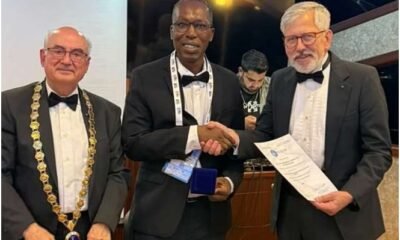
At the ceremony, the World Assemblies of God Fellowship presented Mahama with its maiden Global Leadership Excellence and Trailblazer Award. The citation described him as the first member of the Assemblies of God worldwide to become president of a country — a milestone for the denomination.
Organisers also presented him with a Bible and urged him to allow the Word of God to guide his leadership.
The fellowship honoured First Lady Mrs. Lordina Mahama for her work supporting vulnerable people through her compassion ministry.
Former Malawian President Dr. Lazarus Chakwera also received the Global Leadership Excellence Award. His citation described him as the second member of the denomination — and the first minister of the gospel within the fellowship — to become president of a country.
Prayers for Wisdom and Redistribution
Following the awards, general superintendents and Ghanaian church leaders gathered around Mahama to pray for him. The prayer leader, Reverend Dominic Yeo, the fellowship’s Global Chairman, asked God to grant the president “divine wisdom” and prayed for the continuation of what he described as a reformation agenda.
He also prayed for “a redistribution of wealth throughout this nation so that all Ghanaians will be blessed,” a prayer that resonated beyond the sanctuary walls in a country where economic inequality remains a pressing concern.
A Global Gathering in Accra
The 10th Triennial Congress has drawn more than 10,000 participants to Accra, making it one of the largest Pentecostal gatherings on the continent this year. The event brings together delegates from across the global fellowship, reflecting the denomination’s growing presence in Africa and beyond.
For Mahama, however, the congress’s true significance will not be found in its attendance figures or its ceremonies — but in what delegates do once they return home.
“Faith becomes tangible,” he said, “when a hungry child receives a meal, a patient is treated with compassion, a young person acquires a skill, a widow finds companionship and a struggling family receives support from its community.”
The closing prayer, it seems, is only the beginning.
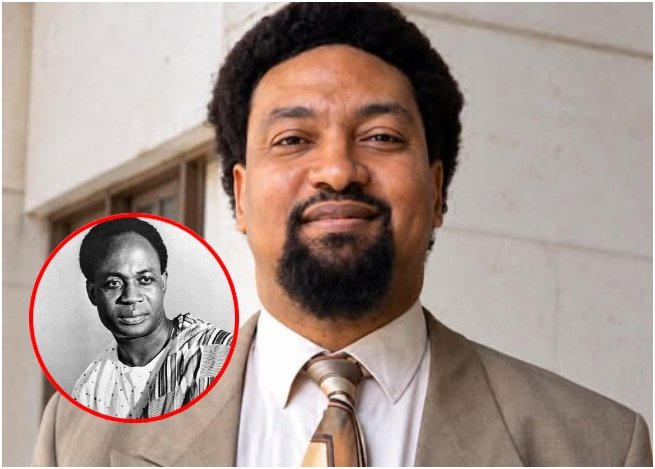
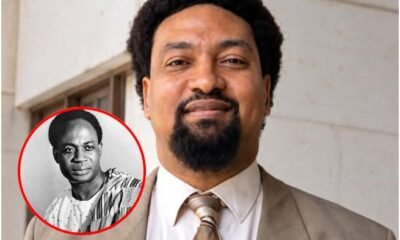
Gamal Gorkeh Nkrumah, the journalist, writer, and intellectual son of Ghana’s founding president, Osagyefo Dr. Kwame Nkrumah, has died in Cairo, Egypt, following a prolonged illness. He was 67.
The Nkrumah family announced his passing in a statement released Tuesday, describing it as “a profound loss not only to our family and loved ones, but also to the wider community of friends, colleagues and readers who valued his insight, humanity and unwavering engagement with the great questions of our time.”
According to the family, Gamal Nkrumah passed away peacefully after receiving care at a rehabilitation centre, where he had been recovering from a stroke.
A Life of Intellectual Engagement
Born in 1958, Gamal Nkrumah carved out a distinct identity as a newspaper journalist and commentator, dedicating his voice and intellect to examining the political, social, and cultural forces shaping Africa and the wider world.
Throughout his life, the family said, he remained “deeply committed to the ideals of justice, human dignity, African unity and international solidarity.”
Described as a man of “profound intellectual curiosity, independence of thought and quiet conviction,” Gamal carried forward the legacy of his father in his own distinctive way, while building a reputation firmly grounded in his own principles and achievements.
His passing marks the loss of a respected voice in African journalism and intellectual life, one whose work spanned continents and engaged deeply with the pressing issues of his time.
A Family in Mourning
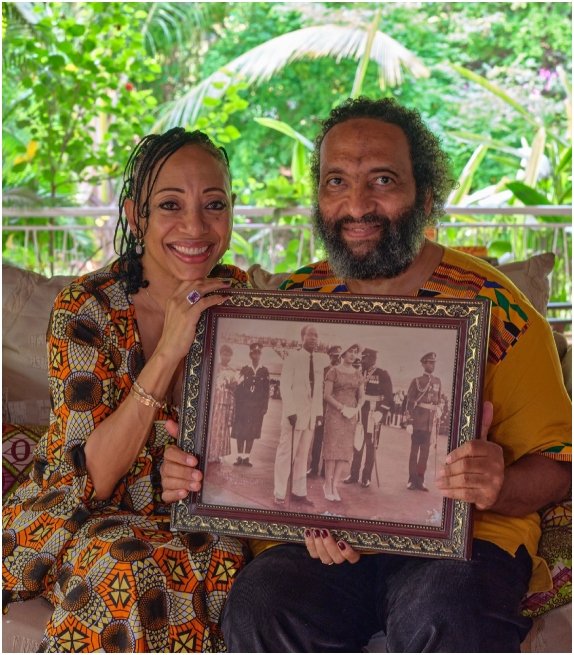
Gamal was one of the acknowledged children of Kwame Nkrumah and Fathia Nkrumah. He is survived by his siblings: Samia Nkrumah (born 1960), a politician and former leader of the Convention People’s Party (CPP); Dr. Francis Nkrumah (born 1962), a paediatrician; and Sekou Nkrumah (born 1964), a politician and photographer.
The Nkrumah family remembered Gamal “with immense love, gratitude and pride,” stating that “his wisdom, kindness and devotion to the values he held dear will remain an enduring source of inspiration.”
Gratitude and Requests for Privacy
In their statement, the family expressed heartfelt appreciation to all those who stood with Gamal throughout his illness, particularly the medical professionals and caregivers in Cairo who provided him with care and dignity.
They also extended “deepest thanks” to the governments and people of his two countries, Egypt and Ghana, for their generous support.
The family has kindly requested privacy as it mourns this deeply personal loss. Details concerning memorial arrangements and opportunities to pay tribute to his life and legacy will be communicated in due course.
“May he rest in eternal peace,” the statement concluded.
Ghana News
Ohio Court Orders Ghanaian Care Worker to Repay $53,278 After Workers’ Compensation Fraud Conviction
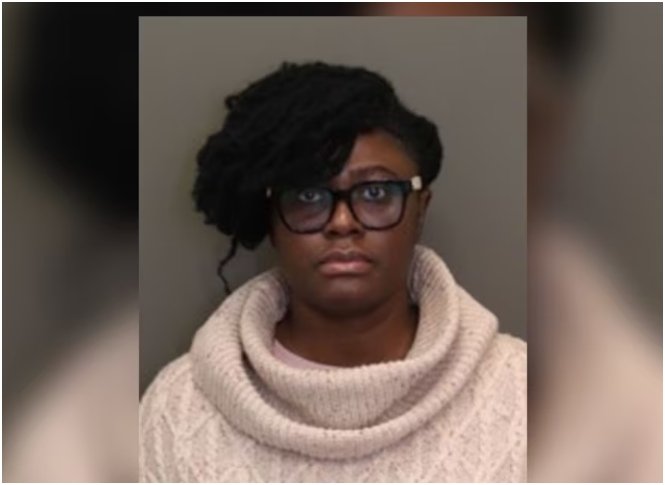
Betty Boateng, 50, of Columbus, pleaded guilty to a fifth-degree felony after investigators found she collected disability benefits while working for two in-home care employers
A US-based Ghanaian woman has been ordered to repay more than $53,000 to the state of Ohio after admitting she collected workers’ compensation disability benefits while simultaneously holding paid jobs, authorities announced.
Betty Boateng, 50, of Columbus, pleaded guilty to one count of Workers’ Compensation Fraud, a fifth-degree felony, following an investigation by the Ohio Bureau of Workers’ Compensation (BWC) Special Investigations Department, the agency said in a news release dated October 9, 2026.
Investigators found that Boateng “knowingly and with fraudulent intent returned to work for two different employers during periods when she was receiving BWC disability benefits to which she was not entitled.”
Evidence gathered during the probe showed she earned wages while continuing to accept disability checks, resulting in improper payments totaling $53,278.40.
Sentencing in Franklin County
On September 23, 2026, a judge in the Franklin County Court of Common Pleas accepted Boateng’s guilty plea and proceeded directly to sentencing, ordering:
- A 12-month suspended sentence
- 60 months of community control
- Mandatory reporting requirements
- Restitution of $53,278.40 to the Ohio BWC
- Waiver of fines, with court costs imposed
The case centered on Boateng’s work providing non-medical in-home care services for multiple employers, work she performed while receiving disability benefits she was not entitled to.
“Fraud Hurts Honest Workers”
BWC Administrator Stephanie McCloud said the agency remains committed to protecting the state’s workers’ compensation fund.
“Fraud against the workers’ compensation system hurts honest Ohio workers and employers,” McCloud said. “We are committed to holding accountable those who abuse the system and ensuring that funds remain available for individuals truly in need.”
The BWC urged anyone who knows of or suspects workers’ compensation fraud to contact its Special Investigations Department at 1-800-OHIO-BWC.
A Cautionary Tale for the Diaspora
The conviction adds to a growing list of cases involving Ghanaian nationals abroad facing fraud-related charges in the United States. Ghanaian communities in the US — particularly in cities such as Columbus, which has a sizable Ghanaian population — have increasingly been urged to understand the strict compliance rules attached to public benefit programs.
Workers’ compensation fraud in Ohio can be prosecuted as a felony depending on the amount involved, and convictions typically require full restitution in addition to any criminal penalties.


Dressing for Your Shape: How Strategic Styling Can Transform Everyday Fashion

The Scale Can Lie: Why Lifting Weights May Help You Lose More Fat

Ghana’s Timeline Erupts: Showboy’s Crude Plea, Asantewaa’s Silence, and a Nation Divided
-
 Ghana News17 hours ago
OBITUARY: Gamal Gorkeh Nkrumah, Son of Ghana’s Founding President, Dies in Cairo
-

 Festivals & Events2 days ago
LALID LIVE 2026: An Evening of Entertainment and Connection in Accra
-

 Sights and Sounds1 day ago
EPP BookShop at Legon: A Destination for Students, Families and Book Lovers
-

 Health & Wellness20 hours ago
Walking Is More Than Exercise: Small Steps That Can Transform Your Health
-

 Festivals & Events16 hours ago
MaddFest 2027: Welcome the New Year with a Night of Celebration in Accra
-

 Taste GH2 days ago
From Waakye to Fufu: How to Enjoy Ghanaian Food and Eat Well
-
 Homes & Real Estate1 day ago
Building Smarter in Ghana: Could Plastic Rebar Clips Improve Construction Efficiency?
-
 Arts and GH Heritage21 hours ago
Inside Togo’s Abandoned Colonial Building, African Artists Reclaim Cultural Memory