
Culture
Hike, Eat and Connect: A New Way to Experience Ghana This August

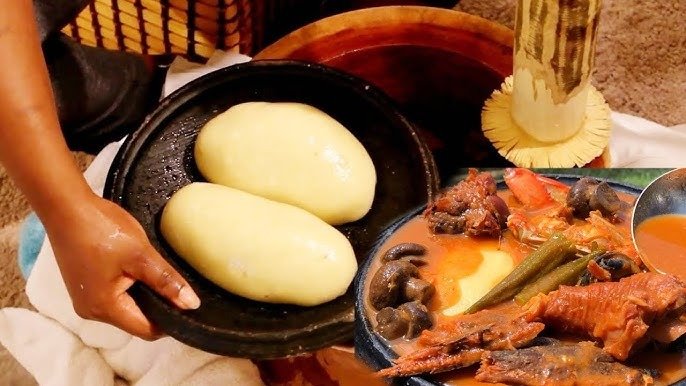
What happens when a morning hike ends not at a hotel restaurant, but around a communal bowl of fufu? On Saturday, August 22, the Scandesign Travel Club is bringing those two experiences together for a day that combines outdoor adventure, friendship and one of Ghana’s most recognisable culinary traditions.
More Than a Day Out
The Scandesign Travel Club – Mountain Hiking & Fufu Fiesta is designed as a full-day experience, running from 7:30 a.m. to 6 p.m., with participants gathering at Urbano Hotel in Accra before heading into the day’s adventure.
Its appeal lies in the combination. Hiking offers an opportunity to experience Ghana beyond its busy streets and commercial centres, while the Fufu Fiesta creates space to reconnect through food. In Ghana, eating is rarely just about satisfying hunger. Meals can be occasions for conversation, hospitality and community, with traditional dishes carrying stories about regional tastes, family customs and everyday life.
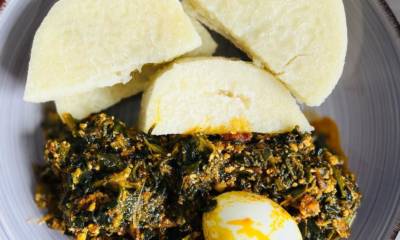
Fufu, made by pounding boiled cassava and plantain or other starchy ingredients into a smooth, elastic dough, is one of Ghana’s best-known dishes. It is typically eaten with soup and enjoyed by hand, making the meal as much a social experience as a culinary one.
From the Trail to the Table
Participants can expect a day built around movement and discovery, followed by the chance to enjoy Ghanaian food in a relaxed social setting. The combination makes the event particularly appealing to travellers who want something more immersive than conventional sightseeing.
For Ghanaians, it offers a different kind of homecoming: a chance to step away from routine, explore the outdoors and share a familiar food tradition with new people.
For international visitors, the experience offers a compact introduction to two sides of Ghanaian life — its appetite for outdoor adventure and its deeply social food culture.
By bringing mountain hiking and a fufu celebration into one itinerary, Scandesign Travel Club is offering more than an excursion. It is an invitation to experience Ghana with your feet on the trail and your hands around a shared meal.







Water splashes against an imaginary wall as people gather to witness one of the most powerful stories in Ewe history.
In Ve-Deme, in Ghana’s Volta Region, the Velukusi Festival brings an ancestral struggle for freedom into the present, transforming a story of oppression, courage and escape into a living act of remembrance.
Celebrated during the first week of October, Velukusi commemorates the traditional account of the Ewes’ escape from the cruel rule of King Aghorkoli in Togo. According to the story passed down through generations, the Ewes were held behind a formidable wall.
Determined to break free, they repeatedly poured water onto a section of the structure until it weakened and collapsed.
Their escape did not end with the fallen wall. To conceal their direction of travel, they walked backwards, leaving misleading footprints for those who might pursue them. This extraordinary detail has become a defining feature of the festival’s historical re-enactment.
Bringing Ancestral Courage to Life
During Velukusi, the community revisits the escape through a dramatic performance that allows younger generations and visitors to connect with the experience of their forebears.
The re-enactment gives physical expression to a story that speaks of collective determination, ingenuity and the enduring human desire for freedom.
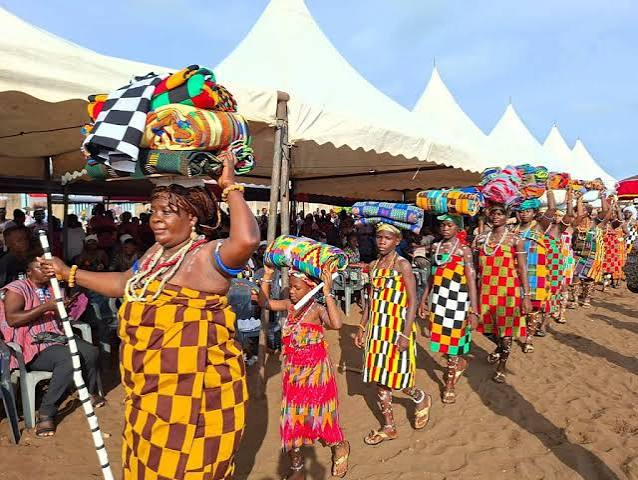
The festival reaches its climax with a colourful display of traditional cloths and beads, followed by a grand durbar of chiefs.
Traditional regalia, customary leadership and communal gatherings place Ewe identity at the centre of the celebration.
A Living Heritage
For the people of Ve-Deme, Velukusi is more than a historical commemoration. It strengthens community bonds and keeps ancestral memory alive at a time when younger generations are increasingly exposed to global influences.
For visitors exploring Ghana, the festival offers an opportunity to encounter the Volta Region’s heritage through storytelling, ceremony and traditional craftsmanship.
Velukusi reminds us that freedom is worth remembering—and that experiencing the traditions of Ve-Deme is a meaningful way to understand the resilience of the Ewe people.
Reels & Social Media Highlights
Ghana’s Timeline Erupts: Showboy’s Crude Plea, Asantewaa’s Silence, and a Nation Divided

On Wednesday, 14th October 2026, Ghana’s social media didn’t just trend — it combusted. At the center of the firestorm: Showboy, a deported ex-convict and self-styled provocateur, posting a video begging TikTok star Asantewaa to sleep with him because “everyone has chopped her except me.”
The phrase — crude street slang for sex — detonated across Facebook, X, and TikTok, splitting users between outrage, disgust, and reluctant laughter.

The Asantewaa saga had been simmering for weeks. First, rapper AMG Armani claimed a one-night stand and a pregnancy.
@notorioustrend1 Showboy Goes Hard On Asantewaa For Exp0sing Some Secret In Her Marriage On TikTok Live #ghanabloggers #ghanatiktok🇬🇭 #asantewaaaaa #showboy #notorioustrend ♬ original sound – Notorious🥷 Trend📸
Then Asantewaa herself explained she left her husband over sickle cell genotype compatibility, insisting she wasn’t with Armani until after the split. Showboy’s video poured petrol on the embers.
But the timeline wasn’t only burning with celebrity gossip. In Obuasi, the GES interdicted a headmaster accused of sexual misconduct after students rioted and vandalized school property.
The story — girls alleging assault inside the headmaster’s bungalow, a menstruation claim used as pretext, a school in ruins — resonated because it echoed a painful national truth: institutions meant to protect children often fail them.
Meanwhile, in Agona Nkwanta, a viral video of a man assaulting his wife led to a three-month jail sentence on the very same day, a rare moment of accountability that many users celebrated, even as they questioned why it took a viral clip for justice to move.
What made October 14th distinctly Ghanaian was the collision of these stories.
A culture wrestling publicly with how women are treated — by men like Showboy who see clout in disrespect, by authority figures who abuse trust — while simultaneously turning tragedy into meme fodder, joke captions, duet videos.
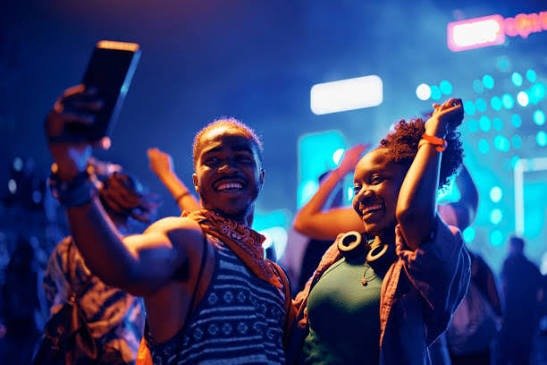
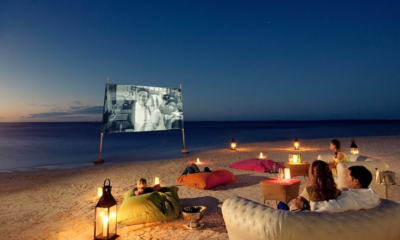
As the festive season winds down, Accra has one more reason to stay awake. Live in Ghana – MaddFest arrives at Alora Beach Resort on January 3, 2027, promising six hours of nightlife and celebration for partygoers eager to keep Ghana’s festive spirit alive.
Organised by December in Ghana, an event organiser with experience hosting entertainment events, MaddFest forms part of the social energy surrounding Ghana’s popular festive season, when music, nightlife and gatherings draw locals and international visitors together.
A Night Out by the Beach
Scheduled for Sunday, January 3, from 10 p.m. to 4 a.m., the event offers an opportunity to experience Accra after dark in a beach resort setting.
While specific performers, food offerings and activities have not yet been detailed, the event’s late-night format promises an extended opportunity for guests to socialise and enjoy the city’s entertainment scene.
Ghana’s December festivities have grown into a major attraction for the diaspora and international travellers, with concerts, parties and cultural gatherings creating opportunities to reconnect with home and discover contemporary Ghanaian music and lifestyle.
Events such as MaddFest contribute to this atmosphere, where entertainment becomes a meeting point for different generations and cultures.
Why MaddFest Deserves a Place on Your Calendar
For visitors, MaddFest offers a chance to experience Accra’s nightlife beyond daytime sightseeing.
Ghanaians returning from abroad may also find it an opportunity to reconnect with friends and enjoy the country’s lively entertainment culture.
The event is not presented as a traditional cultural festival, but its social setting reflects the role music, dancing and shared celebrations play in Ghanaian life.
With Alora Beach Resort providing the setting, guests can plan a night out that extends into the early hours of Monday morning.
Whether you are visiting Ghana for the festive season or simply looking for another reason to enjoy Accra, Live in Ghana – MaddFest offers a date worth considering. Check the official event listing for ticket details and announcements before making plans.



-

 Ghana News1 day ago
OBITUARY: Gamal Gorkeh Nkrumah, Son of Ghana’s Founding President, Dies in Cairo
-

 Sights and Sounds2 days ago
EPP BookShop at Legon: A Destination for Students, Families and Book Lovers
-
 Health & Wellness1 day ago
Walking Is More Than Exercise: Small Steps That Can Transform Your Health
-

 Festivals & Events1 day ago
MaddFest 2027: Welcome the New Year with a Night of Celebration in Accra
-
 Homes & Real Estate2 days ago
Building Smarter in Ghana: Could Plastic Rebar Clips Improve Construction Efficiency?
-
 Arts and GH Heritage1 day ago
Inside Togo’s Abandoned Colonial Building, African Artists Reclaim Cultural Memory
-

 Global Update1 day ago
Wave of Student Killings at Mexico Universities Raises Safety Concerns
-
 Ghana News1 day ago
Mahama to Churches: The Real Sermon Is Written After the Closing Prayer