
Ghana News
Ghana Moves to Claim $3Bn Deepwater Oil Block as State Seeks Control of Springfield Discovery


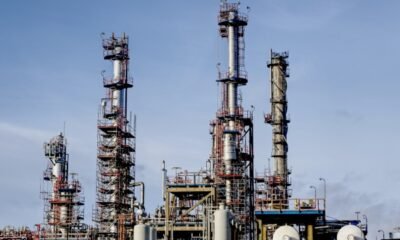
Ghana is preparing to take control of one of its most valuable untapped offshore oil and gas assets—an exploration block containing an estimated 1.5 billion barrels of oil and 1.2 trillion cubic feet of natural gas.
The move marks one of the most consequential state interventions in the country’s upstream sector in over a decade.
The asset, identified and developed by Springfield E&P, is widely regarded by energy analysts as the most promising deepwater discovery made by an African independent operator in recent times. Business Africa Insider first reported that the government intends to acquire Springfield’s operating interest to accelerate development and secure long-term national participation.
If approved, the transaction—valued at over $3 billion in potential resource terms—would shift operational control to the Ghana National Petroleum Corporation (GNPC), giving the state a stronger hand in shaping one of the country’s largest future revenue streams.
A Historic Ghanaian Discovery with Delayed Progress
Springfield E&P made history when it became the first Ghanaian—and first African—independent company to drill in deep water and strike commercial-scale oil. Early assessments suggest the reserves could rival the Jubilee field, whose 2010 debut dramatically reshaped Ghana’s economy.
But years of regulatory disputes, disagreements over unitisation with neighbouring blocks, and commercial stalemates left the resource idle. Government officials say intervention is now unavoidable.
“The state cannot allow a multi-billion-dollar national asset to sit undeveloped,” one senior official told Business Africa Insider, noting that the acquisition could translate into earlier production, more predictable revenue, and stronger energy security at a time of declining output across the country’s older fields.
Under the proposed arrangement, GNPC would assume Springfield’s operating stake, with room to bring in international partners through joint development agreements. Officials frame the move as both economic and geopolitical—ensuring Ghana retains leverage over its most significant future hydrocarbon play.
Energy analysts say the shift reflects a broader trend across Africa, where governments seek greater stakes in oil and gas projects to guard against global investment uncertainty and maintain control over strategic assets.
Kevin Okyere, founder of Springfield E&P, described the ongoing talks as constructive and focused on national interest.
“We are fully engaged in discussions with the Government regarding the future of the WCTP2 block,” he said. “Our position is straightforward: this asset must be advanced, and we are committed to ensuring a decisive and constructive outcome that serves Ghana and all stakeholders.”
Questions of Risk, Transparency and Cost
Civil-society groups and sector experts have urged caution, warning that state acquisition of a deepwater block—while strategically sound—comes with technical and financial risks. They argue that independent valuation, transparent terms, and a clear development plan are essential to avoid saddling the state with costly obligations.
Yet the urgency is hard to ignore. Ghana’s crude production has been tapering, with legacy fields entering decline and new investments proving slow to materialize.
Should the deal go through, it would fast-track one of West Africa’s most promising untapped discoveries and reaffirm the increasingly visible role of African independent firms in offshore exploration.
For Ghana, control of the block could represent both an economic buffer and a strategic asset—one that could reshape national revenues for years to come. The stakes are high, but so is the possibility of rewriting the country’s energy future.


Ghana News
Ghana Leads African Central Banks in Gold Reserve Accumulation as Global Buying Wave Hits $2 Billion


Accra, Ghana – Ghana has emerged as one of the most active African central banks in the global gold accumulation surge, joining a broader shift by emerging market nations seeking to diversify reserves and shield economies from currency volatility and geopolitical risks.
According to the latest data, central banks worldwide purchased 27 tonnes of gold in February 2026, valued at approximately $2 billion.
While the bulk of demand continues to come from major players such as China, Poland, Kazakhstan, and Turkey, African central banks are gradually increasing their participation. Ghana stood out last year for aggressively boosting its gold reserves to support the cedi and strengthen its balance sheet amid economic challenges.
The move reflects a deliberate strategy to reduce reliance on traditional foreign currencies and build a more resilient reserve base.
Other African nations are also showing strategic interest. Uganda has launched a domestic gold purchasing programme targeting at least 100 kilograms over four months, while Kenya — despite holding just 0.02 tonnes — has signalled plans for gradual accumulation. Zimbabwe continues experimenting with gold-backed instruments, and the Democratic Republic of Congo aims to formalize 15 tonnes of artisanal gold production in 2026.
These efforts, though still modest compared to global leaders, signal a growing continental recognition of gold’s role as a hedge in uncertain times.
Analysts say this African participation, led by Ghana, aligns with a wider global trend where central banks are treating gold as a strategic asset rather than a relic of the past.
For Ghana, continued accumulation could further stabilise the cedi, enhance macroeconomic credibility, and support the country’s ambition to capture more value from its rich gold resources through strategic reserve management.
Ghana News
LGBTQ Debate Intensifies After Mahama Comments, Moody’s Upgrades Ghana Outlook and Other Big Stories Today
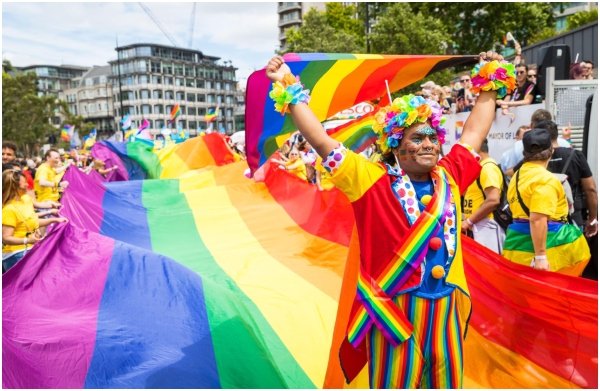
We have curated the most relevant stories from Ghana for your enjoyment and awareness. From renewed calls on the controversial Anti-LGBTQ bill and a significant credit rating upgrade, to traditional leadership disputes and maritime security operations, these developments reflect the key political, economic, and social conversations shaping the country this morning.
It Remains a Priority – Sam George on Anti-LGBTQ Bill
Ningo-Prampram MP Sam George has reaffirmed that the Human Sexual Rights and Family Values Bill remains a top priority for him and many Ghanaians. Speaking in a recent interview, the outspoken NDC legislator took a stance that challenges his boss’s (President Mahama), stating that the bill is not a distraction but a necessary piece of legislation to protect Ghanaian cultural and family values. He expressed confidence that the bill would eventually be passed, despite delays, and urged supporters to remain patient while the legislative process is followed. George stated that the bill enjoys broad public support and that he would continue to champion it until it becomes law.
Read the full story here
Rev. Ntim Fordjour Urges Mahama to Issue Directive to Fast-Track Anti-LGBTQ Bill
Deputy Minority Leader Rev. John Ntim Fordjour has called on President John Dramani Mahama to issue a directive to fast-track the passage of the Anti-LGBTQ bill. The NPP MP argued that the legislation reflects the will of the Ghanaian people and should not be allowed to drag on indefinitely. He urged the President to demonstrate leadership by ensuring the bill is prioritised in Parliament, warning that further delays could erode public trust in the government’s commitment to moral and cultural issues.
Read the full story here
President Mahama Nominates Pamela Graham as New Auditor-General
President John Dramani Mahama has nominated Pamela Graham as the new Auditor-General of Ghana. The nomination, which has been forwarded to Parliament for approval, is expected to bring fresh leadership to the country’s supreme audit institution. Graham is widely regarded as a seasoned professional with extensive experience in public financial management and auditing. If confirmed, her appointment will be closely watched as the government continues efforts to strengthen transparency and accountability in public finances.
Read the full story here
Etweresohene Stripped of Title, Barred from Ofori Panin Fie Over Alleged Rebellion
The Etweresohene has been stripped of his title and barred from the Ofori Panin Fie (the palace of the Okyenhene) following allegations of rebellion and disloyalty. The traditional council took the decision after what it described as persistent acts of insubordination and attempts to undermine the authority of the Okyenhene. The development has generated significant interest in traditional circles and highlights ongoing tensions within some traditional structures in the Eastern Region.
Read the full story here
Moody’s Upgrades Ghana’s Outlook to Positive, Affirms Caa1 Rating
Global ratings agency Moody’s has upgraded Ghana’s outlook to positive while affirming the country’s long-term issuer rating at Caa1. The upgrade reflects improving fiscal performance, debt management efforts, and signs of economic stabilisation. However, Moody’s cautioned that risks remain, particularly from external shocks such as global fuel price volatility. The positive outlook signals growing confidence in Ghana’s reform trajectory and could improve the country’s access to international capital markets.
Read the full story here
Mahama to Headline The Africa Debate 2026
President John Dramani Mahama has been confirmed as the headline speaker at The Africa Debate 2026, a major continental platform for discussing Africa’s most pressing issues. The event is expected to bring together African leaders, policymakers, and thought leaders to engage on topics ranging from economic transformation to governance and regional integration. Mahama’s selection underscores his growing stature as a key voice on African affairs.
Read the full story here
Navy Seizes Eight Unregistered Boats at New Takoradi
The Ghana Navy has seized eight unregistered boats during a routine patrol at New Takoradi. The operation forms part of ongoing efforts to combat illegal fishing and unregulated maritime activities along Ghana’s coastline. The vessels have been impounded, and investigations are underway to determine the owners and intended use of the boats. The Navy has reiterated its commitment to protecting Ghana’s marine resources and enforcing maritime laws.
Read the full story here
Ghana News
Catholic Bishops Reject Trivialization of LGBTQ+ Debate by Mahama Government: ‘Nations Do Not Live by Bread Alone’
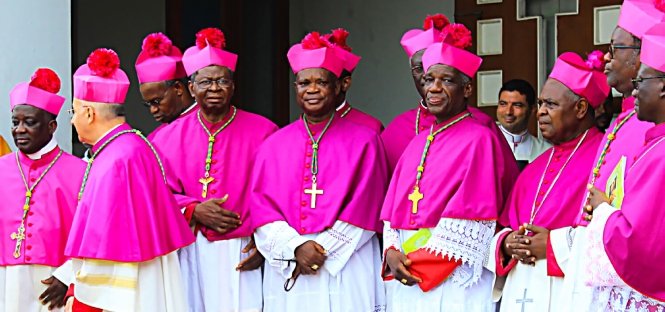
ACCRA – Ghana’s Catholic Bishops have issued a forceful pastoral statement urging citizens and leaders alike to treat the ongoing LGBTQ+ debate with the seriousness it deserves.
In the statement, the Bishops warned against dismissing the issue as a minor national concern.
Released on April 10, 2026, the statement from the Ghana Catholic Bishops’ Conference (GCBC) directly responds to recent remarks by President John Dramani Mahama and Government Communications Minister Felix Kwakye Ofosu, who, in separate public statements, suggested the matter is not a major national priority.
“No question that touches the structure of human identity, family life, and social continuity can be trivial,” the bishops declared.
Values as the Invisible Architecture of Nations
While acknowledging Ghana’s pressing economic challenges, the Conference rejected any attempt to separate moral questions from national development.
“Nations do not live by bread alone,” the statement reads. “They are sustained also by the invisible architecture of values.”
The bishops called for a balanced approach to the controversial Human Sexual Rights and Family Values Bill, urging that it uphold both human dignity and the institution of the family.
Clear Condemnation of Discrimination
In a significant passage, the GCBC firmly condemned all forms of discrimination against individuals regardless of sexual orientation.
“No individual, regardless of sexual orientation or identity, may be subjected to violence, hatred, or unjust discrimination,” the bishops stated.
However, they simultaneously reaffirmed their position on traditional family values, describing the family as a nation’s most efficient social welfare system.
“To affirm dignity does not require the redefinition of marriage,” the bishops added. “To defend marriage does not require hostility.”
Reminder to President Mahama
The Conference reminded President Mahama of his earlier commitment to assent to the bill if duly passed by Parliament.
“Democratic integrity rests… on the fidelity of leaders to their publicly stated commitments,” the bishops noted.
They concluded with a call for calm and respectful engagement across all sectors of society, warning that words can either build a republic of trust or fracture it into suspicion.
The GCBC reaffirmed its commitment to contributing to a national conversation grounded in respect, moral clarity, and the common good.


Digital Ancestry: Why Synaptic Resonances is the Future of African Performance

Wasawasa: The Ghanaian Dish That Turns Yam Peels into Culinary Gold

From Records to Roots: Discover Your Family Story in This Global Webinar
-
 Business2 days ago
Netherlands Reclaims Position as World’s Top Exporter of Cocoa Products, Ghana Remains Key Supplier
-

 Business2 days ago
Ghana Nears Approval of Cannabis Licences as Country Prepares to Launch Regulated Industry
-

 Ghana News22 hours ago
Ghana Leads African Central Banks in Gold Reserve Accumulation as Global Buying Wave Hits $2 Billion
-
 Ghana News2 days ago
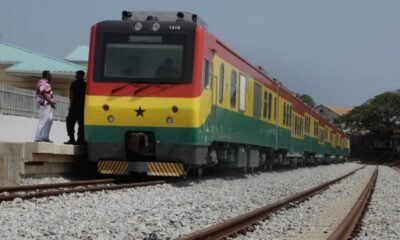
EU Approves $23 Million Grant to Upgrade Ghana’s Tema-Mpakadan Railway
-

 Festivals & Events15 hours ago
A Sunday to Remember: Immersing in the Soulful Power of ‘Before His Throne’
-
 Africa Watch2 days ago
U.S. Warns Citizens to Reconsider Travel to Nigeria Citing Terrorism
-
 Africa Watch2 days ago
Pope Leo XIV to Embark on Ambitious 10-Day Tour of Four African Nations
-
 Ghana News23 hours ago
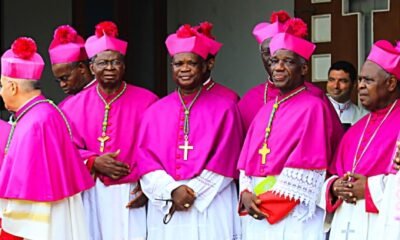
Catholic Bishops Reject Trivialization of LGBTQ+ Debate by Mahama Government: ‘Nations Do Not Live by Bread Alone’