
Reels & Social Media Highlights
From ShattaFest Tears to Tamale Tragedy: Ghana’s Social Media Reckons With Joy and Pain

Ghana’s timeline on Monday, October 5, 2026, was a whiplash of national emotion — grief, awe, outrage, and dark humour, all scrolling in the same feed.
The day’s heaviest story broke at dawn: three children — aged three, five, and seven — were found dead in the boot of a vehicle in Tamale’s Koblimahagu Zoo area. They had left for Islamic classes the previous morning and never returned.
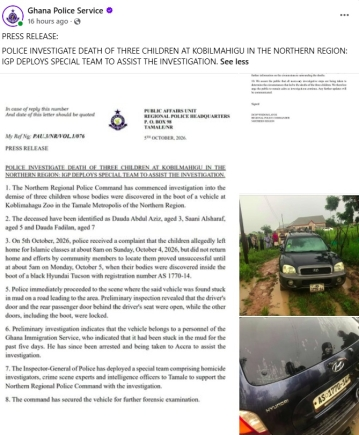
By Monday evening, the Inspector-General had deployed homicide investigators to the Northern Region, and the vehicle’s owner, a Ghana Immigration Service officer, was in custody. X and Facebook erupted with grief, speculation, and demands for answers.
Just hours earlier, a very different Ghanaian moment was going viral. A video from Saturday’s ShattaFest in Ho showed a visually impaired fan — an upcoming artiste known as New Boii — completely lost in Shatta Wale’s performance, dancing with abandon.
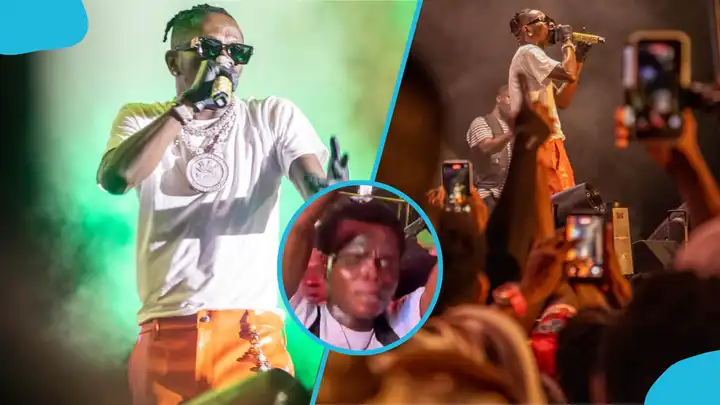
Fans flooded comments with tears and prayers: “The Shatta Movement is a spirit. Herrrr I’m even crying” . The contrast — a young man’s joy and three children’s unexplained deaths — defined the emotional whiplash of the day.
Meanwhile, the fallout from last week’s La Pleasure Beach demolition kept burning. Video of activist Ralph St Williams and blogger SikaOfficial allegedly being assaulted by soldiers while covering the exercise continued to circulate, with Ghanaians split between condemning military overreach and questioning why the bloggers were there at all.
Ghanaian Blogger SIKAOFFICIAL Assaulted by Military Personnel While Covering Labadi Beach Demolition Exercise The assault happened this morning while the blogger and other journalists were covering the ongoing demolition exercise at Labadi Beach. In a brutal attempt by the military to force bloggers and journalists away from the site, a military personnel was captured using a rod to hit SIKAOFFICIAL while shouting, “Move back.” This forms part of other cases of military assaults recorded today involving some traders and workers who were present during the chaotic exercise.
— SIKAOFFICIAL🦍 (@SIKAOFFICIAL1) October 2, 2026
A separate clip of a displaced trader threatening robbery if his livelihood remained destroyed added a grim layer to the debate about urban enforcement without compassion.
What made Monday so distinctly Ghanaian was the refusal to separate the tragic from the absurd.
A viral clip of a 17-year-old SHS fresher whose small stature shocked seniors racked up views alongside the Tamale tragedy. A Ghanaian surfer shredding waves at Busua Beach offered a thirty-second escape.
Ghanaians don’t scroll past pain to find joy — they hold both at once.
A digital public sphere that demands answers from power, celebrates its own with fierce loyalty, and refuses to look away.






Reels & Social Media Highlights
From Accra to the Timeline: How Football Fury and Celebrity Drama Dominated Ghana’s Digital Space on October 1

Ghana’s social media space on Thursday was less a conversation and more a controlled explosion.
At the center of the blast: the Black Stars. Ghana’s 4-2 humiliation by The Gambia at the Accra Sports Stadium on Wednesday night didn’t just end in defeat — it triggered a nationwide digital meltdown.
By Thursday morning, X timelines were flooded with calls for President Mahama to dissolve the Ghana Football Association entirely.
Minister of Communications Samuel Nartey George didn’t mince words on X: “Disband the team. Sack the FA. Let FIFA ban us for 2 years.”
The fury wasn’t just about football. It was about a nation watching its most beloved symbol crumble, again, and feeling powerless to stop it.
But football wasn’t the only fire burning. In Accra’s Circle Avenor, an actual fire broke out — and within hours, an old prophecy from a local pastor resurfaced online, claiming demons emerging from the sea would bring “fire outbreaks and accidents” beginning exactly October 1.
The coincidence was too eerie for Ghanaians to ignore, and the video spread across Facebook and X with a mix of genuine alarm and morbid curiosity.
Amid the chaos, Sarkodie offered a quieter moment of reflection. The rapper publicly thanked President Mahama for rejecting a US health compact he called “humiliating,” writing simply: “Thank you, Mr President. Hopefully, one day, we gain back the full respect deserved”. The post resonated — a rare moment of national pride cutting through the noise.
And in the background, Wendy Shay addressed a viral clip of her removing Lasmid’s hand from her thigh, calling the backlash “blown out of proportion”.
What does Thursday reveal? A Ghanaian internet that moves between outrage and introspection, football and faith, all in the same breath. The timelines weren’t just trending.
They were grieving, arguing, laughing, and searching for meaning — often within the same scroll.
Reels & Social Media Highlights
Grief, Goals, and Grudges: Inside Ghana’s Most Chaotic Digital Tuesday
The nation’s timelines were a battlefield of raw emotion on Tuesday, September 29, 2026. If you logged onto Facebook or X expecting calm, you were spectacularly mistaken.
The loudest roar came from football. Ghana’s Black Stars suffered a humiliating 2-4 defeat to Gambia in the African Cup qualifiers, and the internet wasted no time mourning—or mocking.
GTV Ghana’s Facebook post confirming the score became a digital town square of despair, with fans blaming the goalkeeper, questioning tactics, and directing fury at the Ghana Football Association.
Gambian supporters, meanwhile, gleefully flooded the comments, one promising to turn the “Black Stars” into “Humble Stars”.
But Ghana’s social media never obsesses over one thing at a time. Across Accra, the Ghana Women’s Movement marched under the banner “Free Salomey,” demanding the release of a nurse detained over alleged ties to a controversial TikTok account.
On X, the hashtag #KFCGhanaAt15 trended for seventeen hours straight, because apparently fried chicken anniversaries are sacred.
Then there was the quieter, heavier trend: an old Facebook video of a man named Terry, joyfully singing DarkoVibes’ “Bangers” in his car, resurfaced after his passing.
Ghanaians paused their football rants to reflect on mortality, filling comment sections with grief and gratitude.
Why do these topics explode? Because Ghanaian digital culture runs on emotion, humor, and community. A football loss is personal.
A detained nurse is political. A dead man singing is a mirror. Ghanaians don’t just consume trends—they argue, laugh, mourn, and meme until the next one arrives.
Tuesday proved that no single narrative owns this country’s attention for long.
Ghana’s social media on September 24, 2026, was a house divided—not by politics or policy, but by a single sentence from a musician who should have been promoting music.
Akwaboah Jnr took to X and declared: “Never let your woman work for another man… Yes, I said it.” No context. No elaboration. Just a grenade tossed into the timeline.
The reaction was immediate and merciless. One user pointed out the obvious contradiction: “As a musician, you work with women all the time. In your music videos, live performances, events, and other creative projects.”
Others speculated about his marriage, questioning why a man who collaborates with women professionally would issue such advice. Some expressed genuine concern about his wellbeing; others told him to sort out his personal life offline.
The post wasn’t just viral—it was a Rorschach test for Ghana’s ongoing anxiety about gender roles and male control dressed up as protection.
Meanwhile, President Mahama was in New York, delivering a UN General Assembly address about Africa’s permanent Security Council seat and the “Ghanaian miracle.” But his most-shared moment wasn’t political.
A video of him sharing a tender kiss with First Lady Lordina Mahama melted hearts online, with one commenter writing: “Our president loves love.”
And in Bouaké, the Black Stars prepared for their AFCON opener against Côte d’Ivoire amid chaos—key players absent, hundreds of Ghanaian fans stranded without tickets.
The football anxiety hummed beneath the surface, but Akwaboah’s tweet still won the day.
What does this reveal? In Ghana’s digital culture, personal provocation beats policy every time.
A musician’s offhand remark about women’s employment generated more engagement than a presidential address to the world. The timeline doesn’t reward importance—it rewards friction.



-

 Health & Wellness2 days ago
Your Body Is Still Working While You Sleep — And Your Sleep May Matter More Than You Think
-
 Sights and Sounds1 day ago
Looking for a Different Day Out in Accra? Bambo’s Has You Covered
-
 Taste GH1 day ago
Ghanaian Tomato Stew: The Rich, Fragrant Sauce Everyone Should Try
-

 Homes & Real Estate1 day ago
Building in Stages? Why Your Concrete Slab Needs Protection Before the Next Floor
-
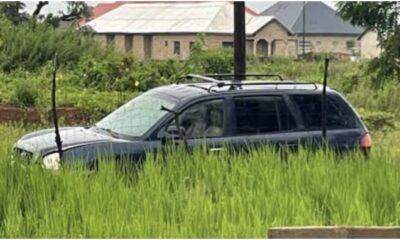
 Global Update7 hours ago
Tragedy As Three Children Found Dead in Vehicle Boot in Ghana
-
 Ghana News7 hours ago
Ghana Moves to Establish National Space Agency
-
 Arts and GH Heritage12 hours ago
Zogbéadji opens Karp Kamina Residency 2026
-
Fashion & Style11 hours ago
Forget Buying Every Wig You See: These Four Styles Could Build a Complete Hair Wardrobe