
Arts and GH Heritage
From Ghana’s Coast to Naples: Ibrahim Mahama Turns Boats into Monuments of Memory

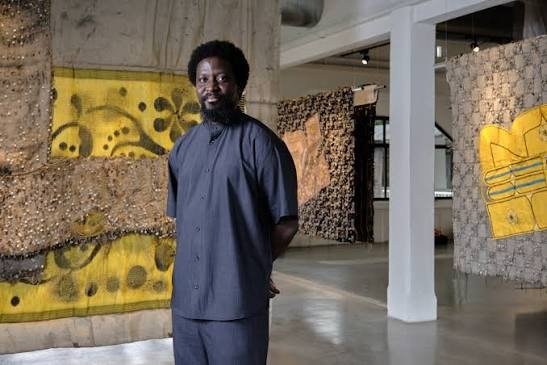
Three Ghanaian boats have arrived in Naples, but they are not going anywhere.
Standing upright at Piazza Municipio, near one of Italy’s busiest ports, the three wooden vessels rise five, seven and eight metres into the air.
Partly buried in the ground, they look as though a journey has been interrupted mid-voyage.
This is Voyageur, the latest work by Ghanaian contemporary artist Ibrahim Mahama, unveiled in Naples on September 21.
Built using traditional Ghanaian boat-making models and techniques, the installation brings a distinctly West African visual language into a Mediterranean landscape shaped for centuries by maritime trade, migration and encounters between peoples.
Mahama’s choice of the boat is significant. In Ghana, wooden fishing boats are an everyday sight along the coast, carrying fishermen into waters that sustain families and communities.
In Voyageur, however, the boat leaves its practical life behind. It becomes a record of movement — and of the human stories carried by movement.
Placed close to Naples’ port, the work creates an uneasy but compelling conversation between two coastlines. One looks towards the Atlantic; the other towards the Mediterranean. Between them are histories of commerce, displacement, opportunity and survival.
For Mahama, the boats evoke people crossing the sea in search of safety and better lives. But by placing them firmly in the earth, he also asks what remains when a journey ends: memory, loss, hope and the traces people leave behind.
Voyageur will remain in Naples until November 18, 2026 — three Ghanaian boats standing still, while inviting viewers to imagine all the journeys they represent.







Arts and GH Heritage
Between The Oceans: How Two Hip-Hop Dancers Carry Ancestral Histories In Their Bodies
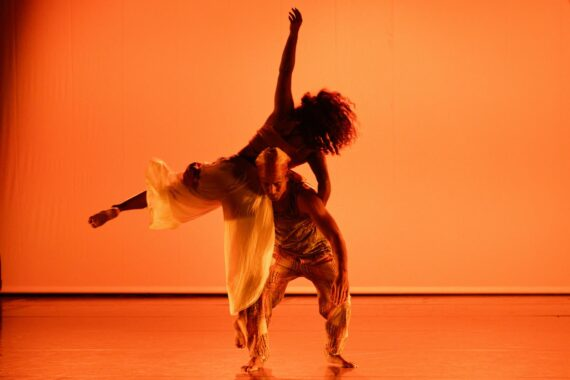
A Berlin dance-theatre collaboration explores African heritage, identity and the cultural memories that travel across generations.
A body can remember what geography separates. In Between the Oceans, a powerful hip-hop dance-theatre duet, two Germany-raised performers turn movement into a conversation about ancestry, belonging and the cultural histories that remain alive long after people leave their ancestral homelands.
Presented at Uferstudios during KUYUM Tanzplattform 2026, the production brings together Tiffani Achilleas and Raphael Moussa Hillebrand, the first urban dancer to win the German Dance Prize.
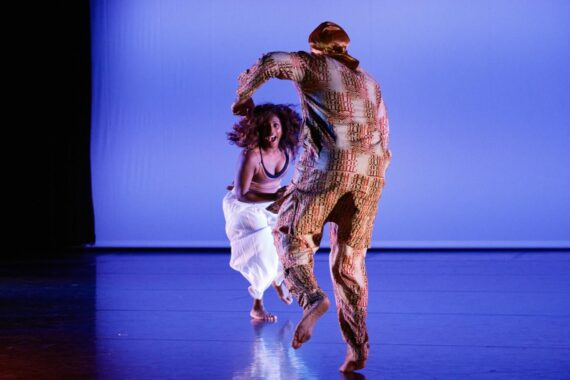
Drawing on journeys to places connected to their family histories, including Benin, Mali, Salvador da Bahia in Brazil and Sri Lanka, the pair explore how inherited identities shape the way people understand themselves.
The performance moves between explosive popping, locking, intricate footwork and intimate storytelling. A slideshow of travel photographs provides a visual record of their journeys, while their spoken accounts reveal the complexities of navigating identity in different societies.
Abroad, they are sometimes perceived as European or white; in Germany, their brown skin can make them targets of racial profiling.
One of the production’s most memorable observations comes from Achilleas: “Culture is only experienced because it’s carried in your body.”
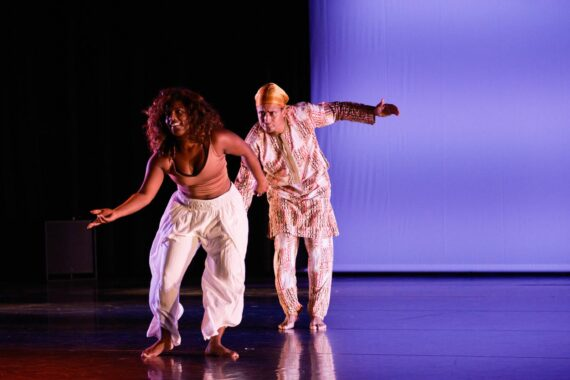
The statement resonates deeply with African heritage, where dance, music, storytelling and ritual have long served as vessels of collective memory.
In Ghana, traditional forms such as Adowa, Kpanlogo and Agbadza carry histories and social meanings through movement, connecting generations beyond spoken words.
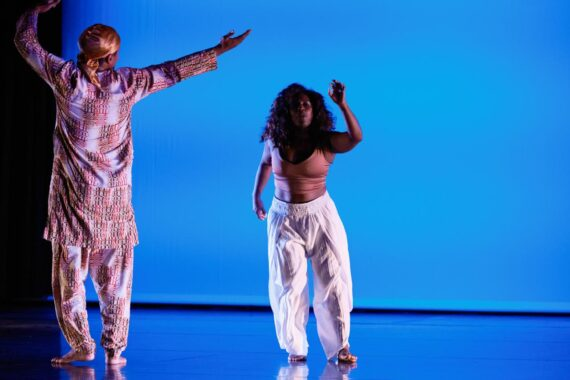
Between the Oceans offers a compelling reminder that heritage is not simply a place people visit or a history they study. It is something they embody, reinterpret and carry forward.
Through their collaboration, Achilleas and Hillebrand show that ancestry can travel across oceans without losing its power to shape the present.
Arts and GH Heritage
1935 Photograph Of Mozambican Boy Reignites Debate Over African Origins Of Fades And Gold Teeth

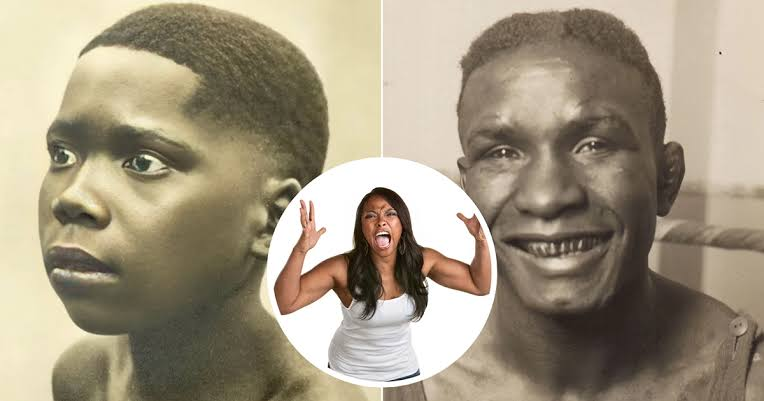
A historical photograph of a young Tsonga boy in Mozambique, dating back to 1935, has reignited an online debate about the African roots of hairstyles and fashion trends commonly associated with Black American culture, including fade haircuts and gold teeth.
The photograph, taken in the area around Xai-Xai in present-day Mozambique, shows a boy wearing a closely shaved hairstyle with a carefully shaped section of hair that bears a striking resemblance to modern fade haircuts.
Its circulation on social media has prompted questions about its authenticity, with some users even suggesting it could be AI-generated. However, historical archive records identify the image as an authentic 1935 photograph of a Tsonga boy.
The discovery has drawn attention amid longstanding tensions surrounding the Foundational Black American (FBA) movement, promoted by American commentator Tariq Nasheed.
Established around the idea of recognising the distinct lineage and historical experiences of Black Americans descended from enslaved people in the United States, the movement has frequently featured debates about cultural identity, historical ownership and reparations. Some prominent voices associated with the movement have also faced criticism over claims that Africans had little or no influence on cultural practices and styles embraced by Black Americans.
The Mozambican photograph has provided fresh material for those challenging such arguments, particularly regarding the history of African hairstyling.
Across the continent, hairstyles have long served as expressions of identity, social standing, age, community affiliation and artistic creativity. African societies developed intricate braiding techniques, cornrows, shaved patterns and sculpted hairstyles centuries before many contemporary styles became popular internationally.
The debate has also extended to gold teeth and decorative dental jewellery. Gold has a particularly long and distinguished history in West Africa, especially among Akan communities in present-day Ghana and Côte d’Ivoire.
For centuries, Akan goldsmiths developed sophisticated techniques for transforming the precious metal into royal regalia, jewellery and personal ornaments. Gold carried associations with authority, wealth, prestige and spiritual significance, with historical examples preserved in museum collections around the world.
However, the historical use of gold in African adornment does not establish a direct connection between traditional Akan jewellery and modern American gold grills. The latter developed within a distinct cultural setting, particularly through hip-hop and wider Black American popular culture.
The renewed discussion highlights the importance of distinguishing between cultural influence, parallel traditions and independent innovation. African and African-American communities have developed distinctive cultural expressions, while also sharing historical connections that cannot always be separated neatly.
Black Americans have made significant contributions to global music, fashion, language and popular culture. Equally, Africa’s cultural history extends far beyond the narratives often presented in contemporary debates about Black identity.
Rather than turning the 1935 photograph into another confrontation over cultural ownership, historians and cultural enthusiasts have an opportunity to examine the rich traditions of African hairstyling and personal adornment.
The image offers a reminder that styles recognised around the world today often have histories far older and more geographically diverse than modern cultural debates suggest.
Arts and GH Heritage
The Stories Family Photographs Leave Behind: Ezra Appiah Reimagines Memory and Belonging
A family photograph may capture a wedding, a birthday or several generations gathered beneath one roof, but what happens to the moments that never make it into the frame?
The disagreements, private struggles, absences and complicated relationships are just as much a part of family history, yet they rarely find a place in the carefully preserved album.
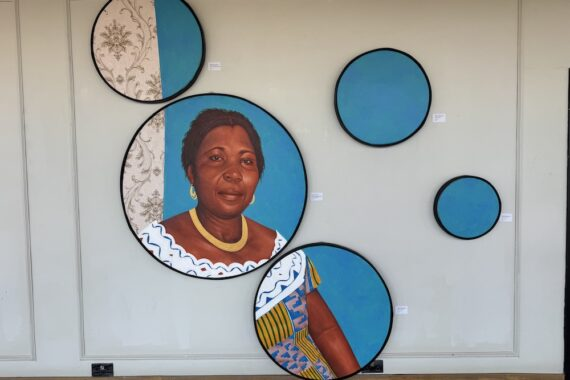
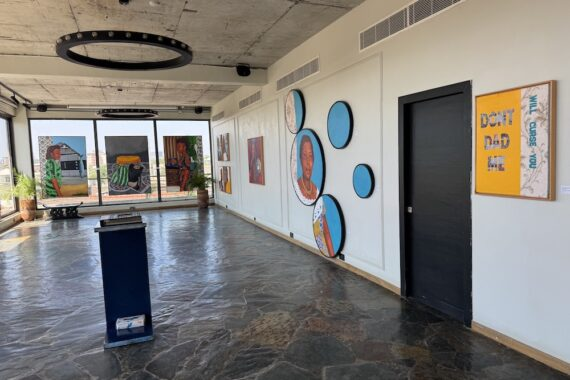
It is this gap between appearance and reality that Ghanaian artist Ezra Appiah explores in Family Album: A New and a Reborn Version, a solo exhibition at Mix Art Gallery in Accra.
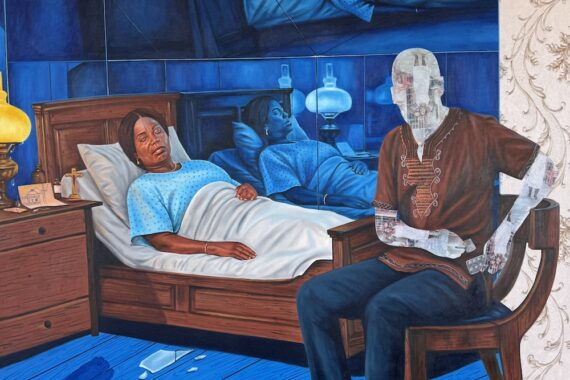
Beyond the Picture-Perfect Family
For many Ghanaian households, family photographs carry considerable emotional and cultural significance. They document naming ceremonies, marriages, funerals and reunions, becoming treasured records passed between generations.
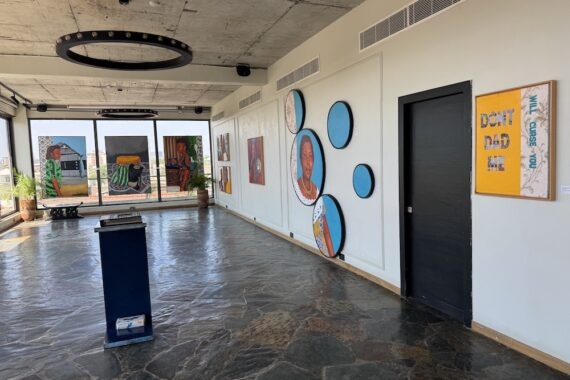
They also help families maintain connections with relatives who have migrated abroad or live far from home.
Yet photographs are selective. They preserve particular versions of events while leaving other experiences outside the frame.
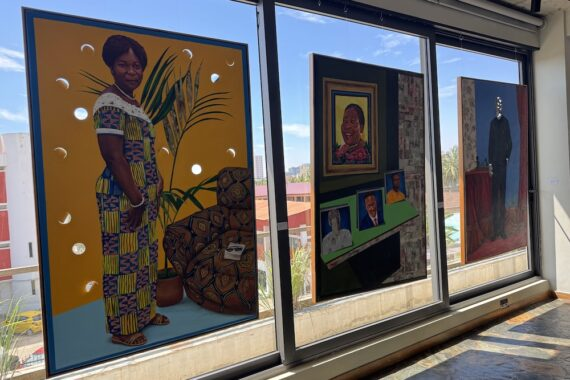
Drawing on childhood recollections and archival family photographs, Appiah uses montage to bring different moments together, reconstructing narratives that challenge conventional ideas of domestic happiness and belonging.
Giving Silence a Place in Family History
A 2024 Absa L’Atelier Art Ambassador, Appiah approaches photography as a tool for questioning memory rather than simply documenting it.
His work draws attention to overlooked experiences, suggesting that family identity is shaped as much by absence and silence as by shared celebrations.
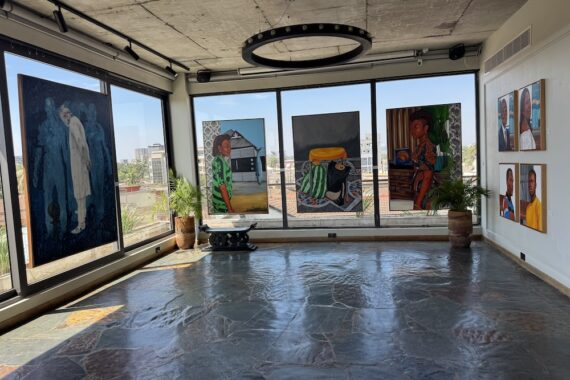
For audiences in Ghana and beyond, the exhibition offers an opportunity to reconsider the photographs inherited from parents and grandparents. What do these images reveal, and what have generations chosen not to discuss?
Family Album: A New and a Reborn Version invites visitors to confront those questions before its closing on November 27, 2026.


From Mfantsipim at 9 to University at 12: Meet Diamond Lucas, Ghana’s Albert Einstein

Explainer: Why COP31 Ended Without a Deal, and What it Actually Means

Grieving Mother, Friends Demand Justice After Talented Young Woman Phillipa Acquah Killed by Reckless Motorcyclist
-

 Commentary4 hours ago
A Life Cut Short: A Cry for Justice for Phillipa Acquah and An Urgent End to Road Recklessness
-
 Uncategorized1 day ago
Fat Joe Makes Emotional Appeal to Bronx Youth After Ghanaian Teen Javits Frimpong’s Killing
-
 Ghana News3 hours ago
Grieving Mother, Friends Demand Justice After Talented Young Woman Phillipa Acquah Killed by Reckless Motorcyclist
-

 Ghana News1 day ago
German President Steinmeier Arrives in Ghana to Boost Trade and Skills Partnerships
-

 Global Update5 hours ago
Americans Raise More Than $944,000 to Help Nolan Wells’ Mother Find Answers Despite Grand Jury Decision
-
 Ghana News3 hours ago
Explainer: Why COP31 Ended Without a Deal, and What it Actually Means
-

 From the Diaspora1 day ago
Ghanaian-Born Entrepreneur Mawena Tafa Turns Viral Brooklyn Encounter with Strange Man Into Business Opportunity
-
 Ghana News2 hours ago
From Mfantsipim at 9 to University at 12: Meet Diamond Lucas, Ghana’s Albert Einstein