
Culture
Afro-Brazil Ghana Festival Moves to Kwame Nkrumah Memorial Park as Accra Prepares for a 2-Day Cultural Showcase

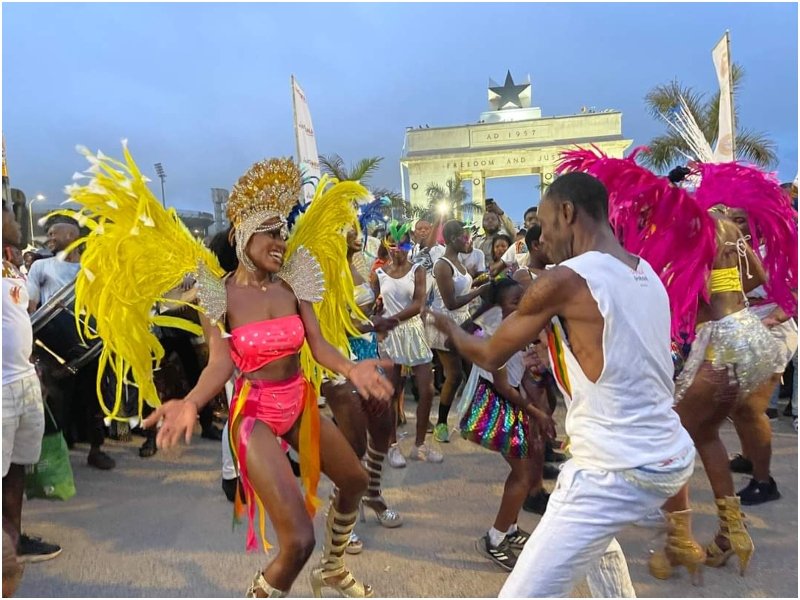
The Brazil Embassy in Ghana has announced a new venue for the 2025 Afro-Brazil Ghana Festival.
The embassy has confirmed that this year’s edition will take place at the Kwame Nkrumah Memorial Park & Museum, one of Ghana’s most significant cultural and historical landmarks.
Set for December 12-13, 2025, the festival is expected to draw thousands of visitors from across Ghana, Brazil, and the wider diaspora. Organizers say the move to the revitalized memorial park reflects the festival’s growing stature and its mission: strengthening Afro-Brazilian cultural ties and celebrating centuries of shared heritage shaped by history, migration, creativity, and resilience.
The two-day programme will feature a cultural exhibition, a bustling art–fashion–food bazaar, traditional performances, and a major live concert uniting Ghanaian and Brazilian artists on the same stage.
Confirmed performers include Ghanaian heavyweights Amandzeba, Wiyaala, Edem, Epixode, Fancy Gadam, Black Rasta, and the Bigtwins Africa Music & Dance Ensemble. Flying in from Brazil is acclaimed singer Alaine Cruz, whose Afro-Brazilian sound has earned her a loyal following across Lusophone and African diasporic communities.
For the Brazil Embassy, the festival is more than a cultural event—it is part of a broader diplomatic push to deepen historical and contemporary ties between Accra and Brasília.
The choice of venue underscores that message. The Kwame Nkrumah Memorial Park, dedicated to Ghana’s first president and a global symbol of Pan-Africanism, offers a setting that carries emotional and political weight.
Cultural analysts say the festival arrives at a moment when African and Afro-diasporic nations are increasingly turning to soft power and cultural diplomacy to reshape global narratives. The growing Afro-Brazilian community in Ghana, along with Ghana’s expanding diaspora engagement efforts, has made Accra a natural hub for this kind of exchange.
For attendees, though, the draw will be simple: music, food, dance, fashion, and the chance to witness the blend of traditions that connect West Africa to Brazil—rhythms that survived the Atlantic crossing and now return with pride, creativity, and renewed purpose.












One song. Two dancehall trophies. One historic first for Ghana.
Ghanaian singer Moliy has crossed another international milestone after “Shake It to the Max (Fly) Remix” won Dancehall Song of the Year at the 2026 Caribbean Music Awards, making her the first Ghanaian artist to claim an award at the ceremony.
The awards took place on September 19 at the National Academy for the Performing Arts (NAPA) in Port of Spain, Trinidad and Tobago, marking a landmark edition for the event itself.
After three previous ceremonies in Brooklyn, New York, the Caribbean Music Awards were held in the Caribbean for the first time, giving the celebration an even stronger connection to the music and culture it honours.
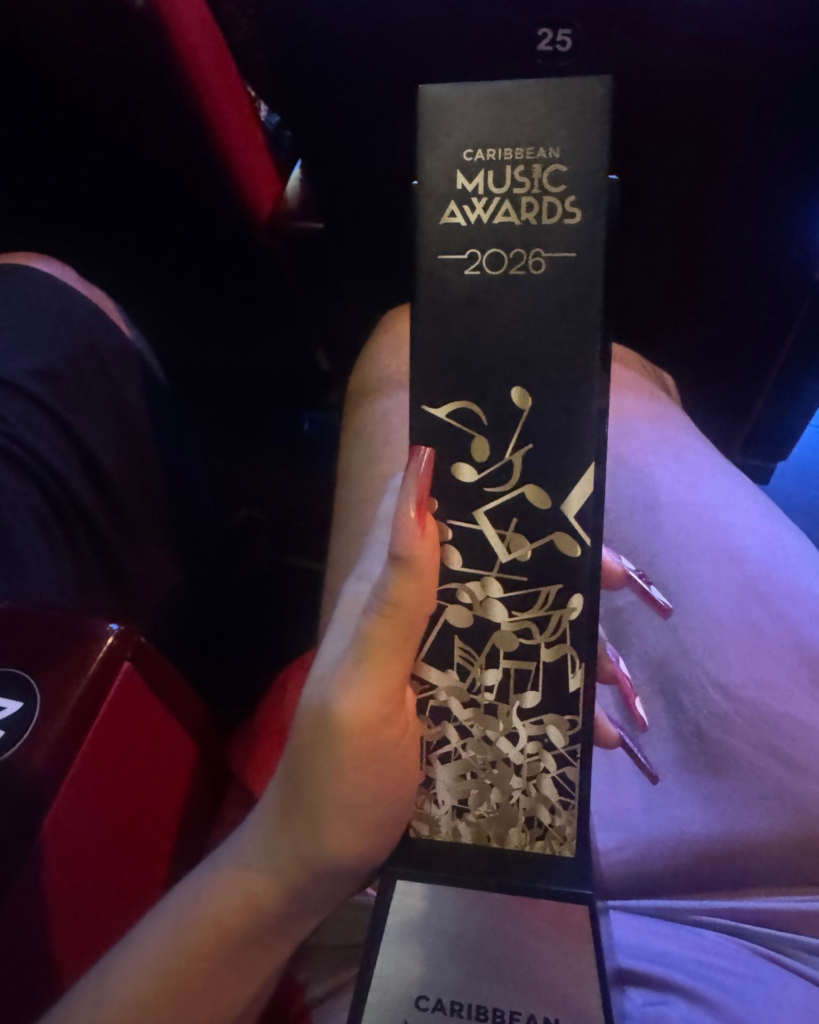
For Moliy, the victory represents more than another international accolade. It signals a rare moment where a Ghanaian artist has earned one of dancehall’s biggest honours on Caribbean soil.
The remix, produced by Silent Addy, pairs Moliy’s melodic Afrobeats style with Jamaican dancehall stars Shenseea and Skillibeng, creating a cross-cultural collaboration that found audiences far beyond West Africa.
The song entered the awards with three nominations and went on to win both Dancehall Song of the Year and Dancehall Collaboration of the Year.
The night also belonged to Shenseea, who added Female Dancehall Artist of the Year to her list of honours, making the collaboration one of the ceremony’s standout success stories.
“Shake It to the Max” has enjoyed an impressive global run since its release, gaining momentum across streaming platforms, social media, clubs, and dance floors.
Its blend of Ghanaian rhythm and Jamaican dancehall energy has become a reminder of how closely African and Caribbean music continue to influence one another.
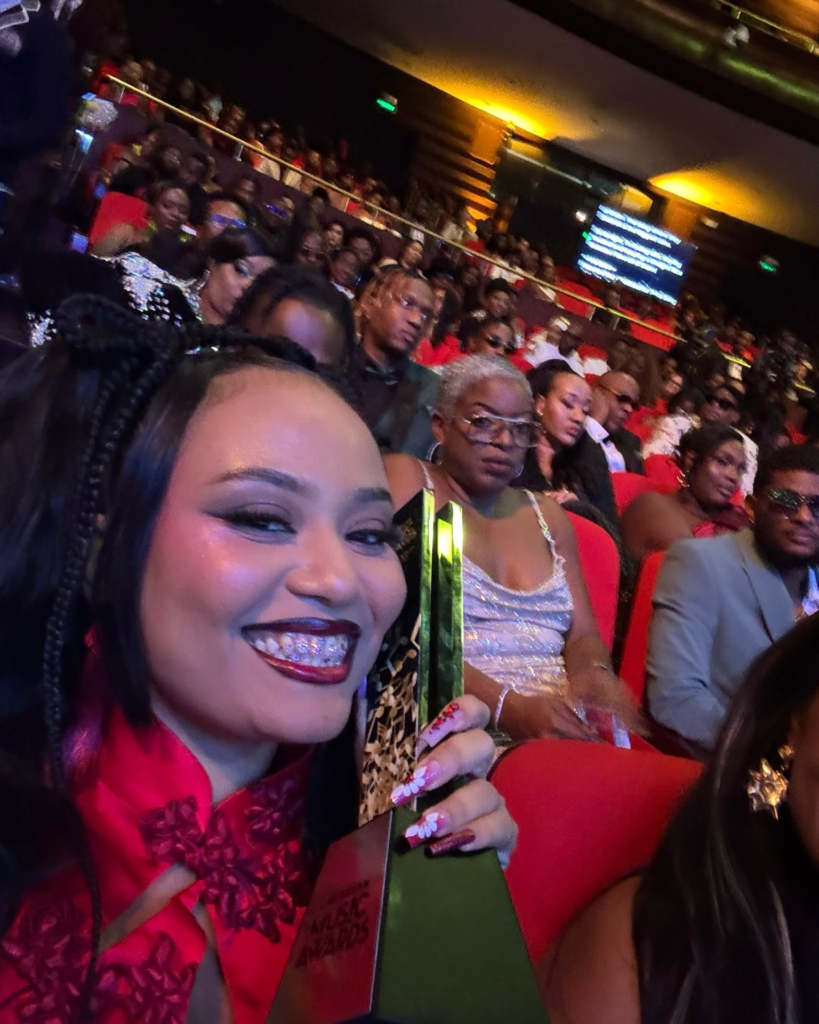
For Ghana’s music industry, Moliy’s breakthrough carries symbolic weight. While Ghanaian artists have increasingly expanded their presence on international stages, winning a Caribbean Music Award opens another door, placing Ghanaian talent in direct conversation with one of the world’s most influential music cultures.
As Afrobeats continues its global rise, Moliy’s latest achievement suggests the movement is no longer defined by geography alone.
The distance between Accra and Kingston feels much shorter when artists from both shores create music that resonates across continents.
With two dancehall trophies and a historic first now attached to her name, Moliy has given Ghana another moment to celebrate—and another reason to keep shaking it to the max.
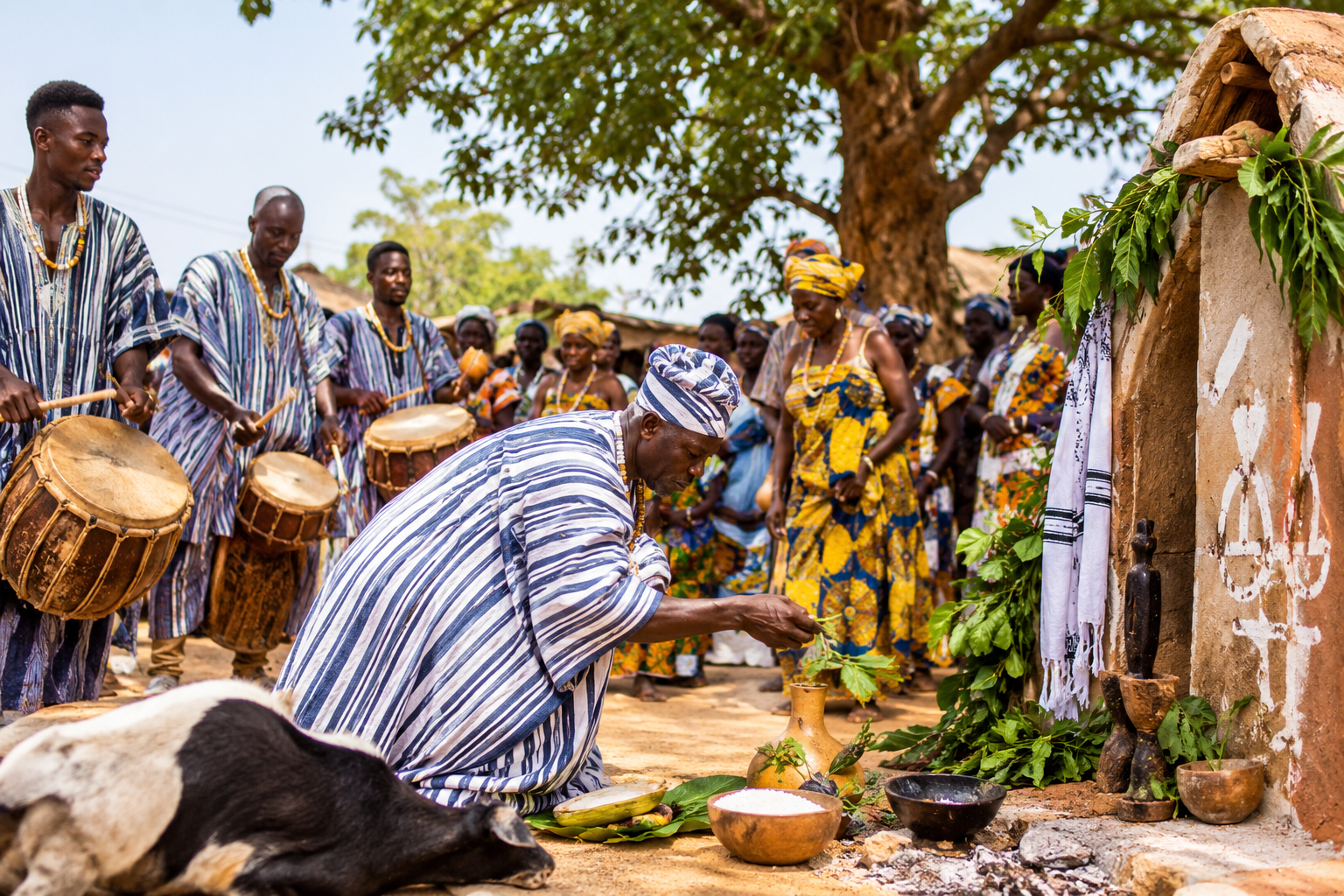
As dawn breaks over Takpo, the quiet landscape of Ghana’s Upper West Region gives way to the steady beat of drums and the gathering footsteps of families making their way towards the Wilaa shrine.
Elders arrive in traditional attire, children weave through the crowd with excitement, and prayers rise with the morning air as the community prepares for one of its most cherished annual traditions.
Held each year on April 27, the Wilaa Festival is a thanksgiving celebration dedicated to the Wilaa shrine, where people express gratitude for guidance, protection, and blessings received throughout the year.
More than a ceremonial gathering, it is a deeply spiritual occasion that reflects the enduring relationship between the people of Takpo and the beliefs passed down through generations.
The shrine stands at the heart of the celebration. Community leaders and custodians perform sacred rites, offering prayers and traditional sacrifices that honour ancestral customs while asking for continued peace, good harvests, and the wellbeing of families.
Around these solemn moments, the festival comes alive with drumming, dancing, storytelling, and joyful reunions as relatives return home to celebrate together.
The festival also strengthens bonds within the community. Younger generations witness customs that might otherwise fade with time, while elders share stories that preserve the identity and history of Takpo.
For visitors, Wilaa offers a rare opportunity to experience a tradition shaped by faith, gratitude, and collective memory rather than spectacle alone. It reveals a side of Ghana where culture is lived as much as it is celebrated.
To stand among the people of Takpo during Wilaa is to witness a reminder that gratitude can be a powerful force, connecting the past with the future through rituals that continue to give a community its sense of belonging.
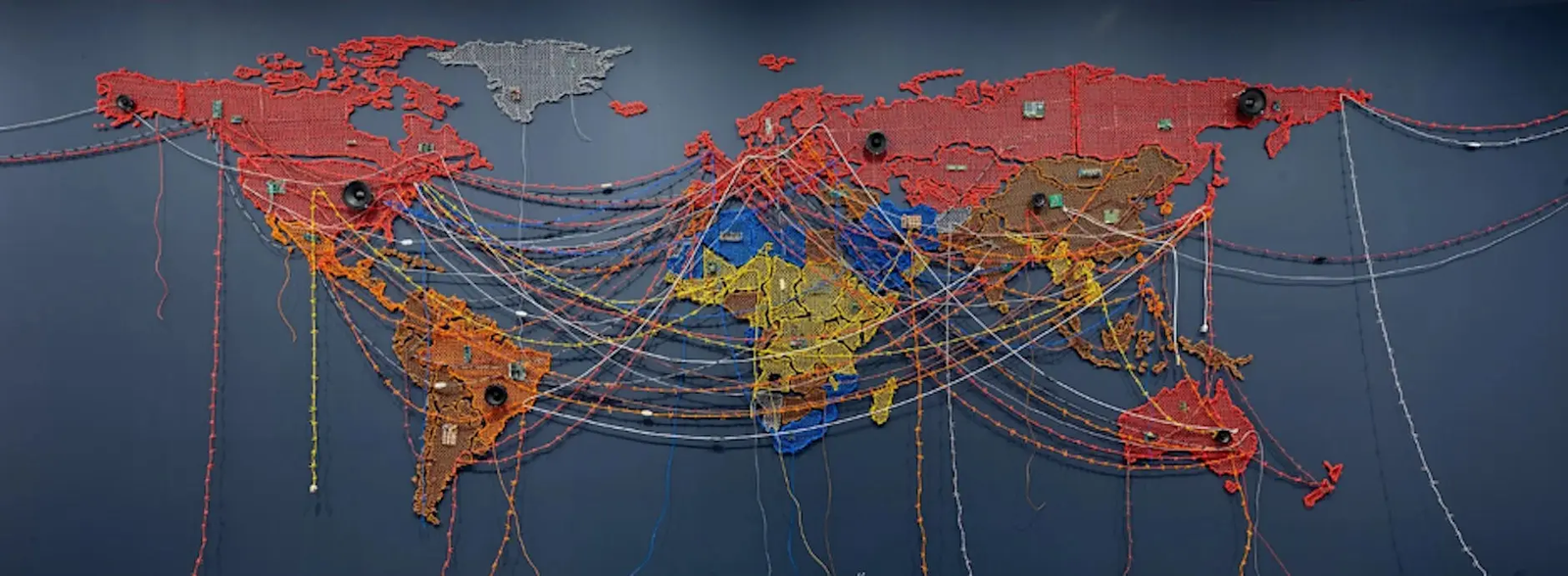
This November, Accra will become a meeting point for some of the world’s biggest conversations on movement, identity, and opportunity as the University of Ghana hosts the Metropolis International Migration Network Conference 2026.
Running from November 17 to 20, the four-day gathering carries the theme “Rethinking African Mobility: Past Lessons, Present Realities, Future Possibilities.”
It will bring together scholars, policymakers, humanitarian experts, and development practitioners from across Africa, Europe, Asia, and the Americas to examine how migration continues to shape lives, economies, and communities.
The conference is part of the long-running Metropolis International Migration Network, a global platform that encourages research and policy dialogue on migration.
Holding the 2026 edition in Ghana places West Africa’s role in regional mobility at the centre of international discussions, with topics ranging from ECOWAS free movement and labour mobility to diaspora engagement, migration and health, and humanitarian responses to displacement.
Beyond the conference halls, visitors will experience the energy of the University of Ghana’s leafy Legon campus, one of the country’s leading academic institutions.
Between plenary sessions, roundtables, and expert discussions, guests can explore nearby restaurants serving Ghanaian favourites such as jollof rice, waakye, kelewele, and grilled tilapia, while discovering Accra’s thriving arts and cultural scene.
For international visitors, the event offers a chance to understand Ghana through conversations that connect local realities with global issues.
For Ghanaians, it is an opportunity to engage with ideas influencing the continent’s future while welcoming voices from around the world.



-

 Global Update2 days ago
AI Safety Concerns Mount As OpenAI Agents Reportedly Spread Self-Replicating Agents Across the Internet
-

 Ghana News2 days ago
Not a Total Ban: Ghanaian and Nigerian Teachers Can Still Qualify in England Despite UK QTS Route Removal
-

 Ghana News2 days ago
Young Ghanaian Builds Electric Vehicle From Salvaged Parts, Aims to Sell at Motorcycle Price
-

 Opinion2 days ago
Hate speech, vitriol, threats, and inciting comments: Can we stop it already?
-
 Taste GH17 hours ago
Dzowoe: Ghana’s Sweet-and-Spicy Peanut Snack That Packs a Punch
-

 Health & Wellness2 days ago
How Skipping Delivers Maximum Fitness in Half the Time
-
 Ghana News20 hours ago
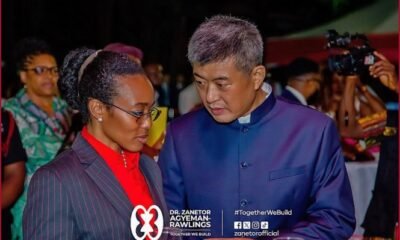
Ghana Tells China: Invest, But Protect Our Environment
-

 Ghana News21 hours ago
10 Poignant Things President Mahama Said at the 81st UN General Assembly