
Ghana News
“A Big NO”: Iran Embassy in Ghana Taunts the U.S. After 21-Hour Talks in Pakistan Fail

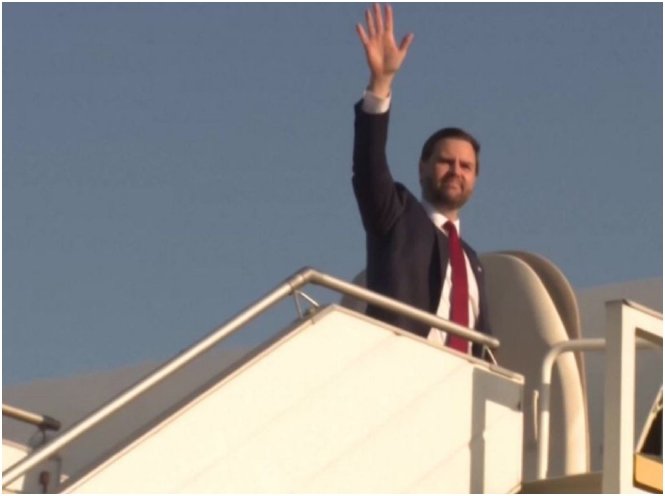
High-stakes marathon talks between the United States and Iran in the Pakistani capital have ended without a deal, with Tehran delivering a firm rejection of Washington’s terms and Vice President JD Vance returning home empty-handed after 21 hours of negotiations.
The Iranian Embassy in Ghana announced the outcome in a blunt social media post on X (formerly Twitter), stating:
The US flew their Vice President halfway across the world to Islamabad. 21 hours of talks. They demanded everything they couldn’t achieve through war. Iran said a BIG NO. The talks are over. The Strait is still closed. And the VP is flying home empty-handed. Just Iran’s word. Again. They don’t have any option left to save face.”
The negotiations—the highest-level direct engagement between Washington and Tehran since the 1979 Islamic revolution—were intended to advance a fragile ceasefire and address decades of hostility. Instead, they exposed unbridgeable gaps over Iran’s nuclear programme, regional influence, and control of the strategic Strait of Hormuz.
Vance: “Bad News for Iran”
Speaking to reporters before departing Islamabad, Vice President Vance struck a defiant tone, insisting the failure to reach an agreement was “bad news for Iran much more than it’s bad news for the United States of America.”
He said Iran chose “not to accept our terms,” adding that Washington requires a “fundamental commitment” from Tehran to abandon not only nuclear weapons development but also “the tools that would enable them to achieve a nuclear weapon quickly.”
However, Al Jazeera’s John Hendren, reporting from Washington, noted that Vance’s departure “doesn’t necessarily mean that the talks are over,” suggesting negotiations could continue remotely. The main sticking points, he said, remain the Strait of Hormuz—which Iran continues to control—and deep disagreements over the scope of nuclear restrictions.
Tehran’s Response: No Single-Session Expectations
Iran’s Ministry of Foreign Affairs struck a calmer tone, with spokesperson Esmaeil Baghaei stating that no one had realistically expected a single round of talks to produce an agreement.
“Naturally, from the beginning, we should not have expected to reach an agreement in a single session. No one had such an expectation,” Baghaei said, according to state broadcaster IRIB. He expressed confidence that contacts between Iran, Pakistan, and other regional friends would continue.
Al Jazeera’s Tohid Asadi, reporting from Tehran, noted that the Iranian side has not disclosed technical details of the points of contention. Unlike previous rounds focused narrowly on uranium enrichment, this time the talks adopted a “comprehensive approach” covering multiple controversial issues—from security assurances to control of the Strait of Hormuz.
Iran’s Demands: Reparations, Strait Control, Regional Ceasefire
According to Iranian state TV and officials, Tehran’s demands include:
- Control of the Strait of Hormuz
- Payment of war reparations
- Release of frozen assets abroad
- A comprehensive regional ceasefire, including in Lebanon
However, US ally Israel has refused to halt its military campaign against Hezbollah in Lebanon. While a ceasefire was announced last week, Israeli Prime Minister Benjamin Netanyahu made clear his government’s position:
“Israel under my leadership will continue to fight Iran’s terror regime and its proxies.”
Netanyahu also rejected any ceasefire with Hezbollah, despite reports that Israeli and Lebanese envoys have held preliminary talks in Washington.
Background: The War and the Energy Crisis
The talks come against the backdrop of a devastating US-Israeli war on Iran that began on 28 February and expanded across the Middle East. More than 2,000 people have been killed, with military and civilian areas damaged in the attacks. Iran has carried out retaliatory strikes on Israel and on Gulf countries hosting US assets.
The war triggered a global energy crisis after Iran effectively closed the Strait of Hormuz, through which approximately 20% of the world’s oil and gas exports pass. Experts say the war violated international law. A landmark 2015 nuclear deal, negotiated under the Obama administration, was scrapped during Donald Trump’s first term as president.
Pakistan Urges Continued Truce
Pakistan, which hosted the talks and has acted as a mediator, called on both sides to uphold their commitment to the ceasefire and continue pursuing durable peace.
“On behalf of Pakistan, I would like to express gratitude to the two sides for appreciating Pakistan’s efforts to achieve a ceasefire and its mediator role,” said Foreign Minister Ishaq Dar. “We hope that the two sides continue with a positive spirit to achieve durable peace and prosperity for the entire region and beyond.”
Al Jazeera’s Osama Bin Javaid, reporting from Islamabad, noted that Iran’s pre-talks framework made no mention of a complete surrender of nuclear ambitions. “What the US is essentially asking Iran now is that they give up their right to any nuclear programme, even for medical purposes,” he said.
“There is a sea of mistrust that they are trying to build bridges over,” he added, “and statements like this and leaving the negotiations with an ultimatum are not going to help bridge those divides.”
As Vance flew home, Israeli strikes continued across southern Lebanon, with at least six people killed in the Tyre district in the latest attack—underscoring how far the region remains from any lasting peace.







Accra, Ghana – The collapse of high-level peace talks between the United States and Iran in Islamabad casts immediate doubt on Ghana’s planned fuel tax relief measures, as global oil markets reassess the risk of prolonged disruption through the Strait of Hormuz.
US Vice President JD Vance, who led the American delegation alongside senior officials, stated that Iran had “chosen not to accept our terms” after nearly 21 hours of negotiations.
The talks, described as the highest-level direct engagement between Washington and Tehran since the 1979 Islamic Revolution, broke down primarily over Iran’s nuclear program and control of the strategically critical Strait of Hormuz.
Within hours of the announcement, two supertankers made last-minute U-turns at the Hormuz checkpoint, according to Bloomberg ship-tracking data, signaling renewed caution among energy traders.
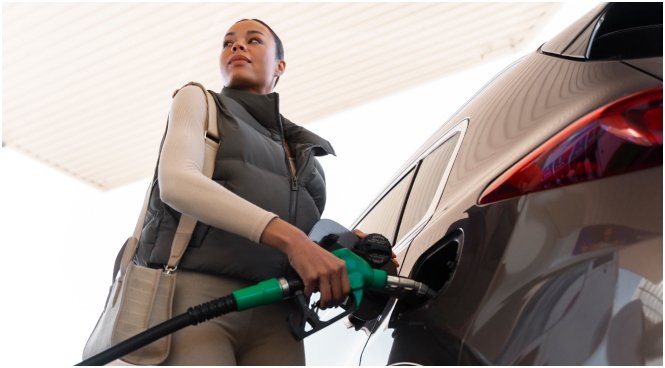
For Ghana, the development comes at a sensitive moment. On April 9, President John Dramani Mahama directed the Ministers of Finance and Energy to prepare a temporary suspension of selected petroleum taxes and margins to cushion consumers from the recent sharp surge in fuel prices. The intervention was scheduled to take effect in the April 16 pricing window.
However, the failure of the Islamabad talks has triggered a swift reassessment in global commodity markets, potentially reversing the brief optimism that followed the short-lived ceasefire announcement.
Economists warn that a reassertion of the Hormuz risk premium could keep international crude prices elevated, significantly reducing the effectiveness of any domestic tax cuts at the pump.
The government now faces a difficult balancing act: proceeding with relief measures that may deliver limited benefit if global prices remain high, or delaying action and risking public discontent amid already strained household budgets.
The situation demonstrates Ghana’s continued vulnerability to geopolitical shocks in the Middle East despite efforts to build economic resilience.
Ghana News
Ghana Leads African Central Banks in Gold Reserve Accumulation as Global Buying Wave Hits $2 Billion

Accra, Ghana – Ghana has emerged as one of the most active African central banks in the global gold accumulation surge, joining a broader shift by emerging market nations seeking to diversify reserves and shield economies from currency volatility and geopolitical risks.
According to the latest data, central banks worldwide purchased 27 tonnes of gold in February 2026, valued at approximately $2 billion.
While the bulk of demand continues to come from major players such as China, Poland, Kazakhstan, and Turkey, African central banks are gradually increasing their participation. Ghana stood out last year for aggressively boosting its gold reserves to support the cedi and strengthen its balance sheet amid economic challenges.
The move reflects a deliberate strategy to reduce reliance on traditional foreign currencies and build a more resilient reserve base.
Other African nations are also showing strategic interest. Uganda has launched a domestic gold purchasing programme targeting at least 100 kilograms over four months, while Kenya — despite holding just 0.02 tonnes — has signalled plans for gradual accumulation. Zimbabwe continues experimenting with gold-backed instruments, and the Democratic Republic of Congo aims to formalize 15 tonnes of artisanal gold production in 2026.
These efforts, though still modest compared to global leaders, signal a growing continental recognition of gold’s role as a hedge in uncertain times.
Analysts say this African participation, led by Ghana, aligns with a wider global trend where central banks are treating gold as a strategic asset rather than a relic of the past.
For Ghana, continued accumulation could further stabilise the cedi, enhance macroeconomic credibility, and support the country’s ambition to capture more value from its rich gold resources through strategic reserve management.
Ghana News
LGBTQ Debate Intensifies After Mahama Comments, Moody’s Upgrades Ghana Outlook and Other Big Stories Today
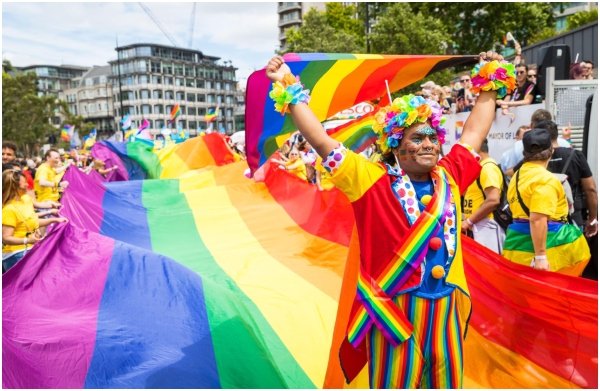
We have curated the most relevant stories from Ghana for your enjoyment and awareness. From renewed calls on the controversial Anti-LGBTQ bill and a significant credit rating upgrade, to traditional leadership disputes and maritime security operations, these developments reflect the key political, economic, and social conversations shaping the country this morning.
It Remains a Priority – Sam George on Anti-LGBTQ Bill
Ningo-Prampram MP Sam George has reaffirmed that the Human Sexual Rights and Family Values Bill remains a top priority for him and many Ghanaians. Speaking in a recent interview, the outspoken NDC legislator took a stance that challenges his boss’s (President Mahama), stating that the bill is not a distraction but a necessary piece of legislation to protect Ghanaian cultural and family values. He expressed confidence that the bill would eventually be passed, despite delays, and urged supporters to remain patient while the legislative process is followed. George stated that the bill enjoys broad public support and that he would continue to champion it until it becomes law.
Read the full story here
Rev. Ntim Fordjour Urges Mahama to Issue Directive to Fast-Track Anti-LGBTQ Bill
Deputy Minority Leader Rev. John Ntim Fordjour has called on President John Dramani Mahama to issue a directive to fast-track the passage of the Anti-LGBTQ bill. The NPP MP argued that the legislation reflects the will of the Ghanaian people and should not be allowed to drag on indefinitely. He urged the President to demonstrate leadership by ensuring the bill is prioritised in Parliament, warning that further delays could erode public trust in the government’s commitment to moral and cultural issues.
Read the full story here
President Mahama Nominates Pamela Graham as New Auditor-General
President John Dramani Mahama has nominated Pamela Graham as the new Auditor-General of Ghana. The nomination, which has been forwarded to Parliament for approval, is expected to bring fresh leadership to the country’s supreme audit institution. Graham is widely regarded as a seasoned professional with extensive experience in public financial management and auditing. If confirmed, her appointment will be closely watched as the government continues efforts to strengthen transparency and accountability in public finances.
Read the full story here
Etweresohene Stripped of Title, Barred from Ofori Panin Fie Over Alleged Rebellion
The Etweresohene has been stripped of his title and barred from the Ofori Panin Fie (the palace of the Okyenhene) following allegations of rebellion and disloyalty. The traditional council took the decision after what it described as persistent acts of insubordination and attempts to undermine the authority of the Okyenhene. The development has generated significant interest in traditional circles and highlights ongoing tensions within some traditional structures in the Eastern Region.
Read the full story here
Moody’s Upgrades Ghana’s Outlook to Positive, Affirms Caa1 Rating
Global ratings agency Moody’s has upgraded Ghana’s outlook to positive while affirming the country’s long-term issuer rating at Caa1. The upgrade reflects improving fiscal performance, debt management efforts, and signs of economic stabilisation. However, Moody’s cautioned that risks remain, particularly from external shocks such as global fuel price volatility. The positive outlook signals growing confidence in Ghana’s reform trajectory and could improve the country’s access to international capital markets.
Read the full story here
Mahama to Headline The Africa Debate 2026
President John Dramani Mahama has been confirmed as the headline speaker at The Africa Debate 2026, a major continental platform for discussing Africa’s most pressing issues. The event is expected to bring together African leaders, policymakers, and thought leaders to engage on topics ranging from economic transformation to governance and regional integration. Mahama’s selection underscores his growing stature as a key voice on African affairs.
Read the full story here
Navy Seizes Eight Unregistered Boats at New Takoradi
The Ghana Navy has seized eight unregistered boats during a routine patrol at New Takoradi. The operation forms part of ongoing efforts to combat illegal fishing and unregulated maritime activities along Ghana’s coastline. The vessels have been impounded, and investigations are underway to determine the owners and intended use of the boats. The Navy has reiterated its commitment to protecting Ghana’s marine resources and enforcing maritime laws.
Read the full story here


Ghana Government’s Planned Fuel Price Reduction Under Threat After Failed US-Iran Talks

“A Big NO”: Iran Embassy in Ghana Taunts the U.S. After 21-Hour Talks in Pakistan Fail

Visa-Free Travel vs Free Visa – What Ghana’s New Policy for Africans Really Means
-
 Business2 days ago
Netherlands Reclaims Position as World’s Top Exporter of Cocoa Products, Ghana Remains Key Supplier
-

 Festivals & Events18 hours ago
A Sunday to Remember: Immersing in the Soulful Power of ‘Before His Throne’
-

 Ghana News1 day ago
Ghana Leads African Central Banks in Gold Reserve Accumulation as Global Buying Wave Hits $2 Billion
-
 Fashion & Style19 hours ago
How Bondaana Tailored Mahama’s Power Move in Paris
-

 Health & Wellness19 hours ago
How Often Should You Wash Workout Clothes? Dermatologists Say It Depends on Your Sweat
-

 Fashion & Style19 hours ago
Boubou Blueprint: How to Master the ‘Rich Auntie’ Aesthetic
-
 Africa Watch2 days ago
U.S. Warns Citizens to Reconsider Travel to Nigeria Citing Terrorism
-

 Africa Watch2 days ago
Pope Leo XIV to Embark on Ambitious 10-Day Tour of Four African Nations