
Homes & Real Estate
Inside Accra’s New Housing Shift: Can Affordable Luxury Become the Norm?

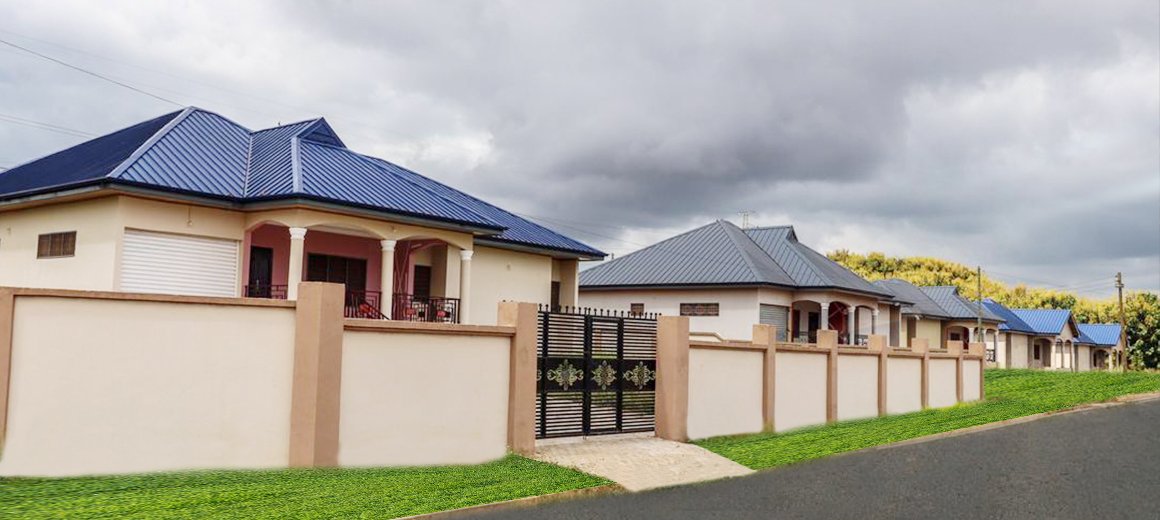
For years, homeownership in Accra has carried a frustrating contradiction. The city’s rapid growth has increased demand for modern housing, yet many middle-income earners still find quality homes financially out of reach.
Now, a growing number of developers are betting that “affordable luxury” could reshape the future of urban living in Ghana’s capital.
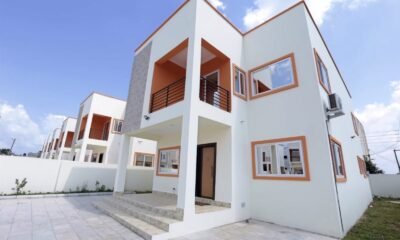
Among them is Rehoboth Properties, which is positioning its gated communities as an answer to rising concerns about housing quality, infrastructure, and long-term property value.
The Rise of the Modern Gated Community
Across areas such as Kwabenya, Oyarifa, and North Legon, the skyline is gradually changing. Formerly quiet residential zones are becoming hotspots for planned communities designed around security, accessibility, and lifestyle convenience.
For many buyers, the attraction goes beyond the house itself. Tarred roads, drainage systems, stable utilities, and controlled community access have become major selling points in a city where infrastructure gaps can significantly affect property values and quality of life.
Developers are also increasingly targeting younger professionals, diaspora investors, and first-time homeowners looking for a balance between affordability and comfort.
Sustainability Moves Into the Mainstream
One notable shift in Ghana’s property market is the growing conversation around sustainable housing. Rehoboth’s EDGE-certified developments reflect a wider trend toward energy-efficient homes that reduce water and electricity consumption without sacrificing comfort.
In practical terms, this means homes designed with features such as improved ventilation, efficient lighting systems, and water-saving installations — an important consideration in a city where utility costs continue to rise.
For global readers unfamiliar with Ghana’s housing landscape, EDGE certification is particularly significant because environmentally certified residential developments are still relatively limited across West Africa.
Flexible Financing Opens New Doors
Financing has historically been one of the biggest barriers to homeownership in Ghana. Traditional mortgage systems remain inaccessible for many workers due to high interest rates and strict lending requirements.
To bridge that gap, developers are increasingly introducing installment payment structures and partnerships with local financial institutions. This approach allows buyers to spread payments over time while reducing the pressure of high upfront costs.
Industry observers say these financing models are helping expand the pool of potential homeowners, particularly among middle-class families and overseas Ghanaians seeking investment properties.
More Than a House
For many buyers, purchasing property in Accra is no longer simply about owning land or securing shelter. It is increasingly tied to lifestyle, community, and long-term financial stability.
As Accra continues to expand outward, developments that combine infrastructure, sustainability, and flexible ownership models may shape the next chapter of Ghana’s urban housing story — one gated community at a time.







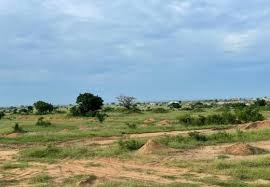
Owning land in Ghana can be one of the most rewarding investments you make, but it can also become one of the most expensive mistakes if the paperwork is ignored.
As demand for land continues to rise around Accra, Tema and other fast-growing communities, proper land registration has become just as important as choosing the right location.
Start With Due Diligence
The safest property purchases begin long before money changes hands. Buyers should confirm that the land is genuinely available for sale, investigate whether it falls within government development plans, and assess practical issues such as flooding risks.
Consulting a land lawyer and relevant agencies, including institutions like the Tema Development Corporation where applicable, can prevent costly disputes later.
Secure the Right Documents
Once ownership has been verified, negotiating directly with the rightful owner reduces unnecessary risks.
The sale agreement should then be professionally endorsed by a lawyer, accompanied by an approved site plan certified by licensed surveyors.
Independent witnesses representing both buyer and seller add another layer of legal protection.
Complete the Official Process
The remaining steps move through Ghana’s formal registration system. Endorsed documents are submitted to the Lands Commission for processing and valuation before tax obligations are cleared with the relevant revenue authorities.
The process concludes only when the buyer receives the original registered land title or deed documents.
Why It Matters
Land disputes remain a persistent challenge in parts of Ghana, often arising from overlapping ownership claims or incomplete documentation.
Following the registration process may require patience, but it significantly reduces the risk of future litigation.
For first-time buyers, diaspora investors and seasoned developers alike, registered land offers something every property owner values: confidence that today’s investment will remain secure for years to come.
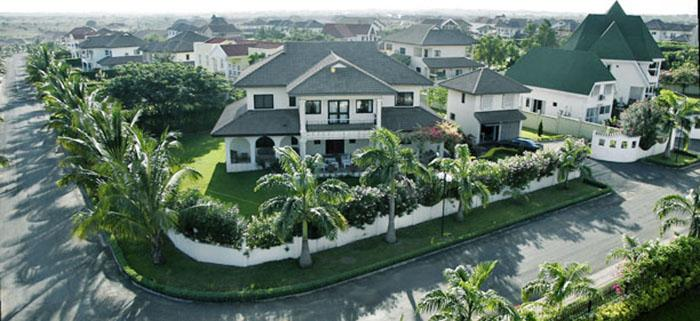
Compound houses that once dominated Ghana’s urban landscape, gated communities offer controlled access, private roads, and shared amenities designed for modern lifestyles.
Security remains their strongest selling point. Visitors are screened before entering, unfamiliar loitering is rare, and parents often value the quieter streets where children can play with less traffic.
Many developments also include gyms, community centres, pharmacies, restaurants, and landscaped recreational spaces that encourage neighbours to interact while maintaining personal privacy.
For investors, exclusivity often translates into stronger property values, making these estates attractive long-term assets.
The Cost of Convenience
The lifestyle comes with trade-offs. Homes inside gated communities typically command higher prices, while residents pay ongoing maintenance and security fees.
Strict estate regulations—from exterior paint colours to landscaping rules—can also limit personal freedom.
Even everyday routines can become less convenient. Visitors must be cleared at security posts, parking may be limited during gatherings, and estates located far from commercial centres often require longer commutes.
A Defining Trend in Ghana’s Housing Market
The rise of gated communities reflects more than changing housing preferences; it mirrors Ghana’s broader urban transformation.
Buyers increasingly seek neighbourhoods that combine safety with modern amenities, while developers continue responding to that demand.
The question is no longer whether gated communities will shape Ghana’s housing future—but how they will balance exclusivity with accessibility as the country’s cities continue to grow.
Homes & Real Estate
Why Smart Home Builders in Ghana Are Paying for Oversight, Not Just Construction
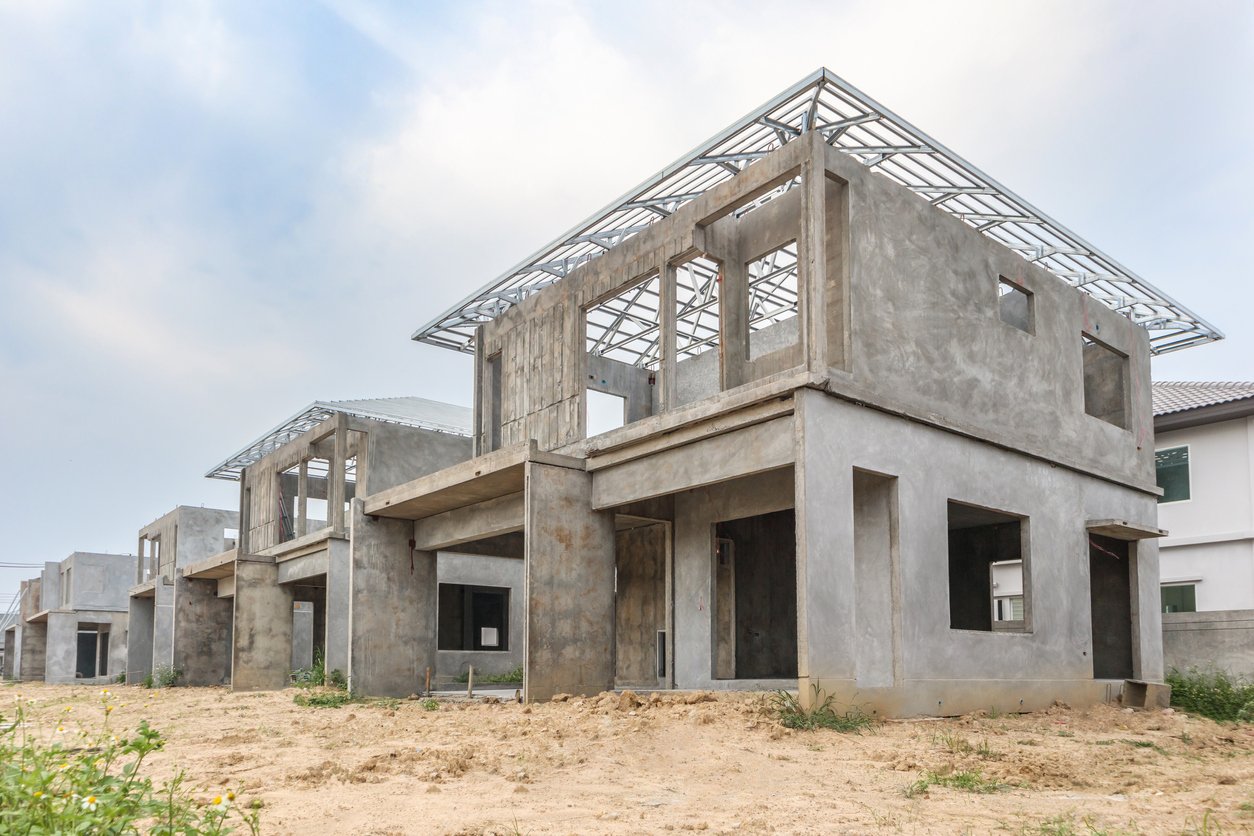
For many Ghanaians building a home, the search often begins with a familiar question: “Do you know an honest contractor?” It sounds sensible, but it may also be one of the costliest assumptions in construction.
Across Ghana’s fast-growing housing market, from gated developments in East Legon Hills to family homes in Tema and Oyarifa, expensive building mistakes rarely happen because someone failed to ask for honesty.
They happen because too many projects rely on trust instead of verification.
Why One Person Shouldn’t Hold All the Power
A contractor can present glowing recommendations and years of experience, yet hidden defects often remain invisible until long after the walls are painted.
The strongest defence is not finding the perfect person. It is creating multiple layers of accountability.
In professionally managed projects, different specialists verify different stages of construction. An architect confirms that the work matches the approved design.
A structural engineer inspects foundations and load-bearing elements before they disappear beneath concrete.
Mechanical, electrical and plumbing engineers check concealed systems inside walls, while a quantity surveyor confirms that materials and completed work match what has been paid for.
A project manager ties every inspection together through documented records.
The Cost of Prevention Versus Repair
Some homeowners hesitate to hire multiple professionals because it appears expensive. Yet repairing structural cracks, faulty wiring or poor drainage after construction can cost far more than preventing those mistakes in the first place.
This lesson carries particular weight in Ghana, where many families build homes gradually over several years. When construction stretches across different phases and contractors, documented inspections become even more valuable.
Building Confidence Into Every Brick
The simplest safeguard may also be the most overlooked: record everything. Photographs, signed inspection reports, dates and material records create an evidence trail that protects homeowners if disputes arise.
The smartest investment is not blind faith in a contractor. It is a building process designed so that shortcuts are caught before they become part of the house itself.


The Guns Turned Inward: Niger’s Mutiny and Russia’s Fragile Bargain in the Sahel | By Joseph McCarthy

Game-Changing Move: Ghana Sets Up New Fiscal Council to Scrutinize Government Spending and Win Back Investors

Ghana’s Persistence Pays Off: AU Formally Commits to Tabling Xenophobia Petition in January 2027
-

 Ghana News2 days ago
Top Headlines From Ghanaian Newspapers: Tuesday, Sept. 8, 2026
-

 Ghana News2 days ago
How Ghana’s Government Pressured MTN, Telecel, and AirtelTigo to Cut Data Prices
-

 Arts and GH Heritage2 days ago
The Stories We Live With: Inside Nubuke Foundation’s Weight of the Ordinary
-
 Ghana News15 hours ago
Ghana’s Persistence Pays Off: AU Formally Commits to Tabling Xenophobia Petition in January 2027
-

 Ghana News2 days ago
Buckingham Palace Responds to Jamaica’s $10 Billion Reparations Demand, But the UK Government’s Wallet Remains Shut
-

 Ghana News16 hours ago
Top Headlines From Ghanaian Newspapers: Wednesday, Sept. 9, 2026
-

 Africa Watch2 days ago
British-Nigerian Influencer Dies After Penis Enlargement Procedure in Thailand
-
 Ghana News15 hours ago
Game-Changing Move: Ghana Sets Up New Fiscal Council to Scrutinize Government Spending and Win Back Investors