
Festivals & Events
Nsuo ne Nsa’s Art Riot: Where Accra’s Underground Scene Meets Global Vision

Nsuo ne Nsa’s Art Riot: Where Accra’s Underground Scene Meets Global Vision
There is a specific kind of electricity that hums through the streets of Osu as the sun begins to dip toward the Atlantic. It’s the sound of spray cans rattling, the rhythmic snap of fingers at a poetry slam, and the low rumble of a community finding its voice.
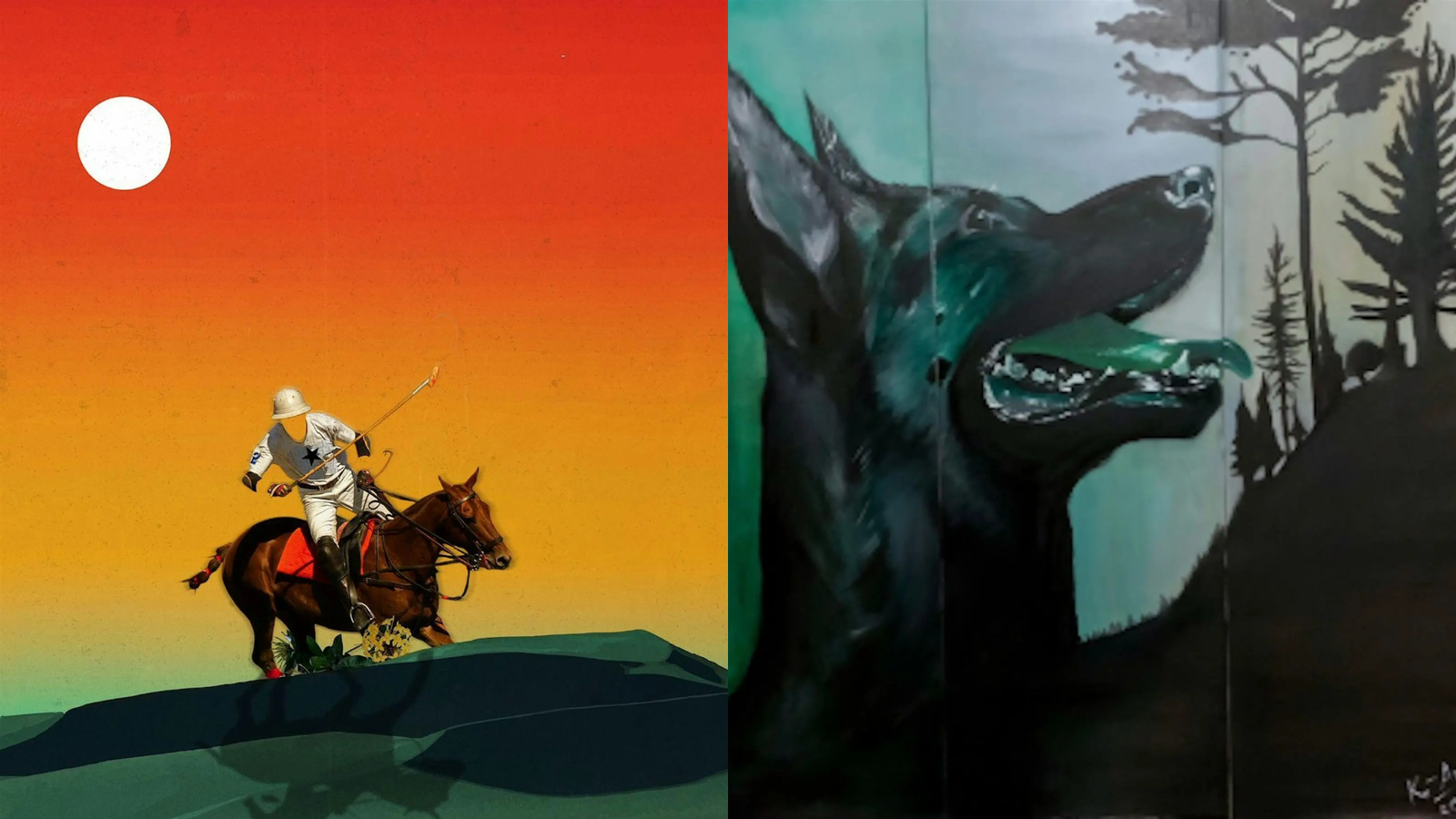
On Tuesday, April 28, that energy finds a home at Jamestown Coffee Co for the third edition of Art Riot. This isn’t a stiff gallery opening where you whisper in front of oil paintings; it is a loud, living manifestation of modern Ghanaian identity.
Nsuo ne Nsa, the collective behind the movement, has built a reputation for disrupting the “starched collar” art scene.
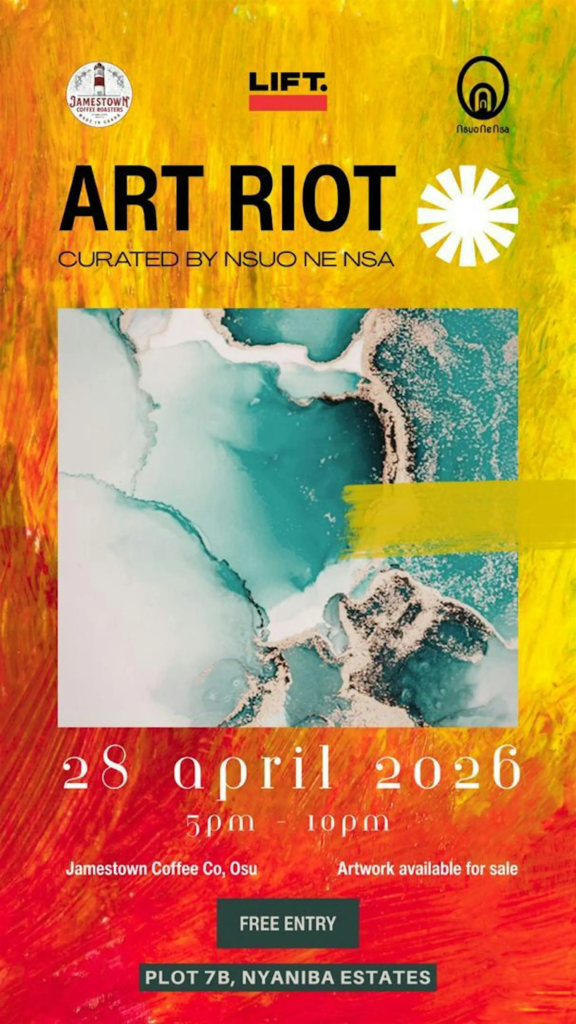
The name itself hints at a blend of elements, and this event serves as a bridge between the raw, ancestral spirit of Accra and the contemporary “disruptors” shaping its future. By collaborating with @jane.can.do, Art Riot III positions itself not just as a Tuesday night hangout but as a vital pulse check on West Africa’s creative evolution.
In a city that is rapidly modernizing, events like this ensure that the soul of the community isn’t lost in the sprawl, providing a platform for voices that refuse to stay quiet.
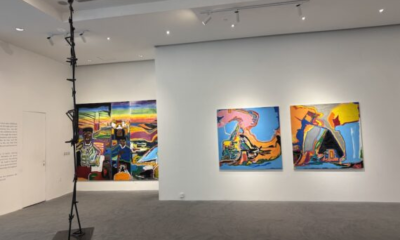
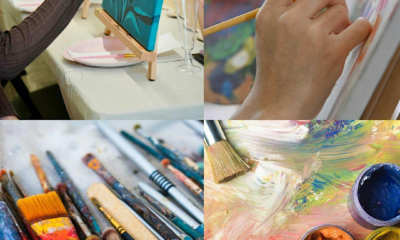
Step inside the industrial-chic confines of Jamestown Coffee Co and you’ll find a sensory overload designed to inspire. For those who want to get their hands dirty, @paintboireafrica leads a “Sip and Paint” session that turns spectators into creators.
If you prefer to observe, the walls will be alive with art for sale—pieces that capture the grit and grace of Ghanaian life.
The air will be thick with the spoken word performances of @be_yunus_10, whose verses often tackle the complexities of belonging and rebellion. It’s a space where the music doesn’t just play in the background; it drives the conversation.
For the international traveler, Art Riot offers a rare, uncurated glimpse into the “real” Accra—far removed from the typical tourist trails.
It is a chance to rub shoulders with the city’s thinkers and agitators. For the local, it’s a homecoming—a space to reconnect with a culture that is constantly reinventing itself.
Whether you are drawn by the lure of a fresh canvas or the need for a community that feels “louder and bolder,” this edition of Art Riot is where you belong.
Entry is free, the inspiration is limitless, and the movement is just getting started. Show up as you are, and let the riot begin.






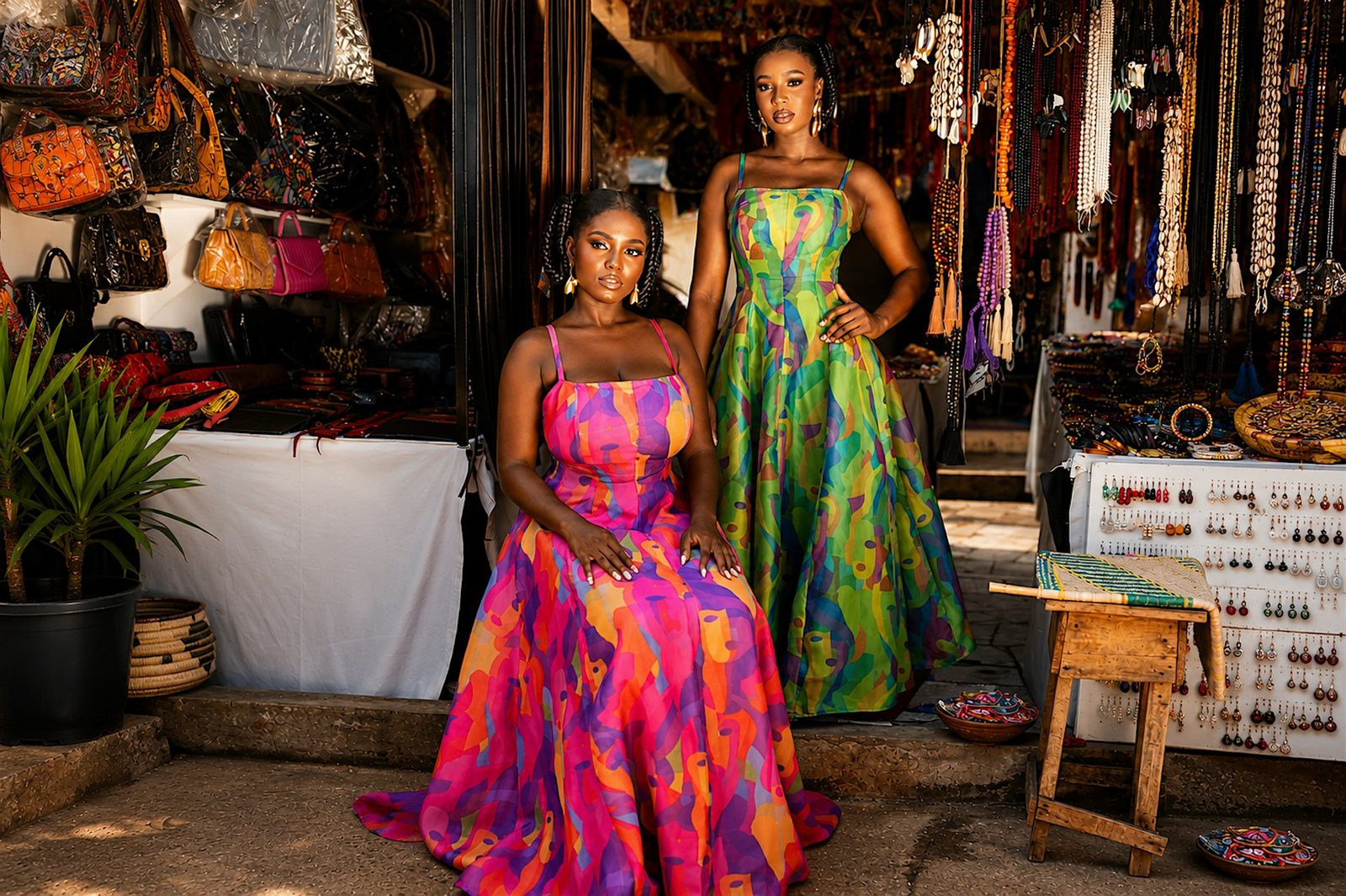
When Lagos’ unmistakable style arrives in Accra, expect colour, movement and plenty of personality.
This summer, Zephans & Co is bringing its distinctive fashion world to Ghana’s capital with a pop-up designed to celebrate African creativity, craftsmanship and contemporary style.
The Lagos-based fashion brand’s upcoming Summer Pop-Up offers shoppers an opportunity to experience its latest collection in person while exploring the cultural influences woven into its designs.
Known for pieces that combine striking prints with elegant silhouettes, Zephans & Co draws on textiles and techniques deeply connected to West African fashion traditions.
Visitors can expect handwoven Akwete textiles, hand-dyed Adire, flowing organzas and luxurious silks, alongside the statement pieces that have earned the brand a following among women across the world.
Each fabric brings its own history and visual language.
Akwete, associated with Igbo weaving traditions in Nigeria, and Adire, the celebrated Yoruba resist-dyeing tradition, demonstrate how heritage can be carried into contemporary wardrobes.
But this is more than a shopping stop. The pop-up creates a space where fashion becomes a meeting point between Lagos and Accra—two West African cities with vibrant creative communities and a shared appreciation for bold self-expression.
For international visitors, it offers an intimate introduction to the region’s fashion culture beyond the usual tourist attractions.
For Ghanaians and other Africans in Accra, it is an opportunity to reconnect with familiar fabrics, craftsmanship and the wider story of African design.
With good vibes, beautiful clothing and an atmosphere built around connection and creativity, the Zephans & Co Summer Pop-Up promises an afternoon worth adding to an Accra itinerary. Come for the clothes, stay for the culture, and leave with a piece that tells a story.
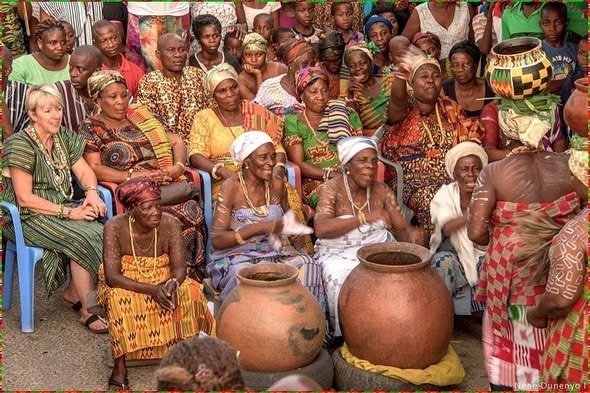
The first beat of the drum echoes through Dabala before sunrise, and within moments the town is alive.
Chiefs wrapped in colourful kente and richly woven cloth emerge in a grand procession, their gold ornaments catching the morning light as dancers answer the rhythm with graceful, energetic steps.
For the Agave people of Ghana’s Volta Region, this is more than a celebration. It is the return of a story carried from one generation to the next.
Held each February in the Agave District, the Dzawuwu Festival honours the courage and resilience of the Agave people.
It commemorates the bravery of their ancestors, whose determination helped shape the identity and unity of the community.
Every drumbeat and ceremonial procession becomes a reminder that history is not confined to books—it can be heard, seen and felt in the streets.
The festival’s most striking moments unfold as traditional leaders parade through the town, accompanied by drummers, singers and dancers whose performances preserve rhythms passed down for generations.
The atmosphere is both festive and deeply respectful, as families gather to celebrate their shared heritage while visitors are welcomed into the experience.
Beyond its colourful spectacle, Dzawuwu strengthens bonds within the community. It brings together relatives who return home from across Ghana and abroad, creating opportunities to reconnect, honour elders and pass cultural traditions to younger generations.
The festival also serves as a platform for showcasing Agave customs, music and dance to a wider audience.
For travellers seeking an authentic cultural experience, Dzawuwu offers something unforgettable: the chance to witness a living tradition where bravery is remembered not with silence, but with music, movement and the enduring pride of a people who continue to celebrate their roots.
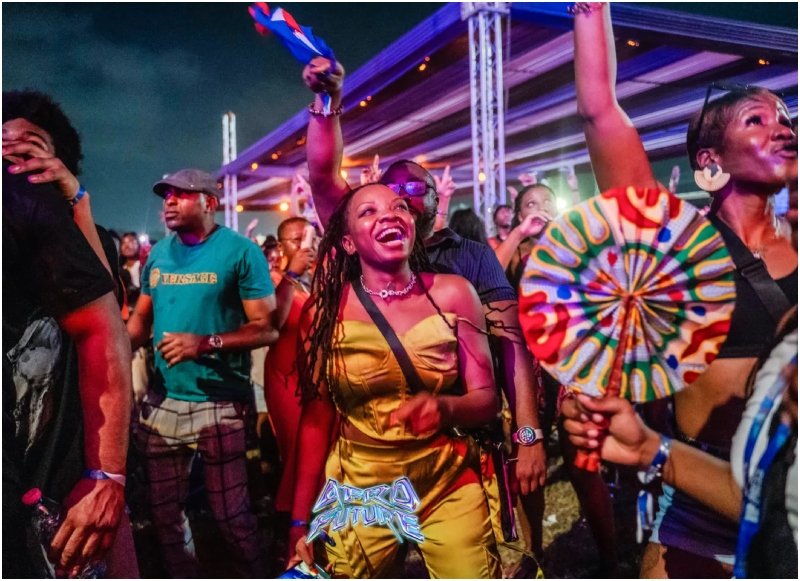
Some of the best memories in Accra are made after sunset, when live music fills the air and strangers become friends over good food.
On Saturday, September 12, Food Garage transforms into one of those unforgettable spaces as the Diamond Band Live Concert promises an evening where music and community take centre stage.
Running from 6:00 pm to 9:00 pm, the event celebrates a tradition that has long shaped Ghana’s social life: gathering around live performances.
From highlife’s timeless melodies to contemporary sounds that keep audiences on their feet, live bands remain an important part of the country’s entertainment culture.

They create an atmosphere that recorded playlists simply cannot match, turning every performance into a shared experience between musicians and the crowd.
Visitors can expect an energetic night filled with live music, dancing and plenty of opportunities to soak in Accra’s relaxed nightlife.
Food Garage’s casual setting adds another layer to the experience, with tasty meals and drinks complementing the performances.
Whether you’re singing along, discovering a new favourite song or simply enjoying conversations between sets, the evening is designed to feel welcoming rather than formal.
For international visitors, the concert offers a chance to experience Ghana beyond its landmarks.
It is an opportunity to witness how music naturally brings people together, creating moments that reflect the country’s warmth and hospitality.
For locals, it is the perfect excuse to reconnect with the joy of live entertainment and support the musicians who keep Ghana’s performance culture thriving.
As the lights come up and the band takes the stage, expect an evening where good food, great music and genuine connections make Food Garage the place to be.


Game-Changing Move: Ghana Sets Up New Fiscal Council to Scrutinize Government Spending and Win Back Investors

Ghana’s Persistence Pays Off: AU Formally Commits to Tabling Xenophobia Petition in January 2027

Top Headlines From Ghanaian Newspapers: Wednesday, Sept. 9, 2026
-

 Ghana News1 day ago
Top Headlines From Ghanaian Newspapers: Tuesday, Sept. 8, 2026
-

 Ghana News1 day ago
How Ghana’s Government Pressured MTN, Telecel, and AirtelTigo to Cut Data Prices
-
 Arts and GH Heritage2 days ago
The Stories We Live With: Inside Nubuke Foundation’s Weight of the Ordinary
-

 Ghana News1 day ago
Buckingham Palace Responds to Jamaica’s $10 Billion Reparations Demand, But the UK Government’s Wallet Remains Shut
-
 Ghana News10 hours ago
Ghana’s Persistence Pays Off: AU Formally Commits to Tabling Xenophobia Petition in January 2027
-

 Africa Watch2 days ago
British-Nigerian Influencer Dies After Penis Enlargement Procedure in Thailand
-
 Ghana News11 hours ago
Top Headlines From Ghanaian Newspapers: Wednesday, Sept. 9, 2026
-

 Reels & Social Media Highlights1 day ago
Medikal in Church and ‘Cheater’ Memes