
Festivals & Events
Aboakyer: The Thrill of the Hunt and the Spirit of Winneba

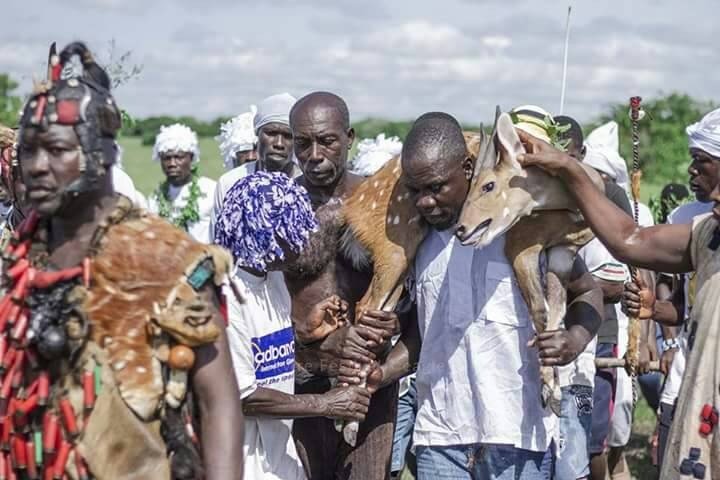
The morning sun rises over Winneba with a golden glow, but the town is already alive. Drums roll across the air as distant thunder, warriors wrapped in colourful cloth gather at the edge of the bush, and crowds line the streets with anticipation.
In the heart of Ghana’s Central Region, the Aboakyer Festival, literally meaning “hunting for game”, has begun.
Celebrated by the Effutu people on the first Saturday of May, Aboakyer is one of Ghana’s most thrilling traditional festivals. Its roots stretch back centuries to the migration of the Effutu ancestors, who believed a powerful deity named Penkye Otu protected their community.
According to oral history, the god once demanded a human sacrifice each year. Over time, elders successfully negotiated a substitution: instead of a person, the people would present a live bush deer captured from the forest. That compromise gave birth to the festival as it is known today.
The climax of Aboakyer is the dramatic deer hunt. Two rival Asafo companies—traditional warrior groups known as Tuafo No. 1 and Dentsifo No. 2—race into the surrounding bush to capture a live deer using only their bare hands. No weapons are allowed.
When the first group emerges from the forest carrying the struggling animal high above their heads, the crowd erupts in cheers, drumming, and dancing. Victory brings honour not just to the hunters, but to the entire company they represent.
Beyond the hunt, Winneba becomes a vibrant stage for tradition. Chiefs in elaborate regalia sit in state during a colourful durbar, while dancers spin to the rhythms of local drums and horns.
Families reunite, visitors flood the streets, and the town transforms into a celebration of identity and belonging.
Yet Aboakyer is more than spectacle. Spiritually, it is an offering of gratitude and protection to Penkye Otu. Socially, it renews bonds within the community and connects younger generations to the courage and beliefs of their ancestors.
For travellers exploring Ghana’s cultural landscape, witnessing Aboakyer is unforgettable. It is not merely a festival—it is a living story of negotiation, resilience, and communal pride, unfolding in the energetic heart of Winneba.





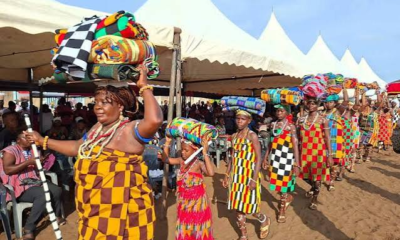





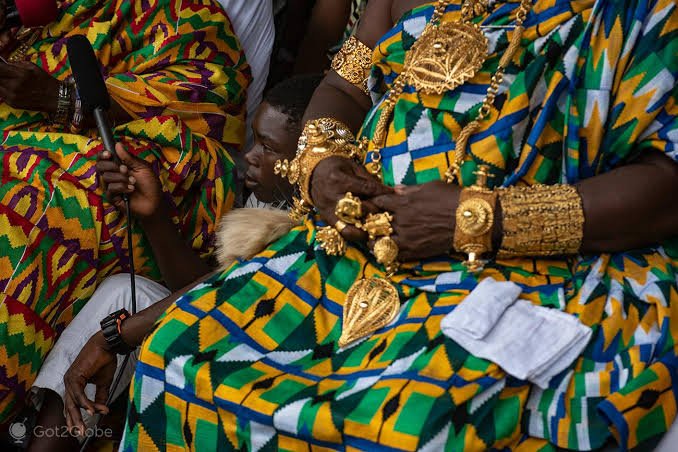
A June celebration in Ghana’s Eastern Region brings the Akyem people together to honour traditional leadership, strengthen communal bonds and preserve their cultural identity.
The sound of drums rolls through Kibi as residents gather to celebrate the traditions that bind their community together.
Colourful cloth, traditional regalia and the dignified presence of chiefs lend the occasion a sense of ceremony, while families, elders and younger generations come together for the Ahukan Festival, a celebration held by the Akyem people in Ghana’s Eastern Region each June.
A Celebration Rooted in Traditional Leadership
Kibi, also spelled Kyebi, is an important traditional town associated with the Akyem Abuakwa state.
Its history is closely connected to the institution of chieftaincy, which has long played a role in community governance, dispute resolution and the preservation of customs.
The Ahukan Festival is described as an occasion for honouring local chiefs, recognising their place in the traditional system and reaffirming the relationship between leadership and the people.
Although detailed historical accounts of the festival’s origins and specific rites are limited, its central theme reflects the importance of respect for traditional authority within Akyem society.
Where Community and Culture Meet
The festival provides an opportunity for residents, families and visitors to witness the continuing significance of customary leadership.
Traditional gatherings of this kind can feature drumming, dancing, ceremonial appearances by chiefs and elders, and addresses that reflect on communal responsibilities and development.
Beyond the public celebrations, Ahukan offers a moment for generations to reconnect. Elders help keep cultural knowledge alive, while younger people encounter the customs and symbols that give their heritage meaning.
In contemporary Ghana, such festivals also create opportunities to discuss local development, social unity and the responsibilities communities share in shaping their future.
For visitors exploring Ghana’s Eastern Region, Ahukan offers a window into the relationship between tradition, leadership and belonging.
Experiencing the festival in Kibi is an invitation to appreciate a living heritage sustained by the people who continue to practise it.

Pitch Accra sets the scene for a New Year’s Eve gathering that brings music lovers together as Ghana welcomes the first moments of 2027.
As the final hours of 2026 slip away, Accra will offer music lovers another reason to gather, celebrate and welcome a new year together. Compozers Fest Ghana Edition is scheduled for December 31, 2026, bringing the festive energy of New Year’s Eve to Pitch Accra.
Organised by December in Ghana, an events organiser with a growing following, the celebration offers an opportunity to experience Accra’s nightlife during one of the busiest periods on Ghana’s social calendar.
Music, Community and Celebration
Music has long been central to Ghanaian social life, accompanying celebrations, festivals and gatherings across generations. From highlife and hiplife to Afrobeats and contemporary African sounds, the country’s musical landscape reflects a continuing conversation between tradition and modern influences.
A festival held on New Year’s Eve provides a natural meeting point for these musical cultures and the people who enjoy them.
For Ghanaians returning home for the festive season, it offers another opportunity to reconnect with the city’s entertainment scene. International visitors can experience Accra’s year-end atmosphere alongside residents and members of the diaspora.
Although detailed information about the festival’s performers and programme has not been announced in the supplied listing, the event is scheduled to begin at 10 pm and continue into January 1, 2027.
Making New Year’s Eve Memorable
The venue, Pitch Accra, will host the gathering on Accra Road, Accra. Tickets also come with a Visa card promotion: eligible purchases receive 15 per cent back, with the refund processed within three to five working days after the event. The organiser states that tickets are non-refundable.
For visitors planning a festive-season trip, Compozers Fest Ghana Edition offers another event to consider when exploring Accra after dark.
As 2026 draws to a close, the celebration promises a chance to gather with friends, enjoy the city’s nightlife and begin 2027 in the company of fellow music lovers.

The steady beat of drums fills the air as singing voices rise and dancers bring the streets of Vane to life. In this town in Ghana’s Volta Region, November brings more than the promise of a successful harvest.
It ushers in the Amu Brown Rice Festival, a celebration that connects the rewards of the land with memories of a historic victory that secured the community’s present homeland.
At the heart of the festival is rice, a crop that represents both agricultural achievement and the value of collective effort. As families and community members gather to mark the harvest, the occasion becomes an opportunity to celebrate the work of farmers and recognise the importance of food production to local life.
Yet the festival’s significance reaches beyond the fields. Its commemoration of a victory associated with securing the community’s homeland gives the celebration a deeper historical meaning. It recalls the struggles and determination behind the community’s settlement, connecting present generations with the experiences that shaped their identity.
The festivities feature drumming, dancing and singing, bringing traditional expression to the centre of community life.
A durbar of chiefs provides an important gathering point, bringing traditional leadership into the celebration and reinforcing the relationship between heritage, authority and communal belonging.
For younger generations, the festival offers an opportunity to encounter local history through shared participation rather than words alone.
For visitors, it provides a glimpse of how agricultural seasons, historical memory and traditional leadership continue to shape cultural life in Ghana.
As communities navigate social change, celebrations such as Amu Brown Rice help preserve inherited customs while creating space for people to gather, reconnect and pass their stories forward.
For anyone exploring Ghana beyond its familiar tourist attractions, a November visit to Vane offers a chance to experience a living tradition in which the harvest is not simply food, but a reminder of history, resilience and belonging.


-
 Sights and Sounds2 days ago
Planning a Family Day Out in Accra? Lakeside Marina Park Offers Fun for All Ages
-
 Arts and GH Heritage7 hours ago
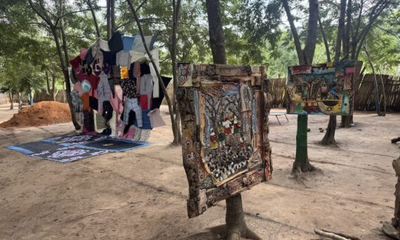
Beyond the Gallery: Karp Kamina Turns Cultural Memory into Contemporary Art
-

 Festivals & Events1 day ago
Ahukan Festival: Honouring Chiefs and Celebrating Akyem Heritage in Kibi
-

 Fashion & Style13 hours ago
Malian Businesswoman’s Reported $1.5 Million Gold Jewellery Stuns Wedding Guests
-

 Global Update6 hours ago
Huge Storm Kills Two in the UK as 90,000 Properties Left Without Power
-

 Ghana News6 hours ago
Ghana’s President Congratulates Brazil’s Lula on Historic Fourth Term, Vows to Champion Global South Agenda
-

 Health & Wellness6 hours ago
Four Weight-Loss Mistakes That Could Be Holding Back Your Progress
-

 Homes & Real Estate1 day ago
Building a Home in Ghana: How Smarter Construction Choices Can Cut Costs